
 Worksheets
DHO 7:1 Basic Structure of the Human Body
Total questions: 74
Worksheet time: 56mins
Name
Class
Date
1.
Which is more complex?
a)
organ
b)
tissue
c)
cell
d)
organ system
2.
A patient's lower legs are swollen. The patient has:
a)
edema
b)
dehydration
c)
adipose tissue
d)
superficial clot
3.
The basic unit of structure and function in a living things.
a)
chloroplast
b)
nucleus
c)
cell
d)
cell membrane
4.
Which structures are found in every living cell?
a)
cell membrane and cytoplasm
b)
chloroplasts and mitochondria
c)
a cell wall and nucleus
d)
chloroplasts and cell wall
5.
This thin layer protects the cell and regulates what substances enter and leave the cell.
a)
cell membrane
b)
cell
c)
cell wall
d)
golgi body
6.
A gel-like fluid in which many different organelles are found.
a)
cell membrane
b)
nucleus
c)
organelle
d)
cytoplasm
7.
Directs all the cell's activities.
a)
mitochondria
b)
chloroplasts
c)
vacuole
d)
nucleus
8.
What organelle controls the cell or is like "the brain" of the cell?
a)
Lysosome
b)
Nucleus
c)
Nucleolus
d)
Chromosomes
9.
This cell part is in ALL cells. It is the gel-like substance that provides cell shape.
a)
Chloroplasts
b)
Chromosomes
c)
Cytoplasm
d)
Mitochondria
10.

This is a example of ........
a)
cell
b)
organ system
c)
organ
d)
tissue
11.
How do the muscular and skeletal systems work together to help the body?
a)
They provide blood to the
body.
b)
They provide nutrients to
the body.
c)
They provide structure and
movement for the body.
d)
They provide oxygen and
carbon dioxide to the body.
12.
Whitney accidentally touches a hot surface and then quickly pulls her hand away. Which two systems in the human body were involved with her action and reaction?
a)
nervous and muscular
b)
skeletal and circulatory
c)
nervous and respiratory
d)
muscular and respiratory
13.
Which best describes the relationship between the skeletal system and the circulatory system?
a)
The skeletal system
transports red blood cells after the circulatory system produces them.
b)
The skeletal system
protects red blood cells and the circulatory system pumps those cells through
veins and arteries.
c)
The skeletal system
produces red blood cells and the circulatory system transports those cells
where they need to go.
d)
The skeletal system helps
put oxygen in red blood cells and the circulatory system helps those cells rid
the body of carbon dioxide.
14.
Which two human body systems work closely together to distribute nutrients from food throughout the body?
a)
muscular and skeletal
b)
digestive and circulatory
c)
circulatory and respiratory
d)
cardiovascular and
digestive
15.

How does the skeletal system benefit the nervous system?
a)
It protects the lungs.
b)
It protects the heart.
c)
It protects the brain and spinal cord.
d)
It protects the esophagus and stomach.
16.
Which body system sends electrical signals to all other body systems?
a)
circulatory system
b)
nervous system
c)
digestive system
d)
skeletal system
17.
Which system of the human body provides protection to most of the major organs?
a)
Nervous System
b)
Muscular System
c)
Skeletal System
d)
Circulatory System
18.
Which is responsible for providing oxygen to cells?
a)
skeletal
b)
nervous
c)
digestive
d)
cardiovascular
19.
Cell organelles that are responsible for digesting food, worn out organelles and other cellular wastes are called ___________________.
a)
Mitochondria
b)
Vacuoles
c)
Lysosomes
d)
Chlororplasts
20.
What is one basic function of the vacuoles?
a)
circulating oxygen
b)
producing food
c)
controlling cell processes
d)
storing water
21.
All cells need energy to function. Which cell organelle is responsible for producing energy in the cell?
a)
chloroplasts
b)
mitochondria
c)
nucleus
d)
vacuoles
22.
_ are organelles responsible for digesting certain materials within the cell.
a)
vacuoles
b)
chloroplasts
c)
lysosomes
d)
cell membrane
23.

Directs all cell activities through the DNA located there.
a)
Lysosomes
b)
Nucleus
c)
ribosomes
d)
Mitochondria
24.
Which of the following is directly involved in the transportation of materials inside/within the cell?
a)
Endoplasmic Reticulum
b)
Vacuole
c)
Lysosome
d)
Mitochondria
25.
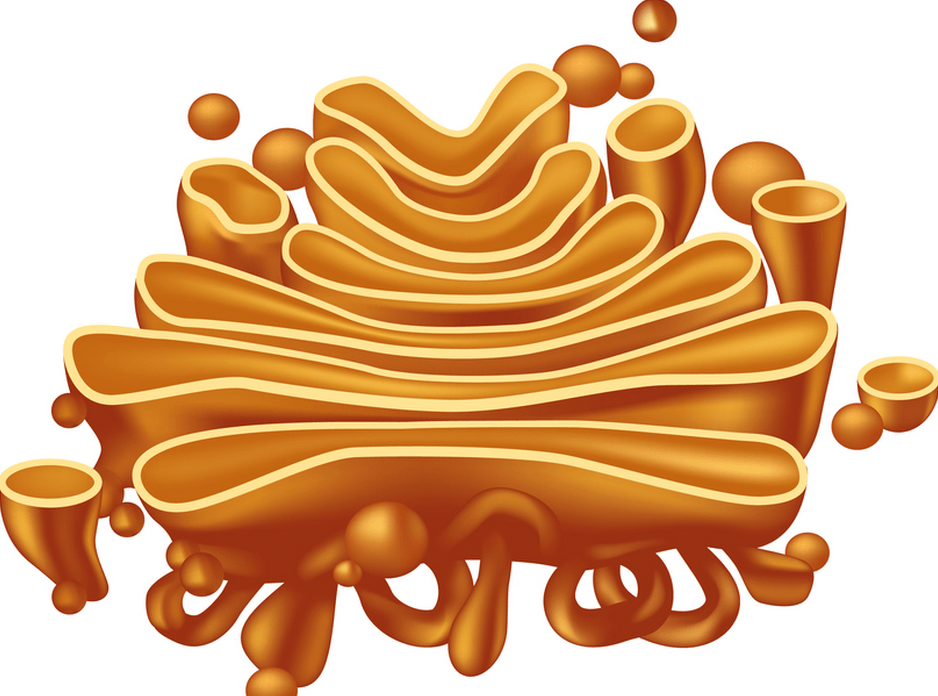
I am a protein packaging and shipping machine! Who am I?
a)
vacuole
b)
ribosome
c)
mitochondrion
d)
golgi apparatus
26.
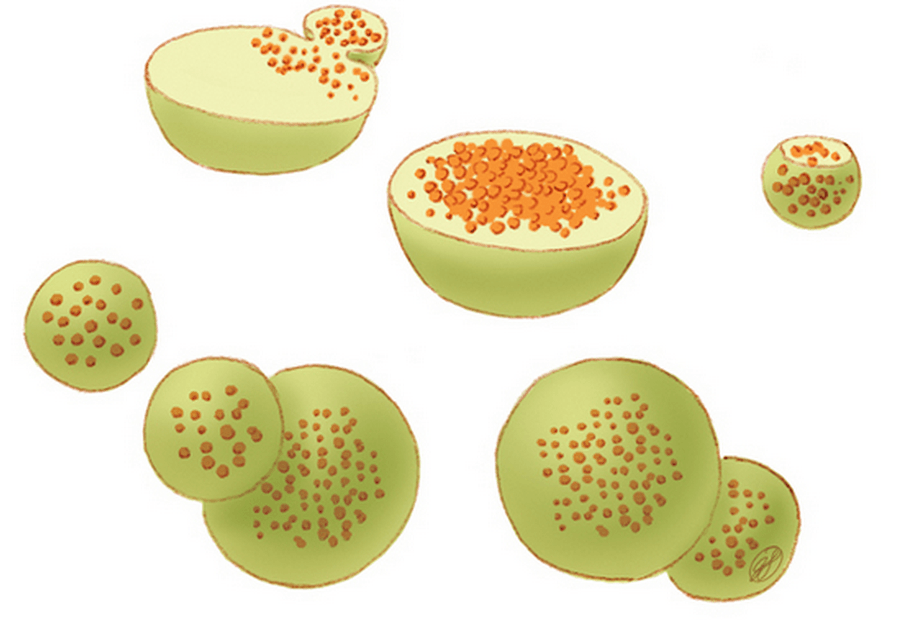
You might think of me as the trash collector, but recycler is maybe more accurate. What am I?
a)
mitochondria
b)
lysosome
c)
vacuole
d)
ribosome
27.
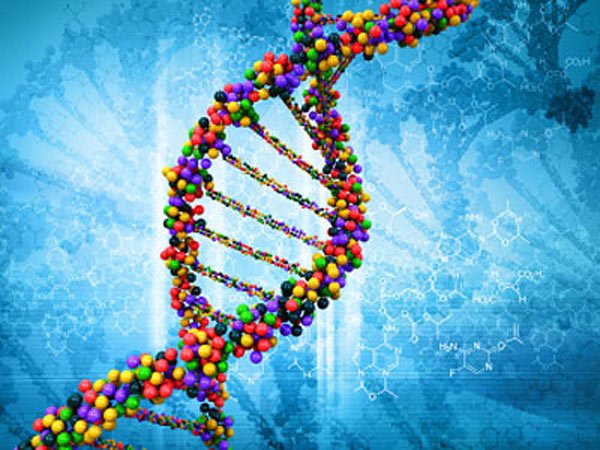
What is the name of the genetic material that is inside the nucleus?
a)
ER
b)
ATP
c)
YOLO
d)
DNA
28.
Where are proteins made?
a)
Golgi body
b)
Mitoichondria
c)
Chromosomes
d)
Ribosomes
29.

I am the outer most layer of an animal cell. What am I?
a)
cell wall
b)
nucleus
c)
cell membrane
d)
cell skin
30.
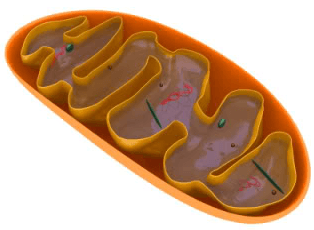
What are tiny organelles that convert glucose into ATP?
a)
Ribosomes
b)
Vesicles
c)
Cytoskeleton
d)
Mitochondria
31.
What is the gel-like substance inside of cells called?
a)
photoplasm
b)
photosynthesis
c)
cytoskeleton
d)
cytoplasm
32.
A group of tissues that work together to perform a similar function is called_____. (Examples include the heart, lungs or stomach)
a)
cells
b)
tissues
c)
organs
d)
organ system
33.
A group of cells that have similar functions? Examples are nervous, epithelial, muscle and connective
a)
cells
b)
tissues
c)
organs
d)
atoms
34.
Organs that work together to perform a related function is called _____________?
a)
cells
b)
tissues
c)
organ system
d)
organs
35.
When many organ systems work together it can form...
a)
organ
b)
cells
c)
organ system
d)
organism
36.

This is a example of........
a)
organ system
b)
cells
c)
organ
d)
tissue
37.
The brain is a part of which organ system?
a)
nervous
b)
skeletal
c)
muscular
d)
digestive
38.
The lungs and the kidneys are examples of
a)
cells
b)
organs
c)
tissues
d)
organ systmes
39.
Which body system is responsible for producing offspring?
a)
reproductive
b)
respiratory
c)
digestive
d)
skeletal
40.
This system provides the body with support, shape, and it helps to protect vital organs.
a)
nervous
b)
unrinary
c)
skeletal
d)
muscular
41.
This system eliminates solid wastes from the body.
a)
digestive
b)
respiratory
c)
cardiovascular
d)
immune
42.
Which of the following correctly lists organs of the respiratory system?
a)
lungs, stomach, pharynx
b)
nose, pharynx, intestines
c)
nose, trachea, lungs
d)
stomach, gall bladder, tongue
43.
The integumentary system includes all the following EXCEPT
a)
red blood cells
b)
hair
c)
skin
d)
fingernails
44.
This system regulates the metabolism and works with other systems to regulate horomones. The thyroid gland is an organ of this system.
a)
nervous
b)
reproductive
c)
digestive
d)
endocrine
45.
This system controls all other systems.
a)
respiratory
b)
nervous
c)
endocrine
d)
integumentary
46.
What is the function of the urinary system?
a)
Eliminates infection
b)
Eliminates pain
c)
Eliminates thought
d)
Eliminates waste from the body
47.
The urinary system is comprised of which organs?
a)
Liver and Stomach
b)
Liver and Bladder
c)
Bladder and kidneys
d)
Liver and kidneys
48.
The word "Cardio" refers to what?
a)
The heart
b)
The lungs
c)
The kidneys
d)
The liver
49.
During exercise, which systems are working together?
a)
Integumentary, Respiratory and muscular
b)
Skeletal, Muscular, Respiratory, Digestive and Cardiovascular
c)
Endocrine, cardiovascular and urinary
d)
Lymphatic and endocrine
50.
What is the function of the endocrine system?
a)
They produce hormones
b)
They produce electrical signals
c)
They produce sperm and eggs
d)
They produce monsters
51.
Define tissue with regards to anatomy
a)
A group of structurally and functionally related cells that come together to perform common functions
b)
Multiple sheets of thin paper used to clean your nose
c)
A series of different cells in the same area
d)
The smallest structural and functional unit of an organism
52.
Which type of muscle tissue would line the intestines?
a)
Smooth
b)
Cardiac
c)
Skeletal
d)
Transitional
53.
Cells make up.....
a)
Tissues
b)
Organs
c)
Organ systems
d)
more cells
54.
Organs make up.....
a)
Tissues
b)
Organs
c)
Organ systems
d)
more cells
55.
Which of the following tissues binds everything together?
a)
Epithelial
b)
Connective
c)
Muscle
d)
Nervous
56.
Which of the following tissues lines the interior and exterior of organs?
a)
Epithelial
b)
Connective
c)
Muscle
d)
Nervous
57.
Which of the following tissues is made up of cells that contract when stimulated?
a)
Epithelial
b)
Connective
c)
Muscle
d)
Nervous
58.
Which of the following tissues is made up of cells that conduct impulses?
a)
Epithelial
b)
Connective
c)
Muscle
d)
Nervous
59.
Which of the following is NOT one of the four primary tissue types?
a)
Gastric
b)
Connective
c)
Muscle
d)
Epithelial
60.
The common term for adipose tissue is
a)
Fat
b)
Blood
c)
Bone
d)
Cartilage
61.
Cardiac muscle is specific to which organ?
a)
Heart
b)
Brain
c)
Pancreas
d)
Lungs
62.
The process by which the nuclear material is divided equally between two new cells
a)
mitosis
b)
cancer
c)
spindle
d)
centromere
63.

The stages of mitosis in order
a)
Metaphase, Anaphase, Prophase, Telophase
b)
Prophase, Anaphase, Metaphase, Telophase
c)
Prophase, Metaphase, Anaphase, Telophase
d)
Anaphase, Prophase, Telophase, Metaphase
64.
Which of these phases of mitosis take place first?
a)
anaphase
b)
telophase
c)
prophase
d)
metaphase
65.

In mitosis, the two resulting cells are
a)
different from the starting cell and identical to each other.
b)
different from the starting cell and different from each other.
c)
identical to the starting cell and different from each other.
d)
identical to the starting cell and identical to each other.
66.

How many chromosomes do humans have?
a)
46
b)
21
c)
10
67.
The cells produced via meiosis are called:
a)
sex cells
b)
somatic cells
c)
body cells
d)
skin cells
68.
This produces 2 identical cells.
a)
mitosis
b)
meiosis
69.
What is it called when a sperm and egg meet?
a)
meiosis
b)
fertilization
c)
cell division
d)
mitosis
70.

Meiosis makes sperm and egg cells. In humans, sperm and egg cells each have _____ chromosomes. Therefore a fertilized human egg cell (sperm and egg cell combined) would create a cell with _____ chromosomes.
a)
23, 46
b)
46, 23
c)
2, 4
d)
50, 100
71.
Goes through P.M.A.T two rounds
a)
Mitosis
b)
Meiosis
c)
Osmosis
d)
Transcription
72.
Which of these cells would be produced through meiosis?
a)
skin cells
b)
liver cells
c)
brain cells
d)
sperm cells
73.
A male shark has 40 chromosomes in each of its sex cells. How many would be present in its body cells?
a)
20
b)
40
c)
80
d)
160
74.
What is another reason we need meiosis?
a)
So the offspring has genes from both parents
b)
So the offspring has genes from one parent
c)
So the offspring has genes from neither parents
d)
So the offspring makes its own genes
100 %

