
NEW
Font size
S
M
L
XL
 Worksheets
Nutrition
Total questions: 27
Worksheet time: 54mins
Name
Class
Date
1.
Which of the following nutrients provides energy to the body?
a)
carbohydrates
b)
vitamins
c)
water
d)
minerals
2.
Which of the following nutrients is important for body, cell, and muscle growth and repair?
a)
vitamins
b)
fats
c)
proteins
d)
carbohydrates
3.
Which of the following is true about most fast foods?
a)
they
are low in nutrient density
b)
they
are high in fat and calories
c)
they
are low in vitamins and minerals
d)
all
of the above
4.
What is the main reason for eating a wide variety of foods?
a)
to learn the food label
b)
to provide all the nutrients you need
c)
to keep from getting bored with your diet
d)
to help improve physical fitness
5.
An athlete is preparing to run a marathon (26.2 miles), decide which of the following meals she should eat the night before to provide the most energy for the race?
a)
eat a steak and drink a coffee
b)
load up on candy bars and chips
c)
eat pasta and drink water
d)
eat a bowl of cereal and drink an energy drink
6.
Why would a person want to limit their intake of sodium (salt)?
a)
sodium weakens bones and teeth
b)
sodium can lead to high blood pressure
c)
sodium is linked to cancer
d)
sodium causes a person to be diabetic
7.
A student should have about how many glasses of water per day?
a)
5
b)
6
c)
7
d)
8
8.
If a student is looking at the ingredient list on a food label and water is listed first, she would know that________________________
a)
water weighs the most in the product
b)
water weighs the least in the product
c)
the list is in no particular order
9.
Which of the following is the body’s physical response for the need of food?
a)
appetite
b)
hunger
c)
craving
10.
A pattern of eating that includes how much, what, and how often a person eats.
a)
Metabolism
b)
Diet
c)
Calories
d)
Vitamins
11.
Elements essential for good health. e.g. Calcium, Iron, Potassium
a)
Protein
b)
Fat
c)
Minerals
d)
Carbohydrates
12.
The process of converting the energy in food into energy the body can use.
a)
Metabolism
b)
Diet
c)
Digestion
d)
Calories
13.
The body uses this to carry nutrients and waste. It also helps joints move smoothly.
a)
Fat
b)
Water
c)
Minerals
d)
Vitamin
14.
Organic compounds that control several body functions. e.g. A, C, K
a)
Carbohydrates
b)
Metabolism
c)
Vitamins
d)
Digestion
15.
The process of breaking down food into a form the body can use.
a)
Diet
b)
Metabolism
c)
Calories
d)
Digestion
16.
The amount of energy the body gets from food is measured in.
a)
Metabolism
b)
Diet
c)
Calories
d)
Protein
17.
Which of the following is NOT a nutrient?
a)
water
b)
fat
c)
sugar
d)
protein
18.
Fish, nuts, oils and avocado are health sources of....
a)
Fiber
b)
Protein
c)
Minerals
d)
Fat
19.
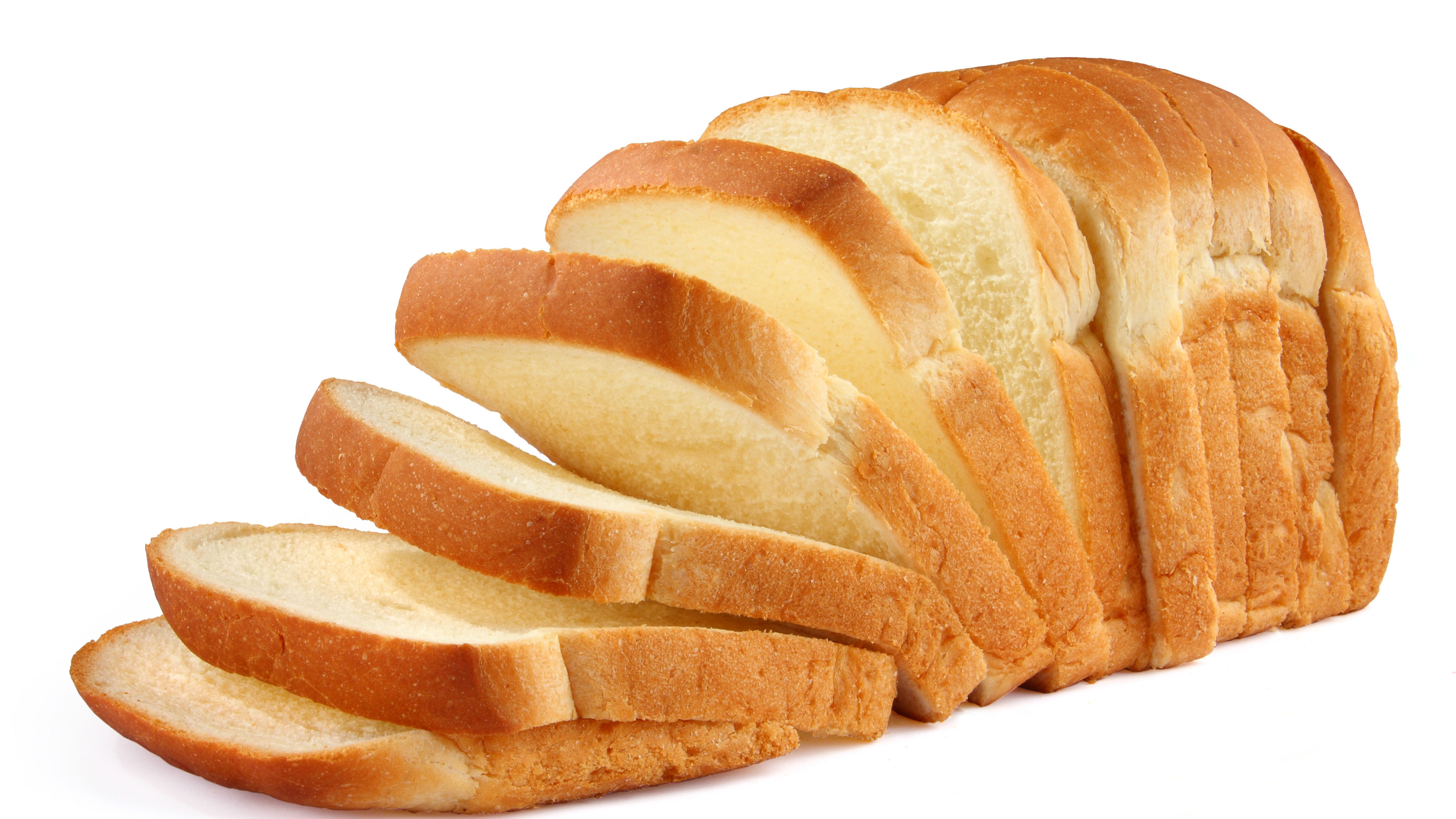
Bread is a great source of which energy nutrient?
a)
Carbohydrates
b)
Fats
c)
Proteins
d)
All of the above
20.
Which one of the following is a protein source?
a)
Banana
b)
Beans
c)
Bagels
d)
Breakfast Bar
21.
When you don't drink enough water you can become:
a)
silly
b)
hyper
c)
intoxicated
d)
dehydrated
22.
This nutrient makes up 75% of your body:
a)
water
b)
vitamin A
c)
carbohydrates
d)
protein
23.
WHAT ARE THE 6 NUTRIENTS?
a)
Carbs, Meats, Fibers, Water, Protein, and Dairy
b)
Fruits, Milk, Fibers, Water, Pork, and Vitamins
c)
Carbs, Fats, Fibers, Water, Protein, and Vitamins
d)
Carbs, Fats, Fibers, Cheese, Protein, and Vegtables
24.
Eating foods rich in calcium can help reduce the risk of osteoporosis.
a)
True
b)
False
25.
Which nutrient should be consumed after intense workouts or games for recovery of damaged muscle tissue?
a)
Protein
b)
Carbohydrate
c)
Fat
d)
Water
26.
If a person has a deficiency in Vitamin D and Calcium, they may have __________. It may cause a person to have brittle bones.
a)
scurvy
b)
Rickets
c)
Osteoporosis
d)
Anemia
27.
If a person has a deficiency in Iron, they may have...
a)
scurvy
b)
Rickets
c)
Osteoporosis
d)
Anemia
Reset

