Wayground logo

Free Printable Worksheets

Font size

S
M
L
XL
Worksheets

Ecology

Total questions: 33

Worksheet time: 21mins

Name
Class
Date
1.

Each of the following is an abiotic factor in the environment EXCEPT

a)

temperature

b)

soil

c)

sunlight

d)

plant life

2.

A bird stalks, kills, and then eats an insect. Based on its behavior, which ecological terms describe the bird?

a)

Herbivore, Decomposer

b)

Producer, Heterotroph

c)

Carnivore, Consumer

d)

Autotroph, Herbivore

3.

Eats dead or or decaying animal carcasses

a)

carnivore

b)

scavenger

c)

herbivore

d)

omnivore

4.

kills, hunts, stalks and eats its prey

a)

carnivore

b)

herbivore

c)

scavenger

d)

decomposer

5.

eats both animals and plants

a)

carnivore

b)

herbivore

c)

omnivore

d)

decomposer

6.

The branch of biology dealing with interactions among organisms and between organisms and their environment is called

a)

ecology

b)

modeling

c)

recycling

d)

economy

7.

illustration that shows who eats whom

a)

food web

b)

food chain

c)

food cycle

d)

herbivore

8.

Another name for producer that means "self eater"

a)

autotroph

b)

consumer

c)

heterotroph

d)

preditor

9.

Another name for consumer that means to consume other organisms

a)

autotroph

b)

heterotroph

c)

producer

d)

prey

10.

What does water turn into when it evaporates?

a)

ice

b)

water

c)

fidget spinners

d)

water vapor

11.

What does water vapor change into when it condenses?

a)

water vapor

b)

ice

c)

water droplets

d)

snow

12.

What happens to water that does not infiltrate into the soil?

a)

it turns to snow

b)

it becomes poisonous

c)

the tides rise

d)

it becomes runoff

13.

What are examples of precipitation?

a)

lakes, river, ponds

b)

oceans and seas

c)

rain snow hail sleet

d)

iceberg!

14.

What would be an example of a producer?

a)

plants

b)

mushrooms

c)

tigers

d)

humans

15.

How do decomposers get their energy?

a)

from recycling dead and decaying matter

b)

the sun

c)

hydro energy

d)

bean burritos

16.
Autotrophs make up the _______ level in all ecosystems.
a)
First
b)
Second
c)
Third
d)
Fourth
17.
What does a food web represent?
a)
All connections of energy flow throughout all organisms in a habitat.
b)
The specific ways that mutualism is carried out.
c)
A single pathway or energy flow between organisms. 
d)
How carnivores get their food. 
18.
The nonliving aspects of an ecosystem.
a)
Abiotic factors
b)
Biotic factors
19.
The living portions of the ecosystem.
a)
Biotic factors
b)
Abiotic factors
20.
Water temperature would be an example of ...
a)
A biotic factor
b)
An abiotic factor
21.
A collection of organisms that belong to different populations but all live in the same area and interact with one another.
a)
Population
b)
Ecosystem
c)
Community
d)
Ecosphere
22.
A place where an organism lives.
a)
Terrain
b)
Habitat
c)
Community
d)
Population
23.
A collection of organisms that make up a community as well as all of the nonliving aspects of the environment.
a)
Population
b)
Community
c)
Habitat
d)
Ecosystem
24.
A graphic illustration that shows each trophic level and the amount of useable energy contained within.
a)
Food chain
b)
Food web
c)
Energy Pyramid
d)
All of these
25.
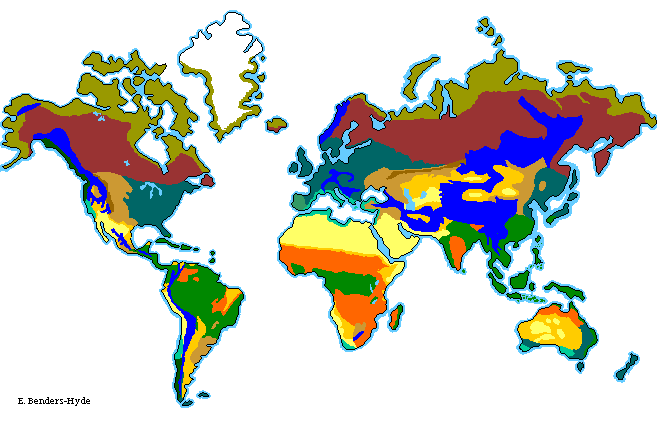
A large ecosystem is called a ______
a)
Ecosystem
b)
Habitat
c)
Biome
d)
Niche
26.
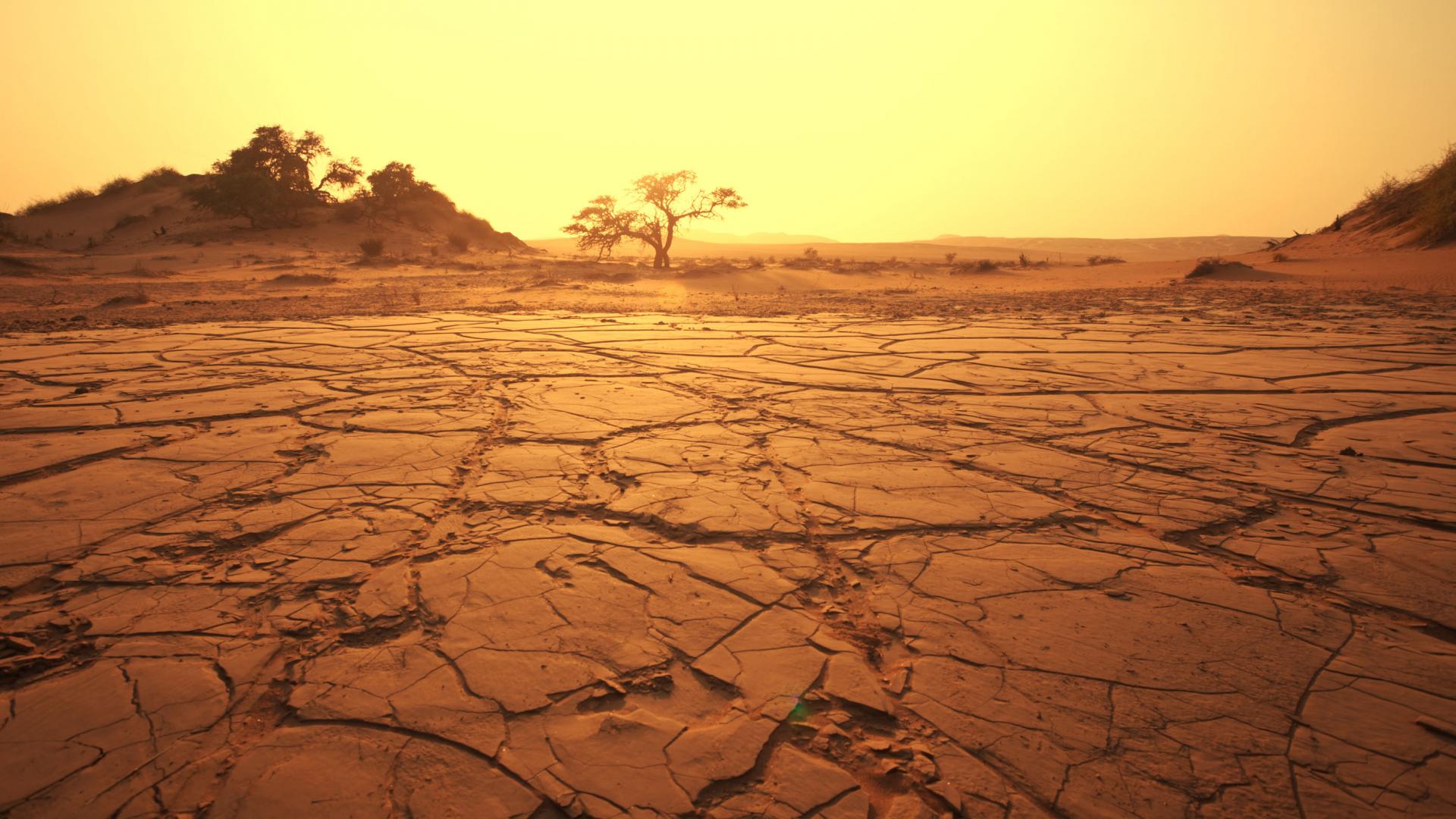
Which biome is the driest?
a)
Desert
b)
Tundra
c)
Taiga
d)
Rainforest
27.
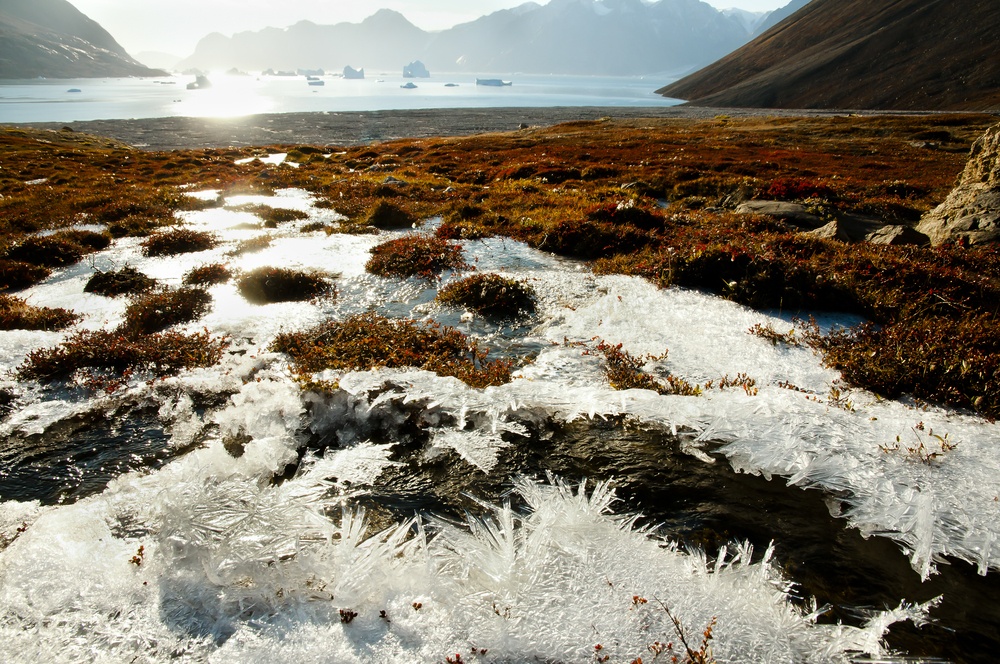
Which Biome has permafrost?
a)
Temperate Forest
b)
Rainforest
c)
Taiga
d)
Tundra
28.
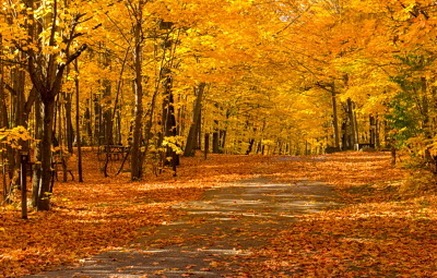
Which biome has deciduous trees (which lose their leaves)?
a)
Temperate Forest
b)
Rainforest
c)
Grasslands
d)
Taiga
29.
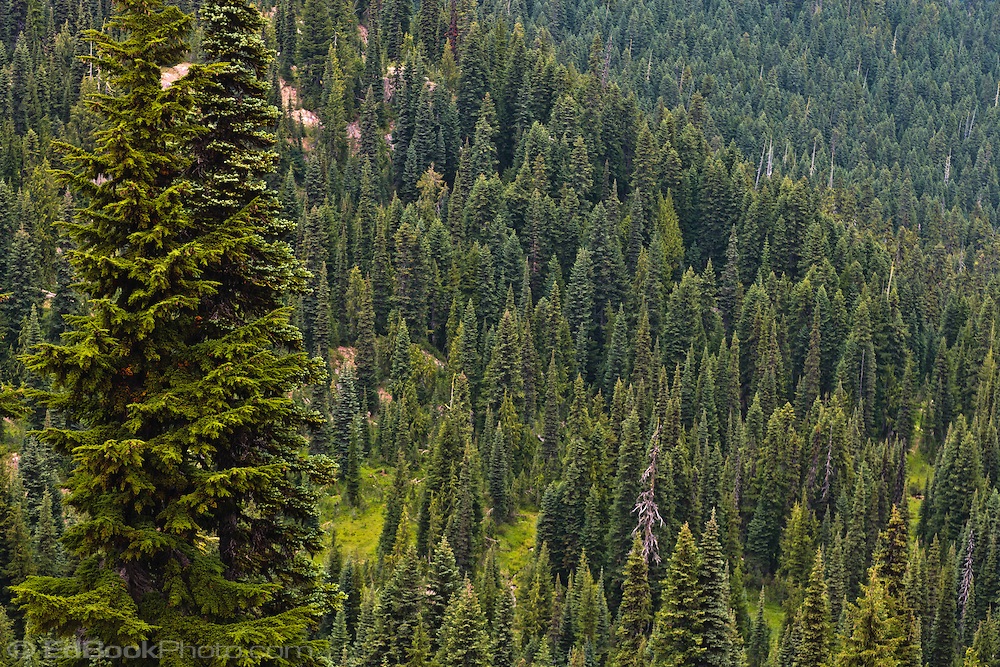
Which biome has coniferous trees (which don't lose their leaves)?
a)
Taiga
b)
Temperate Forest
c)
Tundra
d)
Grasslands
30.
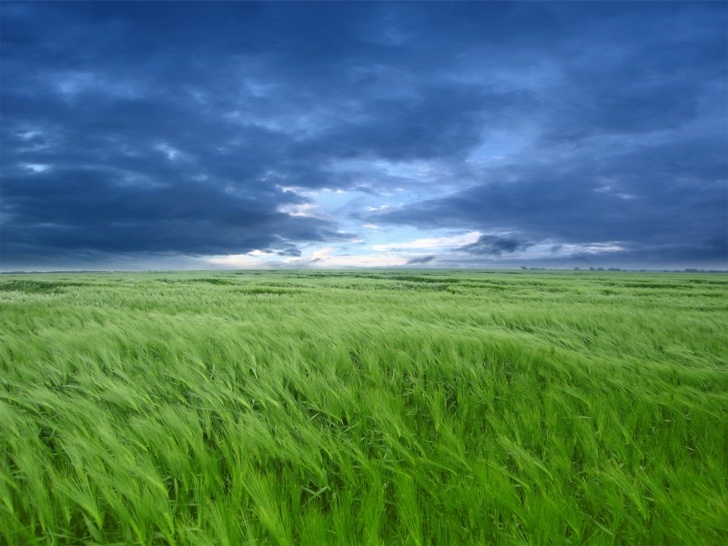
Which biome has wide-open fields of grass?
a)
Taiga
b)
Grasslands
c)
Temperate Forest
d)
Rainforest
31.
Which biome has the most variety of plants and animals?
a)
Temperate Forest
b)
Rainforest
c)
Tundra
d)
Grasslands
32.
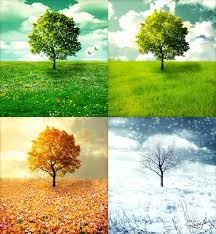
Which biome has 4 seasons?
a)
Taiga
b)
Tundra
c)
Grasslands
d)
Temperate Forest
33.
Which biome do we live in?
a)
Grasslands
b)
Taiga
c)
Rainforest
d)
Temperate Forest