
 Worksheets
Hydrological Cycle
Total questions: 18
Worksheet time: 17mins
Name
Class
Date
1.
What is the water cycle?
a)
the 3 forms of water
b)
the movement of water on, above, or below the surface of the Earth
c)
when water melts
d)
when clouds form
2.
Which of these is an example of precipitation?
a)
snow
b)
air
c)
clouds
d)
vapor
3.
Which is the opposite of condensation?
a)
runoff
b)
evaporation
c)
precipitation
d)
transpiration
4.
Which best explains why runoff is important?
a)
It returns water to other locations on Earth
b)
It increases the chance of flooding
c)
It makes evaporation occur faster
d)
It increases condensation
5.
What is the energy source for the water cycle?
a)
the sun
b)
the earth
c)
water
d)
the moon
6.

What is it called when plants give off water vapor as a waste product?
a)
condensation
b)
evaporation
c)
sublimation
d)
transpiration
7.
When water _________, dew forms.
a)
Melts
b)
Evaporates
c)
Condenses
d)
Precipitates
8.
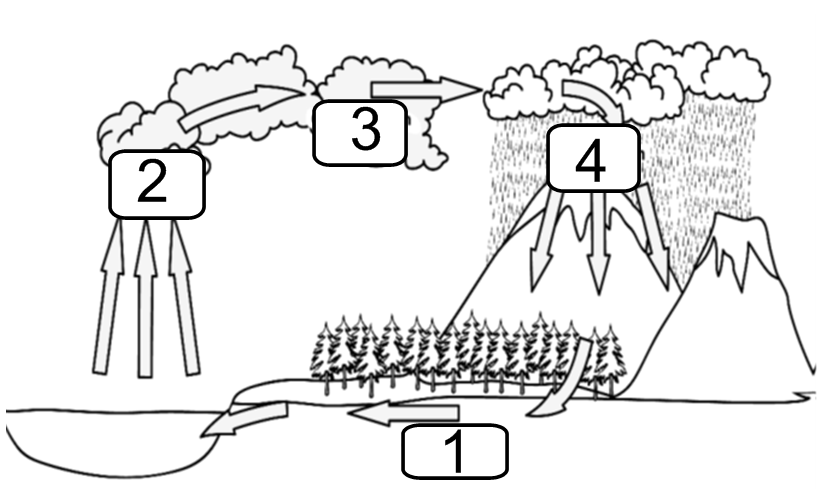
Which stage does the #2 show in the diagram?
a)
condensation
b)
evaporation
c)
precipitation
d)
run off
9.
What is a layer of rock or sediment that holds water?
a)
glacier
b)
well
c)
aquifer
d)
natural spring
10.
97% of the Earth's water is located in....
a)
ground water
b)
the ocean
c)
lakes, rivers, and streams
d)
glaciers
11.
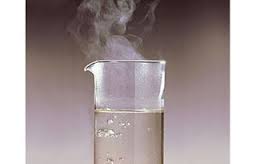
What is water doing when it is changed to water vapor?
a)
evaporating
b)
condensing
c)
precipitating
d)
runoff
12.
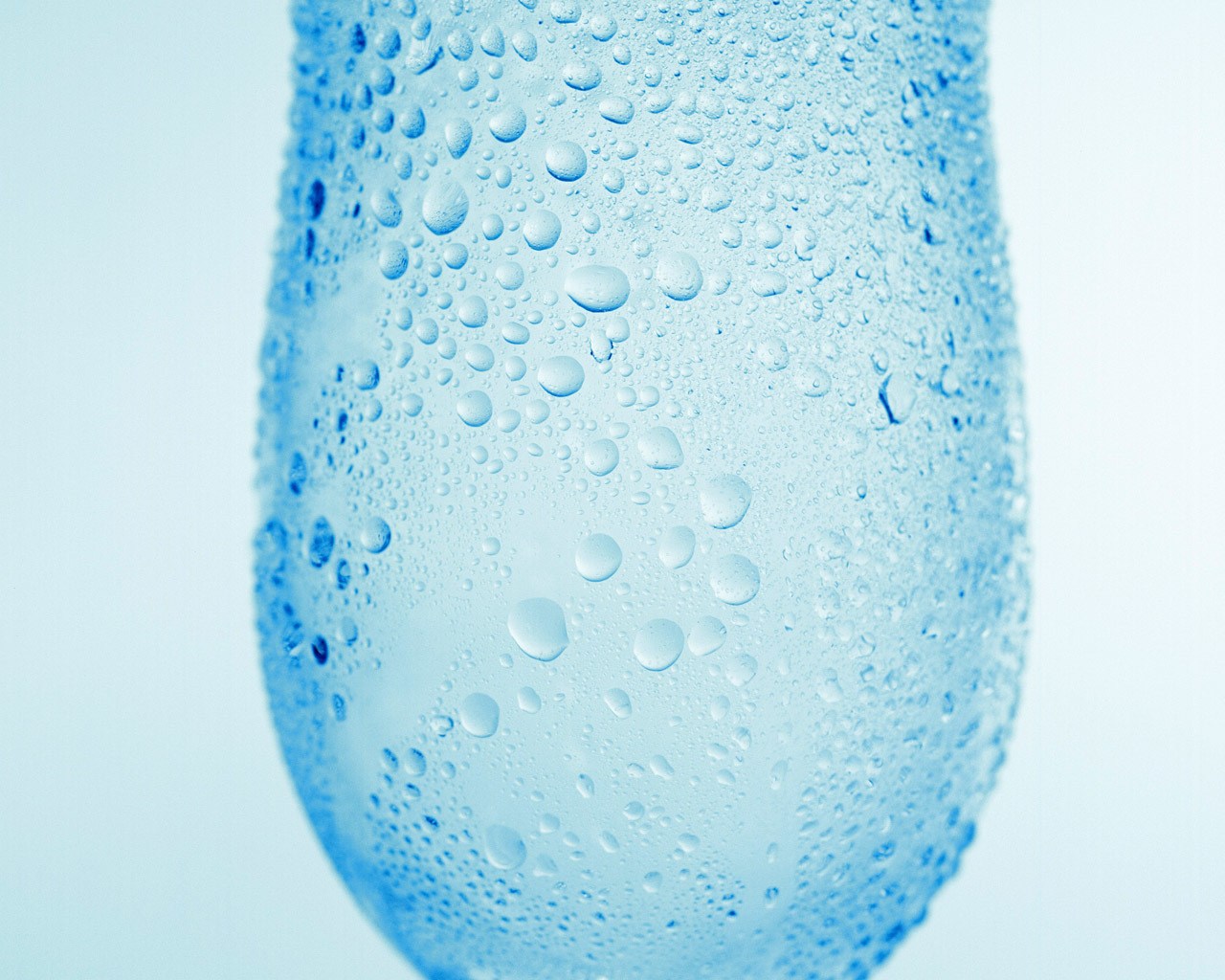
What is water vapor doing when it changes to water?
a)
evaporating
b)
condensing
c)
precipitating
d)
runoff
13.
Which of the following causes all of the water on the planet to change its state (solid, liquid, gas) and move through the water cycle?
a)
amount of plant matter
b)
location of ice caps
c)
size of ocean
d)
temperature
14.
Precipitation happens when clouds of water droplets are too ______________.
a)
cold
b)
light
c)
heavy
d)
hot
15.
What percentage of the earth is covered by water?
a)
97%
b)
71%
c)
3%
d)
80%
16.
What percentage of the Earth’s fresh water is available for drinking?
a)
10%
b)
<1%
c)
3%
d)
15%
17.
Chemical formula to represent water's unique structure
a)
Hydrogen + 2 Oxygen
b)
2 Hydrogen + 1 Oxygen
c)
HO
d)
OH
18.
Water is known as ________ because so many substances can dissolve in it.
a)
liquid
b)
capillary action
c)
changing state
d)
universal solvent
100 %

