wayground logo

Free Printable Worksheets

NEW

Font size

S
M
L
XL
Worksheets

Levels of Organization, Characteristics of Living Things

Total questions: 30

Worksheet time: 29mins

Name
Class
Date
1.

Living organisms respond to changes in their environment called ________________.

a)

homeostasis

b)

stimuli

c)

cells

d)

adaptations

2.

Living organisms must maintain specific internal conditions. This is called ________________.

a)

adaptations

b)

order

c)

homeostasis

d)

biology

3.

Living things can _____________________, or make babies.

a)

breathe

b)

adapt

c)

walk

d)

reproduce

4.
This picture is a good example of
a)
Growth
b)
Development
5.
This picture is a good example of
a)
Growth
b)
Development
6.
All living organisms are made up of ____.
a)
Cells
b)
Bacteria
c)
Organs
d)
Tissue
7.
Ants, birds, rabbits, and snakes are...
a)
living
b)
nonliving
8.
Rocks, water, air, sun, and soil are...
a)
living
b)
nonliving
9.
Any living thing is called an
a)
organ
b)
organization
c)
organism
d)
cell
10.

All living things are composed of. . . .(building blocks of living things)

a)

Energy

b)

Cells

c)

Atoms

d)

Bugs

11.

What is one characteristic that all living things share?

a)

They have eyes.

b)

They have cells.

c)

They have hair.

d)

They have skin.

12.
The postman is running away from the dog. This shows that living things _________.
a)
grow
b)
respond to changes
c)
reproduce
d)
die
13.
Which of the following is the correct order of organization in living things from most basic (simple) to most complex?
a)
a.  Organism, cell, tissue, organ, organ system
b)
a.  Organ system, organ, tissue, cell, organism
c)
a.  Cell, tissue, organ, organ system, organism
d)
a.  Cell, organ, tissue, organ, organism, organ system
14.
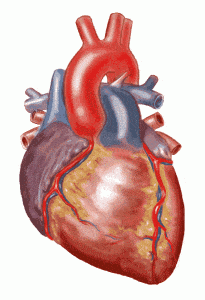
The smallest level of organization of life in an organism
a)
tissue
b)
cell
c)
organ
d)
organ system
15.
Tissue that works together to perform a function
a)
organ
b)
cell
c)
organ system
d)
organism
16.
This is a example of........ 
a)
organ system
b)
cells
c)
organ
d)
tissue
17.
This is a example of ........
a)
cell
b)
tissue
c)
organ 
d)
organ system
18.
This is a example of ........
a)
cell
b)
organ system
c)
organ
d)
tissue
19.
This is a example of ........
a)
organ
b)
organ system
c)
tissue
d)
cell
20.
Which level of organization is the most complex?
a)
organism
b)
population
c)
community
d)
ecosystem
21.
which is the correct order of the levels of organization from simple to complex?
a)
organism, population, community, ecosystem
b)
ecosystem, community, population, organism
22.
What is the correct order of organization
a)
tissues-cells-organs-organ systems-organism
b)
cell-tissue-organs-organ systems-organism
c)
organism-cells-tissues-organ systems-organism
d)
tissues-cells-organs-organ sytems-organism
23.
A group of organisms in the same species an in the same location is known as a ___________.
a)
Individual
b)
Population
c)
Community
d)
Ecosystem
24.
The entire Earth including all living things and anything that will impact life is known as the ___________.
a)
Biome
b)
Biosphere
c)
Community
d)
Ecosystem
25.

Group of populations in an area.

a)

Organism

b)

Ecosystem

c)

Community

d)

Biosphere

26.

Organisms who are members of the same species in an ecosystem.

a)

Organism

b)

Population

c)

Organ

d)

Community

27.

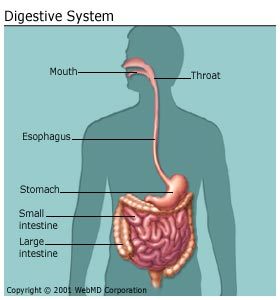
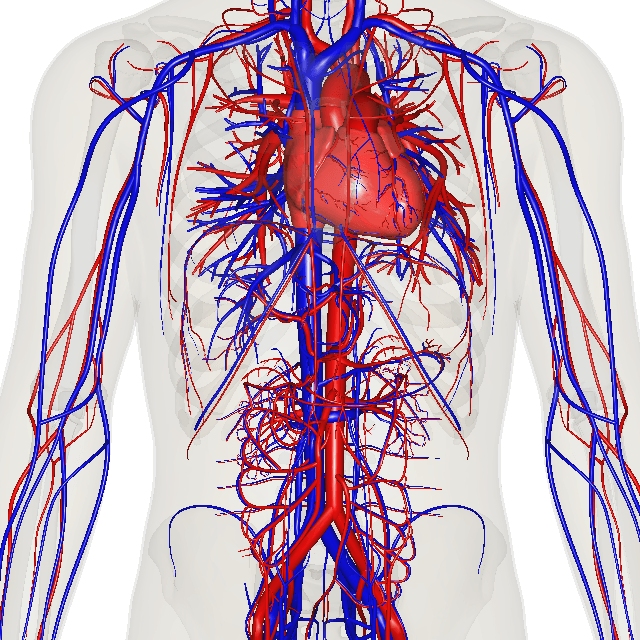
Group of organs with similar functions.

a)

Organism

b)

Cell

c)

Organ

d)

System

28.

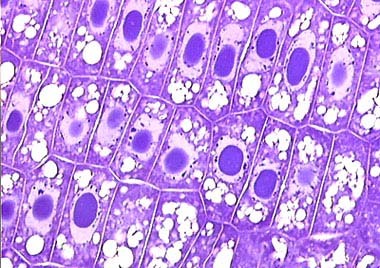
Groups of cells with similar functions.

a)

Organs

b)

Molecules

c)

Tissues

d)

Organelles

29.

The basic building block of living things, made up of organelles.

a)

Tissue

b)

Organelle

c)

Cell

d)

Atom

30.

The smallest unit that makes up the known elements.

a)

Molecule

b)

Organelle

c)

Cell

d)

Atom