
NEW
Font size
 Worksheets
Forces in Motion
Total questions: 30
Worksheet time: 16mins
If a car is moving a 65 mile per hour (constant speed), what will happen to the motion of the car if no new force is applied?
The car will speed up.
The car will slow down.
The car will stay at 65 mph.
The car will stop.

What will happen when these magnets are brought close together?
They will attract each other.
They will repel each other.
Both magnets will turn to the left
Both magnets will turn to the right

Where are the magnetic force the strongest in this picture?
Location 1
Location 2
Location 3
Location 4
The strength of a magnet can be changed by
adding less loops to the coil.
adding more loops to the coil.

A student makes an electromagnet as shown above and finds that it is only strong enough to pick up one paper clip. What modification will she need to do in order to make it pick up three paper clips?
wrap more coils around the nail
use staples instead of paper clips
replace the battery with a bar magnet
use paper clips made of aluminum

How does distance effect the magnetic field?
It gets stronger the farther you get from the magnet.
It gets weaker the farther you get from the magnet.
Distance does not effect the strength of the magnetic field.
It depends on the type of magnet.
Which is not an example of acceleration?
Driving at a constant speed
A bat hitting a ball
Throwing a football
Kicking a soccer ball
Acceleration is
a change in direction
a change in speed
a change in direction and color
All of the above
Why does a car accelerate as it round a corner at a constant speed?
Its direction changes
It doesn't
It slows down
Its speeds up
In each of the following cases, determine where the car has no acceleration ?
A car shortly after a stoplight turns green.
A car approaching a red light
A car with the cruise control set at 80 km/h
A car turning a curve at a constant speed
If you increase the mass on an object (and the force remains the same), its acceleration...
decreases
stays the same
also increases
stops
If you increase the force on an object, its acceleration?
decreases
stays the same
also increases
stops
On which celestial object (outer space) would your mass be the greatest?
Earth
Jupiter
Sun
Your mass doesn't change on different celestial objects
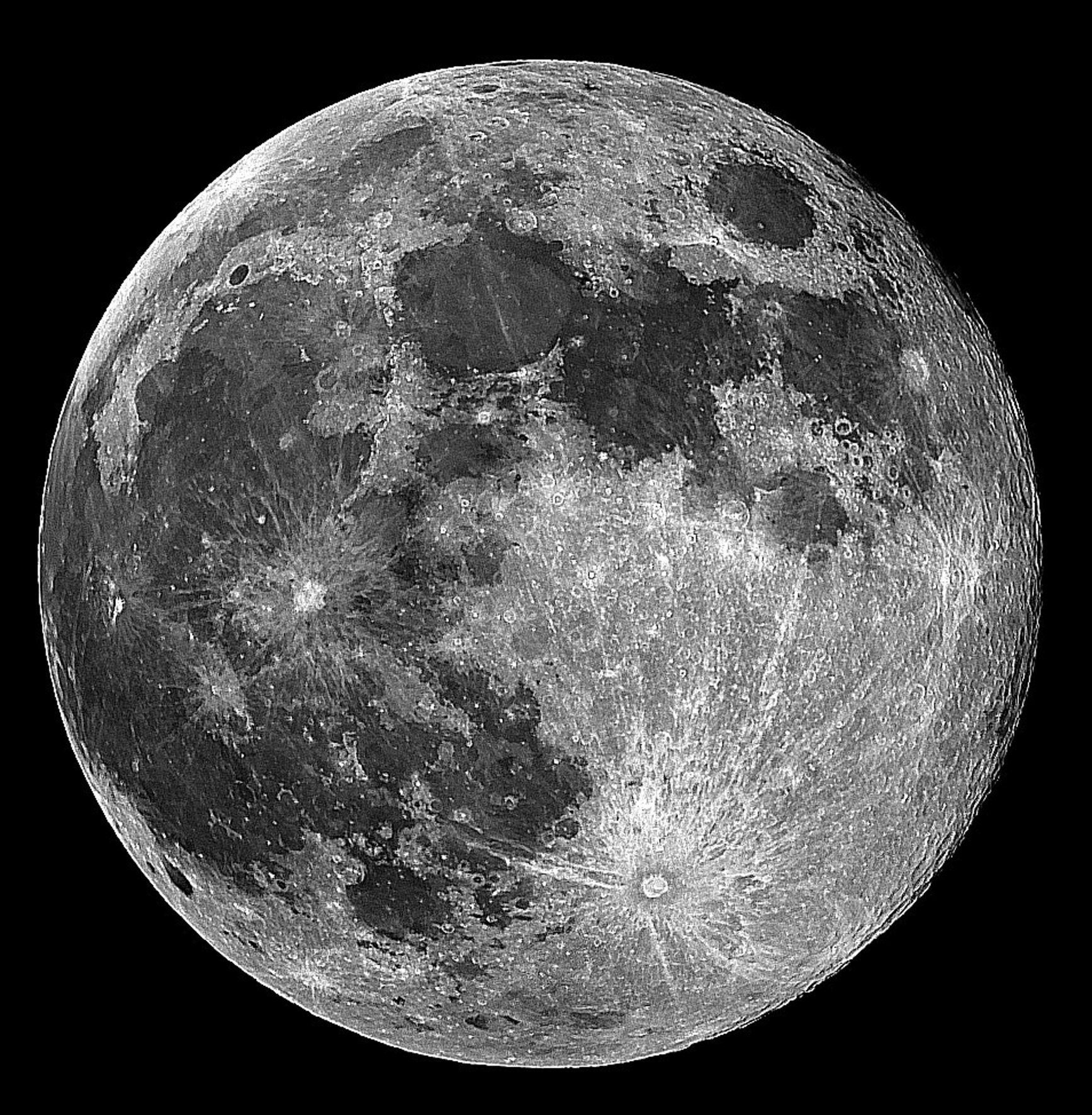
Why would you weigh less on the moon compared to Earth?
less air
less sunlight
more gravitational pull
less gravitational pull

What is the net force?
65 N left
65 N right
35 N left
35 N right
A toy car was used in an investigation about forces. During which of the following scenarios was the car experiencing balanced forces?
The toy car speeds up as it rolls down a ramp.
The toy car travels forward at a constant speed.
The toy car slows down as it rolls up a hill.
The toy car changes direction at a constant speed.
A force that opposes motion between any surfaces that are touching is...
velocity
friction
inertia
position
The SI unit for force is..
distance
Newton (N)
frame of reference
inertia
Why don't we see the ground coming towards us?
We have less gravitational force than the earth.
We have more inertia than the Earth.
We have less mass than the Earth.
We are already standing on the Earth
While you’re ice-skating with your friends, you push off from one end of the rink and slide forward. Based on Newton’s first law of motion, what is true?
You will lose your balance and fall over before you reach the middle of the ice rink.
You will continue to slide across the ice until a force makes you stop or change direction.
The force of gravity will make you keep your velocity until your friends make you stop.
The size of your ice skates will determine how quickly or slowly you travel across the ice

When a heavy football player and a light one run into each other, who exerts more force?
The heavy one
The light one
They are equal
there is no such thing as force
Which is needed to determine the amount of gravitational force between two objects?
distance and mass
weight and time
area and weight
What is the relationship between mass and gravitational pull?
Higher mass creates higher gravitational pull
Lower mass creates higher gravitational pull
Lower gravitational pull creates more mass
Higher gravitational pull creates more mass.
An object moves at constant speed. What will happen to this object's motion over time if no new forces are applied?
It will change direction.
It will increase speed.
It will decrease speed.
It will maintain a constant speed.
You are standing in the middle of a schoolbus. You jump up as it moves forward on the highway at 65 miles per hour. Where are you standing when you land?
Farther back on the bus.
Closer to the driver
Right where you started.
Not enough information to determine.
Which of these are correctly paired?
Objects with charge: Electric Field
Objects with iron or steel: Magnetic Field
Objects with mass: Gravitational Field
All are correct
Which term is an example of force?
energy
mass
weight
work
A car moving around a circular track at a constant speed.
Are the forces balanced or unbalanced.
Balanced because it is going at a contstant speed.
Balanced because the direction stays the same.
Unbalanced because it is going at a constant speed.
Unbalanced. The speed remains constant, but it is changing directions which is a change of force.
An astronaut weighs less on the moon because....
the pull of gravity is less.
his mass is less on the moon.
it depends on his weight on Earth.
His weight stays the same no matter what,

