
 Worksheets
Living Systems SOL 5.5
Total questions: 42
Worksheet time: 2hrs 2mins
Name
Class
Date
1.

Which part of the cell is often called "the brain of the cell"?
a)
nuclear membrane
b)
endoplasmic reticulum
c)
nucleus
d)
mitochondria
2.
What is found in both plant and animal cells but is much larger in plant cells?
a)
Nucleus
b)
Mitochondria
c)
Chloroplast
d)
Vacuole
3.
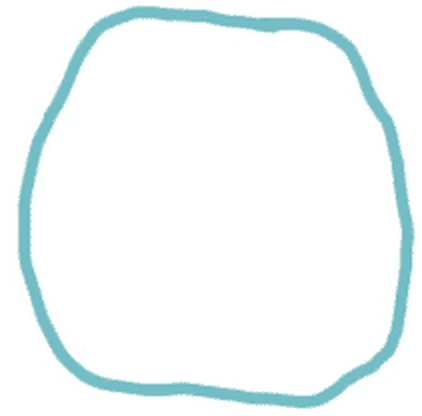
I am the outer most layer of an animal cell. What am I?
a)
cell wall
b)
nucleus
c)
cell membrane
d)
cell skin
4.
The site of photosynthesis
a)
ribosome
b)
mitochondria
c)
chloroplast
d)
nucleus
5.
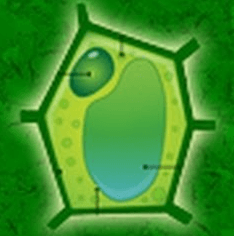
A rigid layer that lies outside the cell's membrane is...
a)
Cytoskeleton
b)
Cilia
c)
Cell Wall
d)
Flagella
6.
What is the gel-like substance inside of cells called?
a)
photoplasm
b)
photosynthesis
c)
cytoskeleton
d)
cytoplasm
7.
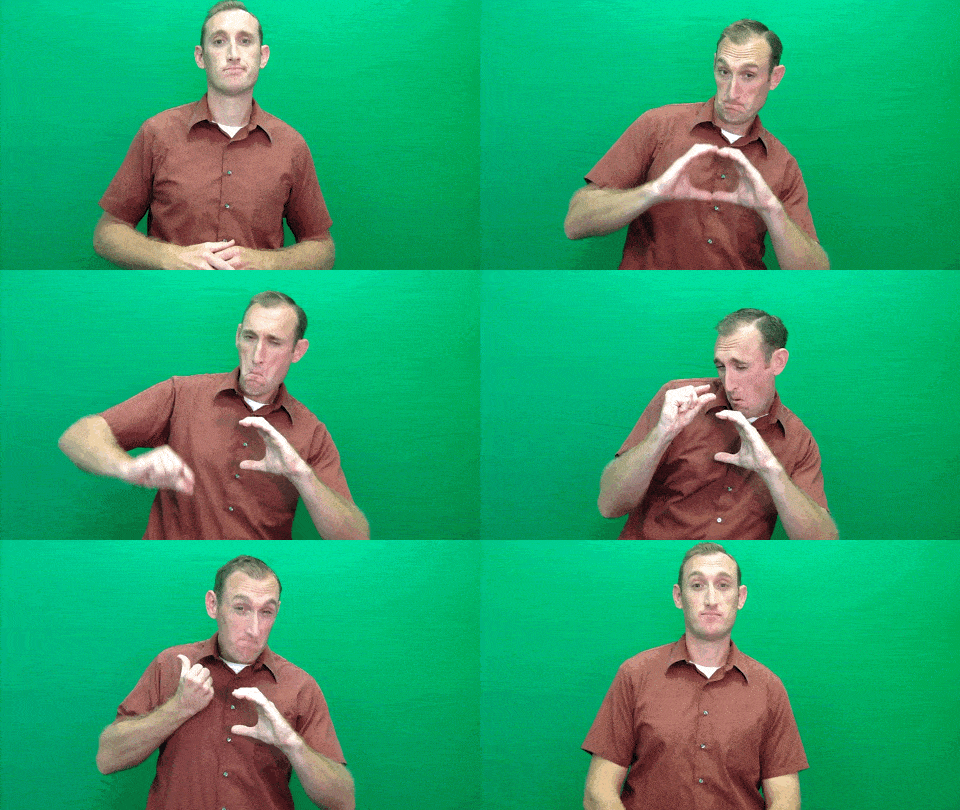
The ___________ is the basic unit of life
a)
organ
b)
cell
c)
atom
d)
tissue
8.
What tool do you use to view the cells?
a)
metric ruler
b)
centrifuge
c)
microscope
d)
pipette
9.
This type of cell needs a cell wall and chloroplasts
a)
Plant cell
b)
Animal Cell
c)
Bacteria
10.
This organelle is in both plants and animals. It is a barrier between the cell and the environment. It controls what goes in and out of a cell.
a)
cell wall
b)
cell membrane
c)
cell organelles
d)
mitochondria
11.

What is the main function of the cell membrane?
a)
Digestion
b)
Storage
c)
Protecitve Barrier
d)
INSANE IN THE MEMBRANE!
12.
1. What is an adaptation?
a)
A feature or behavior that helps an animal survie.
b)
The food that an animal eats.
c)
How energy moves in a food web.
13.
How do adaptations help animals?
a)
To hide from predators
b)
to hunt for food
c)
to survive in their habitats
d)
All of these are correct
14.
An example of a physical adaptation is...
a)
a turtle hiding inside its shell
b)
The spikes on a porcupine fish
c)
a rabbit burrowing underground
d)
a viper biting when threatened
15.
An animal's color or pattern that helps it blend into its surroundings
a)
Environment
b)
Mimicry
c)
Camouflage
16.
Which adaptation would NOT help a hawk catch a mouse?
a)
Hollow Bones
b)
Good eye sight
c)
Talons
d)
Camouflage
17.
Which of these BEST describes how some birds survive when the weather gets cold?
a)
a. They store twigs and sticks in their nest
b)
b. They migrate to a warmer climate
c)
c. They grow more feathers to stay warm in the winter
d)
d. They hide in bushes and wait for warm weather
18.
Which has true roots, stems, and leaves?
a)
Vascular Plants
b)
Nonvascular Plants
19.
Which sends water from the roots to the rest of the plant?
a)
xylem
b)
phloem
20.
Which sends food from the leaves to the rest of the plant?
a)
xylem
b)
phloem
21.

a)
Vascular
b)
Nonvascular
22.

a)
Vascular
b)
Nonvascular
23.

a)
Vascular
b)
Nonvascular
24.
Which gets water directly from their environment?
a)
Vascular Plants
b)
Nonvascular Plants
25.

a)
Vascular
b)
Nonvascular
26.
Xylem and phloem are examples of _ tissue
a)
Spores
b)
Nonvascular
c)
Seeds
d)
Vascular
27.
What does the word classify mean?
a)
Classmates
b)
Group together
c)
To make more of itself
d)
A plant part
28.
An example of a nonvascular plant is a
a)
cedar tree
b)
apple tree
c)
horn wort
d)
fern
29.
A(n) ____________ is an any part or characteristic that helps a species survive or reproduce.
a)
leaf
b)
adaptation
c)
flower
30.
Which of these plants is nonvascular?
a)
Apple tree
b)
fern
c)
dandelion
d)
moss
31.
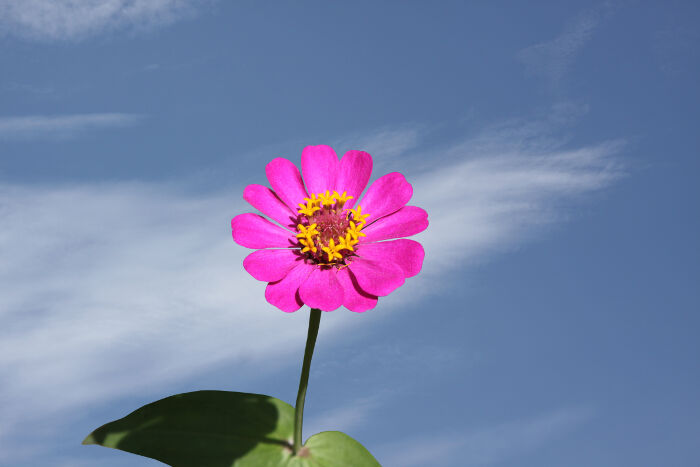
Why is the plant in the picture a vascular plant?
a)
it can absorb light from the sun
b)
it has a stem that can carry water and nutrients
c)
it has more than one cell
d)
it can make it's own foo
32.
What is a vertebrate?
a)
Animals that live in water.
b)
Animals that live on land.
c)
An animal with a backbone.
d)
Animals that are advanced/complex.
33.
What is an invertebrate?
a)
Any animal that lives in water.
b)
Animals with no organs.
c)
Animals that lay eggs.
d)
An animal without a backbone.
34.
Mammals, fish, reptiles, amphibians, and birds are all __________________.
a)
invertebrates
b)
vertebrates
c)
good pets
35.

This animal is vertebrate or invertebrate?
a)
Invertebrate
b)
Vertebrate
36.

This animal is vertebrate or invertebrate?
a)
Vertebrate
b)
Invertebrate
37.
All animals are either
a)
single celled or multicelled
b)
radially symmetrical or bilaterally symetrical
c)
have backbones or notochords
d)
vertebrates or invertebrates
38.

My body is cold, am covered in scales, use gills to breathe under water, and I lay eggs. What am I?
a)
Fish
b)
Mammal
c)
Reptile
d)
Amphibian
39.

I am covered in dry scales and I lay eggs. What am I?
a)
Mammal
b)
Fish
c)
Amphibian
d)
Reptile
40.

My body is warm and covered in feathers. I lay eggs which hatch into chickens. What am I?
a)
Reptile
b)
Amphibian
c)
Mammal
d)
Bird
41.

My body is moist and smooth, I lay eggs, and live in or near the water. What am I?
a)
Amphibian
b)
Reptile
c)
Bird
d)
Fish
42.

This lion is a mammal because...
a)
It has a backbone.
b)
It has fur/hair
c)
It is ectothermic.
d)
It lays eggs.
100 %

