wayground logo

Free Printable Worksheets

Font size

S
M
L
XL
Worksheets

Budgeting 101

Total questions: 74

Worksheet time: 41mins

Name
Class
Date
1.
What is the first step in budgeting?
a)
Record what you spend
b)
Estimate your income
c)
Set financial goals
d)
Review and evaluate monthly
2.
Your emergency savings fund should have how many months worth of income?
a)
1-2 months
b)
10 months
c)
It doesn't matter
d)
3-6 months
3.
All of the following are examples of supplemental income, except
a)
Child support
b)
Disability
c)

Workman's comp
d)
Your regular paycheck
4.
Which of the following is NOT a need?
a)
Food
b)
Clothes
c)
Netflix
d)
Shelther
5.
Income earned as salary or wages before taxes and other deductions
a)
Gross income
b)
Net income
6.
The best way to eliminate expenses is to...
a)
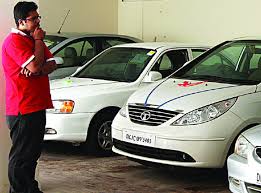
Go to jail 
b)
get a cellmate
c)
get a roommate
d)
stop eating 
7.
A budget only works if.....
a)
You are willing to follow it
b)
if someone else creates it
c)
your parents give you money 
8.
The rule "pay yourself first" means to 
a)
Save and invest first 
b)
Have fun before you pay the bills 
c)
Only cash your checks
9.
Budgets should contain goals:
a)
True
b)
False 
10.
Money set aside for an unplanned costly event
a)
Income
b)
Budget
c)
Discretionary Income
d)
Emergency Funds
11.
What does it mean to "live within your means"?
a)
use credit excessively
b)
spend what you make (or less)
c)
repay college loan debts before other debt
d)
spend more $ than you make
12.
What is something financially wise consumers do?
a)
postpone major purchases until money can be saved for it
b)
spend now, figure out how to pay for it later
c)
worry about emergencies when they happen
d)
set only short term financial goals
13.
Which of the following is NOT a wise financial decision?
a)
using credit for everything
b)
saving for the future
c)
writing down expenses to track spending
d)
creating a budget based on your NET income
14.
what are your expenses?
a)
money you save
b)
money you spend on things
c)
money you put away for taxes
d)
all of these
15.
Why budget?
a)
prevent debt
b)
plan for future
c)
save money
d)
all of these
16.
What percentage of monthly income is recommended for spending on housing/ rent?
a)
10%
b)
25%
c)
30%
d)
50%
17.
Gasoline
a)
fixed expense
b)
expected expense
c)
unexpected expense
d)
variable expense
18.
Rent/mortgage
a)
fixed expense
b)
unexpected expense
c)
variable expense
d)
anticipated income
19.
Entertainment
a)
fixed expense
b)
unexpected expense
c)
unanticipated expense
d)
variable expense
20.
Utilities
a)
unexpected expense
b)
anticipated income
c)
variable expense
d)
unanticipated income
21.
Being in the RED
a)
surplus
b)
deficit
c)
anticipated income
d)
unanticipated income
22.
A tax-advantaged investment vehicle in the United States designed to encourage saving for the future higher education 
a)
scholarship
b)
grant
c)
529 plan
d)
student loan
23.
Your tire goes flat while you are driving down the road and it costs $70 to fix it. This is:
a)
anticipated income
b)
anticipated expense
c)
unanticipated income
d)
unanticipated expense
24.
Money a person receives for school that is for a particular purpose.
a)
scholarship
b)
grant
c)
529 plan
d)
student loan
25.
Allowance, wages, tips, and interest earned over time are 
a)
Income
b)
Savings
c)
Fixed Income
d)
Budget
26.
Earnings you take home after deductions are
a)
Gross Pay
b)
Net Pay
c)
Income
d)
Savings
27.
Regular expenses you pay each month that are consistently the same amount are
a)
Variable expenses
b)
Flexible expenses
c)
Fixed expenses
d)
Budgeted expenses
28.
Earnings before deductions are 
a)
Net pay
b)
Gross pay
c)
Take home pay
d)
Revenue
29.
Protects you against unexpected expenses
a)
Income
b)
Salary
c)
Savings
d)
Wages
30.
After estimating your annual income and expenses you need to divide by what number to calculate your monthly income and expenses?
a)
6
b)
12
c)
24
d)
365
31.
An example of a variable (flexible) expense is
a)
Car Insurance
b)
Rent
c)
Entertainment
d)
Student loan payment
32.
A plan for using your money is
a)
an Outline
b)
your net pay
c)
a budget
d)
your check register
33.
Expenses that change from month to month are 
a)
Fixed expenses
b)
Net Income
c)
Variable expenses
d)
Important expenses
34.
An example of a fixed expense is 
a)
Groceries
b)
Heat for your apartment
c)
Car payment
d)
Entertainment
35.
Your "take home pay" is also known as your 
a)
gross pay
b)
total income
c)
salary
d)
net pay
36.
Flexible expenses stay about the same each month.
a)
True
b)
False
37.
Once you create a budget, it is a good idea to never change it.
a)
True
b)
False
38.
A good practice for staying within your budget especially if your income varies is to 
a)
estimate your income as more than you think you will receive
b)
estimate your income as less than you think you will receive
c)
don't estimate your income as all
d)
put any number you want
39.
The amount of money you earn that you actually take home is your 
a)
gross pay
b)
net pay
c)
total pay
d)
neat pay
40.
You need this in your budget for long-range goals like taking a vacation.
a)
Gross pay
b)
net pay
c)
savings
d)
none of these
41.
Choose the example that is a clearly written financial goal.
a)
Save money for college for the next four years
b)
pay off credit card bills for the next 6 months
c)
invest in a 401k for retirement
d)
establish an emergency fun of $2,000 in 5 months
42.
Most short-term goals are based on activities over the next 
a)
1 year or less
b)
3-4 years
c)
5-10 years
d)
more than 10 years
43.
A(n) _______ is a payment for a good or service
a)
budget
b)
expense
c)
income
d)
cash flow
44.
________ is a yearly income that may be paid weekly, bi-monthly or monthly.
a)
salary
b)
net worth
c)
asset
d)
cash flow
45.
Assets – Liabilities = _____. You find this on a personal balance sheet.  We use it to measure wealth.
a)
cash flow
b)
income
c)
net worth
d)
budget
46.
A(n) __________ is a financial obligation that must be paid such as a home or car loan.
a)
asset
b)
expense
c)
income
d)
liability
47.
Money left after all essentials have been paid for is called ____________.
a)
deficit
b)
commission
c)
discretionary income
d)
net pay
48.
_____________ is the amount earned before any taxes or deductions are taken out.
a)
net worth
b)
net income
c)
gross income
d)
gross margin
49.
A(n) _________ is a plan for managing your money for a given period of time.
a)
budget
b)
income
c)
finances
d)
expenses
50.
Money received generally for earnings, gifts, and/or payment for goods or services,  is called _____________.
a)
liability
b)
assets
c)
expenses
d)
income
51.
When you spend more money than you bring in you are operating in a(n) _________________.
a)
surplus
b)
deficit
c)
debt
d)
downfall
52.
Take home pay or _____ is the money left after taxes and deductions have been taken out.
a)
net pay
b)
gross pay
c)
net worth
d)
gross worth
53.
A worksheet listing your assets, liabilities, and net worth is called a(n) ________
a)
personal balance sheet
b)
budget
c)
spreadsheet
d)
commissions
54.
_________ is pay by the hour.
a)
Salary
b)
Hourly Wage
c)
Gross Pay
d)
Commission
55.
The 3 different types of expenses include all EXCEPT the following.
a)
fixed
b)
liquid
c)
variable
d)
periodic
56.
Rent is an example of what type of expense?
a)
variable
b)
fixed
c)
periodic
57.

How do wages and salary differ?

a)

Wages describe what you earn on an annual basis

b)

Salary describes what you earn on an annual basis

c)

Wages mean you have a standard amount in each paycheck

d)

Salaried employees are likely to be paid for overtime

58.

Which of the following are TRUE about gross income and net income?

a)

Gross income and net income are the same

b)

Net income is sometimes called "take home pay"

c)

Gross income is the total amount earned before deductions

d)

Net income is the total amount earned before deductions

59.

It's common to have all of the following expenses BEFORE signing a lease EXCEPT...

a)

Renter's Insurance

b)

Application fee

c)

Application deposit

d)

Apartment hunting expenses

60.

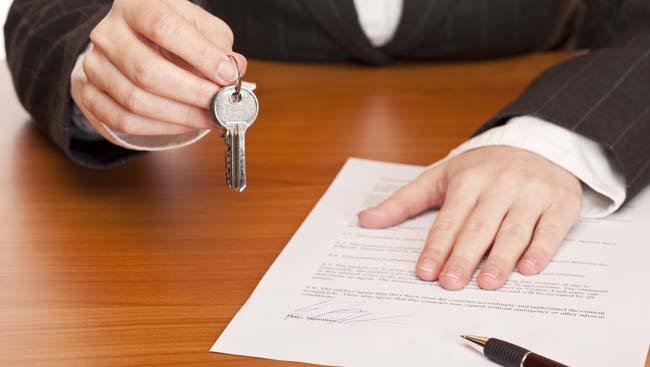
Which of the following might you pay WHEN you sign your lease?

a)

Finder's fee

b)

Application fee

c)

Security deposit

d)

Renter's insurance

61.

According to a rule of thumb, rent shouldn't take up more than ___ % of your take-home pay.

a)

7-12%

b)

10-15%

c)

15-20%

d)

25-30%

62.

Which of the following would typically NOT be covered under renter's insurance?

a)

A friend slips and twists his ankle in your living room

b)

Your apartment is broken into and your laptop is stolen

c)

A fire destroys 80% of your belongings

d)

Your apartment is flooded, destroying your furniture
63.

Which of the following is a step you can take to mitigate the risk of buying a used car?

a)

Get a vehicle history report

b)

Have a mechanic inspect the car after you buy it

c)

Skip the test drive; you have time after you buy it to drive

d)

But a certified, pre-owned car from the dealer
64.

Which of the following is NOT a cost of owning a car?

a)

License and Registration fees

b)

Gasoline

c)

Utilities

d)

Insurance

65.

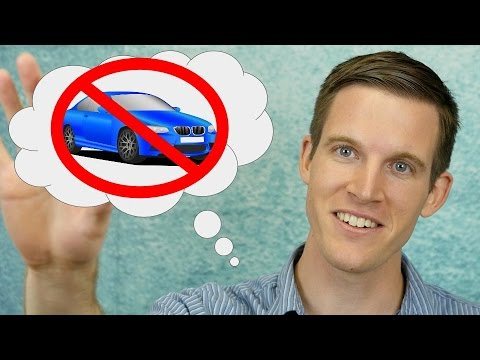
Which of the following reasons would explain why Justin has decided to forgo owning a car?

a)

Public transportation infrastructure does not exist

b)

The walking score in his city is high

c)

He only has his driver's permit

d)

There are numerous car dealerships in his area
66.

About how much of your income should go towards transportation?

a)

5-10%

b)

15-20%

c)

25-30%

d)

35-40%

67.

Jenna wants to decrease the amount of $ she spends on food. Which of the following would help?

a)

Decide what she will make for dinner that same day

b)

Go to the grocery store with a list

c)

Go to the store whenever she needs 1-2 items

d)

Keep staple foods (e.g. beans, rice) readily stocked

68.

A 18oz box of cereal costs $4.99. How would you calculate the unit price?

a)

18oz / $4.99

b)

9 oz / $2.50

c)

$4.99 / 18oz

d)

(18oz) x ($4.99)

69.

6 cans of tomato soup cost $14.99. What is the unit price?

a)

About $1.50

b)

About $2.50

c)

About $3

d)

About $3.50

70.

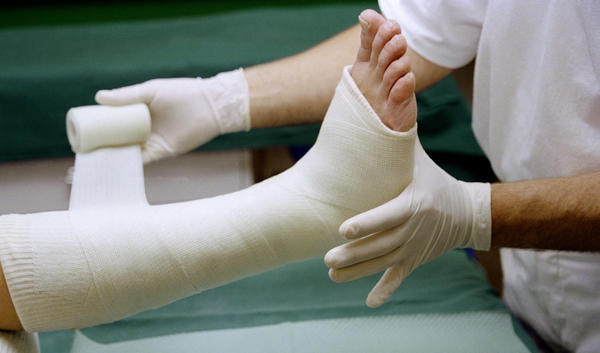
Jabar broke his leg while riding his bike. How does having health insurance help him?

a)

Jabar will likely have to pay $0 towards his medical costs

b)

Jabar will likely have to cover 100% of his medical costs

c)

Jabar will likely owe a portion of his medical costs

d)

Having health insurance makes no difference
71.

What is a deductible?

a)

The cost you and your insurance share

b)

The amount your insurance pays before you pay

c)

The discount you get on your health insurance every year

d)

The amount you pay before your insurance begins to pay
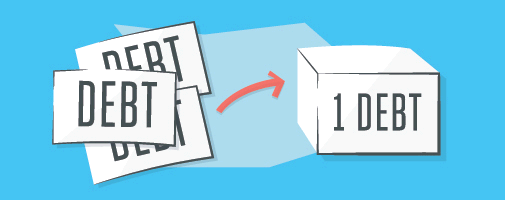
72.

How can consolidating your student loans help your budget?

a)

You'll pay more in interest over time

b)

You can manage your money more easily since you're making just one payment

c)

Your monthly payment may decrease

d)

Your interest rate is guaranteed to decrease
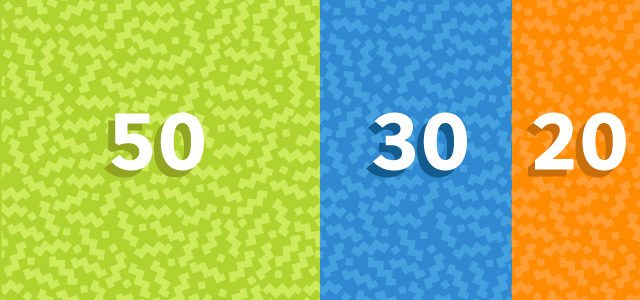
73.

How does the 50/30/20 rule of thumb for budgeting allocate your income?

a)

50% Needs, 30% Wants, 20% Savings & Debt Repayment

b)

50% Wants, 30% Needs, 20% Savings & Debt Repayment

c)

50% Savings & Debt Repayment, 30% Wants, 20% Needs

d)

50% Needs, 30% Savings & Debt Repayment, 20% Wants
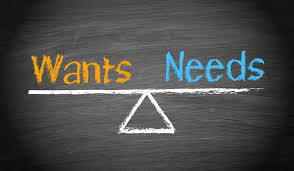
74.

Which of the following is an example of buying something you NEED?

a)

"I want to replace something that is no longer working."

b)

"I want to impress someone/ change how they feel about me."

c)

"I'm feeling down, and I need to boost my spirits."

d)

"I don't want to miss out on these deals during the sale!"