wayground logo

Free Printable Worksheets

Font size

S
M
L
XL
Worksheets

Chem Reactions (atoms, elements, compounds and mixtures)

Total questions: 197

Worksheet time: 3hrs 32mins
Name
Class
Date
1.
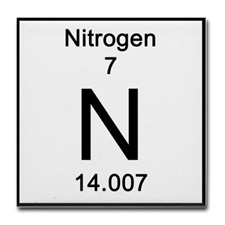
What is the number of protons that the element in this image contain?
a)
14
b)
7
c)
15
d)
18
2.
The first energy level can hold up to how many electrons?
a)
8
b)
4
c)
2
d)
5
3.
What is the atomic mass of "F"
a)
9
b)
18
c)
17
d)
19
4.
all matter is made of what 
a)
energy 
b)
atoms 
c)
electrons 
d)
compounds 
5.
The positive particles of an atom are 
a)
electrons 
b)
positrons 
c)
neutrons 
d)
protons 
6.
the central region of an atom where its neutrons and protons are is its 
a)
nucleus 
b)
electron cloud
c)
core 
d)
center 
7.
an atom with atomic number 6 would have how many protons 
a)
6
b)
12
c)
3
d)
cannot be determined 
8.
Particles in an atom that are neutral and have no charge are 
a)
negatrons 
b)
electrons 
c)
neutrons 
d)
protons 
9.
An atoms overall charge is 
a)
positive 
b)
depends on its mood 
c)
neutral 
d)
negative 
10.
Which of the following is a negatively charged subatomic particle?
a)
Electron
b)
Proton
c)
Neutron
d)
Quark
11.
The particles that are found in the nucleus of an atom are
a)
neutrons and electrons
b)
electrons only
c)
protons and neutrons
d)
protons and electrons
12.
The atomic number of an elements is the total number of which particles in the nucleus?
a)
neutrons
b)
protons
c)
electrons
d)
protons and electrons
13.
Which of the following is a subatomic particle with no charge that is found in the nucleus of an atom?
a)
Electron
b)
Proton
c)
Neutron
d)
Quark
14.
Where are electrons of an atom found?
a)
Nucleus
b)
Electron Cloud
c)
Some are in the nucleus and some in the electron cloud.
d)
They are moving everywhere.
15.
What is the atomic symbol for sodium?
a)
Na
b)
So
c)
NaCl
d)
S
16.
What is the atomic number for an element with three protons?
a)
2
b)
1
c)
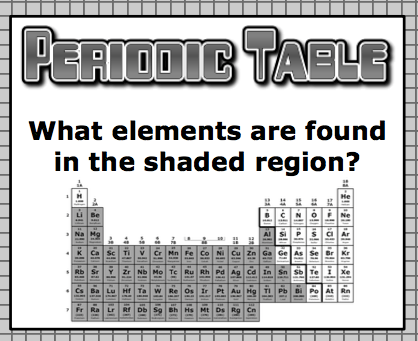
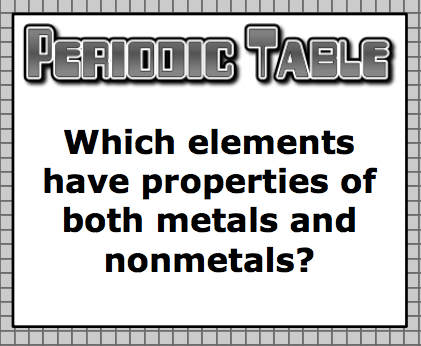
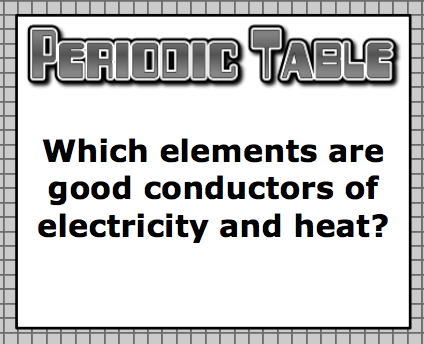
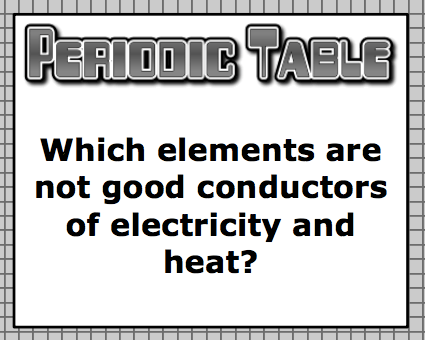
3
d)
6
17.
Most of the mass in an atom is concentrated in the...
a)
electrons
b)
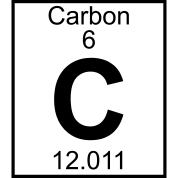
nucleus
c)
protons
d)
empty space
18.

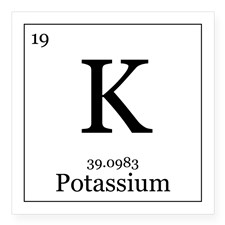
How many neutron are in the atom "K"?

a)

7

b)

2

c)

39

d)

20

19.
What is the number of protons that the element in this image contain?
a)
14
b)
7
c)
15
d)
18
20.
What the number of eletrons that this carbon have?
a)
10
b)
12
c)
6
d)
14
21.
How many electrons does Si contain? (click to see image)
a)
14
b)
28
c)
2
d)
None of these
22.
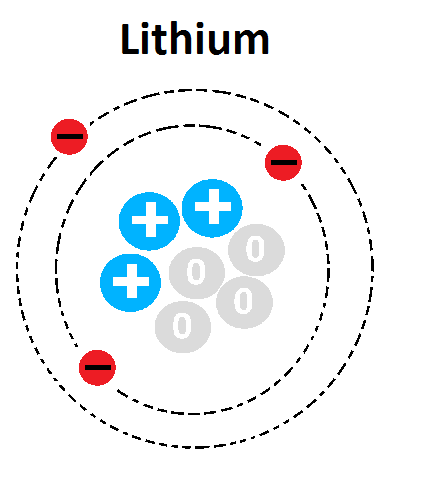
What element is represented in this Bohr Model? 
a)
Carbon
b)
Hydrogen
c)
Aluminum
d)
Lithium
23.
What is the atomic number of this atom?
a)
2
b)
4
c)
6
d)
none of the above
24.
What is the mass number of this atom?
a)
1
b)
3
c)
4
d)
7
25.
Carbon-12 has 6 protons and 6 neutrons. How many electrons will orbit the nucleus?
a)
12
b)
6
c)
3
d)
18
26.
What is the center of the atom called?
a)
Orbital
b)
Nucleus
c)
Proton
d)
Electron shell
27.
In the Bohr model of the atom, what is the maximum number of electrons in the first shell?
a)
1
b)
2
c)
6
d)
8
28.
In the Bohr model of the atom, what is the maximum number of electrons in the second orbital?
a)
8
b)
2
c)
1
d)
18
29.
A(n)    is matter that is composed of one type of atom.
a)
compound
b)
mixture
c)
element
d)
molecule
30.
The smallest piece of an element that still retains the properties of the element is a(n)

a)
atom
b)
molecule
c)
compound
d)
plasma
31.
Each energy level of an atom has a maximum number of   ____ it can hold
a)
neutrons
b)
protons
c)
quarks
d)
electrons
32.
A chemical symbol represents the    of an element.
a)
name
b)
structure
c)
reaction
d)
type
33.
           Atoms of the same element with different numbers of neutrons are called   .
a)
metalloids
b)
radioactive
c)
transition elements
d)
isotopes
34.
A particle that moves around the nucleus is a(n)   .
a)
proton
b)
ion
c)
neutron
d)
electron
35.
A certain atom has 26 protons, 26 electrons, and 30 neutrons. Its mass number is ____.
a)
26
b)
30
c)
52
d)
56
36.
Which of the following are transferred or shared when two atoms react chemically?
a)
Protons
b)
Neutrons
c)
Electrons
d)
Nucleons
37.
Looking at a model of the atom, particles located within the nucleus that are positively charged are called 
a)
electrons
b)
nucleons
c)
protons
d)
neutrons
38.
Looking at a model of the atom, particles located within the nucleus that have a no charge are called
a)
neutrons
b)
protons
c)
electrons
d)
nucleons
39.
Protons and neutrons together are known as
a)
neutrons
b)
protons
c)
electrons
d)
 Atomic Mass
40.
The number of protons in a neutral atom is equal to the number of
a)
ions
b)
electrons
c)
neutrons
d)
isotopes
41.
Cobalt (atomic number 27) is necessary for growth and is present in vitamin B12. The only naturally occurring isotope of the element cobalt has a mass number of 59. How many neutrons are in cobalt?
a)
59
b)
32
c)
27
d)
86
42.
Calcium (atomic number 20) is an element needed for the development of bones and teeth in humans. How many electrons does a neutral atom of calcium contain?
a)
20
b)
60
c)
0
d)
40
43.
In the Bohr model of the atom, electrons are
a)
 located in a probability cloud around the nucleus.
b)
 located in the nucleus.
c)
 located in oval rings around the nucleus.
d)
 located in distinct orbitals around the nucleus.
44.
Use the diagrams to answer the following question. Which of the diagrams represents the size of the nucleus in comparison to the size of the atom?
a)
Figure A
b)
Figure B
c)
Figure C
d)
Figure D
45.
Which of the following is the SMALLEST of the sub-atomic particles?
a)
Neutron
b)
Electron
c)
Nucleon
d)
Proton
46.
Which of the following are most similar in mass? 
a)
Proton and electron
b)
Neutron and electron
c)
Proton and cation
d)
Proton and neutron
47.
If the mass number of an element is the total number of protons and neutrons located in the nucleus, how many protons does chlorine have if its atomic number is 17 and its mass number is 35?
a)
0
b)
35
c)
18
d)
17
48.
The substance sodium is abundant in the ocean as an ion dissolved in water. In order for an atom to become an ion which of the following needs to occur?
a)
 Electrons are lost or gained.
b)
 Neutrons are lost or gained.
c)
 Protons are lost or gained.
d)
 Nucleons are lost or gained
49.
Use the diagram to answer the following question. The mass number is the number of protons and neutrons in an atom. How many protons does the element, lithium, contain?
a)
4
b)
7
c)
10
d)
3
50.

In an atom that is neutral, there will always be the same number of

a)

protons and neutrons

b)

protons and electrons

c)

electrons and neutrons

51.

An atom of the element ____________has an average atomic mass of about 19 amu.

a)

oxygen

b)

sulfer

c)

nitrogen

d)

flourine

52.

Which is an example of an element?

a)

salt (NaCl)

b)

water (H2O)

c)

silver (Ag)

d)

electron (e-)

53.

Which of the following diagrams is the correct model for the element nitrogen?

a)

A

b)

B

c)

C

d)

D

54.
How many neutrons in C-14?
a)
6
b)
7
c)
14
d)
8
55.
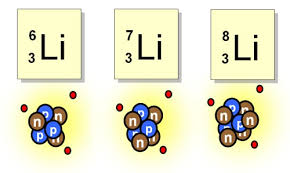
How many neutrons does the isotope of lithium have?
a)
8
b)
3
c)
4
d)
5
56.
What quantities vary between isotopes of an element?
a)
protons, electrons, and atomic mass
b)
protons, electrons, and atomic number
c)
neutrons and electrons
d)
neutrons and atomic mass
57.
which atom has  4 neutrons?
a)
Li-6
b)
Li-7
c)
Li-8
d)
they have the same # of neutrons
58.

What does the 1.00794 stand for?

a)

Hydrogen

b)

atomic number

c)

average atomic mass

d)

atomic explosion

59.
Most of the mass in an atom is made up of _____________________?
a)
protons and electrons
b)
protons and neutrons
c)
neutrons and electrons
d)
electrons and quarks
60.
What is in the nucleus of an atom?
a)
Neutrons and protons 
b)
Protons
c)
Protons and Electrons
d)
Electrons and Nuetrons
61.
What do these isotopes of carbon all have in common?
a)
neutrons & mass number
b)
atomic number and neutrons
c)
atomic number and electrons
d)
protons, atomic number, and mass number
62.
What is an ion?
a)
A Charged Atom
b)
A Large Atom
c)
A Small Atom
d)
A Cute Atom
63.
Why are ions formed?
a)
To make our lives difficult
b)
Because atoms want 8 valence electrons
c)
Because atoms have the same number of protons and electrons
d)
Because atoms gained neutrons
64.
Cations are...
a)
Positive
b)
Negative
c)
Neutral
d)
Purring
65.
Anions are...
a)
Positive
b)
Negative
c)
Neutral
d)
Crying
66.
An atom becomes _________ when it gains electrons.
a)
Positive
b)
Negative
c)
Neutral
d)
Invinsible
67.
An atom becomes _______ when it loses electrons.
a)
Positive
b)
Negative
c)
Neutral
d)
Invinsible
68.
Which particles change the charge in atoms when ions are formed?
a)
Protons
b)
Electrons
c)
Neutrons
d)
Kittens
69.
Ions are: 
a)
atoms with a positive or negative charge
b)
atoms with no charge
c)
atoms with ONLY a positive charge
d)
atoms with ONLY a negative charge
70.
A model of an atom that shows all of the electrons in their energy levels (shells) is called 
a)
electron dot diagram
b)
valence electrons
c)
Bohr Model
71.
This is the force of attraction that holds atoms together 
a)
force of the universe
b)
gluey bond
c)
chemical bond
72.
?
a)
Lithium
b)
Boron
c)
Carbon
d)
Neon
73.
What is the atomic number of this atom?
a)
2
b)
4
c)
6
d)
none of the above
74.
What is the atomic mass of this atom?
a)
1
b)
3
c)
4
d)
7
75.
What is the center of the atom called?
a)
Orbital
b)
Nucleus
c)
Proton
d)
Electron shell
76.
What is the charge of a neutron?
a)
Positive
b)
Negative
c)
Neutral/no charge
77.
In the Bohr model of the atom, what is the maximum number of electrons in the first shell?
a)
1
b)
2
c)
6
d)
8
78.
The "plum pudding" model was proposed by:
a)
Moseley
b)
Millikin
c)
Democritis
d)
JJ Thomson
79.
"Everything is composed of atoms" was stated by:
a)
Democritis
b)
Dalton
c)
Moseley
d)
Einstein
80.
John Dalton stated:
a)
elements are made of atoms
b)
atoms of a given element are identical
c)
atoms cannot be subdivided, created, nor destroyed
d)
all of the above
81.
The scientist responsible for "discovering" the nucleus is:
a)
Bohr
b)
Rutherford
c)
Schroedinger
d)
Einstein
82.
The Billiard Ball is the nickname for ________ theory.
a)
Dalton
b)
Neils Bohr
c)
JJ Thomson
d)
Ernest Rutherford
83.
Which scientist developed the atomic theory?
a)
JJ Thomson
b)
Ernest Rutherford
c)
John Dalton
d)
James Chadwick
84.
JJ Thomson's theory was nicknamed _______.
a)
Billiard Ball Theory
b)
Solar System Theory
c)
Electron Cloud
d)
Plum Pudding
85.
Who discovered the proton?
a)
Thomson
b)
Dalton
c)
Bohr
d)
Rutherford
86.
James Chadwick discovered the ________.
a)
proton
b)
neutron
c)
electron
d)
nucleus
87.
Which of the following is a sign that a chemical reaction has occurred?
a)
change in shape
b)
melting
c)
formation of a gas
d)
dissolving
88.
Is melting butter for popcorn a chemical or physical change?
a)
chemical
b)
physical
89.
A change where one or more new substances are created.
a)
Physical Change 
b)
Chemical Change 
90.
Change in density is a physical change.
a)
True
b)
False
91.
Fizzing, foaming, and burning are all examples of
a)
Chemical change
b)
Physical change
92.
Rust on an iron bar is an example of chemical change.
a)
True 
b)
False
93.
which one can be found on the periodic table
a)
Compound 
b)
Element
94.
Which of the following is not a compound?
a)
HCl
b)
Cl
c)
NaCl
d)
CO2
95.
Which of the following represents an element?
a)
H2O
b)
H2
c)
NaCl
d)
CaCO3
96.
The properties of the elements that make up a compound are usually very similar to the compound itself.
a)
True
b)
False
97.
A compound consists of two or more elements bound together.
a)
True
b)
False
98.
A substance made by mixing other substances together and being able to then separate is the definition of a
a)
Combination
b)
Solution
c)
Mixture
99.
Can a mixture be separated? 
a)
No
b)
Yes
c)
Only sometimes
100.
Which of the following substances is a compound? 
a)
oxygen
b)
salt
c)
helium
101.
What is salad?
a)
element
b)
compound
c)
mixture
102.
The basic unit of matter is
a)
a mixture
b)
a substance
c)
an atom
d)
a compound
103.
A substance that contains only one type of atom is a(n)
a)
compound
b)
element
c)
heterogeneous mixture
d)
homogeneous mixture
104.
Which of these is a pure substance?
a)
bread
b)
table salt
c)
garden soil
d)
sea water
105.
Which of these is a mixture?
a)
Uncooked chocolate chips and cookie dough blended together with a spoon.
b)
Distilled water
c)
A nugget of gold
d)
A molecule of Oxygen
106.
Atoms of an element always have a certain number of
a)
neutrons
b)
protons
c)
electrons
d)
ions
107.
Two or more elements chemically combined:
a)
an atom
b)
a compound
c)
a mixture
d)
a pure substance
108.
A mixture that appears to be evenly mixed throughout:
a)
an atom
b)
a compound
c)
a homogeneous mixture
d)
a heterogeneous mixture
109.
 mixture that does NOT appear to be evenly mixed throughout:
a)
an atom
b)
a compound
c)
a homogeneous mixture
d)
a heterogeneous mixture
110.
What is a pure substance made of two or more elements that are chemically combined called?
a)
A. element
b)
B. compound     
c)
C. mixture
d)
D. solution
111.
What is formed when particles of two or more substances are distributed evenly among each other?
a)
A. compound     
b)
B. suspension     
c)
C. solution
d)
D. element
112.
Italian dressing
a)
A. HOMOGENEOUS
b)
B. HETEROGENEOUS
113.
This picture represents which of the following?
a)
Element
b)
Compound
c)
Mixture
114.
This picture represents which of the following?
a)
element
b)
compound
c)
mixture
115.
This picture represents which of the following?
a)
element
b)
compound
c)
mixture
116.
Examples are milk and gasoline.
a)
elements
b)
mixtures
c)
compounds
117.
What is gold?
a)
element
b)
compound
c)
mixture
118.
Is this equation balanced?
a)
yes
b)
no
c)
Not enough information
119.
Is this equation balanced?
a)
yes
b)
no
c)
Not enough information
120.
Is the equation balanced?: 2H2O + O2 --> 4MgO + 3Fe
a)
Yes
b)
No
121.
Balance this equation
_N+ _H--> _NH3
a)
1,2,3
b)
1,3,2
c)
1,1,2
d)
2,1,1
122.
What does the Law of Conservation of Mass state?
a)
Matter cannot be gained or lost in a chemical reaction.
b)
Matter can only be lost in a chemical reaction.
c)
Matter can only be gained in a chemical reaction.
d)
Matter can be gained and lost in a chemical reaction. 
123.
What does the Law of Conservation of Mass state?
a)
Matter cannot be gained or lost in a chemical reaction.
b)
Matter can only be lost in a chemical reaction.
c)
Matter can only be gained in a chemical reaction.
d)
Matter can be gained and lost in a chemical reaction. 
124.
What is the little number after an element in a chemical equation called.
Example: H2
a)
Coefficient 
b)
Subscript
c)
Atom
d)
Equation
125.
What is the arrow in a chemical equation...
H2 + O --> H2O
a)
Reactants
b)
Products 
c)
Yields 
d)
Chemical Equation 
126.
At the end of chemical reactions, what is the total mass of the reactants compared to the total mass of the products?
a)
the product is doubled
b)
the product is half the mass of the reactants
c)
the mass is the same
d)
the mass changes depending on the reaction
127.
What is a coefficient?
a)
The small number on the right of the chemical symbol.
b)
The large number to the left of a formula.
128.
How many atoms of aluminum are on each side of the following equation: 4Al + 3O--> 2AlO3
a)
2
b)
6
c)
1
d)
4
129.

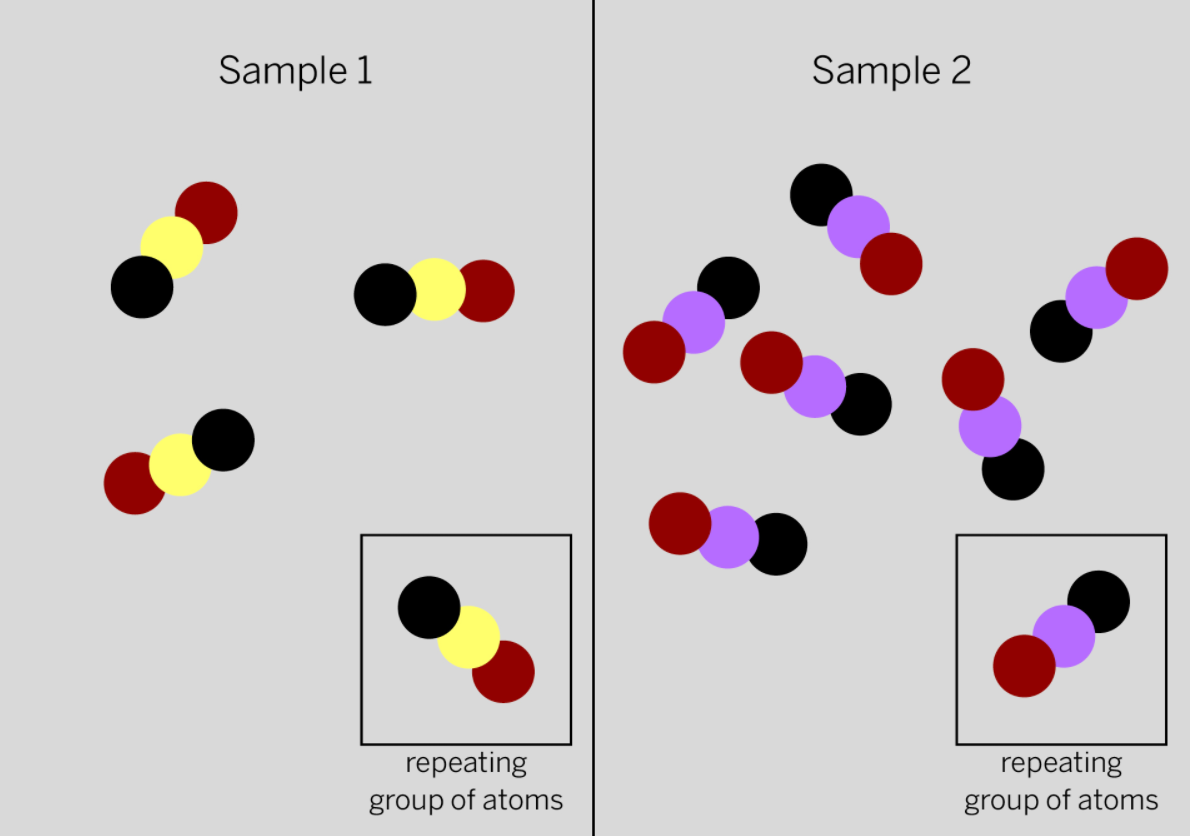
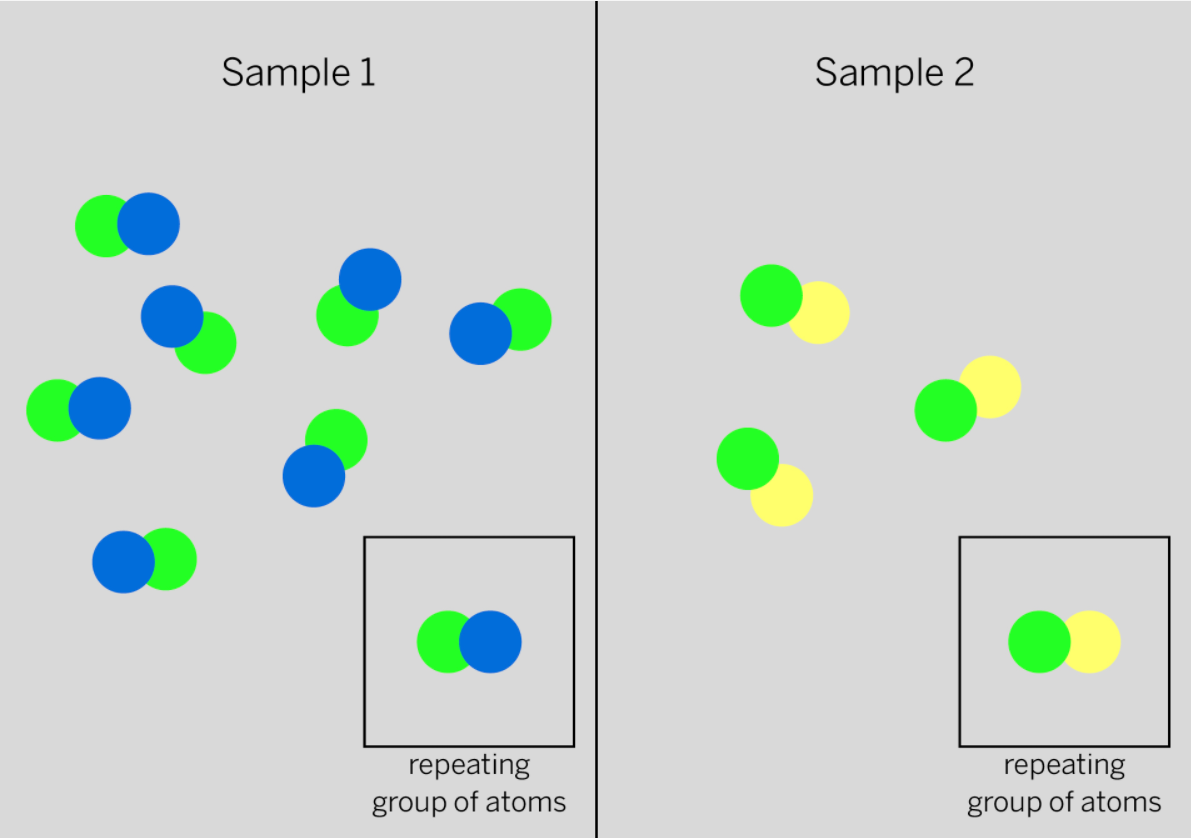
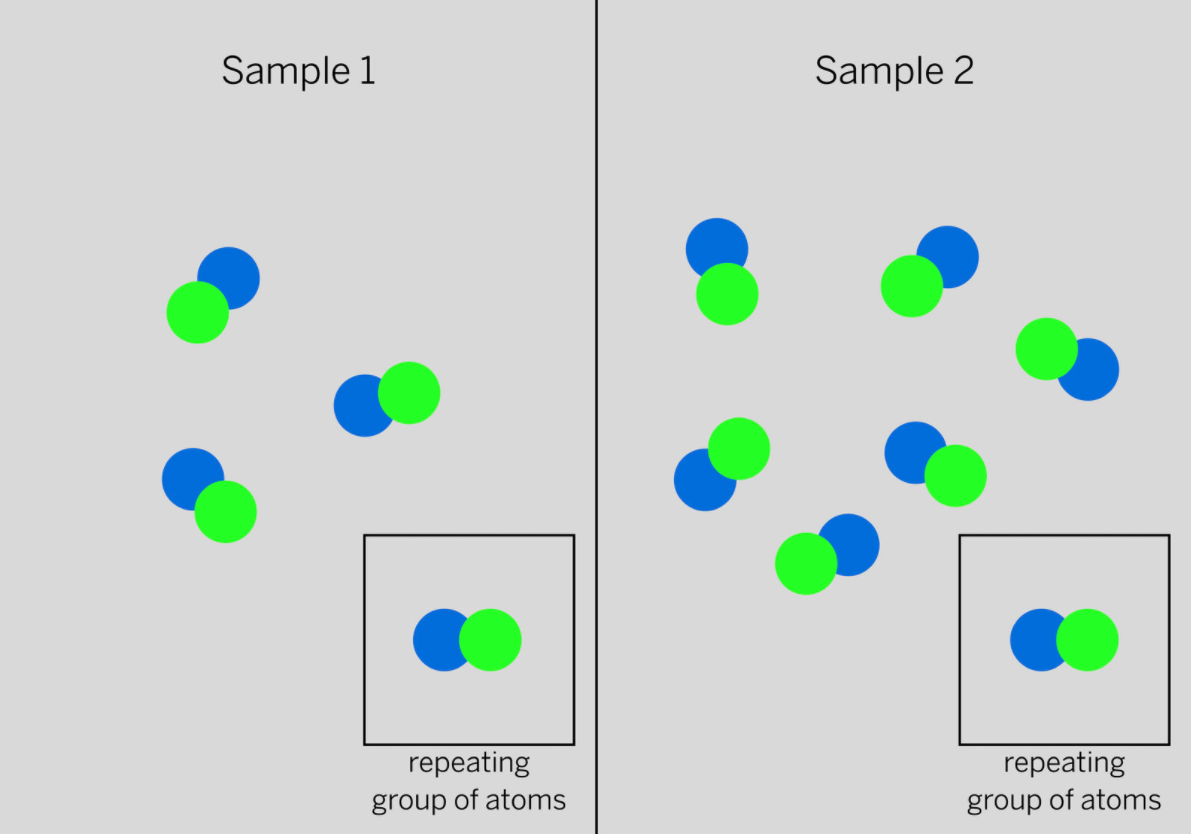
The diagram above shows the repeating groups of atoms that make up two samples. Will the properties of the two samples likely be the same or different? (Examples of properties are smell, color, and the temperature at which a substance melts.)

a)

The properties will likely be different because the repeating groups of atoms that make up each sample are different.

b)

The properties will likely be different because there are more repeating groups of atoms in Sample 2.

c)

The properties will likely be the same because the repeating groups of atoms that make up the two samples have the same number of atoms.

d)

The properties will likely be the same because the repeating groups of atoms that make up the two samples have two of the same types of atoms.
130.

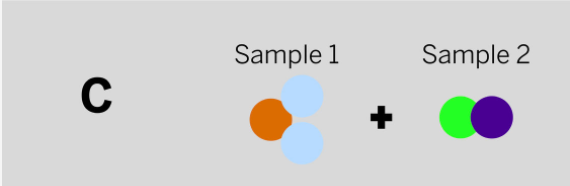
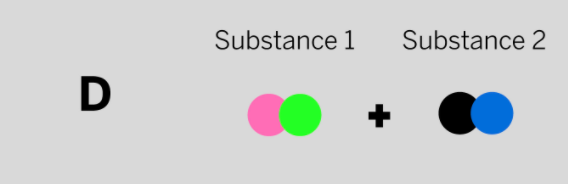
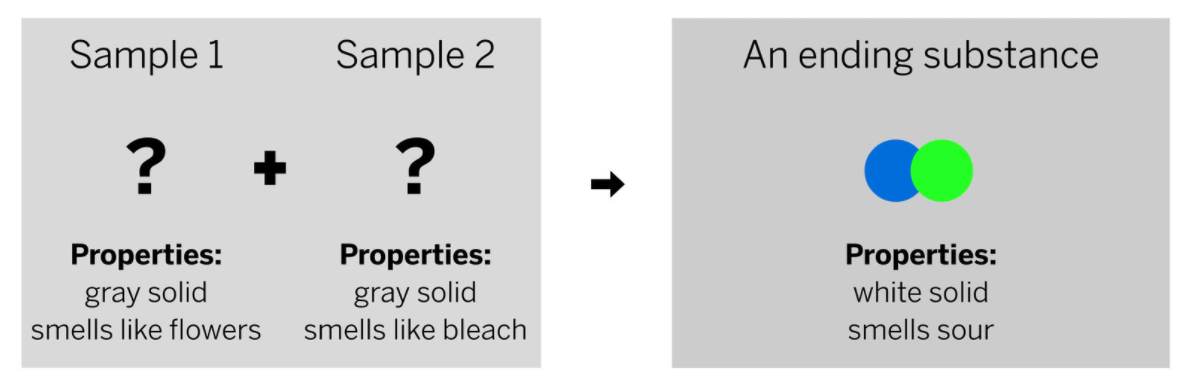
Serena mixed two samples together: a gray solid that smells like flowers and a gray solid that smells like bleach. She analyzed the results and found two ending substances. One of the ending substances was a white solid. This ending substance is made up of the repeating group of atoms shown above. Which of the diagrams to the left shows the repeating groups of atoms that make up the samples Serena mixed together?
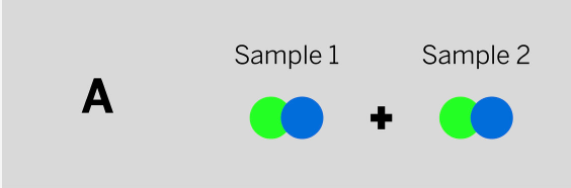
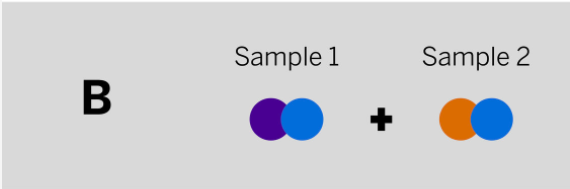
a)
b)
c)
d)
131.

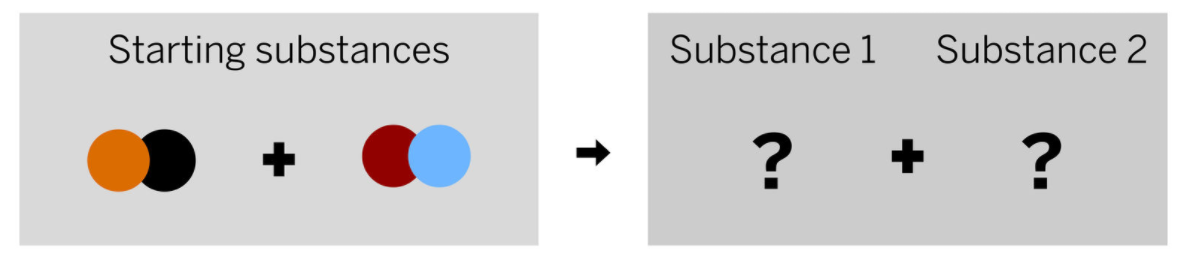
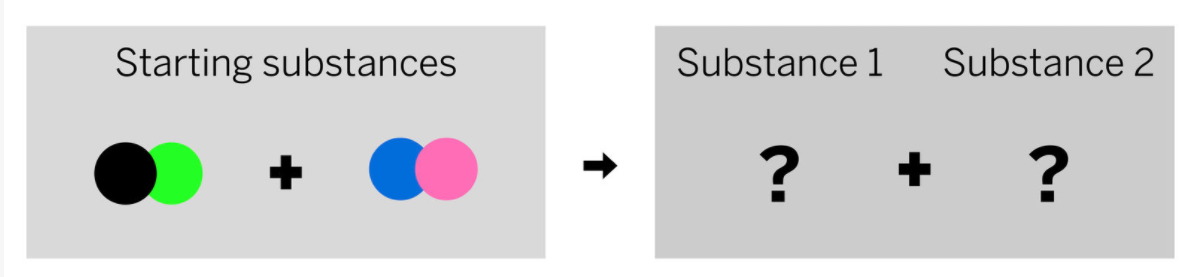
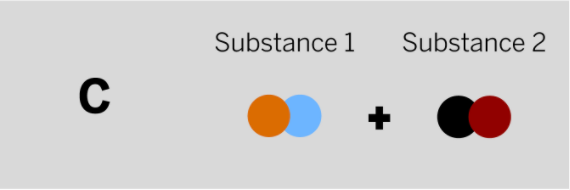
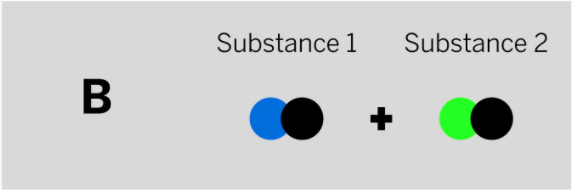
Tiana is a chemist who is making a chemical to add to swimming pools in order to make the water safer. She mixed two solid substances together in a sealed container. The diagram above shows the repeating groups of atoms that make up the two starting substances.

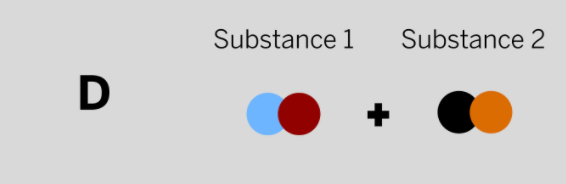
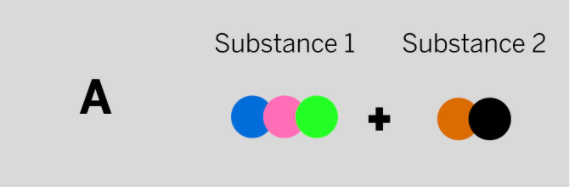
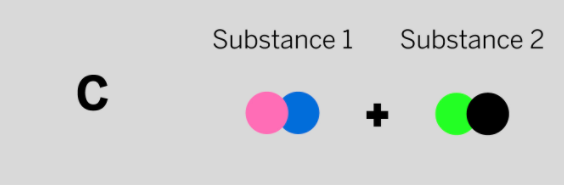
After mixing, Tiana found two liquid substances in the sealed container. (Nothing had escaped.) Which of the diagrams to the left shows the repeating groups of atoms that make up the ending substances?
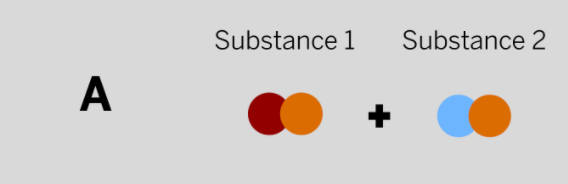
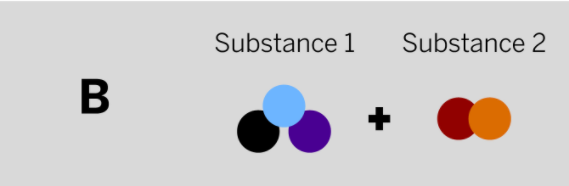
a)
b)
c)
d)
132.

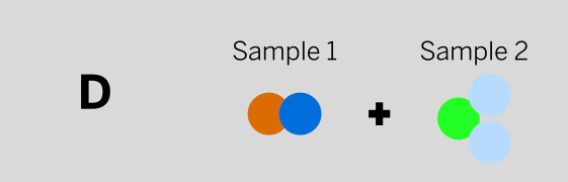
The diagram above shows the repeating groups of atoms that make up two samples. Will the properties of the two samples likely be the same or different? (Examples of properties are smell, color, and the temperature at which a substance melts.)

a)

The properties will likely be different because the repeating groups of atoms that make up each sample are different.

b)

The properties will likely be different because there are more repeating groups of atoms in Sample 1.

c)

The properties will likely be the same because the repeating groups of atoms that make up the two samples have one of the same types of atoms.

d)

The properties will likely be the same because the repeating groups of atoms that make up the two samples have the same number of atoms.

133.

Santiago is a chemist working to make a new kind of antacid, which is a medicine that helps with stomach pain. He mixed two powdery solid substances together in a sealed container. The diagram above shows the repeating groups of atoms that make up the two starting substances.

After mixing, Santiago found two liquid substances in the sealed container. (Nothing had escaped.) Which of the diagrams to the left shows the repeating groups of atoms that make up the ending substances?
a)
b)
c)
d)
134.

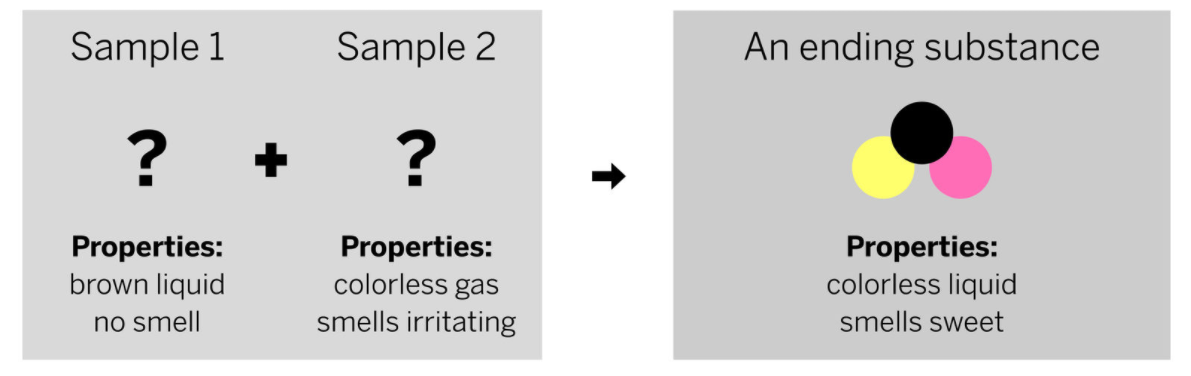
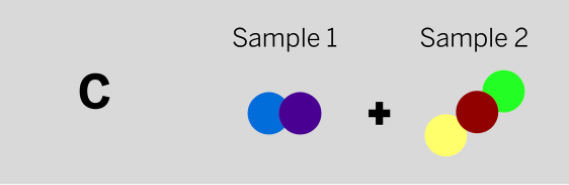
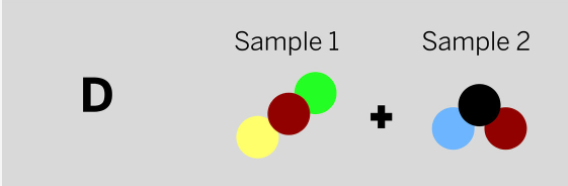
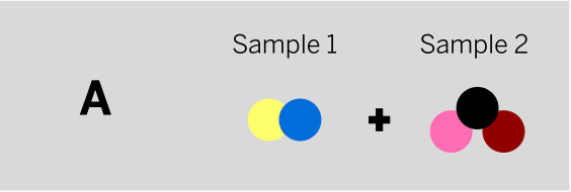
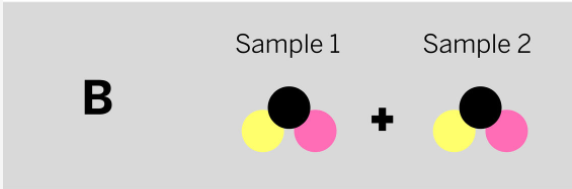
Marisol mixed two samples together: a brown liquid with no smell and a colorless gas that smells irritating. She analyzed the results and found two ending substances. One of the ending substances smelled sweet. This ending substance is made up of the repeating group of atoms shown above. Which of the diagrams to the left shows the repeating groups of atoms that make up the samples Marisol mixed together?
a)
b)
c)
d)
135.

The diagram above shows the repeating groups of atoms that make up two samples. Both samples are green gases at room temperature. Will the other properties of the two samples be the same or different? (Examples of properties are smell, color, and the temperature at which a substance melts.)

a)

The other properties will be the same because the repeating groups of atoms that make up the two samples are the same.

b)

The other properties will be different because there are more repeating groups of atoms in Sample 2.

c)

The other properties will be the same because both samples are green at room temperature.

d)

The other properties will be the same because both samples are gases at room temperature.

136.

What is something that is made of all the same atoms or groups of atoms?

a)

Substance

b)

Molecule

c)

Reactant

d)

Property

137.

What is the the relative size of things?

a)

Property

b)

Scale

c)

Model

d)

Extended structure

138.

What is something that can be observed about a substance, such as color, smell, or boiling point?

a)

Substance

b)

Model

c)

Scale

d)

Property

139.

What is a group of atoms joined together in a particular way?

a)

Substance

b)

Atoms

c)

Molecule

d)

Extended structure

140.

What is an object, diagram, or computer program that helps us understand something by making it simpler or easier to see?

a)

Scale

b)

Model

c)

Property

d)

Substance

141.

What is a substance that is added to soil to help plants grow?

a)

fertilizer

b)

corrosive

c)

reactant

d)

substance

142.

What is a structure formed by repeating groups of atoms that link together in a large network?

a)

molecule

b)

extended structure

c)

substance

d)

reactant

143.

What are the tiny pieces that all matter—all the stuff in the world—is made of?

a)

molecules

b)

substances

c)

reactants

d)

atoms

144.

Different _____?_____ have different properties.

a)

boiling points

b)

melting points

c)

molecules

d)

substances

145.

Substances have different ___________ because they are made of different groups of ___________.

a)

properties, molecules

b)

atoms, properties

c)

properties, atoms

d)

molecules, properties

146.

Groups of atoms vary in the ______ or ______ of atoms that make up the group.

a)

type, number

b)

letter, number

c)

color, type

d)

number, shape

147.

Groups of atoms repeat to make up a ________.

a)

molecule

b)

reactant

c)

property

d)

substance

148.

Which statement is true about the diagram above?

a)

The samples all have the same properties.

b)

The samples all have different properties.

c)

Sample 1 and 3 have the same properties.

d)

Sample 2 and 3 have the same properties.

149.

What is the reddish brown substance that is found in Westfield's water.

a)

rust

b)

fertilizer

c)

pipe substance

d)

iron oxide

150.

Which of the following is defined as, " to change the order or position of something"?

a)

reactant

b)

product

c)

rearrange

d)

model

151.

Which of the following is defined as, "a group of atoms joined together in a particular way"?

a)

molecule

b)

atom

c)

product

d)

reactant

152.

Which term is defined as, "letters and numbers showing the types and number of atoms that repeat to make up a substance"?

a)

chemical reaction

b)

model

c)

atoms

d)

chemical formula

153.

Which term is defined as, "the tiny pieces that all matter—all the stuff in the world—is made of"?

a)

atoms

b)

molecules

c)

chemical formula

d)

scale

154.

Which term is defined as, "something that can be observed about a substance, such as color, smell, or boiling point"?

a)

product

b)

reactant

c)

chemical formula

d)

property

155.

Which of the following is defined as, "a starting substance that is part of a chemical reaction"?

a)

product

b)

reactant

c)

molecule

d)

atoms

156.

Which of the following is defined as, "a process in which atoms rearrange to form new substances"?

a)

chemical formula

b)

chemical reaction

c)

product

d)

reactant

157.

Which of the following is defined as, "an ending substance that is made during a chemical reaction"?

a)

product

b)

reactant

c)

molecules

d)

atoms

158.

Which of the following is BEST defined as, "something that is made of all the same atoms or groups of atoms"?

a)

products

b)

reactants

c)

substances

d)

molecules

159.

True or False: During a chemical reaction, atoms do change from one type to another.

a)

True

b)

False

160.

During a chemical reaction, atoms ___________ to form

different groups of atoms.

a)

rearrange

b)

reorganize

c)

reconstitue

d)

recommend

161.
In the equation,  
2Mg + O2 ---> 2MgO,
which are the reactants?
a)
Mg and O
b)
MgO
c)
Mg and MgO
d)
O and MgO
162.
CH+ 2O2 --->  CO2 + 2H2O
In the above chemical reaction, what is the coefficient?
a)
The small 2 in CO2
b)
The big 2 in 2O2
163.
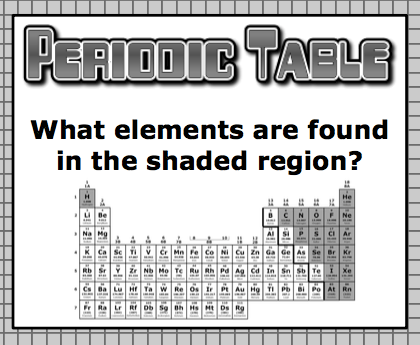
a)
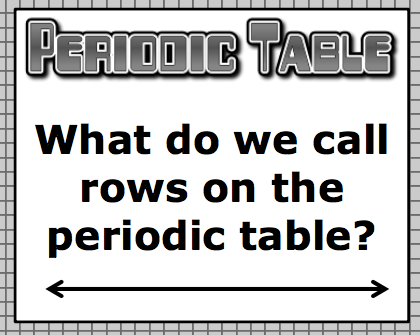
Periods
b)
Groups
164.
a)
Periods
b)
Groups
165.
a)
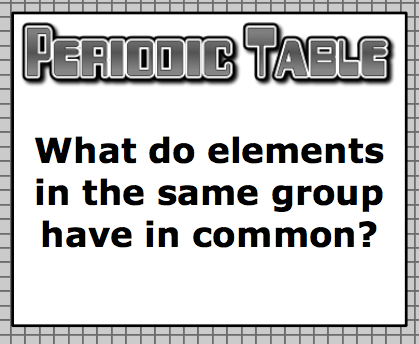
energy levels
b)
valence electrons
c)
protons
d)
neutrons
166.
a)
energy levels
b)
valence electrons
c)
protons
d)
neutrons
167.
a)
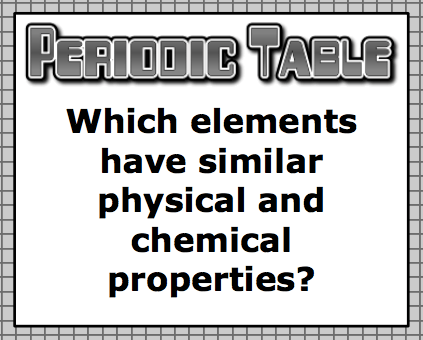
Same group
b)
Same period
168.
a)
Group 1
b)
Group 17
c)
Group 2
d)
Group 18
169.
a)
Group 1
b)
Group 17
c)
Group 18
d)
Group 2
170.
a)
Group 1
b)
Group 17
c)
Group 18
d)
Group 2
171.
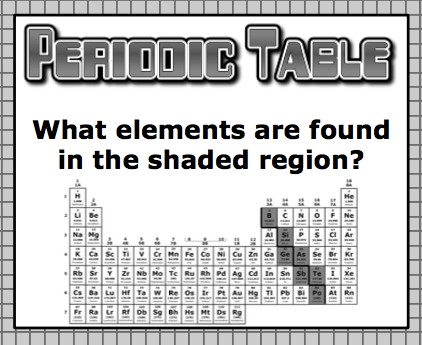
a)
Metals
b)
Nonmetals
c)
Metalloids
172.
a)
Metals
b)
Nonmetals
c)
Metalloids
173.
a)
Metals
b)
Nonmetals
c)
Metalloids
174.
a)
Metals
b)
Nonmetals
c)
Metalloids
175.
a)
Metals
b)
Nonmetals
c)
Metalloids
176.
a)
Metals
b)
Nonmetals
c)
Metalloids
177.
a)
Metals
b)
Nonmetals
c)
Metalloids
178.
a)
Metals
b)
Nonmetals
c)
Metalloids
179.
What does the 6 represent?
a)
atomic mass
b)
atomic number
c)
element name
d)
chemical symbol 
180.

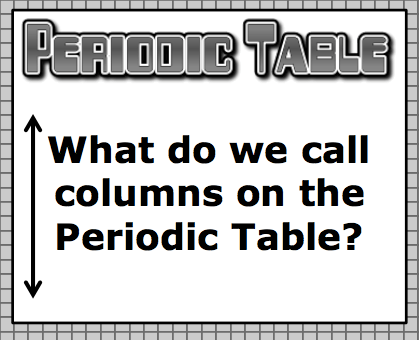
The vertical (up and down) columns in the Periodic Table are called

a)

groups

b)

towers

c)

periods

d)

atomic numbers

181.
Sodium (Na) is found in period 
a)
3
b)
2
c)
4
d)
1
182.
Sodium (Na) is found in group 
a)
1
b)
2
c)
3
d)
4
183.
The atomic number tells you what?  READ THE ANSWERS CAREFULLY
a)
only the number of electrons
b)
 only the number of protons
c)
only the number of neutrons
d)
the number of both electrons and protons in an atom.
184.
What does the atomic mass tell you? 
a)
Basically,the number of electrons and protons
b)
The number of neutrons
c)
Basically, the number of protons and neutrons
d)
The number of protons.
185.

An atom with the same number of protons and electrons (no charge) and the expected atomic mass or number of neutrons from the periodic table.

a)

Neutral/Normal Atom

b)

Ion

c)

Isotope

186.

An atom that has gained or lost electrons in an attempt to become stable/bond with another atom.

a)

Normal/Neutral Atom

b)

Ion

c)

Isotope

187.

Atoms of the same element that have different mass than expected because they have a different number of neutrons.

a)

Neutral Atom

b)

Ion

c)

Isotope

d)

Cation

188.

If an ion has a positive charge you would __________ the charge number from the number of protons to figure out how many electrons there are.

a)

subtract

b)

add

c)

multiply

d)

divide

189.

If an atom has 4 protons and 2 electrons it has a charge of ____.

a)

0

b)

-2

c)

+2

d)

+1

190.

If an atom has 9 protons and 10 electrons it has a charge of ____.

a)

0

b)

-1

c)

+1

d)

-2

191.

To figure out the mass of an atom based on its subatomic particles you would add ______ & ________.

a)

Protons & Electrons

b)

Protons & Neutrons

c)

Neutron & Electrons

192.
Two neutral atoms that have the same atomic number and different mass numbers are
a)
Ions
b)
Isotopes
c)
Alpha particles
d)
Different elements
193.
Which phrase describes two atoms that are isotopes
a)
Same mass number, same atomic number
b)
Same mass number, different atomic number
c)
Different mass number, same atomic number
d)
Different mass number, different atomic number
194.
Valence electrons are: 
a)
Electrons located in the outermost orbital 
b)
Electrons located in the innermost orbital
c)
Electrons that are bonded to another atom
d)
Electrons that in the second orbital
195.
How many valence electrons does an atom of carbon (6) have? 
a)
1
b)
2
c)
3
d)
4
196.
When two atoms of DIFFERENT elements combine, they form a ________________. 
a)
electron
b)
element
c)
compound
d)
mixture
197.
When two atoms of the SAME element combine, the form a: 
a)
mixture
b)
molecule
c)
swirl
d)
proton