
 Worksheets
Ecosystem
Total questions: 35
Worksheet time: 58mins
Name
Class
Date
1.
An __________ interactions all living and non-living things in an environment.
a)
population
b)
niche
c)
abitotic
d)
ecosystem
2.
_______ are consumers that eat only meat.
a)
Herbivore
b)
Omnivore
c)
Carnivore
3.
________ are consumers that eat plants and meat.
a)
Herbivore
b)
Omnivore
c)
Carnivore
4.
Which group do fungi, bacteria, and termites belong to?
a)
decomposers
b)
producers
c)
herbivores
d)
omnivores
5.
Which organism make their own food through the process of photosynthesis?
a)
decomposer
b)
consumer
c)
herbivore
d)
producer
6.
Which describes a decomposer?
a)
an organism that eats only plants
b)
an organism that makes its own food
c)
an organism that breaks down dead matter
d)
an organism that recieves energy from the sun
7.

How many carnivores are shown in this food web?
a)
6
b)
4
c)
5
d)
3
8.

Which of the following is a herbivore?
a)
cricket
b)
frog
c)
hawk
d)
shrew
9.

Which organism do the owl and the weasel compete for in the food web?
a)
Hawk
b)
Spider
c)
Grasshopper
d)
Shrew
10.
Which of the following food chains shows the correct energy flow from left to right.
a)
rabbit--owl--grass
b)
grass--rabbit--owl
c)
owl--rabbit--grass
d)
grass--owl--rabbit
11.
Which of the following would have a negative impact on an ecosystem
a)
constructing highways
b)
planting trees
c)
recycling paper
12.
Temperature, light, air, water, and soil are all _____ parts of the environment
a)
alive
b)
biotic
c)
abiotic
d)
living
13.
What is an example of a biotic factor?
a)
skunk
b)
rocks
c)
soil
d)
water
14.

What is this called?
a)
Food Web
b)
Food Chain
c)
Abiotic Factors
d)
Biotic Factors
15.

In the energy pyramid here, which organisms have the most energy available?
a)
Producers
b)
Carnivores
c)
Herbivores
d)
Top Predator
16.
An organism's ? is defined as the environment in which it lives.
a)
Habitat
b)
Niche
c)
Social Structure
d)
Ecology
17.
In a marine food chain, small fish eat plankton, big fish eat small fish, and sharks eat big fish. Which organism has the largest population?
a)
plankton
b)
small fish
c)
big fish
d)
sharks
18.
A __________ includes all living and non-living things in an environment.
a)
population
b)
niche
c)
abitotic
d)
ecosystem
19.
Which describes a decomposer?
a)
an organism that eats only plants
b)
an organism that makes its own food
c)
an organism that breaks down dead matter
d)
an organism that recieves energy from the sun
20.
Organisms that make up the living part of an ecosystem.
a)
abiotic
b)
biotic factors
c)
ecology
d)
ecosystems
21.
All energy transformations in an ecosystem begin with
a)
a scavenger
b)
the sun
c)
a decomposer
d)
a herbivore
22.

__________ is an organism that eats BOTH plants and animals for energy.
a)
Omnivore
b)
Darnivore
c)
Carnivore
d)
Herbiovre
23.
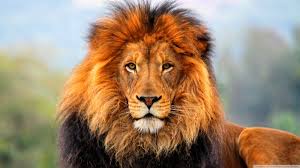
Lions only eat buffalo, antelopes, zebras and crocodiles. They are called __________.
a)
Omnivore
b)
Herbivore
c)
Carnivore
d)
Delivore
24.

Elephants only eat leaves, fruit, nuts and grass. They are called __________.
a)
Omnivore
b)
Fortivore
c)
Herbivore
d)
Carnivore
25.

Which of the following would be the most likely effect, if there were a sudden increase in the cricket population?
a)
There would be a decrease in the small bird population.
b)
There would be a decrease in the grass/flowers population.
c)
There would be a decrease in the mice population.
d)
There would be an increase in the grass/flowers population.
26.
Which one is NOT an example of a decomposer?
a)
mushroom
b)
leaves
c)
mold
d)
worm
27.
Grass is considered a ...
a)
consumer
b)
producer
c)
decomposer
d)
composers
28.

In this food chain, what will happen if the frogs become extinct?
a)
The snakes will increase.
b)
The grasshoppers will decrease.
c)
The eagles will remain the same.
d)
The grasshoppers will increase.
29.

A food chain shows the transfer of ___ from one organism to another.
a)
matter
b)
consumers
c)
energy
d)
habitat
30.

An organism that lives by breaking apart dead organic matter into simpler parts is...
a)
scavenger
b)
consumer
c)
decomposer
d)
carnivore
31.
Animals that are being hunted and eaten by predators.
a)
prey
b)
extinct
32.
Recently, a family of bobcats moved into an area with a large rabbit population. What changes may occur in the ecosystem?
a)
The rabbit population may increase
b)
The rabbit population may decrease
c)
The rabbit population may increase first, then decrease
d)
The rabbit population will remain the same
33.

Where does the energy start in this food chain?
a)
Plant
b)
Sun
c)
Deer
d)
Wolf
34.
Birds eat insects off the skin of cows. If the relationship is a type of mutualism, then the organisms that will benefit are
a)
only the cattle
b)
neither the birds or the cattle
c)
both the birds and the cattle
d)
only the birds
35.
Commensalism is
a)
one species benefits, the other is not affected
b)
both species benefit
c)
both species are harmed
d)
one species benefit, the other is harmed
100 %

