
 Worksheets
Vertebrates
Total questions: 25
Worksheet time: 14mins
Name
Class
Date
1.

Which are the 5 groups of vertebrate animals?
a)
Mammals, fish, amphibians and sharks
b)
Mammals, fish, birds, reptiles and amphibians
c)
Lions, tuna, eagle, crocodile and frog
d)
Humans, fish, birds and reptiles
2.
What animals are oviparous?
a)
Animals that drink mother's milk
b)
Animals that lay eggs
3.
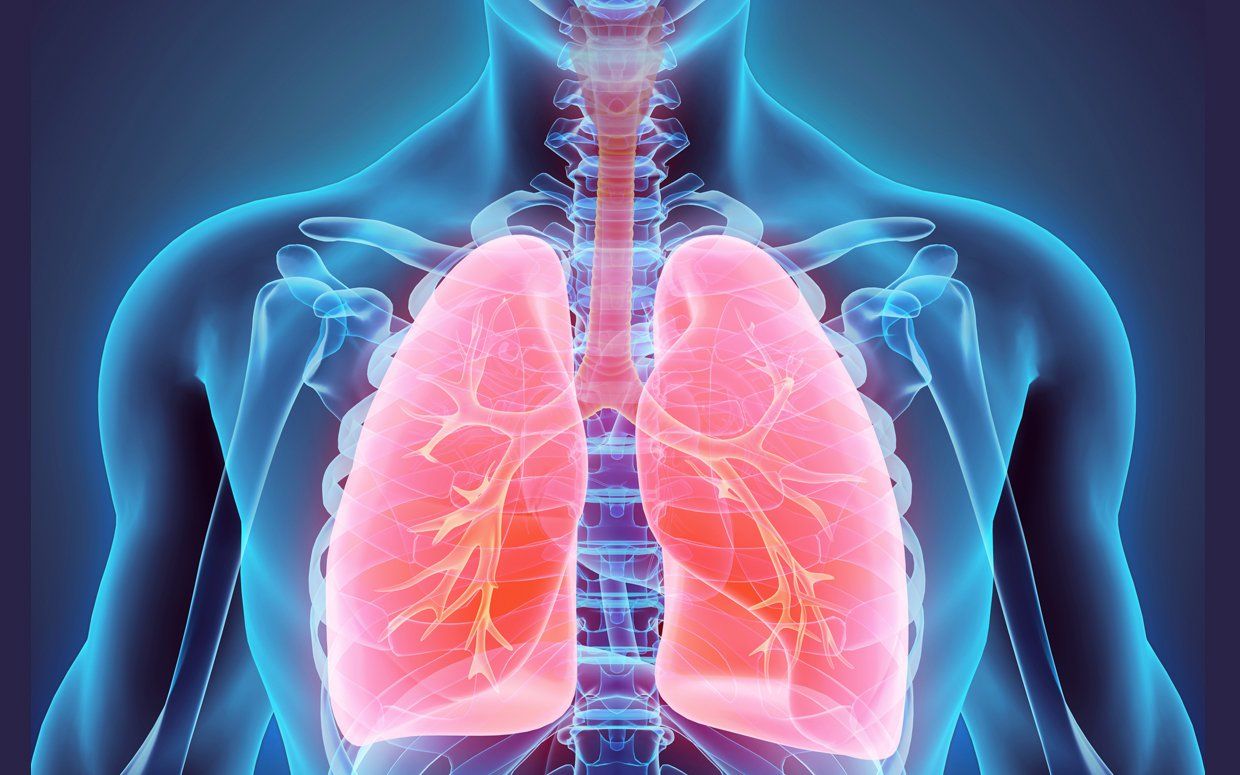
What animals breathe with their lungs?
a)
Mammals and birds
b)
Fish and chips
c)
Mammals, birds, reptiles and adult amphibians
d)
Humans, birds and sharks
4.

What are vertebrates?
a)
Animals with a backbone
b)
Animals without a backbone
5.
An animal that keeps a constant (steady) body temperature is
a)
endothermic.
b)
ectothermic.
c)
cold blooded
6.
They are warm blooded
a)
Amphibians
b)
Reptiles
c)
Mammals
d)
Fish
7.
They have gills
a)
Mammals
b)
Reptiles
c)
Birds
d)
Fish
8.
They lay eggs with hard shells
a)
Mammals
b)
Birds
c)
Fish
d)
Amphibians
9.
They have feathers
a)
Birds
b)
Mammals
c)
Reptiles
d)
Amphibians
10.
The mother feeds milk to their young
a)
Parrot
b)
Shark
c)
Whale
d)
Lizzard
11.
Young have gills and adults have lung
a)
Crocodile
b)
Hen
c)
Frog
d)
Alligator
12.
Why is the lateral line important for fish?
a)
keeps predators away
b)
balance
c)
attracts mates
d)
detects pressure/vibrations
13.
Fish utilize this organ to change their buoyancy.
a)
Lateral Line
b)
Gills
c)
Swim Bladder
d)
Caudal fin
14.
Why do amphibian eggs have to be in water?
a)
They do not have shells
b)
They are encased in jelly
c)
They are released easier in water
d)
To protect young from terrestrial predators
15.
Which of the following is a difference between mammals and birds?
a)
4 chambered heart
b)
Endothermic
c)
Hair
d)
Coelomates
16.
Which type of mammal has a pouch for their young to fully develop?
a)
Monotremes
b)
Placental
c)
Marsupials
d)
Mammial mammals
17.
Which is not an amniote?
a)
Frogs
b)
Birds
c)
Humans
d)
Crocodiles
18.
What vertebrate breathes through their skin?
a)
amphibians
b)
reptiles
c)
birds
d)
Mammals
e)
fishes
19.
Mammal groups:
a)
placental
b)
egg-laying
c)
marsupials
d)
monotremes
20.
Which of these is NOT a reptile?
a)
frogs
b)
snakes
c)
turtles
d)
alligators & crocodiles
e)
iguanas
21.
The process by which an organisms transforms its shape is called
a)
adaptation
b)
morphological transfer
c)
metamorphosis
d)
shape-shifting
22.
Animals which have hollow bones
a)
mammals
b)
reptiles
c)
amphibian
d)
birds
23.
Vertebrates that can live in water or on land but must return to the water to reproduce?
a)
reptiles
b)
birds
c)
amphibians
d)
fish
24.
Animals whose body temperature changes as the temperature of their surroundings changes?
a)
warm-blooded
b)
cold-blooded
c)
mammals
d)
birds
25.
The feathers of birds help them fly. What other purpose do feathers serve?
a)
protect birds from sharp objects
b)
hide birds from predators
c)
keep birds warm on cold days
d)
take in oxygen while birds fly
100 %

