
 Worksheets
CLC Stage 9 Intro Scenes
Total questions: 24
Worksheet time: 8mins
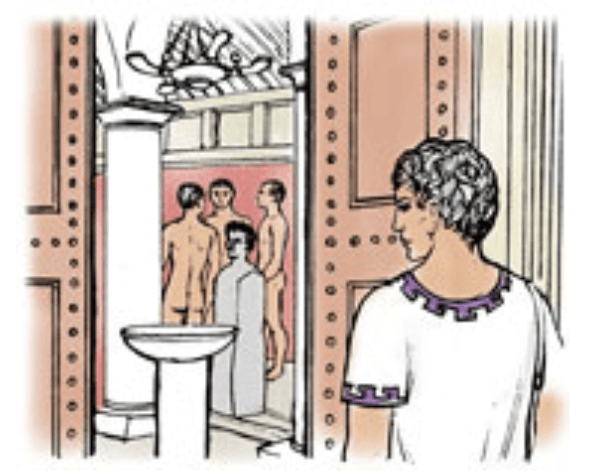
Quīntus ad thermās vēnit.
Quintus went to the baths.
Quintus is going to the baths.
Quintus was going to the baths.
Tense of vēnit:
Present
Imperfect
Perfect
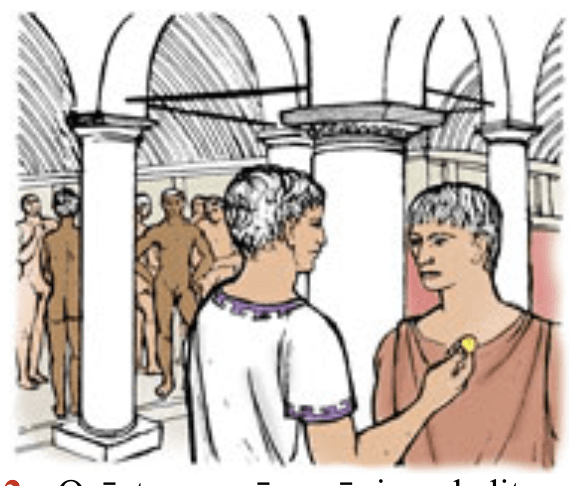
Quīntus servō pecūniam dedit.
The servant will give money to Quintus.
Quintus will give money to the servant.
The servant gave money to Quintus.
Quintus gave money to a servant.
Tense of dedit:
Future
Imperfect
Present
Perfect
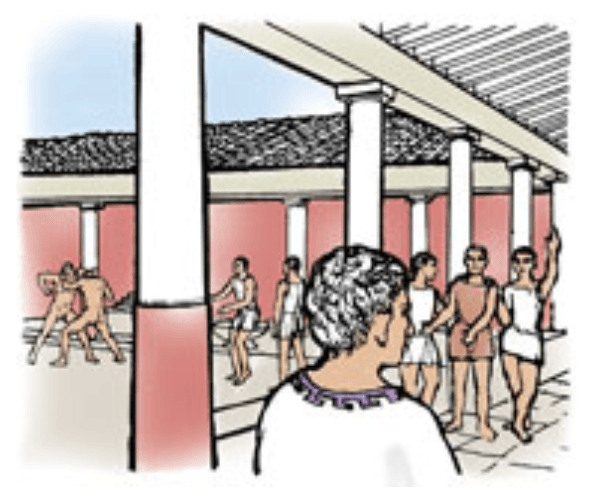
amīcī Quīntum latē salūtāvērunt, quod diem nātālem celebrābat.
Quintus greeted the friends happily, because he was celebrating his birthday.
Friends greeted Quintus happily, because they were celebrating his birthday.
Quintus greeted the friends happily, because they were celebrating his birthday.
Friends greeted Quintus happily, because he was celebrating his birthday.
Case (Nominative, Dative, Accusative) and number (Singular or Plural) of amīcī:
Nominative Singluar
Dative Plural
Nominative Plural
Dative Singular
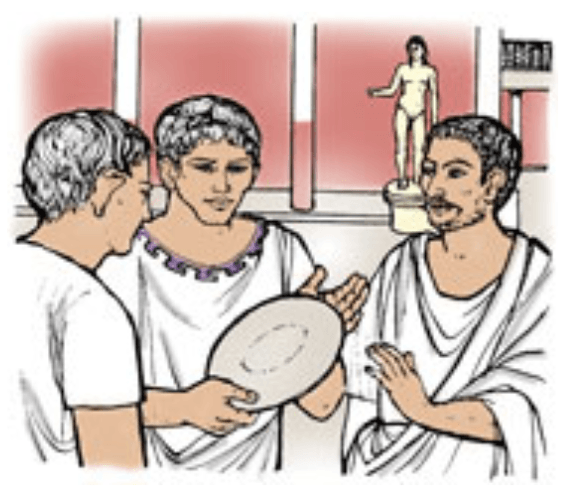
Quīntus discum novum ferēbat. Quīntus amīcīs discum ostendit.
Quintus brought a new disc. Quintus showed the disc to his friends.
Quintus didn't bring a new disc. Quintus didn't show the disc to his friends.
Quintus is bringing a new disc. Quintus shows the disc to his friends.
Quintus will bring a new disc. Quintus will show the disc to his friends.
Case of amīcīs:
Dative Singular
Dative Plural
Accusative Singular
Accusative Plural
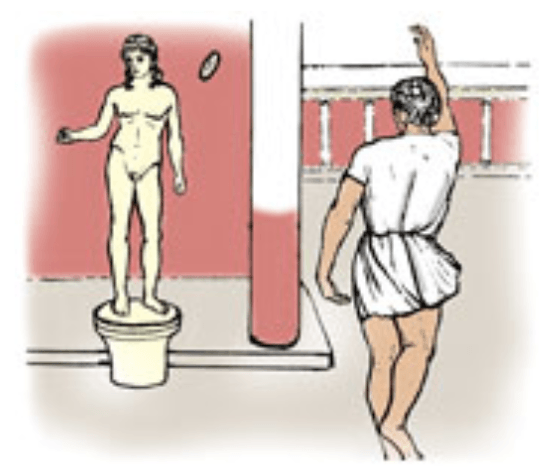
postquam Quīntus discum ēmīsit, discus statuam percussit.
After Quintus threw the disc, the disc hit several statues.
Before Quintus threw the statue, the disc hit that statue.
After Quintus threw the disc, the disc hit a statue.
The statue hit Quintus with the disc, after Quintus hit the statue with a disc.
Case (Nominative, Dative, Accusative, or Ablative) and Number of discum and statuam.
Nominative Singular
Dative Singular
Accusative Singular
Ablative Singular
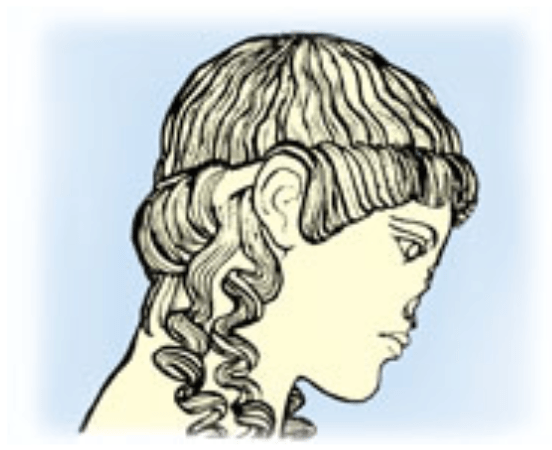
ēheu! statua nāsum frāctum habēbat.
Oh no! The statue has a broken nose.
Oh yeah! The statue has a broken nose.
Oh no! The statues have broken noses.
Oh yeah! The statues have broken noses.
Tense of habēbat:
Present
Imperfect
Future
Perfect
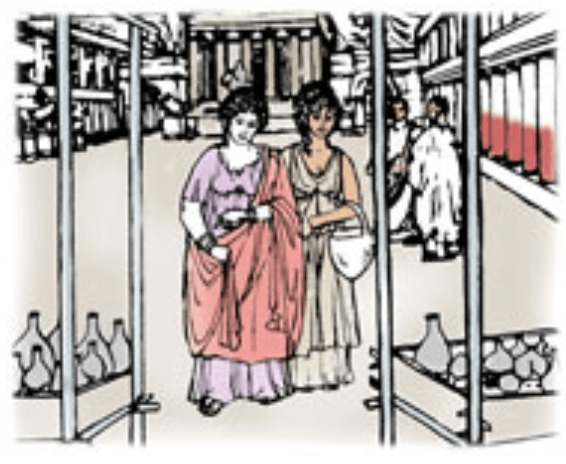
Metella et Melissa in forō ambulābant. Metella fīliō dōnum quaerēbat.
Metella and Melissa were walking in the forum. Metella was searching for a gift for her son.
Metella and Melissa is walking in the forum. Metella is seeking a gift for her son.
Metella and Melissa are walking into the forum. Metella is searching for a gift for her son.
Metella and Melissa walk through the forum. Metella searches for a gift for her son.
Tense of ambulābant and quaerēbat:
Imperfect
Present
Future
Pluperfect
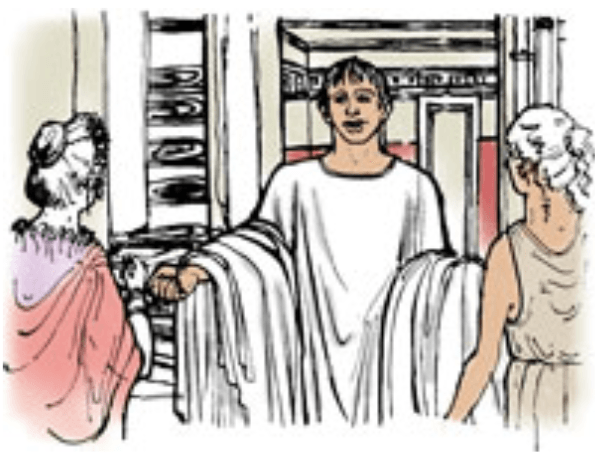
fēminae mercātōrem cōnspexērunt. mercātor fēminīs togās ostendit.
The women saw the merchant. The merchant showed togas to the women.
The women will see the merchant. The merchant will show toads to the women.
The women saw the merchant. The merchant showed goats to the women.
The women will see the merchant. The merchant will show goats to the merchants.
Tense of cōnspexērunt and ostendit:
Perfect
Ablative
Present
Imperfect
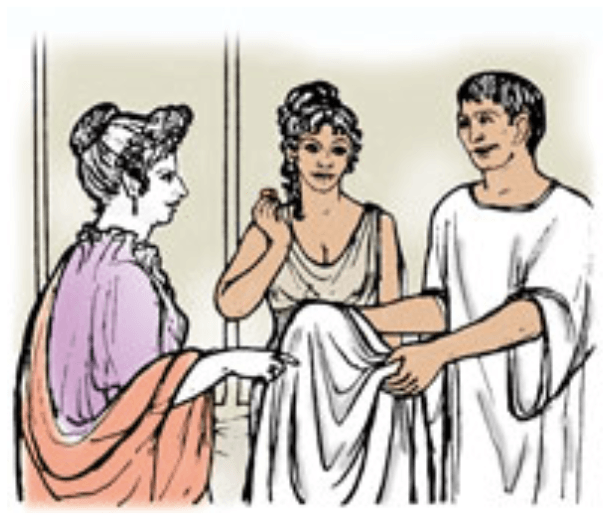
Metella Quīntō togam ēlēgit. Melissa mercātōrī pecūniam dedit.
Metella chose a toga for Quintus. Melissa gave money to the merchant.
Metella is choosing a toga for Quintus. Melissa is giving money to the merchant.
Metella will choose a toga for Quintus. Melissa will give money to the merchant.
Metella chose togas for Quintus. Melissa gave money to the merchants.
Tense of ēlēgit and dedit:
Perfect
Imperfect
Present
Future
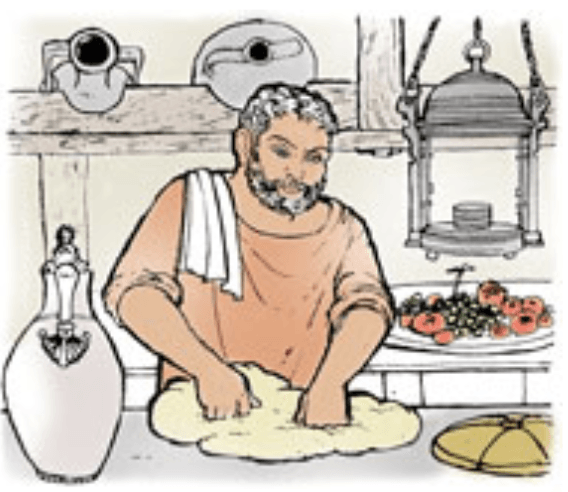
Grumiō cēnam optimam in culīnā parābat. coquus Quīntō cēnam parābat, quod diem nātālem celebrābat.
Grumio was preparing a very good dinner in the kitchen. The cook was preparing a dinner for Quintus, because he was celebrating his birthday.
Grumio will prepare a very good dinner in the kitchen. The cook will prepare a dinner for Quintus, because he is celebrating his birthday.
Grumio was preparing a very good dinner in the kitchen. The cook prepared a dinner for Quintus, because he was celebrating his birthday.
Grumio is preparing a very good dinner in the kitchen. The cooks will prepare a dinner for Quintus, because they're celebrating his birthday.
Tense (Present, Imperfect, Future, Perfect) and Number (Singular or Plural) of parābat and celebrābat:
Imperfect Singular
Imperfect Plural
Present Singular
Perfect Singular
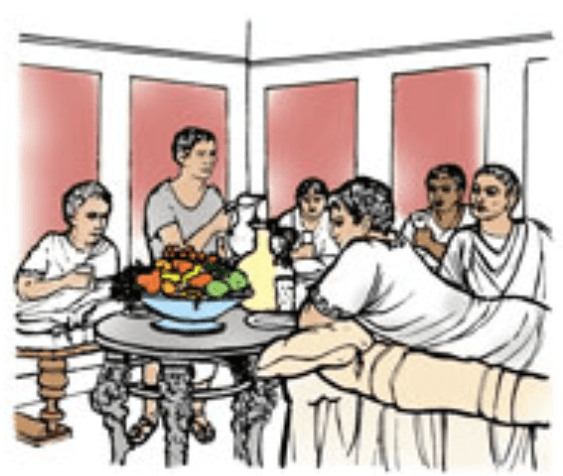
multī hospitēs cum Quīntō cēnābant. Clēmēns hospitibus vīnum offerēbat.
Many guests were dining with Quintus. Clemens was offering wine to the guests.
Many guests will dine with Quintus. Clemens will offer wine to the guests.
Many guests are dining with Quintus. Clemens is offering wine to the guests.
Quintus was dining with many guests. The guests were offering wine to Clemens.
Tense of multī hospitēs and Clēmēns:
Nominative
Dative
Accusative
Ablative
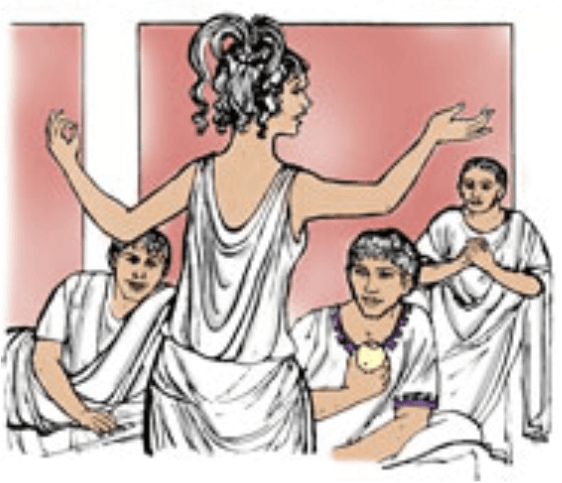
ancilla triclīnium intrāvit. Quīntus ancillae signum dedit. ancilla suāviter cantāvit.
The slave-girls entered the dining-room. Quintus gave a signal to the slave-girls. The slave-girls sang sweetly.
The slave-girl are entering the dining-room. Quintus gives a signal to the slave-girl. The slave-girl are singing sweetly.
The slave-girl will enter the dining-room. Quintus will give a signal to the slave-girl. The slave-girl will sing sweetly.
The slave-girl entered the dining-room. Quintus gave a signal to the slave-girl. The slave-girl sang sweetly.
Tense of intrāvit, dedit, and cantāvit:
Future
Present
Imperfect
Perfect

