
 Worksheets
Food Chains and Food Webs
Total questions: 53
Worksheet time: 41mins
Name
Class
Date
1.
All energy on Earth ultimately comes from what source?
a)
Water
b)
Sun
c)
Consumers
d)
Oxygen
2.
The animals that predators eat
a)
Predators
b)
Consumer
c)
Plants
d)
Prey
3.

What does a food chain represent?
a)
How all living organisms within a habitat are connected.
b)
All of the things that a particular animal eats.
c)
How plants create their own food.
d)
A single path of energy transfer within a habitat.
4.
The arrows in a food chain or web represents what?
a)
They point to the organism that is being eaten.
b)
It shows how sunlight flows within an ecosystem.
c)
They show what direction the energy is flowing between organisms.
d)
They represent how water is transferred within a habitat.
5.

What does a food web represent?
a)
All connections of energy flow throughout all organisms in a habitat.
b)
The specific ways that mutualism is carried out.
c)
A single pathway or energy flow between organisms.
d)
How carnivores get their food.
6.

An energy pyramid represents what?
a)
How much sunlight is available for the ecosystem to use.
b)
How much energy a particular organism needs.
c)
How much energy is needed to build a pyramid.
d)
The amount of energy available to the next 'feeder' in a food web.
7.
Why is there a limited amount of energy that can be passed on to the next feeding level?
a)
There is never enough sunlight available.
b)
Some ecosystems have limited resources.
c)
Organisms use some of the energy they get from eating.
d)
All the energy is available to be passed on.
8.

Why might an organism have more than one arrow coming from them in a food web?
a)
More than one organism may eat them.
b)
They may eat more than one other organism.
c)
This organism gets its energy from multiple sources.
9.

The largest group of organisms found in a food web would be:
a)
Primary Consumers
b)
Producers
c)
Decomposers
d)
Tertiary Consumers
10.

What may happen if the snowshoe hare was removed from the food web pictured?
a)
The insects in the habitat would increase.
b)
The shrew population would decrease due to being only hawk food source.
c)
The willow tree population would decrease.
d)
Foxes would dies due to no food source.
11.

The rabbit in this food web would be considered a:
a)
Decomposer
b)
Producer
c)
Secondary Consumer
d)
Primary Consumer
12.

The mouse in this food web would be considered a:
a)
Primary Consumer
b)
Producer
c)
Tertiary Consumer
d)
Secondary Consumer
13.

The shrew provides energy for the _______?
a)
cricket
b)
grasshopper
c)
frog
d)
snake
14.

What is this called?
a)
Food Web
b)
Food Chain
c)
Abiotic Factors
15.

Where does the energy start in this food chain?
a)
Plant
b)
Sun
c)
Deer
d)
Wolf
16.

Which organism do the owl and the weasel compete for in the food web?
a)
Hawk
b)
Spider
c)
Grasshopper
d)
Shrew
17.

Does this food web have arrows pointing the right way?
a)
Yes
b)
No
18.

Which of the following would be the most likely effect, if there were a sudden increase in the cricket population?
a)
There would be a decrease in the small bird population.
b)
There would be a decrease in the grass/flowers population.
c)
There would be a decrease in the mice population.
d)
There would be an increase in the grass/flowers population.
19.

Which organism has the most energy and which organism has the least amount of energy? Choose the best answer.
a)
mosquito and grass
b)
mouse and grass
c)
grass and owl
d)
grass and small bird
20.

Does this food web have arrows pointing the right way?
a)
yes
b)
no
21.

What is this called?
a)
Food Web
b)
Food Chain
c)
Abiotic Factors
22.
What does a Primary Consumer eat?
a)
Tertiary Consumers
b)
Secondary Consumers
c)
Producers
23.

An organism that lives by breaking apart dead organic matter into simpler parts is...
a)
scavenger
b)
consumer
c)
decomposer
d)
carnivore
24.
In a food web, arrows point at:
a)
who gets energy.
b)
who gets eaten.
25.
Bacteria, fungi, and earthworms are examples of:
a)
scavengers
b)
predators
c)
prey
d)
decomposers
26.
What is missing from this food chain?
Grass > Grasshopper > Bird > Snake
Grass > Grasshopper > Bird > Snake
a)
Producer
b)
Primary Consumer
c)
Secondary Consumer
d)
Decomposer
27.

Which of the following is a herbivore?
a)
cricket
b)
frog
c)
hawk
d)
shrew
28.

__________ is an organism that eats BOTH plants and animals for energy.
a)
Omnivore
b)
Darnivore
c)
Carnivore
d)
Herbiovre
29.

Lions only eat buffalo, antelopes, zebras and crocodiles. They are called __________.
a)
Omnivore
b)
Herbivore
c)
Carnivore
d)
Delivore
30.

Bears eat fish, insects, plants, seeds, nuts and young elk. They are called __________.
a)
Franivore
b)
Carnivore
c)
Herbivore
d)
Omnivore
31.

Which organism recieves the least amount of energy from the producer?
a)
Owl
b)
Grasshopper
c)
Lilypad
d)
Mouse
32.

Which level will contain plants?
a)
A
b)
B
c)
C
d)
D
33.
Which is a producer?
a)
deer
b)
tall grass
c)
lion
d)
worm
34.
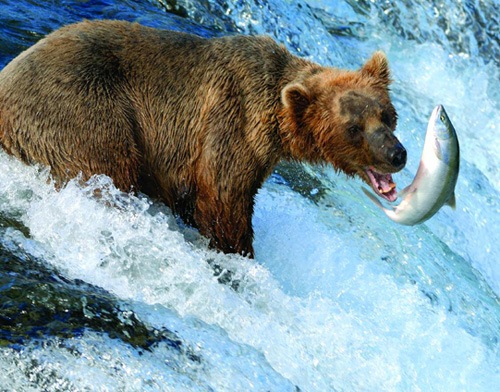
An organism that needs to eat other organisms to obtain energy is known as a:
a)
Autotroph
b)
Producer
c)
Consumer
d)
Mutualist
35.
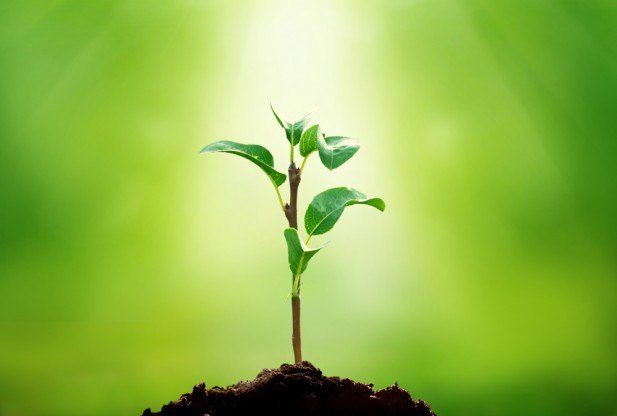
An organism that uses sunlight to create its own food is known as a:
a)
Producer
b)
Heterotroph
c)
Consumer
d)
Decomposer
36.
How much energy is available to be passed on to the next trophic level in an ecosystem?
a)
100%
b)
10%
c)
50%
d)
75%
37.

The rabbit in this food web would be considered a:
a)
Decomposer
b)
Producer
c)
Secondary Consumer
d)
Primary Consumer
38.
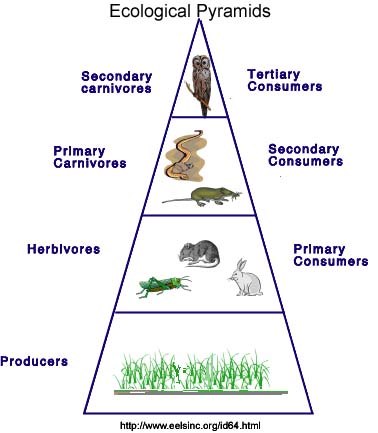
The largest group of organisms found in a food web would be:
a)
Primary Consumers
b)
Producers
c)
Decomposers
d)
Tertiary Consumers
39.
Which of the following symbiotic relationships is considered parasitic?
a)
Ticks feeding on a dog
b)
Bees transporting pollen from flowers
c)
Pilotfish swimming under sharks
d)
Birds eating the insects fromo the back of hippo
40.
Maria and her classmates are observing animals at the pond. They notice that wood storks and ibisies both feed on fish. Which of these describes the relationship between these two birds.
a)
Parasitism
b)
Competition
c)
Predator and prey
d)
Producer and consumer
41.
Which of these describes a mutually beneficial relationship between two organisms?
a)
A dog with worms in its intestine
b)
A turtle and a snail that both eat grass live in a river
c)
A honeybee pollinating a plant and receiving nectar for food
d)
A small fish attached to a shark, eating tiny pieces of the shark's food as it floats
42.
Which pair of organisms listed below are competitors for the same natural resources?
a)
Ticks and dogs
b)
Lions and leopards
c)
Honeybees and flowers
d)
Salmon and brown bears
43.
An organism that kills and eats another for food
a)
Predator
b)
Prey
c)
Parasite
d)
Plant
44.
An organism that is killed and eaten by another organism
a)
Predator
b)
Prey
c)
Parasite
d)
Host
45.
A close long term association between 2 or more species
a)
Mutualism
b)
Commensalism
c)
Symbiosis
d)
Parasitism
46.
Relationship where both organism benefit
a)
Competition
b)
Commensalism
c)
Mutualism
d)
Parasitism
47.
Relationship where one organism benefits and the other is neither harmed nor helped
a)
Commensalism
b)
Parasitism
c)
Mutualism
d)
Competition
48.
An organism where one organism benefits and another is harmed
a)
Commensalism
b)
Parasitism
c)
Mutualism
d)
Competition
49.

Cattle egrets forage (feed) in fields among cattle. The egret gets easy access to flying insects stirred up by the cattle, and the cattle don't care if they are there or not.
a)
mutualism
b)
commensalism
c)
competition
d)
parasitism
50.
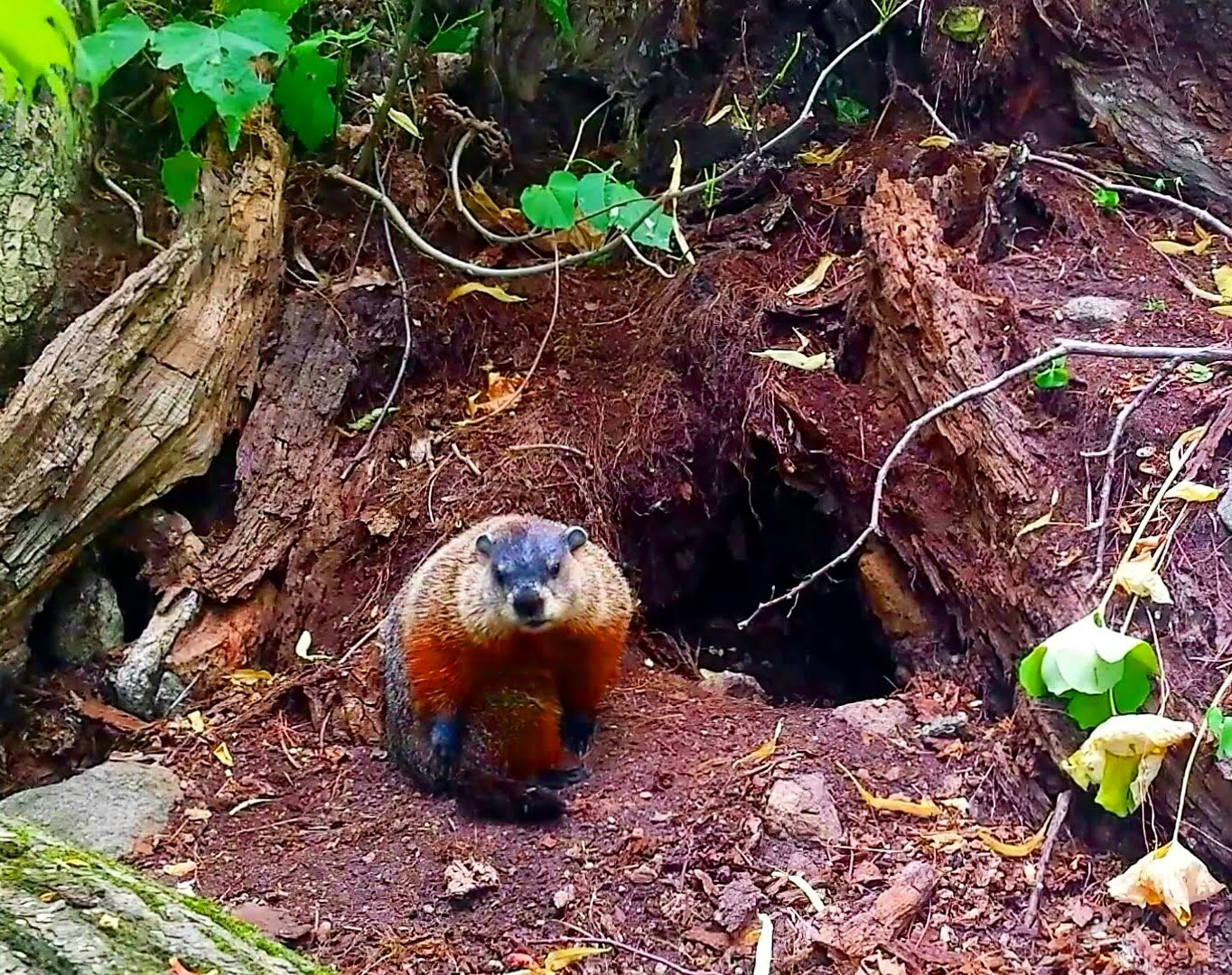
What type of symbiosis? Skunks often live in burrows that have been dug and abandoned by woodchucks.
a)
commensalism
b)
mutualism
c)
parasitism
d)
predation
51.
Which symbols best describe parasitism?
a)
+,+
b)
+,-
c)
+,0
d)
-,0
52.
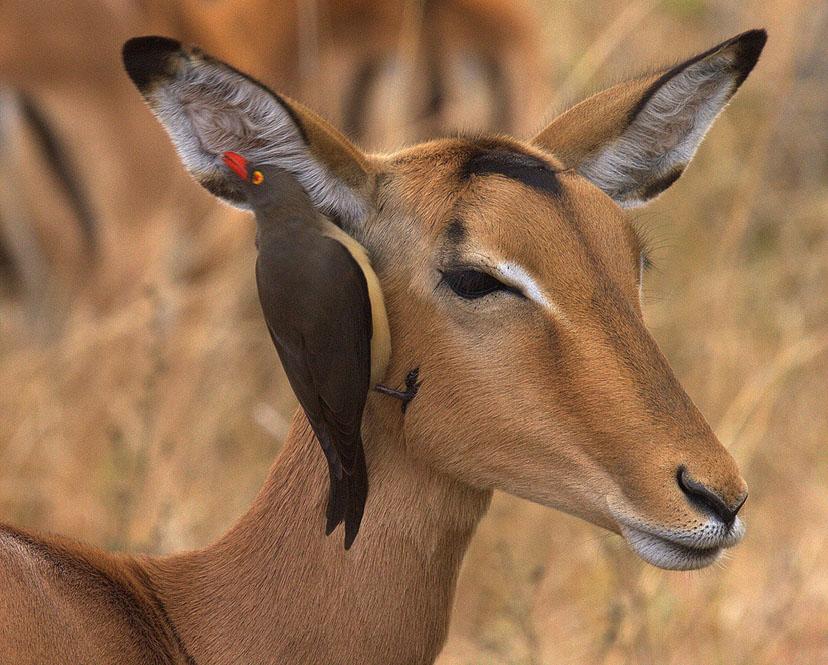
Red-billed oxpeckers are birds that often feed on parasites that infest impala. This is an example of _______.
a)
commensalism
b)
mutualism
c)
neutralism
d)
competition
53.
How many types of symbiosis are there?
a)
5
b)
7
c)
3
d)
If you pick this you're silly
1000
1000
100 %

