
 Worksheets
American Government ACP 2
Total questions: 160
Worksheet time: 2hrs 56mins

Theory that by contract, people surrender to the state the power needed to maintain order and the state, in return, agrees to protect its citizens.
divine right
force
evolutionary
social contract
Civic Life can best be described as __________.
The opportunity for citizens to attend a political event
When a citizen watches and/or reads the local news
When a citizen is concerned with the affairs of the community.
All of the above best describe civic life.

Ratification is __________.
A process by which voters approved the Constitution
Giving formal consent to a contract, document or agreement. Making it official, such as the Constitution
A process to disregard any important document, to eliminate or void.
Giving consent for individuals to vote in an election

A principle where government power is divided between 3 equal branches.
Checks and Balances
Judicial Review
Separation of Powers
Limited Government

Principle where people have the power and give their consent to be governed to the government.
Popular Sovereignty
Checks and Balances
Limited Government
Federalism

The principle where the government must operate within certain bounds set by the people.
Federalism
Judicial Review
Limited Government
Separation of Powers

The Constitutional principle where the judicial branch to review actions of other branches to test constitutional validity.
Limited Government
Checks and Balances
Federalism
Judicial Review

Principle where the ability of one branch to keep another branch of the government from gaining too much power
Checks and Balances
Separation of Powers
Limited Government
Federalism

The balancing of power between the national government and state governments.
Checks and Balances
Federalism
Separation of Powers
Popular Sovereignty
The idea where a government (or ruler) that is cruel and oppressive.
Popular Sovereignty
Tyranny
Democracy
Dictatorship

The Supremacy Clause in the US Constitution is ________.
Giving formal consent to a contract, document or agreement. Making it official.
People have the power and give their consent to be governed to the government
Clause in Constitution that makes constitution highest law in land.
Clause in Constitution granting Congress powers assumed are needed to carry out its job

What is the Necessary & Proper Clause/Elastic Clause?
Giving formal consent to a contract, document or agreement. Making it official.
Clause in Constitution that makes constitution highest law in land.
Government ruled by laws where the will of the majority is checked.
Clause in Constitution granting Congress powers assumed are needed to carry out its job.

A Federalist was _________.
Person who was in favor of ratification of the Constitution, and in favor of a strong central government.
Person who supported states rights, and argued against the ratification of the Constitution.
When a citizen is concerned with the affairs of the community
The government must operate within certain bounds set by the people.
An Anti-Federalist was __________.
The government must operate within certain bounds set by the people.
Person who was in favor of ratification of the Constitution, and in favor of a strong central government.
A person or voter in a specified area who belongs to a group that is represented by an elected official.
Person who supported states rights, and argued against the ratification of the Constitution.

A form of Government where the people (citizens) have the power.
Democracy
Monarchy
Dictatorship
Theocracy
A Government ruled by laws where the will of the majority is checked and an elected leader is voted upon.
Democracy
Representative Democracy
Republic
Monarchy

A type of Government where people have the power and give their consent to be governed to the government and elect representatives to act on their behalf
Representative Democracy
Republic
Democracy
Dictatorship

Called for a bicameral legislature with one house having equal representation for the states and the other house having representation based on population; it merged the VA and NJ Plans
Compromise of the Carolinas
Great Compromise
Confederation Compromise
Compromise of 1850

Those who supported the ratification of the Constitution and the federal system of government


Democrats
Republicans

Compromise between Northern & Southern states at the Constitutional Convention that said a portion of the slave population would be counted for determining taxation as well as representation in the House of Representatives
Compromise of 1850
Compromise of 1820
Great Compromise
3/5 Compromise
John Locke's philosophy was created on unalienable natural rights which are
Congressional Powers
Life, Liberty, and Property
Checks and balances
Separation of Powers
In what form of government does one individual hold unlimited power?
Democracy
Oligarchy
Presidential
Autocracy
The First Amendment protects all of the following freedoms EXCEPT
Peaceful Assembly
Bear Arms
Speech
Religion
The federalists were _________________ ratifying the Constitution, while the anti-federalists were __________________ ratifying the Constitution
Against; in support of
In support of; against
Neutral about; against
In support of; neutral about
All of the following were weaknesses of the Articles of Confederation EXCEPT:
A unicameral government
Each state had one vote
The national government couldn’t tax people
The national government held too much power

According to Charles Barron Montesquieu, the executive, legislative, and judiciary powers of a government should be:
Held by the same person
Entirely separate from each other
Controlled by a council consisting of 5 citizens
Abolished and everyone should revert back to a state of nature

The legislative branch is responsible for:
Making Laws
Enforcing Laws
Interpreting Laws

The executive branch is responsible for:
Making the Laws
Enforcing the Laws
Interpreting the Laws

The judicial branch is responsible for
Making the Laws
Enforcing the Laws
Interpreting the Laws
Due process of law refers to
The need for biased government officials.
The right to bear arms as established by the 2nd amendment.
The right to vote.
The right to fair treatment in the judicial system as established by the 5th and 14th amendments.
The fact that, under the Constitution, Congress passes laws, the president enforces laws, and the Supreme Court rules on laws is evidence that the federal government is established on what principle?
Limited government
Separation of powers
Democracy
Federalism
What was the first English Document to limit the power of the government (Or King)?
Magna Carta
Petition of Right
English Bill of Right
Declaration of Independence
Powers that are outlined (written) in the Constitution for the national government are called?
Implied
Enumerated/Delegated/Expressed
Concurrent
Envisioned
Powers that are reserved for the states are referred to as
Enumerated
Concurrent
Reserved
Implied
How many senators are in the US senate?
400
200
50
100
All of the following are the basic principles of the Constitution EXCEPT
popular sovereignty
presidential responibilty
limited government
separation of power
checks and balances
Which of the following ways is how an amendment can be ratified? (two answers)
3/4 of conventions called by the states approve it
2/3 vote in both houses of congress
3/4 legislature approve it
The United States supreme law of the land is...
The Constituition
The Bill of Rights
The Preamble
The Amendments
Article 1 of the Constitution creates a legislature called Congress and divides it into two parts. What are these two parts called?
President
Senate
House of Representatives
Vice President
Expressed powers are...
powers are actually stated in the Constitution
powers are not expressly stated in the Constitution
What are concurrent powers?
Division of power between a central government and state government.
Powers that are only allowed to be carried out by the states.
These powers are not expressly stated in the Constitution. Their intention is clear even though you don't actually say it.
Powers that are allowed by both the national and state governments.

The United States Government is split into 3 branches. Which branch hold the President?
legislative
jucicial
executive
The Supreme Court is apart of which branch of government?
legislative
judicial
executive
If the President breaks the law the people of the country can...
veto the president
impeach the president
ratify the president
over through the president
Who is the father of the constitution?
James Madison
George Washington
Benjamin Franklin
Mr. Best
What is a bill?
A new provision in the Constitution that has been ratified by the states. To change the Constitution
A proposed law before it becomes a law or doesn't

What is the electoral college?
the number of house of representatives plus the senates used to elect the president
another name for appointing judges
another name for the house of representatives
Which branch interprets laws?
legislative
judicial
executive


The direct election of US senators by the people. Which amendment is this?
15th
17th
23rd
26th

What does a political party whip do?
keep the party informed of all important business and folowing the party agenda
make laws
break ties in the senate
decide which laws get voted on
What does the 26th amendment do?
provide freedom of speech
abolish slavery
provide freedom of religion
right to vote for anyone over 18
1. the power to veto a bill
2. the power to override vetoes with a 2/3 votes
3. the power to make sure laws are in agreement with the Constitution.

The Preamble lists the __________ of the United States Constitution. (p. 14)
Grievances
Unalienable Rights
Purposes
Weaknesses
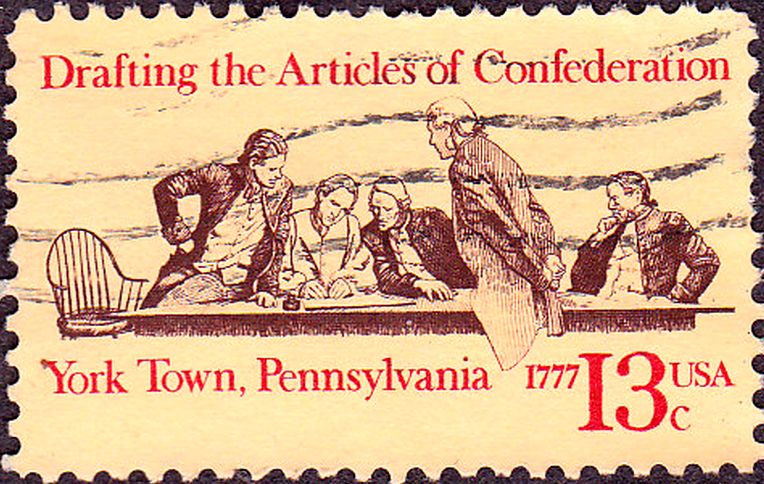

This case established the policy of judicial review
Brown vs. Board of Education
Tinker vs. Des Moines
Marbury vs. Madison
Morse v. Frederick

Voted against public prayer and Bible readings in school
Board of Ed. v. Earls
Engel v. Vitale
Brown v. Board of Education
Plessy v. Ferguson

How many electoral college votes is needed in order to win the Presidency?
100
270
435
538
Which amendment allowed direct election of senators by people of their States?
20th Amendment
16th Amendment
17th Amendment
22nd Amendment
Locke argued that we had 3 main natural rights. What are they? (Select 3)
Life
Liberty
Pursuit of Happiness
Property
John Locke believed that all people had:
Natural Rights
Individual rights
Some rights
The political theory that God selects the monarch and therefore all should obey. Locke dismissed this idea.
divine right of kings
papal authority
Godly guidance in governance
social contract theory
consent of governed is a authority of a government should depend on the consent of the people, as expressed by votes in elections

laws are fair, enforced, and nobody is above the law
rule of law
monarchy
oligarchy
population

dividing power among several branches of government
separation of power
territory
junta
consent of the governed

citizens of a country give their permission to be governed by the country's government, they do this by voting
consent of the governed
rights of the minority
anarchy
theocracy

citizens elect leaders to represent their right and interests in government
representative government
anarchy
rights of the minority
government
This ruling helped expand women's rights, especially when it comes to what they do with their bodies.
Griswold v Connecticut
Roe v Wade
Mappe v Ohio
Gideon v Wainwright
Another name for the Necessary and Proper Clause is the...
Elastic Clause
Constitutional Clause
Judicial Clause
Supremacy Clause
The part of the Constitution that says the Constitution is the supreme law of the land is called the...
Necessary and Proper Clause
Supremacy Clause
Elastic Clause
Santa Clause
Which of these describes the main purpose of an interest group?
To influence government officials on a specific issue
To form legislative committees that study public policy
To regulate the economy by setting federal lending rates
To select cases for hearing in appeals courts
Which of these is an example of lobbying by an interest group?
A hotel association develops a plan to attract more tourists.
An animal rights organization presents its views to a legislator.
A group of citizens asks city officials for a schedule of public hearings.
A neighborhood association backs a candidate for an election.

What principles of government are described in the image?
Limited government and federalism
Individual rights, and checks and balances
republicanism and popular sovereignty
checks and balances, and separation of powers
The _____ clause prevents our government from interfering with the religious practices of American citizens.
due process
establishment
free exercise
equal protection
What happened as a result of Shays' Rebellion?
A national army was immediately created through a unanimous vote in Congress.
The Constitutional Convention meeting was called to discuss the weaknesses of the Articles of Confederation.
Massachusetts changed its laws so that farmers would not have their land seized.
Revolutionary War veterans were finally paid for their service.

Why was Daniel Shays, a veteran and Massachusetts farmer, frustrated and angry?
He wanted to be recognized for service to his country.
Poor farmers were being taxed heavily by the central government
The government stole his livestock to feed troops
Poor farmers were being taxed heavily by the state government


Who is known as the “Father of the Constitution” because he was the author of the basic plan of government the Convention adopted.
James Madison
Roger Sherman
John Hancock
Benjamin Franklin
Proposed the Great Compromise
Roger Sherman
James Madison
Daniel Shays
Jason Garrett
A country where two political parties hold the majority of the power is called a
two-party system
multi-party system
oligarchy
single party system
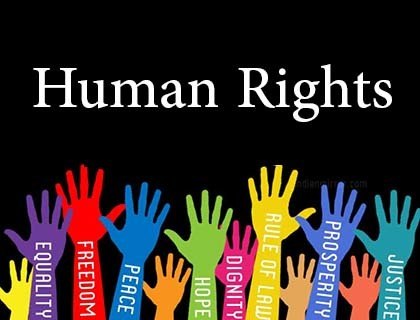
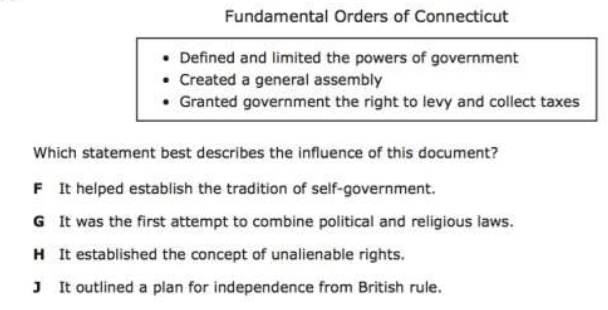
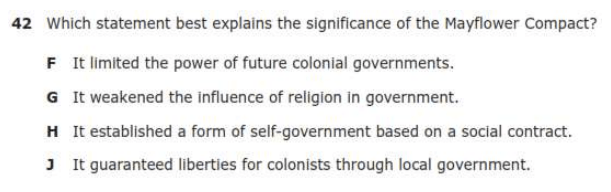
Who said "The law of nature, as found in the Bible, is perfect and supreme and No human law should be made to contradict it?" He used Judeo Christian principles in his work.
William Blackstone
Thomas Jefferson
Henry Clay
Thomas Paine
What two anti-federalists argued in support of adding a Bill of Rights to the Constitution?
John Jay
Patrick Henry
Alexander Hamilton
James Madison
George Mason

He was the 1st supreme court chief justice
john jay
Alexander Hamilton

Outlawed racial discrimination in the workplace and in public places, including schools.
13th Amendment
Jim Crow Laws
Civil Rights Act of 1964
Voting Rights Act of 1964

This court case declared Affirmative Action legal.
Hernandez v. Texas
Roe v. Wade
Grutter v. Bollinger

The benefits that are provided by the military for your service.
Judicial Activism
Affirmative Action
GI Bill of Rights

Law that expanded college education to military veterans.
GI Bill
Returning Vets Act
Holleman Act
Pullman Amendment
Designed to bring skilled immigrants to US, designed to help bring families together
Emergency Quota Act
Immigration and Nationality Act of 1965
Plyler vs. Doe
Executive Order 13780

Which Supreme Court case ended segregation and integrated public schools?
Plessy v Ferguson
Brown v Board of Education
Schenk v US
Korematsu v US

How many justices serve on Supreme Court?
1
3
6
9
What is it called when a senator talks for as long as he can in order to kill the vote on a bill?
Longwinding
Log Rolling
Filibuster
Gerrymandering
What does GPS stand for?
Global Partying Society
Georgia Palentolgist System
Global Positioning System
Global Positoning System
Patrick Henry and George Mason were part of this political party
Federalists
Anti-federalists
John Jay and John Adams were part of this political party
Federalists
Anti-federalists
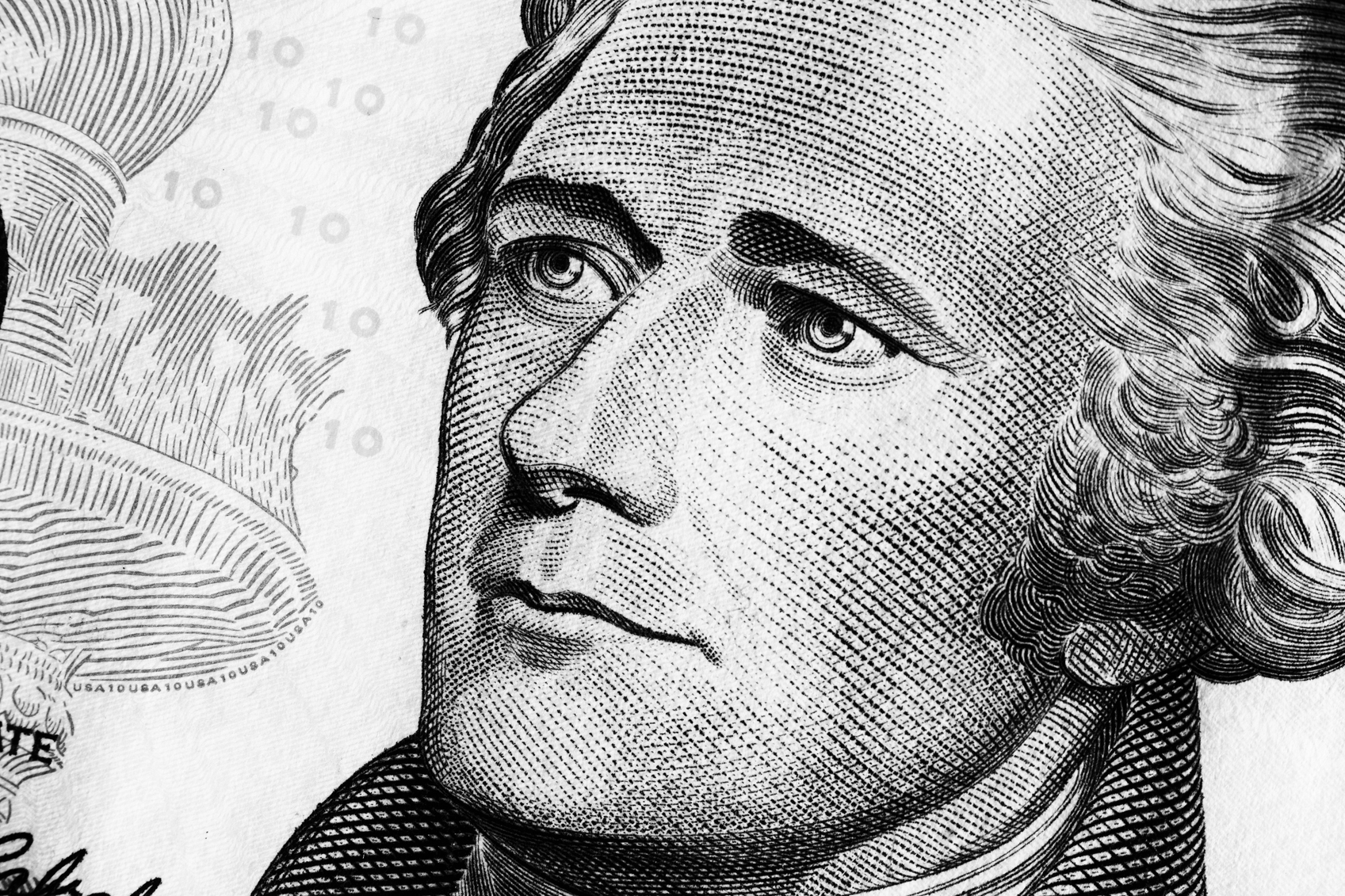
Who is known as the leader of the Federalists?
Alexander Hamilton
John Adams
Patrick Henry
Benjamin Franklin

After a bill is introduced in the House, where does it go?
A House committee studies the bill
A Senate committtee studies the bill
To the full House votes
to the full Senate votes

What three factors predict who is likely to vote?
Age, Education, Favorite hobby
Hair color, Education, Income
Age, Zip Code, Income
Age, Education, Income

The media plays an important role in setting the public agenda in all of the following ways EXCEPT
focusing public attention on selected issues
holding government officials accountable to the public
makes contributions to political candidates
offering a forum in which opposing viewpoints are communicated

All of the following are ways the media influences public policy EXCEPT
focuses attention on selected issues
offering a forum in which opposing viewpoints are communicated
holding government officials accountable to the public
gives money to political parties


Hernandez v. Texas determined that...
Mexican Americans had equal protection under the law
Mexican Americans could have a jury of their peers
Schools had to change financing policies.
Segregation was illegal.

