Wayground logo

Free Printable Worksheets

Font size

S
M
L
XL
Worksheets

Winter 2018 Final Exam Review

Total questions: 116

Worksheet time: 2hrs 35mins
Name
Class
Date
1.
The ___________ __________ stabilized the world's population 10,000 years ago.
a)
Industrial Revolution
b)
Reformation
c)
Black Plague
d)
Agricultural Revolution
2.
This caused a jump in the worlds' population.
a)
the Renaissance
b)
the Industrial Revolution
c)
the Medical Revolution
d)
the Scientific Revolution
3.
Overpopulation is 
a)
too many darn people for the world
b)
too many darn people for a country
c)
too many darn people for an area
d)
too many darn people for the resources
4.

The average number of people per square km

a)

population distribution

b)

population density

c)

urbanization

d)

population rate

5.
Which of the following terms is defined by an illustration that depicts the distribution of a population by age and gender?
a)
demography
b)
age-sex ratio
c)
population pyramid
d)
demographic transition model
6.
Which of the following terms is the scientific study of populations by examining trends including but not limited to birth rates and death rates?
a)
sociology
b)
demography
c)
geology
d)
geography
7.
The one-child policy in China has been relatively successful in controlling birth rates, natural increase rates, and doubling time. This is an example of what means to control population growth?
a)
increasing birth rates
b)
decreasing birth rates
c)
increasing death rates
d)
decreasing death rates
8.
What is a population pyramid?
a)
A type of graph showing the number of males and females in different age groups.
b)
A type of graph showing the number of males in different age groups.
c)
A type of graph showing the number of females  in different age groups.
d)
A type of graph showing the number of males and females in only one age group.
9.
Industrial Revolution happened in the ___________ centuries. 
a)
17th and 18th
b)
18th and 19th
c)
19th and 20th
10.
How did the invention of steam technology led to mass migration? Ability to ___________.
a)
travel further but slower
b)
travel further and faster
c)
travel faster and nearer
d)
travel home faster
11.
Before the invention of steam engine, what did people depend on to travel across oceans?
a)
wind and water
b)
sand and water
c)
water and wind
d)
wind and sails
12.
How did the Industrial Revolution result in migration?
a)
search for machinery
b)
search for raw materials
c)
search for workers
d)
search for soldiers
13.
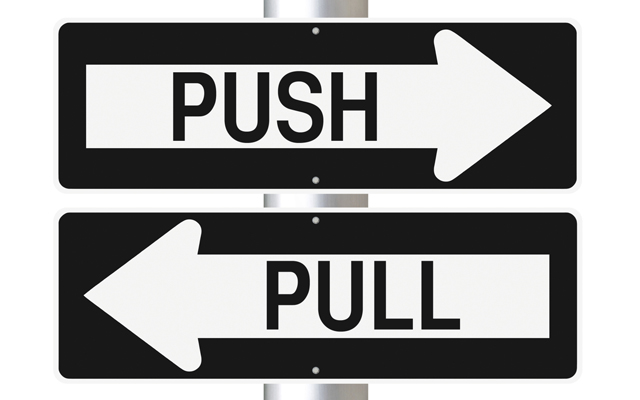
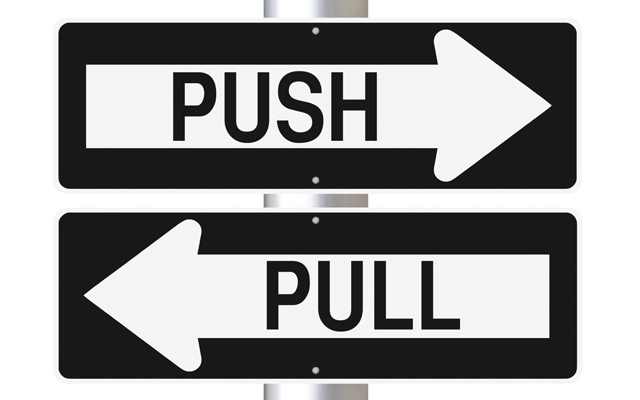
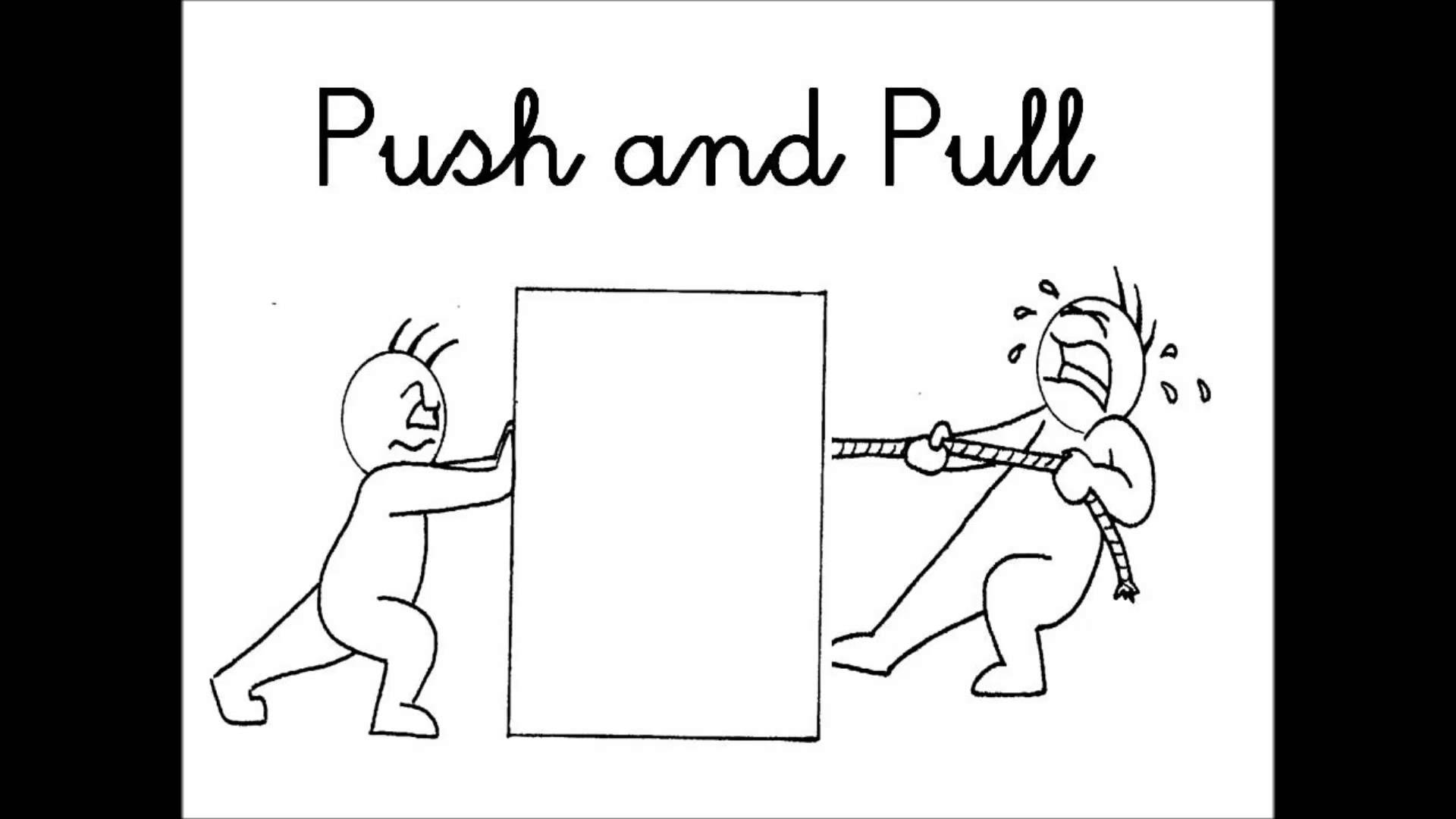
Push factors are....
a)
good things that draw a person to another country
b)
reasons that drive a person out of their country
c)
reasons people migrate to a new area
14.
Pull factors are....
a)
good things that draw a person to another country.
b)
reasons people leave an area
c)
reasons that drive a person out of their country
15.
Better education- provision is better and more accessible is a .....
a)
push factor
b)
pull factor
16.
 Opportunity to make more money is a .....
a)
push factor
b)
pull factor
17.
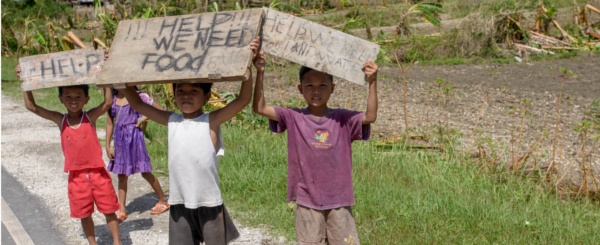
Limited food is a ....
a)
pull factor
b)
push factor
18.
Which of the following is an example of a push factor?
a)
religious freedom
b)
a drought or famine
c)
 job opportunities
d)
a fair government
19.
Cultural diffusion is best described as...
a)
sharing music from one culture to another
b)
Cultural margarine
c)
the spreading of religion
d)
the spreading of ideas, languages, and traditions from one culture to another
20.
Which of the following is NOT a part of culture?
a)
History
b)
Weather
c)
Language
d)
Food
21.
Culture is spread by...
a)
Movement of people
b)
TV and Internet
c)
War and conquest
d)
All are correct
22.
Sharing and borrowing of ideas from other cultures
a)
cultural difffusion
b)
trade
c)
civilization
d)
natural resource
23.
Defined as values, beliefs, attitudes, languages, symbols, rituals, beliefs, behaviors, and customs
a)
Ethnicity
b)
Race
c)
Culture
d)
Heritage
24.
The people who decide to buy.
a)
Producers
b)
Consumers
c)
Economist
d)
Entreprenuers
25.
All of the following spread along the Silk Road except 
a)
Silk and textiles
b)
Religion
c)
Disease
d)
Corn
26.
Which of the following is NOT a factor of culture?
a)
History
b)
Ecology
c)
Language
d)
Government
27.
Who was the founder of Islam?
a)
Moses
b)
Muhammad
c)
Ishmael
28.
The main Hindu deities are:
a)
Aphrodite, Perseus, Zeus
b)
Alibaba, Sarya, Indra
c)
Brahma, Vishnu, Shiva
29.
The sacred Hindu texts are known as:
a)
Swamis
b)
Vedas
c)
Maharishi
30.
"Buddha" means...
a)
Little fat man
b)
Seeker of wisdom
c)
Enlightened one
31.
In Islam, Ramadan is...
a)
The month Muslims are to make the "Hajj" or pilgrimage to Mecca
b)
The month the Qur'an was revealed to Muhammad observed by fasting
c)
Celebrates Abraham not having to sacrifice his son
32.
Which of the following is NOT one of the five pillars of Islam?
a)
Testimony
b)
Ritual Prayer
c)
Doing what is beautiful
d)
Almsgiving
33.
"Dharma" is the Hindu concept that means:
a)
The ultimate reality
b)
Participation in the divine life through devotion to a chosen manifestation of the deity
c)
That which holds all things together, the "cosmic law"
34.
Civilization in Mesopotamia developed between which two rivers?
a)
the Persian Gulf and the Mediterranean
b)
the Tigris and the Persian Gulf
c)
the Persian Gulf and the Euphrates
d)
the Euphrates and the Tigris
35.
The division of the people in a society by rank or class
a)
Domestication
b)
Social hierarchy
c)
Surplus
d)
Trade Routes
36.
What was the Agricultural Revolution?
a)
people stopped hunting and gathering and began planting crops
b)
A new type of corn was developed
c)
people began inventing tools 
d)
they invented fire
37.
People who migrate from place to place are called...
a)
farmers
b)
paleolithic
c)
laborers
d)
nomads
38.
Name the River Valley Civilization shaded in orange on the map
a)
Egypt
b)
Mesopotamia/
Sumer
c)
India
d)
China
39.
Name the River Valley Civilization shaded in purple on the map
a)
Egypt
b)
Mesopotamia/
Sumer
c)
India
d)
China
40.
Name the civilization: 
- Indus River
- Harappa
- Mohenjo Daro
a)
Egypt
b)
Mesopotamia/
Sumer
c)
India
d)
China
41.
Name the civilization: 
- Huang He (Yellow) River
- Calligraphy writing
- Paper and Silk
a)
Egypt
b)
Mesopotamia/
Sumer
c)
India
d)
China
42.
Most early religious traditions can be categorized as -
a)
Monotheistic
b)
Polytheistic
c)
Atheistic
d)
Agnostic
43.
With regards to ancient history, the areas on this map marked with an "X" all have what in common?
a)
None were able to trade over great distances.
b)
None lasted out of the ancient era of history.
c)
All were protected from invasion by geographic features.
d)
All had civilizations that were centered along major rivers.
44.
The blue line on this map represents what major river?
a)
Amazon
b)
Euphrates
c)
Nile
d)
Tigris
45.
Which number is CLOSEST to the Huang He River Valley?
a)
1
b)
2
c)
4
d)
5
46.
Early civilizations in Egypt, India, and China all share which common trait?
a)
They were founded along rivers and fertile valleys.
b)
Each civilization flourished despite harsh desert conditions.
c)
We know little about them due to catastrophic natural disasters.
d)
Their coastal locations allowed them to trade with the Roman Empire.
47.
In ancient Mesopotamia, religion was MOST affected by
a)
the prophet Muhammad.
b)
the angry waves of the sea.
c)
the uncertain flooding of the rivers.
d)
the belief that the desert was a god.
48.
Which of these is a similarity between early Indus River Valley and early Chinese civilizations?
a)
neither showed signs of great wealth
b)
their daily lives were highly documented by scholars
c)
agriculture was an important part of the economy
d)
each declined due to a change in climate
49.
Because rivers like the Nile, Tigris, and Euphrates flooded in ancient times,
a)
people lived in a constant state of fear as to when the next flood would hit.
b)
land around the river was fertile and capable of farming.
c)
the concepts of cooperation and democracy were founded.
d)
those places were never able to form civilizations.
50.
In the case of religion, a similarity between the Inca, Aztec, and Maya was:
a)
christianity
b)
animism 
c)
 theocracy 
d)
polytheism
51.
Montezuma was ruler of their civilization
a)
Aztec
b)
Inca
c)
Maya
52.
The Ruler of the Mayans was seen as a...
a)
War-Leader
b)
God- King
c)
Priest
d)
Peas
53.
What system of farming did the Inca develop in order to farm in the mountains? 
a)
Chinampas
b)
Aqueducts
c)
Irrigation
d)
Terrace Farming
54.
What was the capitol of the Aztec empire?
a)
Texoco
b)
Tenochtitlan
c)
Miamoi
d)
Alexandria 
55.
Who conquered the Aztec Empire?
a)
LaSalle 
b)
Hernan Cortes
c)
Pedro de Valdivia
d)
Christopher Columbus 
56.
The Aztec Empire lived in Central ___________.
a)
South America
b)
Mexico
c)
Panama
d)
Cuba
57.
______________were defeated by Francisco Pizarro.
a)
Incas
b)
Mayans
c)
Aztecs
d)
Olmecs
58.

Which civilization is represented by Chichen Itza?

a)

Mayan

b)

Aztec

c)

Incan

59.
Which of the following are the achievements of the Mayans, Aztecs, and Incas
a)
textiles, porcelain, compass
b)
Calendars, Mathematics, Writing/Record keeping systems
c)
windmills & waterwheels
d)
gold & salt
60.

Tenochtitlan was built on an island, and they built ____________ or raised roads or paths to get out to it from the mainland.

a)

causeways

b)

chinampas

c)

steel draw bridges

d)

quetzal

61.

In order to have farm land they built "floating gardens" or raised posts with mud filled up in the middle. What were these called?

a)

chinampas

b)

Texcoco

c)

causeways

d)

tributes

62.

The lake that they started their empire by was Lake ______________.

a)

Mexico

b)

Tenochtitlan

c)

Texcoco

d)

Aztec

63.

What object in the sky did the Aztec revere (value) most?

a)

the stars

b)

the Sun

c)

the moon

d)

Mars

64.

What were two things that Aztec warriors/knights like to wear into battle?

a)

steel armor

b)

animal skins

c)

feathers

d)

swords

65.

What were two reasons that the Aztec wanted to take prisoners?

a)

for slaves

b)

to train them as warriors

c)

for business partners

d)

for sacrificing

66.

The Inca built bridges and aqueducts similar to which civilization?

a)

Egypt

b)

India

c)

Rome

d)

Greece

67.
The Maya civilization was made up of a number of different ____________________  that often fought each other.
a)
city-states
b)
empires
c)
emperors
68.
The Mayans invented the
a)
concept of 1
b)
concept of life
c)
concept of rules
d)
concept of 0
69.
Which was the name given to a network of trade routes, led to a search for a water route to Asia: (7-1.1)
a)
Cooper River Bridge 
b)
Bering Strait land bridge
c)
Great Silk Road
d)
Great Wall of China
70.

What device helped Europeans navigate at sea by using a magnetized needle that points to a coordinate direction?

a)

Steam Engine

b)

Compass

c)

Astrolabe

d)

Rudder

71.
Which of the following inventions, created by Chinese, contributed most to the European military domination of the foreign nations? (7-1.2)
a)
caravel 
b)
guillotine
c)
compass
d)
gunpowder
72.
France, Spain, Portugal, England, and ________were all European nations involved in international colonial expansion in the 17th and 18th centuries. (7-1.1)
a)
India 
b)
China
c)
America  
d)
the Netherlands
73.
Which was an immediate impact of the European ‘Age of Exploration’? (7-1.1)
a)
Britain controlled the western part of Africa.
b)
For a short time, the Aztec Empire ruled the world.
c)
Islamic culture spread throughout Asia and North America.
d)
European economic, political, and social influence spread throughout the Americas
74.
Which navigational device invented by the Portuguese had a rudder, square and triangular sails, several masts, and could be used to travel close to the shore? (7-1.2)
a)
Caravel
b)
Astrolabe 
c)
Frigate
d)
Compass
75.
Area around the Mississippi and Great Lakes region, was claimed by
a)
Portugal
b)
Spain 
c)
France
d)
England
76.
A (n)___________________ is one who makes maps.
a)
astronomer
b)
cartographer
c)
mapmetician 
d)
physicist
77.
The relationship was friendly between the Native Americans and French in what type of colony?
a)
Trade
b)
Swap
c)
Plantation
d)
Settlement
78.
The relationship between Asia and Europe was___________
a)
hostile
b)
respectable
c)
practical
d)
violent
79.
Economic pattern that imported and exported goods among the West Indies, England, Africa and the 13 original colonies.
a)
Sea Commerce
b)
Economic Caravels
c)
Triangular Trade
d)
Three-port Dollar Route
80.
The inhumane voyage of slaves across the Atlantic ocean was called the
a)
End of Days
b)
Middle Passage
c)
Final Destination
d)
End of Freedom
81.
An economic policy where nations increased their wealth and power by obtaining large amounts of gold and silver and by selling more goods than they bought
a)
Socialism
b)
Imperialism
c)
Mercantilism
d)
Militarism
82.

To travel all the way around something; Ferdinand Magellan did this...

a)

circumnavigate

b)

sail

c)

navigate

d)

explore

83.

What year did Columbus arrive in the Americas?

a)

1942

b)

1442

c)

1242

d)

1492

84.

Which monarch(s) supported Columbus' voyage?

a)

Queen Isabella and King Ferdinand of Spain

b)

Queen Elizabeth I of England

c)

Prince Henry of Portugal

d)

King Louis XIV of France

85.

An instrument that uses the North Star or the Sun to calculate latitude.

a)

compass

b)

astrolabe

c)

GPS

d)

cross-staff

86.

Who was the first person to sail around Africa and reach India?

a)

Vasco da Gama

b)

Hayden Adams

c)

Prince Henry

d)

Christopher Columbus

87.
The nickname given to cotton.
a)
white gold
b)
Emperor Crop
c)
Carolina Cash
d)
King Cotton
88.
The economy of the north was based on ___________.
a)
manufacturing
b)
agriculture
c)
capitalism
d)
tourism
89.
What had to occur before the Industrial Revolution could take place?
a)
The Economic Revolution
b)
The Glorious Revolution
c)
The Agricultural Revolution
d)
The French Revolution
90.
Which 2 natural resources were the backbone of the Industrial Revolution?
a)
wood and peat
b)
oil and natural gas
c)
coal and iron
d)
cotton and tobacco
91.
Which innovation  allowed factories to be built anywhere?
a)
flying shuttle
b)
spinning jenny
c)
cotton gin
d)
steam engine
92.
Why did "cottage industry" come to an end?
a)
Too many people moved to the city.
b)
It was replaced by the factory system.
c)
The need for textiles decreased.
d)
Women who worked in cottage industries went on strike.
93.
What is the movement of people from rural to urban areas called?
a)
ruralization
b)
colonization
c)
inflation
d)
urbanization
94.
Who designed the first efficient steam engine?
a)
James Hargreaves
b)
John Kay
c)
Richard Arkwright
d)
James Watt
95.
This machine separated the seed from cotton fibers.
a)
Spinning Mule
b)
Spinning Jenny
c)
Steam Engine
d)
Cotton Gin
96.
What innovation increased the transportation of goods and people?
a)
Flying Shuttle
b)
Spinning Jenny
c)
Steam Engine
d)
Water Frame
97.
The Industrial Revolution was triggered by sweeping changes in what?
a)
Religion
b)
Education
c)
Agriculture
d)
Politics 
98.
Before the Industrial Revolution all products were created by
a)
Factories
b)
Hand
c)
Slaves
d)
Royalty
99.
Where were most factories built before the steam engine was invented?
a)
in the mountains
b)
in the desert
c)
along rivers
d)
anywhere
100.
Why were railroads so important during this time?
a)
they moved goods more quickly and less expensively over greater distances
b)
they were fun to ride on to go visit family in other states
c)
people could ride on railroads to get to their jobs in another city
101.
Who invented the steel plow?
a)
Cyrus McCormick
b)
John Deere
c)
Samuel Slater
d)
Robert Fulton
102.
Louis Pasteur discovered a link between diseases and ____.
a)
poisoned water
b)
super natural occurances
c)
bacteria
d)
none of the above
103.
A city has an outbreak of a disease that affects an unusually large portion of its population at the same time. Which term BEST describes the outbreak?
a)
pandemic
b)
plague
c)
epidemic
d)
infection
104.
Which is a distinction between an epidemic and a pandemic?
a)
the symptoms of the disease
b)
the geographical area affected
c)
the species of organisms infected
d)
the season in which the disease spreads
105.
Which best describes how an outbreak of cholera begins?
a)
Fleas bite animals and humans causing the disease to spread.
b)
A bacterial organism contaminates the drinking water of a community.
c)
An infected mosquito penetrates the skin of several humans, causing them to contract the disease.
106.
If a monkey is a vector for an infectious disease, which bestdescribes how it transmits into the human population and becomes an epidemic?
a)
The monkey inhales contaminated drops from the air.
b)
The monkey bites a human.
c)
The monkey shares food.
107.
After World War I, an outbreak of the Spanish Flu killed 50 million to 100 million people around the world. Which best describes this occurrence?
a)
Epidemic, because it happened within a relatively short time span.
b)
Epidemic, because it affected many individuals in multiple countries.
c)
Pandemic, because it happened within a relatively short time span.
d)
Pandemic, because it affected many individuals in multiple countries.
108.
Which antibiotic was developed from a fungus and has been used to cure many illnesses that could have led to epidemics?
a)
aspirin
b)
ethanol
c)
penicillin
d)
acetaminophen
109.

What was the real cause of the Black Death?

a)

bad air

b)

touching ill person

c)

God was angry

d)

fleas (with germs)

e)

drinking bad water

110.

What was the best thing to escape from the illness?

a)

kill cats and dogs

b)

pray to God

c)

eat grass

d)

leave cities

e)

drink clean water

111.

How many people died in London in 1665 because of the Great Plague?

a)

half of the people in London

b)

1/3 of the people in London

c)

3/4 of the people in London

112.

What happened to families which caught the plague?

a)

doctors took them from a city

b)

people drew a cross on their door

c)

they had to stay at home

d)

doctors gave them some medicine and took care of them

113.
Once a person was infected, how long did they generally last before succumbing to the plague?
a)
3-5 days
b)
7-8 days
c)
24 hours
d)
10-12 days
114.
How did the plague enter Europe?
a)
by flea-bearing rats on ships
b)
from poisoned water
c)
from tainted food 
d)
from slaves who originated from africa
115.
Which children nursery rhyme is said to be about the plague?
a)
baa baa black sheep
b)
London bridge is falling down
c)
three blind mice
d)
Ring a Ring O'Roses
116.
What was not a short term impact of the black death?
a)
depopulation
b)
towns became polluted
c)
people were not able to keep up with burying the dead
d)
feudalism collapsed