
 Worksheets
Introduction to Textiles
Total questions: 25
Worksheet time: 15mins
The definition of 'Textiles' is:
The artistic or creative expression of ideas and thoughts through a textile medium.
Many different types of fabric, normally woven, knitted or bonded (non-woven).
The processing of basic fibres into yarns and fabrics.
The process that uses a combination of aesthetic and functional components to create solutions for an intended need.
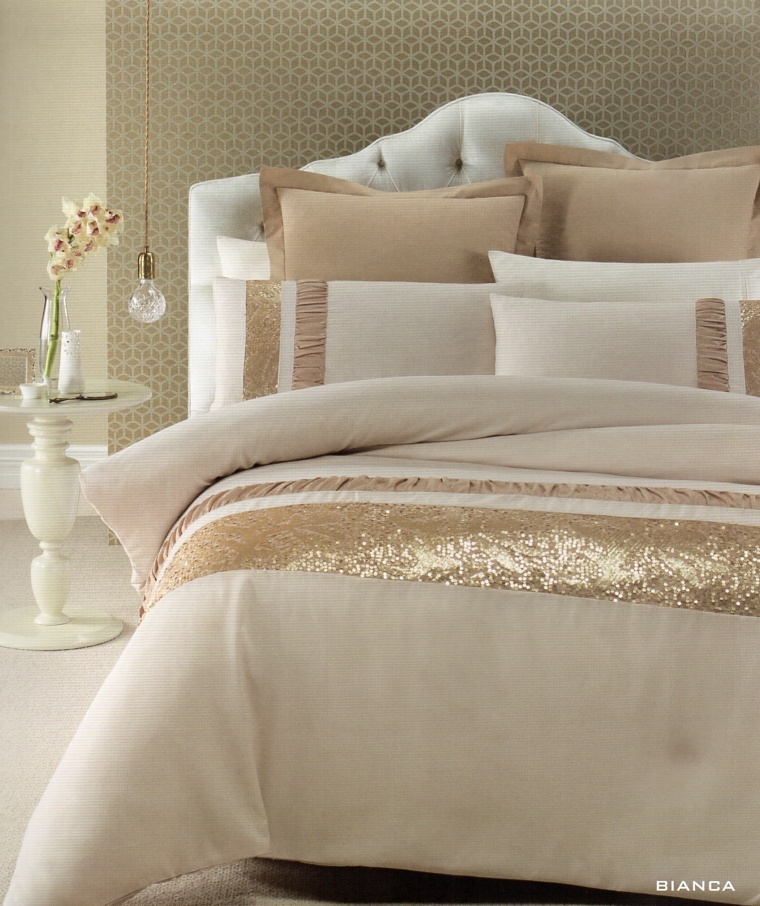
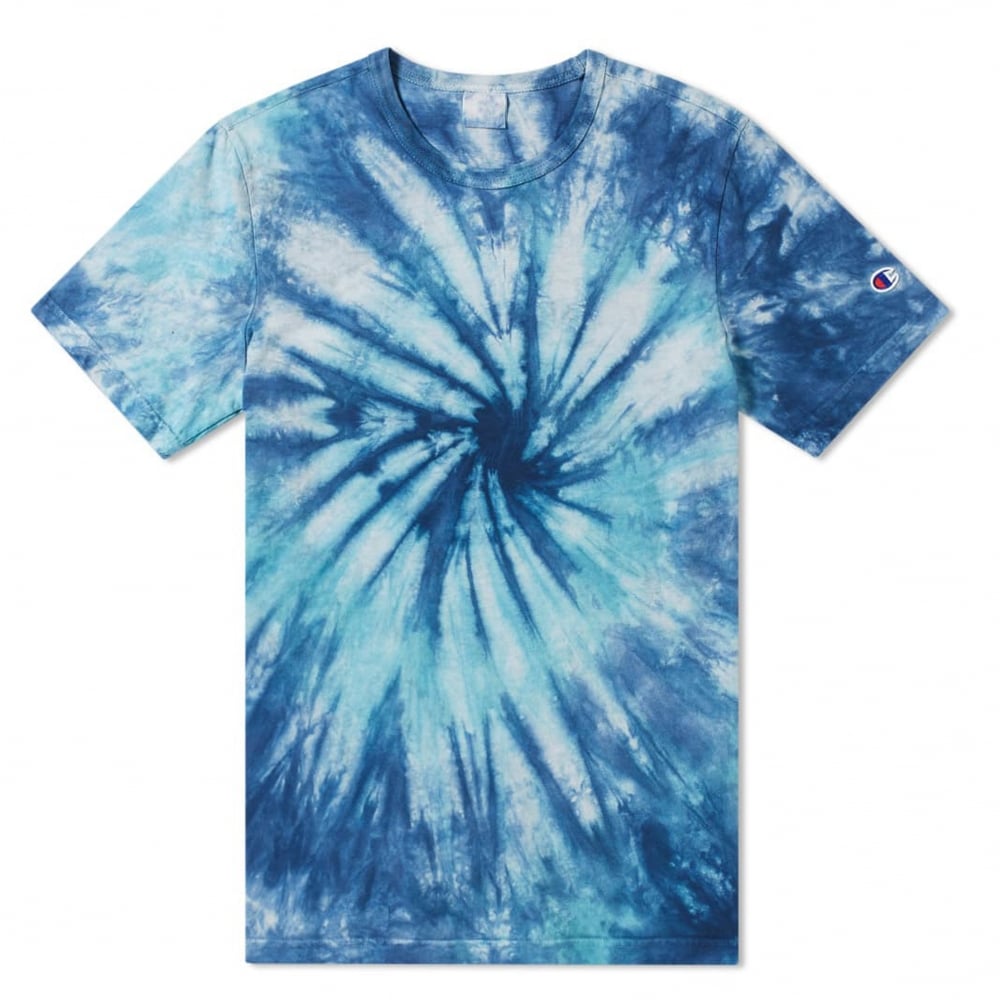
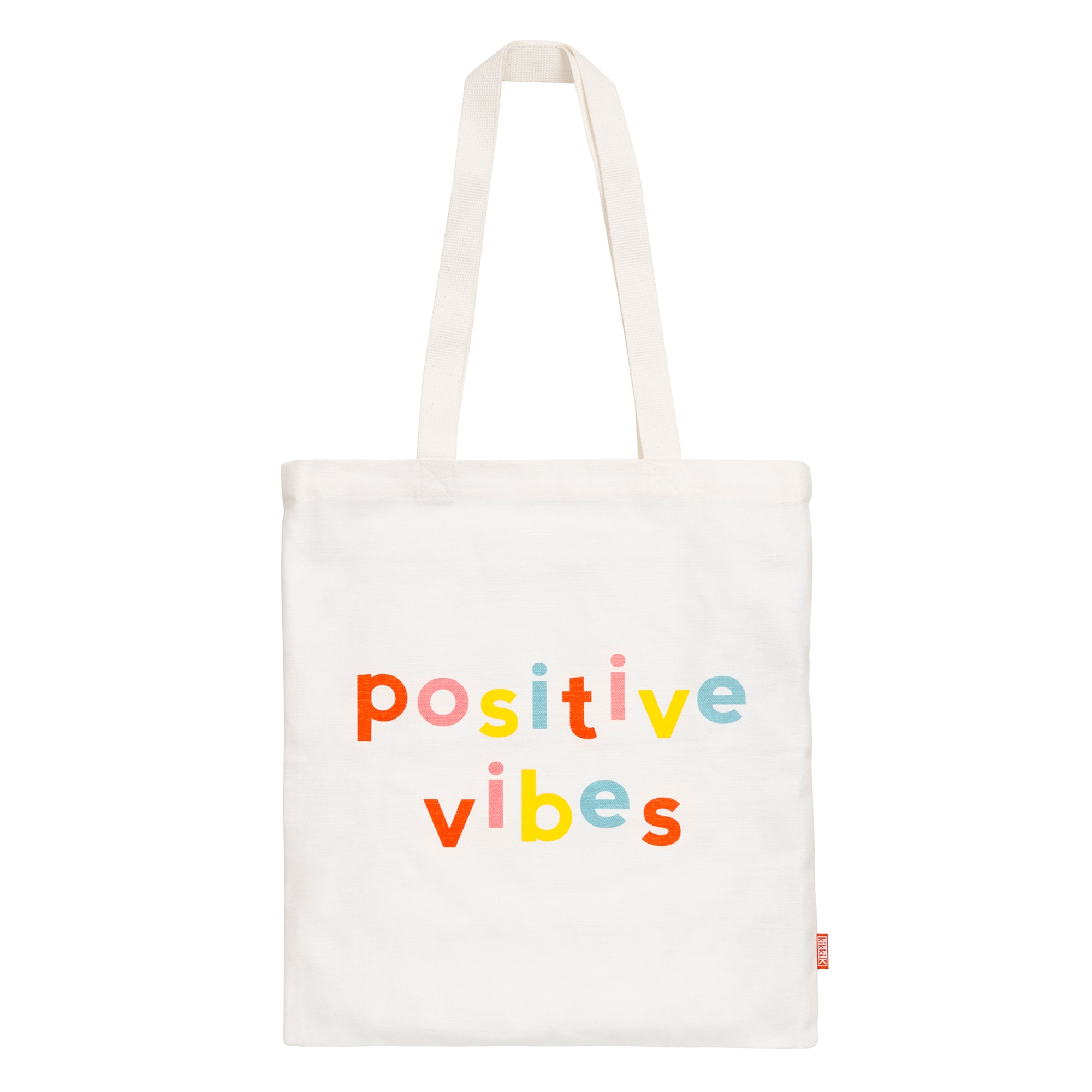
Some examples of textiles include (hint: there is more than one answer for this question):
Fibres are the _____________ unit of a textiles fabric. Fibres are hairlike strands which are twisted together to make yarns.
Biggest
Weakest
Smallest
Strongest

Yarns are made up of a number of fibres twisted together. The process of making yarns from fibres is called _____________ and makes the yarns strong, smooth and fine.
Twisting
Spinning
Felting
Bonding
Fibres that are small are called:
Tiny fibres
Filament fibres
Staple fibres
Weak fibres
Fibres that are long are called:
Big fibres
Filament fibres
Staple fibres
Strong fibres

Which fibre is sustainable?
Nylon
Cotton
Polyester
Acrylic
True or False - Some yarns can be made up of more than one kind of fibre.
True
False

The correct method of fabric production is:
Fibre > Yarn > Fabric
Fabric > Fibre > Yarn
Yarn > Fibre > Fabric
Fibre > Fabric > Yarn
The THREE main types of textile construction are:
Woven, Knitted and Bonded
Woven, Felted and Interlaced
Woven, Knitted and Non-woven
Bonded, Interwoven and Felted
Which of the following is NOT a purpose of Textiles:
Protection
Individualtiy
Decoration
Collection
Comfort
Which of the following are focus areas in textiles (hint: there is more that one answer to this question):
Apparel
Non- Apparel
Camping Equipment
Furnishings
Hats and Headwear
True or False - Electronic Textiles (E-Textiles) is a type of fabric that contains electronic elements.
True
False

There are TWO main classifications of fibres, they are:
Cotton
Manufactured
Synthetic
Natural

Natural fibres are ______________ and ________________ .
Renewable resources
Non - renewable
Finite
Infinite

Cotton, Wool, Linen and Silk are examples of:
Natural Fibres
Manufactured Fibres

Polyester, Nylon and Acrylic are examples of:
Natural Fibres
Manufactured Fibres

Which of the following is an advantage of cotton:
Expensive
Stiff
Comfortable
Sparkly

This is a fine, lustrous (shiny) fibre that comes from a cocoon spun by a worm. It is sensitive to heat, sunlight and water spots.
Flax
Silk
Acrylic
Cotton

Fibres that form the fleece of a sheep are:
Wool
Cotton
Leather
Nylon
True or False - Wool is a renewable fibre.
True
False

What finish adds colour to fabrics?
Quilting
Beading
Brushing
Dyeing

A common stitch used in sewing and embroidery where the thread runs in and out of the fabric
Chain stitch
Running stitch
Blanket stitch
Cross stitch

A sewing and embroidery technique in which a series of looped stitches form a chain-like pattern
Running stitch
Lazy daisy stitch
Chain stitch
Blanket stitch

A sewing and embroidery stitch that includes a series of flat stitches that are used to completely cover a section of the background fabric.
Satin stich
French knot
Feather stitch
Cross stitch

