wayground logo

Free Printable Worksheets

NEW

Font size

S
M
L
XL
Worksheets

2nd Science District Benchmark Review

Total questions: 51

Worksheet time: 2hrs 48mins

Name
Class
Date
1.
Which characteristic is inherited?
a)
hair color
b)
sleeping late
c)
enjoying hiking
d)
loving to read
2.
What is the main difference between the offspring produced by sexual reproduction and asexual reproduction?
a)
Offspring produced sexually receive genetic material from one parent.
b)
Offspring produced by sexual reproduction receive genetic material from two parents.
c)
Offspring produced by sexual reproduction receive genetic material from two parents.
d)
Asexual and sexual reproduction are the same thing.
3.

Genetics is

a)

The passing of traits from 1 organism to another

b)

the mix of elements

c)

the process where plants make food from the sun

4.

Every cell in your body other than sex cells has ____ chromosomes

a)

23

b)

46

c)

48

5.

Threadlike structures within a cell’s nucleus that contain DNA that is passed from one generation to the next

a)

Alleles

b)

Genes

c)

Chromosomes

6.
What is one way in which all living things on Earth are alike?
a)
All living things have hair.
b)
All living things are made of cells and come from other cells.
c)
The cells of all living things have chloroplast.
d)
All living things can move. 
7.
Which statement reflects one of the major components of the cell theory?
a)
All living things are multi-cellular.
b)
Organs are the basic unit of structure and function for all living things.
c)
All cells come from previously existing cells.
d)
Every organism has a reproductive system to ensure survival of the species.
8.
The Cell Theory states...
a)
atoms create all matter
b)
living things evolve
c)
the cell is the backbone of all matter
d)
cells are the basic unit of structure and organization of organisms
9.
The process where plants use the light from the sun to convert carbon dioxide and water into glucose. 
a)
Phototropism
b)
Chloroplast
c)
Photosynthesis
d)
Prokaryotic
10.
Which organelle performs PHOTOSYNTHESIS?
a)
Chloroplast
b)
Mitochondria
11.
I am only found in a plant cell. What am I?
a)
cell wall
b)
mitochondria
c)
cytoplasm
d)
chloroplast
12.
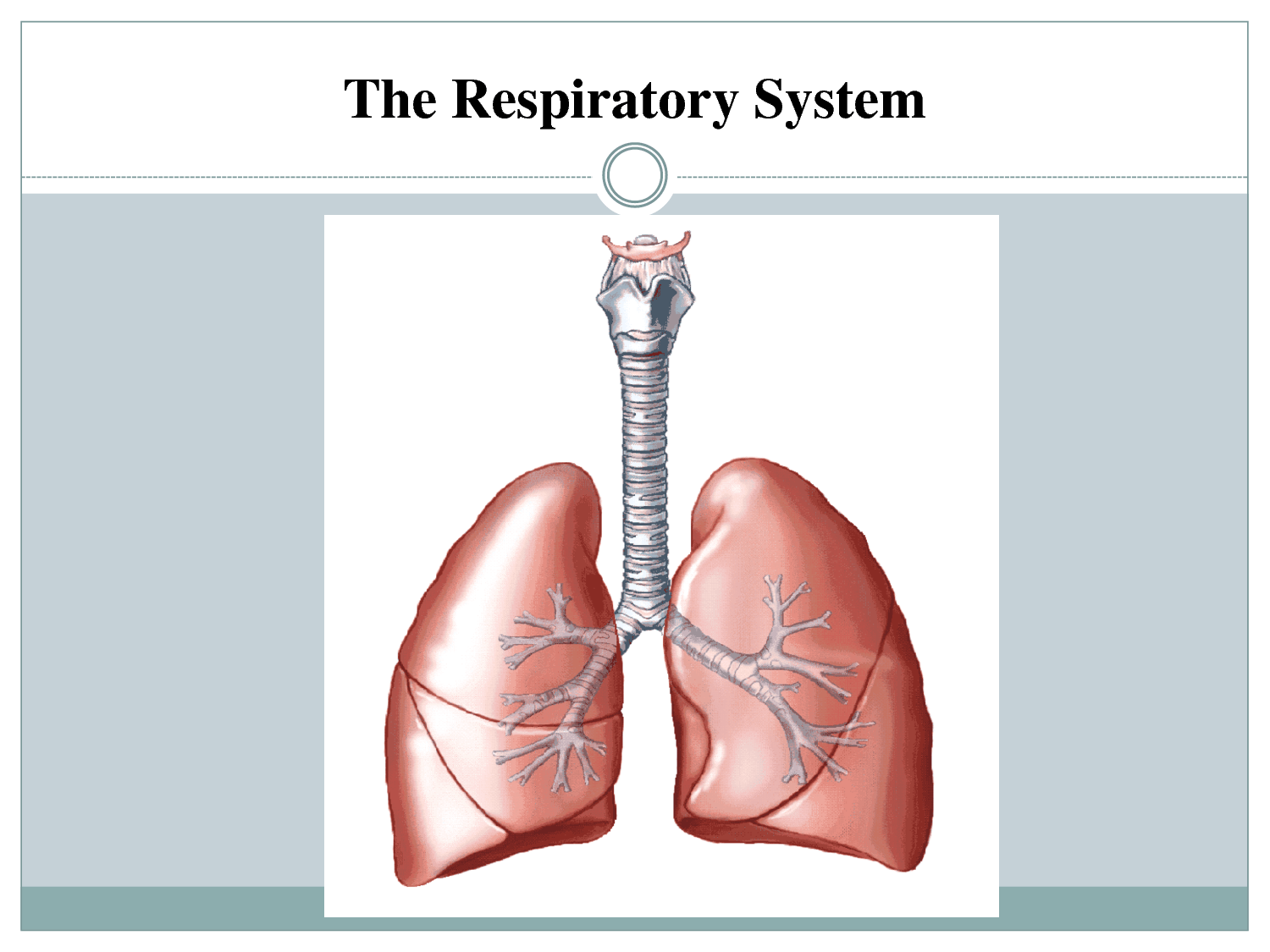
What is the main function of the respiratory system?
a)
to provide oxygen and remove carbon dioxide from the body
b)
to bring oxygen to the body
c)
to break down food and absorb nutrients
d)
to remove oxygen from the body and deliver carbon dioxide
13.

The job of the heart is to . . .

a)

pump blood around the body.

b)

send food to the small intestines.

c)

break down food.

d)

give energy to the body.

14.
What is a producer?
a)
an organism that gets energy from eating other organisms
b)
an organisms that uses sunlight to make its own food
c)
an organism that gets energy from eating dead organisms, non-living material or waste
d)
an organism that uses chemical energy to make its own food
15.
The largest group of organisms found in a food web would be:
a)
Primary Consumers
b)
Producers
c)
Decomposers
d)
Tertiary Consumers
16.
Where does the energy start in this food chain?
a)
Plant
b)
Sun
c)
Deer
d)
Wolf
17.
Which is the correct food chain order?
a)
Plant-->1st Consumer--> 2nd Consumer 
b)
Plant <-- 1st Consumer <-- 2nd Consumer
c)
2nd consumer     --> 1st consumer  --> Plant
d)
1st Consumer      --> 2nd consumer --> Plant
18.
What is the name of the organism at the beginning of every food chain?
a)
producers
b)
consumers
c)
herbivores
d)
carnivores
19.
Which food chain is in the correct order?
a)
cat, grass, bird, snail
b)
bird, snail, grass, cat
c)
grass, snail, bird, cat
d)
grass, cat, bird, snail
20.
Which food chain is in the correct order?
a)
Sun, bird, caterpillar, plant
b)
bird, caterpillar, plant, Sun
c)
Sun, plant, caterpillar, bird
d)
caterpillar, Sun, bird, plant
21.

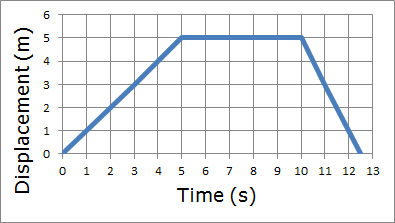
According to the graph how far does the person travel in the first 5 seconds?

a)

2 m

b)

10 m

c)

0 m

d)

5 m

22.

Soccer ball goes 18 feet in 2 seconds. What is the speed of the soccer ball?

a)

6 feet/senconds

b)

9 feet/seconds

c)

10 feet/second

23.

A dog can run 50 km in 5 days. What is the speed of the dog?

a)

10 km/day

b)

5 km/day

c)

15 km/day

d)

50 km/day

24.

A car traveled 30 kilometers in 5 hours. What is the speed of the car?

a)

6

b)

42

c)

22

25.
__________ is stored energy. 
a)
Potential
b)
Kinetic
c)
None of the above 
d)
All of the above 
26.
Gravitational potential energy depends on the ________ and ________ of the object. 
a)
Height and mass
b)
Friction and movement
c)
Mass and Movement
d)
Height and Friction 
27.
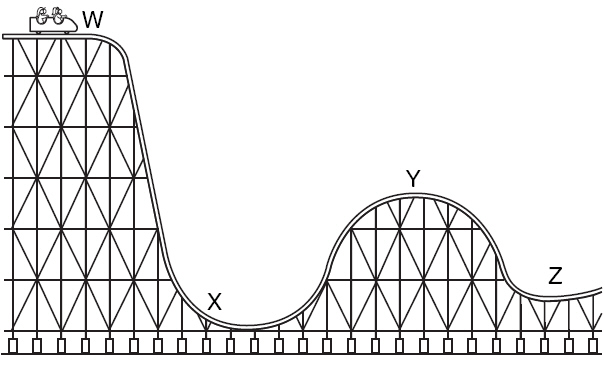
At which point is potential energy greatest?
a)
W
b)
X
c)
Y
d)
Z
28.
At which point is kinetic energy greatest? 
a)
W
b)
X
c)
Y
d)
Z
29.
Jack has a rock. The rock has a mass of 14g and a volume of 2cm3. What is the density of the rock?
a)
7 mL
b)
7 g/cm3
c)
28 g/cm3
d)
1/7 g/cm3
30.
Which lab tool might you use to measure the volume of a liquid?
a)
electric scale
b)
bunsen burner
c)
test tube
d)
graduated cylinder
31.
What is the volume of Object X?
a)
10.0 cm3
b)
15.0 cm3
c)
20.0 cm3
d)
25.0 cm3
32.
What is the formula for density?
a)
density = mass x volume
b)
density = mass / volume
c)
density = mass + volume
d)
density = mass - volume
33.
Frank has an eraser. It has a mass of 4g, and a volume of 2cm3. What is its density?
a)
8 g/cm3
b)
2 g/cm3
c)
1/2 g/cm3
d)
24 g/cm3
34.
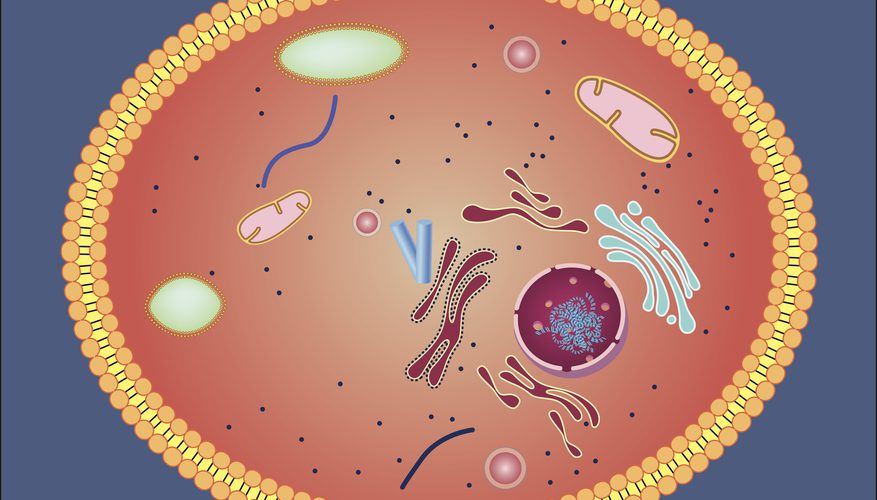
This organelle takes food and turns it into ENERGY for plant and animal cells.
a)
Chloroplast
b)
Mitochondria
c)
Lysosome
d)
Ribosome
35.
The site of photosynthesis
a)
ribosome
b)
mitochondria
c)
chloroplast
d)
nucleus
36.
Which cell structure is found in plant and animals cells and controls what can come into or leave a cell?
a)
cell membrane
b)
cytoplasm
c)
nucleus
d)
vacuole
37.
What is the gel-like substance inside of cells called?

a)
photoplasm
b)
photosynthesis
c)
cytoskeleton
d)
cytoplasm
38.

A jelly-like fluid that lls all the empty space in the cell, giving it shape and keeping everything in place.

a)

chromatin

b)

cytoplasm

c)

nucleus

d)

nucleoplasm

39.

What important material is contained in the nucleus?

a)

Jeans

b)

Digestive enzymes

c)

DNA

d)

Nuclear ladders

40.
The circulatory system works with the ___________ system to provide our body with oxygen.
a)
respiratory
b)
digestive
c)
muscular
d)
skeletal
41.

When humans select for desirable traits in agricultural products or animals, rather than leaving the species to evolve and change gradually without human interference, like in natural selection.

a)

Natural Selection

b)

Artificial Selection

c)

Agricultural Bredation

d)

Human Selected Traits

42.
When using a dichotomous key to identify organisms, what do we look at?
a)
physical features
b)
weather patterns
c)
environment
d)
diet
43.

Which answer best describes the transfer of energy as it moves up the energy pyramid?

a)

Energy gets larger as you go up the pyramid.

b)

Energy gets smaller as you go up the pyramid.

c)

Energy stays the same as you go up the pyramid.

d)

What is energy?

44.

Where is the most energy stored?

a)

In the primary consumers because they eat the most.

b)

At the top of the pyramid since it is the highest.

c)

In the tertiary consumers because they are most abundant.

d)

In the producers because they are most abundant.

45.
When you are holding a book, energy is stored between the book and Earth; this type of energy is called ________ potential energy. 
a)
Kinetic
b)
Potential
c)
Gravity
d)
Friction 
46.
When you stretch a rubber band, you are storing __________ energy. 
a)
kinetic 
b)
potential
c)
none of the above
d)
all of the above 
47.
Gives the cell a rigid, box-like shape; outside of the cell membrane; in plants.
a)
cytoplasm
b)
chromatin
c)
cell wall
d)
cell membrane
48.
I am the tough exterior that protects plant cells and gives them their shape. Who am I?
a)
Cell wall
b)
Cell membrane
c)
Cytoplasm
d)
Mitochondria
49.
The Skeletal System does what?
a)
Support your body
b)
Help your body move with muscles
c)
all of the above
d)
protect your organs
50.
 What is the main function of the respiratory system?
a)
take in oxygen and exhale waste like carbon dioxide
b)
move nutrients throughout the body
c)
take in carbon dioxide and exhale oxygen
51.
Which organ system removes cellular wastes as the result of cellular respiration?
a)
nervous
b)
digestive
c)
excretory
d)
circulatory