wayground logo

Free Printable Worksheets

NEW

Font size

S
M
L
XL
Worksheets

Stream: Midterm Review 2018

Total questions: 65

Worksheet time: 1hrs 8mins

Name
Class
Date
1.
Which of the following organisms is a herbivore.
a)
butterfly
b)
snake
c)
fox
d)
ladybird
2.
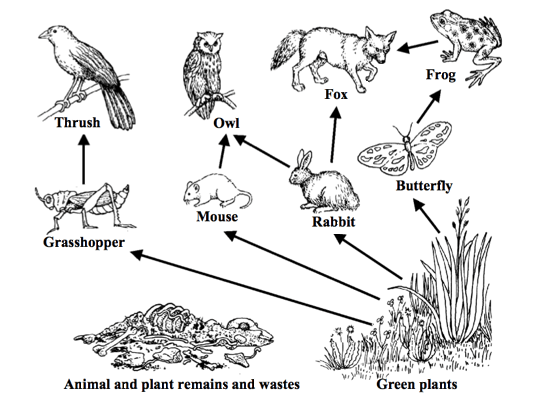
The owl receives energy from which organisms?
a)
grasshopper and mouse
b)
mouse and rabbit
c)
rabbit and butterfly
d)
butterfly and frog
3.
All energy on Earth ultimately comes from what source?
a)
Water
b)
Sun
c)
Consumers
d)
Oxygen
4.
An organism that needs to eat other organisms to obtain energy is known as a:
a)
Autotroph
b)
Producer
c)
Consumer
d)
Mutualist
5.
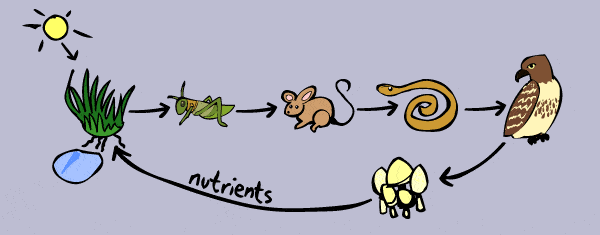
What does a food chain represent?
a)
How all living organisms within a habitat are connected.
b)
All of the things that a particular animal eats.
c)
How plants create their own food.
d)
A single path of energy transfer within a habitat.
6.

An __________ includes all living and non-living things in an environment.

a)

population

b)

niche

c)

abitotic

d)

ecosystem

7.
Decomposers get their energy from.....
a)
The Sun
b)
The energy produced within the system
c)
Breaking down dead organisms
8.
Plants are..
a)
Consumers
b)
Producers
c)
Decomposers
9.

A turtle is a

a)

bird.

b)

consumer.

c)

producer.

d)

decomposer.

10.

Consumers

a)

get energy from eating other food.

b)

make their own food.

c)

break down dead plants and animals.

11.

________________ are consumers that eat ONLY PLANTS.

a)

Herbivores

b)

Carnivores

c)

Omnivores

d)

Producers

12.

__________________ are consumers that eat ONLY MEAT (other animals)?

a)

Omnivores

b)

Carnivores

c)

Producers

d)

Herbivores

13.

__________________ are consumers that eat BOTH Plants and Animals for food.

a)

Omnivores

b)

Producers

c)

Herbivores

d)

Carnivores

14.
When a population grows past the ecosystem's carrying capacity, what happens to the population?
a)
Continues to grow
b)
The population starts to die off to return to carrying capcity
c)
The population will go extinct due to lack of resources
d)
The population grows then finds a new carrying capacity
15.
A population is...
a)
A group of one species in one area
b)
Multiple species that live in one area
c)
All of the living and nonliving things in an area
d)
None of these
16.
The largest number of individuals in a species that an environment can support long term
a)
carrying capacity
b)
emigration
c)
immigration
d)
population density
17.
If the environment gets cold, we will often shiver in order to:
a)
keep body temperature the same as the external temperature
b)
decrease body temperature
c)
increase body temperature
d)
regulate blood pressure
18.
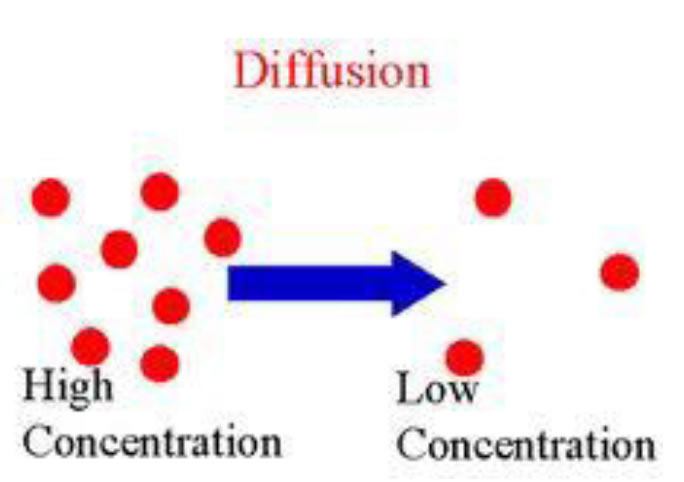
Movement of particles from high to low concentration. 
a)
Passive Transport
b)
Active Transport
19.
Osmosis is a form of ______________. 
a)
Passive Transport
b)
Active Transport
20.
a)
Passive Transport
b)
Active Transport
21.
Exocytosis
a)
Passive Transport
b)
Active Transport
22.
Endocytosis
a)
Passive Transport
b)
Active Transport
23.
Passive transport requires no
a)
concentration gradients
b)
osmosis
c)
motion
d)
energy
24.
This is a picture of
a)
Cell wall
b)
Cell membrane
c)
chloroplast
d)
mitochondria
25.
How does a cell maintain homeostasis?
a)
Regulates what enters and leaves the cell
b)
Flexibility
c)
Protective barrier
d)
Structure and support
26.
The maintenance of an organism’s internal environment is called:
a)
compensating
b)
homeostasis
c)
balancing
d)
routine
27.
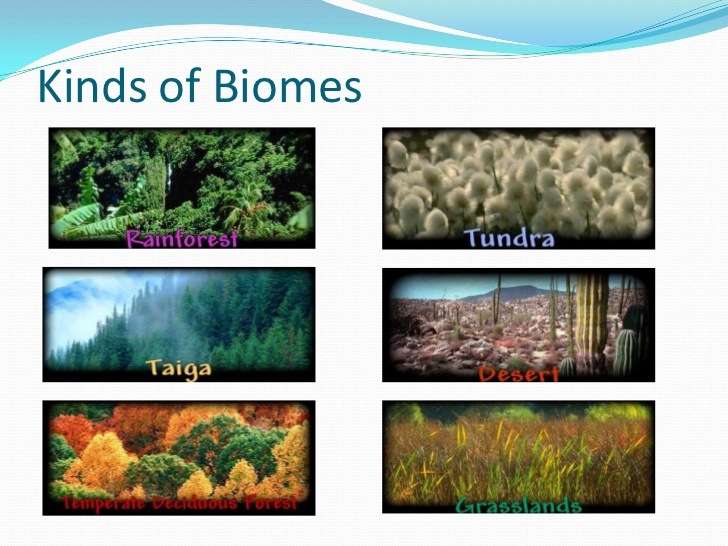
What is the main factor that separates the biomes?
a)
Land
b)
Water
c)
Climate
d)
Longitude
28.
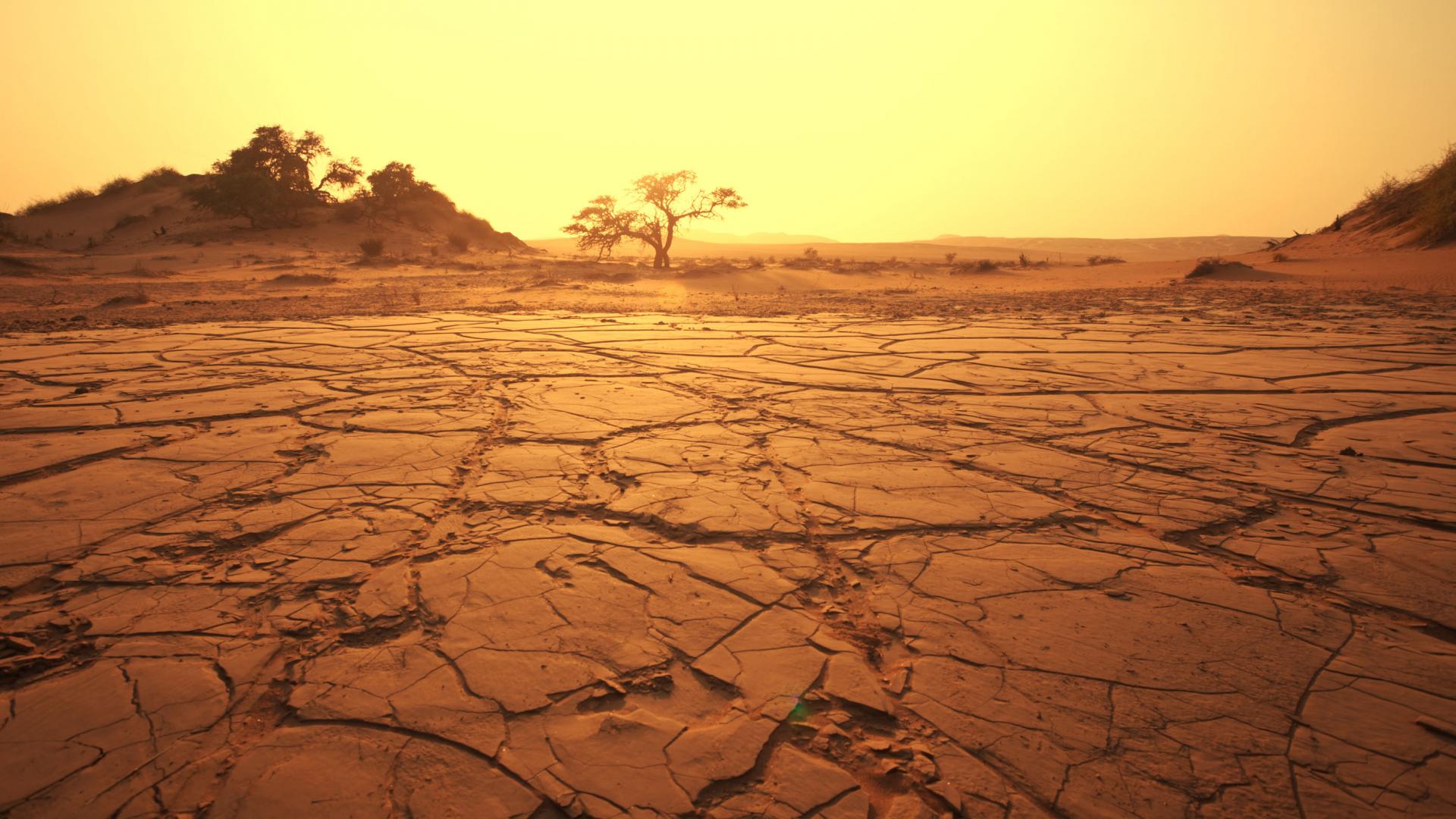
Which biome is the driest?
a)
Desert
b)
Tundra
c)
Taiga
d)
Rainforest
29.
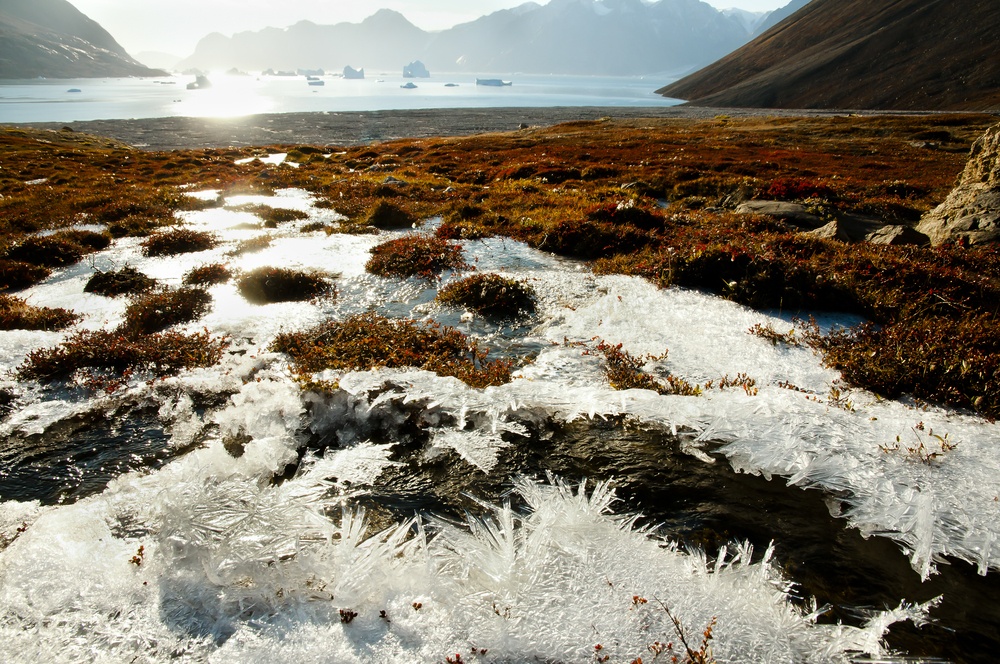
Which Biome has permafrost?
a)
Temperate Forest
b)
Rainforest
c)
Taiga
d)
Tundra
30.
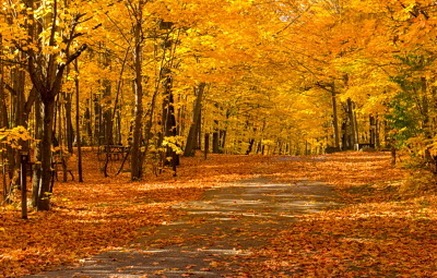
Which biome has deciduous trees (which lose their leaves)?
a)
Temperate Forest
b)
Rainforest
c)
Grasslands
d)
Taiga
31.
Which biome has deciduous trees (which lose their leaves)?
a)
Temperate Forest
b)
Rainforest
c)
Grasslands
d)
Taiga
32.
Which biome has coniferous trees (which don't lose their leaves)?
a)
Taiga
b)
Temperate Forest
c)
Tundra
d)
Grasslands
33.
Which biome has wide-open fields of grass?
a)
Taiga
b)
Grasslands
c)
Temperate Forest
d)
Rainforest
34.
Which biome has the most variety of plants and animals?
a)
Temperate Forest
b)
Rainforest
c)
Tundra
d)
Grasslands
35.
Which biome is home to lions, zebras, wildebeests, giraffes, and elephants?
a)
Grasslands
b)
Tundra
c)
Rainforest
d)
Temperate Forest
36.
A living or once-living organisms in an ecosystem is a
a)
population
b)
biotic factor
c)
abiotic factor
d)
community
37.
A nonliving element in an ecosystem is an 
a)
animal
b)
abiotic factor
c)
biotic factor
d)
organism
38.

Dog barks. Cat runs away. Which is the response?

a)

Dog barks.

b)

Cat runs away.

c)

neither

d)

both

39.
Which of the following is the correct order of organization in living things from most basic (simple) to most complex?
a)
a.  Organism, cell, tissue, organ, organ system
b)
a.  Organ system, organ, tissue, cell, organism
c)
a.  Cell, tissue, organ, organ system, organism
d)
a.  Cell, organ, tissue, organ, organism, organ system
40.
Which of the following statements is not part of the cell theory?
a)
Cells are the basic unit of structure and function in all living things.
b)
All cells are produced from other cells.
c)
Only animal cells are composed of cells.
d)
All living things are composed of cells.
41.

This thin layer protects the cell and regulates what substances enter and leave the cell.

a)

Cell membrane

b)

Cell

c)

Cell wall

d)

Golgi body

42.

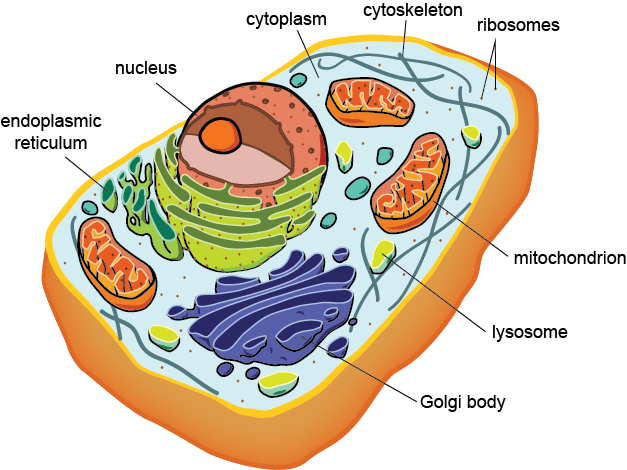
Directs all cell activities through the DNA located there.

a)

Lysosomes

b)

Nucleus

c)

Ribosomes

d)

Mitochondria

43.
What can only be found in plant cells?
a)
Cell membrane
b)
Vacuole
c)
Chloroplast
d)
Mitochondrion
44.

I am fluid filled within the cell

a)

Mitochondrion

b)

Vacuole

c)

cytoplasm

d)

Cell membrane

45.
The powerhouse of the cell is the...
a)
Mitochondrion
b)
Golgi body
c)
Nucleus
d)
Ribosomes
46.
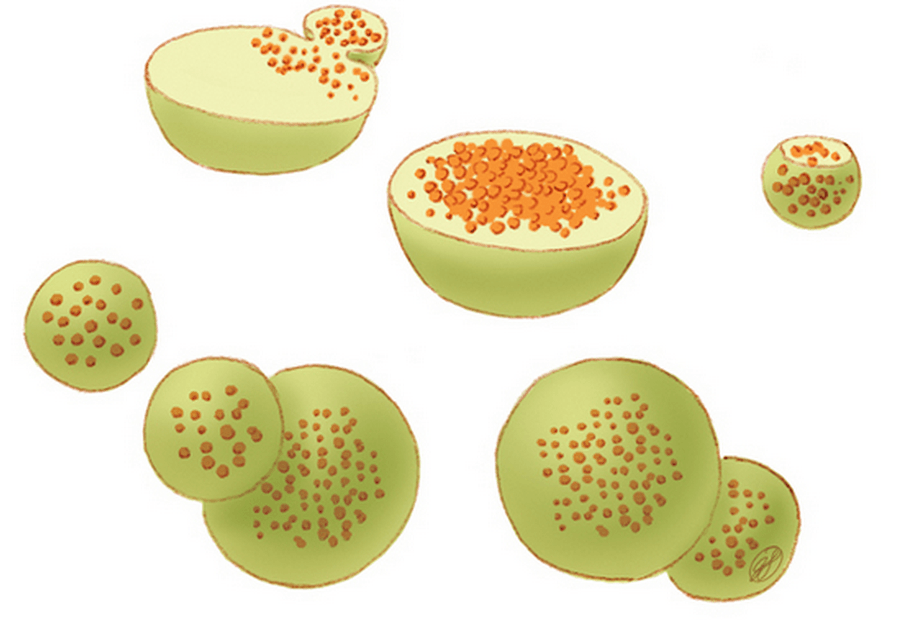
Where are proteins made?
a)
Golgi body
b)
Mitoichondrion
c)
Chromosomes
d)
Ribosomes
47.
Where are ribosomes produced?
a)
Nucleolus
b)
Endoplasmic reticulum
c)
Golgi body
d)
Vessicle
48.
What is found in both plant and animal cells but is much larger in plant cells?
a)
Nucleus
b)
Mitochondrion
c)
Chloroplast
d)
Vacuole
49.
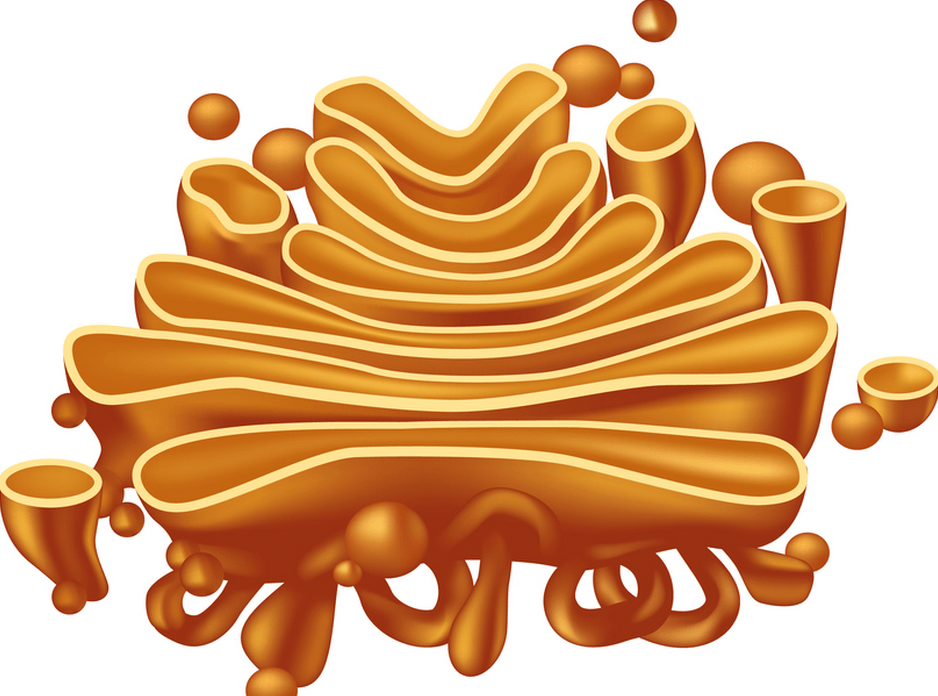
I am a protein packaging and shipping machine! Who am I?
a)
vacuole
b)
ribosome
c)
mitochondrion
d)
golgi apparatus
50.
You might think of me as the trash collector, but recycler is maybe more accurate. What am I?
a)
mitochondria
b)
lysosome
c)
vacuole
d)
ribosome
51.
The diffusion of WATER across a semi-permeable membrane is
a)
osmosis
b)
diffusion
c)
endocytosis
d)
exocytosis
52.
The movement of molecules from higher concentration to lower concentration is
a)
diffusion
b)
cell division
active transport
c)
active transport
d)
tonicity
53.
An _____  can make its own food, while a _____ cannot make its own food.
a)
Autotroph, Heterotroph 
b)
Heterotroph, Autotroph
c)
Chlorophyll, Chloroplast 
54.
What is the process called when a cell captures energy from the sun and uses it to make food?
a)
Cellular Respiration
b)
Autotroph 
c)
Photosynthesis
55.
What happens during Cellular Respiration?
a)
Cells produce glucose
b)
Cells obtain energy from glucose
c)
Cells use sunlight to make food
56.
Like cellular respiration, fermentation releases energy, but it does not require _________
a)
Oxygen
b)
Sunlight
c)
Glucose
57.
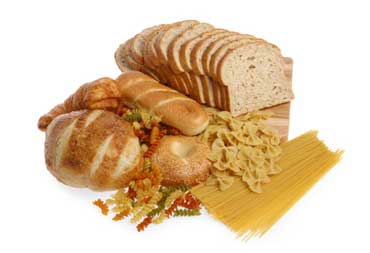
Which biomolecule is found in pasta and bread?
a)
Lipid
b)
Protein
c)
Nucleic Acid
d)
Carbohydrate
58.
Which biomolecule is a main source of quick energy?
a)
Nucleic Acid
b)
Protein
c)
Lipid
d)
Carbohydrate
59.
Which biomolecule is found in fats, oils, and waxes and is a source of long-term energy
a)
Proteins
b)
Nucleic Acid
c)
Lipids
d)
Carbohydrate
60.

Which biomolecule helps form muscles?

a)

Nucleic Acid

b)

Carbohydrate

c)

Protein

d)

Lipids

61.

What is the energy molecule for all living cells?

a)

ADP

b)

ATP

c)

Protein

d)

Sugars

62.

The process of becoming physically larger...

a)

growth

b)

development

63.

The process of becoming a more complex organism...

a)

growth

b)

development

64.
In the energy pyramid here, which organisms have the most energy available?
a)
Producers
b)
Carnivores
c)
Herbivores
d)
Top Predator
65.
True or False. In this Food Web Pyramid the consumers on each level only get about 10 percent of energy that the plants have stored.
a)
True
b)
False