wayground logo

Free Printable Worksheets

Font size

S
M
L
XL
Worksheets

Spiral Review Game

Total questions: 157

Worksheet time: 3hrs 30mins
Name
Class
Date
1.
Energy of motion is which type of energy?
a)
Potential
b)
Kinetic
c)
Sound
d)
Gravitational
2.
What type of energy is in this picture?
a)
Kinetic
b)
Potential
c)
Chemical
d)
Sound
3.
When plants convert the sun's energy into food, which type of energy is it?
a)
kinetic
b)
chemical
c)
thermal
d)
radiant
4.
What kind of energy is represented in this picture?
a)
Thermal
b)
Potential
c)
Nuclear
d)
Mechanical
5.
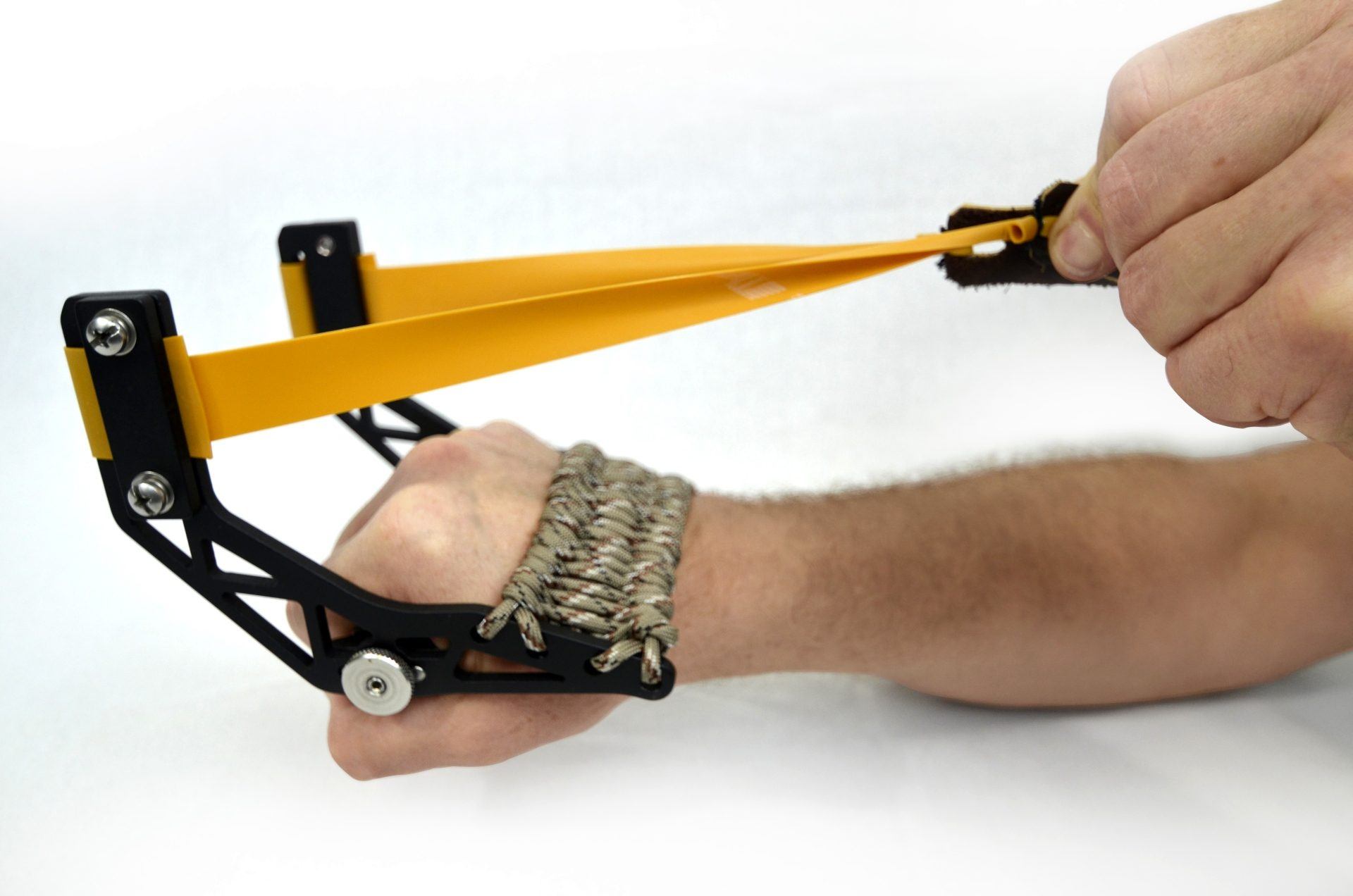
What kind of energy does this device use?
a)
Chemical
b)
Electrical
c)
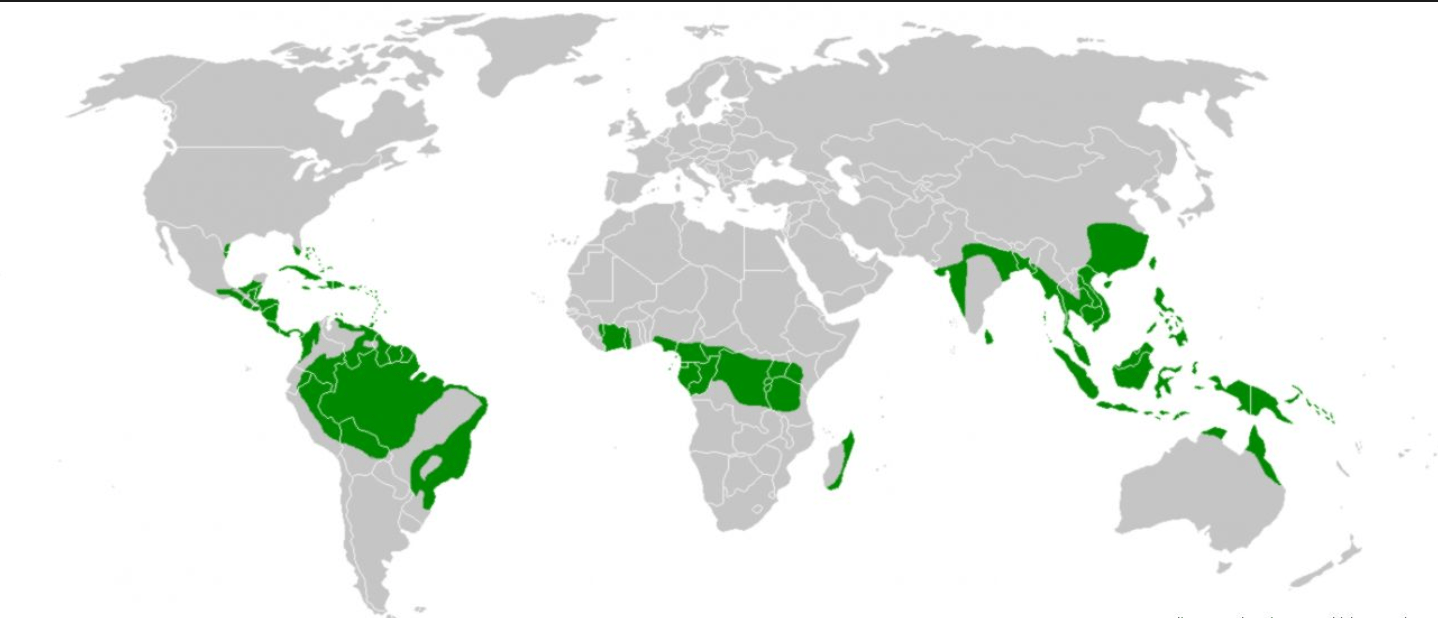
Thermal
d)
Chemical
6.
What kind of energy is represented in the picture?
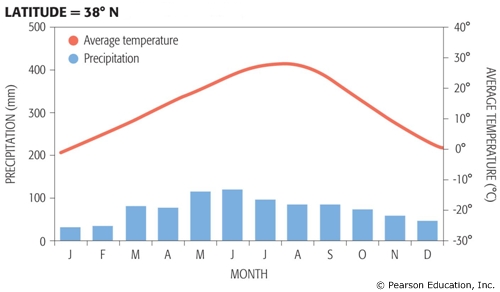
a)
Thermal
b)
Chemical
c)
Sound
d)
Nuclear
7.
A battery converts what type of energy to another?
a)
sound to kinetic
b)
light to heat
c)
mechanical to electrical
d)
chemical to electrical
8.
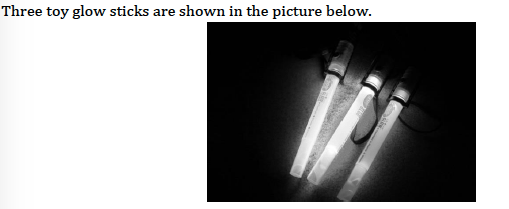
The glow sticks produce light for a short amount of time. The light from the glow stick is a conversion from what to what?
a)
thermal to light
b)
gravitational to potential
c)
radiant to electrical
d)
chemical to light
9.
Wind turbines and windmills convert what energy to another?
a)
Kinetic to electric
b)
Gravitational potential to electric
c)
Mechanical to potential
d)
Thermal to sound
10.
Work is:
a)
A transfer of energy by a force to move and object
b)
Something you get paid for
c)
Something you take home
d)
Makes you sweat
11.
What machine changes electrical energy into light and sound energy?
a)
battery
b)
lightbulb
c)
alarm clock
d)
apple
12.
On a roller coaster, where is maximum potential energy?
a)
At the bottom of a big hill
b)
When going around a corner
c)
When going upside down
d)
At the top of a big hill
13.
On a roller coaster, where is maximum kinetic energy?
a)
At the bottom of a big hill
b)
When going around a corner
c)
When going upside down
d)
At the top of a big hill
14.
Energy caused by the movement in the particles of matter. It is a form of kinetic energy.
a)
Nuclear energy
b)
Sound energy
c)
Light energy
d)
Thermal energy
15.
Energy that comes from the nucleus of an atom. A form of potential energy.
a)
chemical energy
b)
Nuclear energy
c)
Sound energy
d)
Electrical energy
16.
According to which law of energy, energy can't be created or destroyed?
a)
First law of motion
b)
The law of tacos
c)
Laws of Energy
d)
law of conservation of energy
17.
The purpose of the panels is to change solar energy into ____________.
a)
light energy
b)
electrical energy
c)
chemical energy
d)
mechanical energy
18.
What does every food chain start with? (Even if it's not drawn or written there!)
a)
producers
b)
sun
c)
consumer
d)
decomposers
19.
An organism that needs to eat other organisms to obtain energy is known as a:
a)
Autotroph
b)
Producer
c)
Consumer
d)
Mutualist
20.
Consumer that eats plants
a)
heterotroph
b)
herbivore
c)
producer
d)
community
21.
What does a food web represent?
a)
All connections of energy flow throughout all organisms in a habitat.
b)
The specific ways that mutualism is carried out.
c)
A single pathway or energy flow between organisms. 
d)
How carnivores get their food. 
22.
relationship in which two species live closely together
a)
resource
b)
mutualism
c)
succession
d)
symbiosis
23.
The rabbit in this food web would be considered a:
a)
Decomposer
b)
Producer
c)
Secondary Consumer
d)
Primary Consumer
24.
Where an organism lives
a)
habitat
b)
niche 
c)
heterotrogh
d)
biosphere
25.
In this Food Web Pyramid Which type of consumer gets only 10% of the energy stored in plants?
a)
Herbivore
b)
Carnivore
c)
Omnivore
d)
Secondary Consumer
26.
Which one is not a consumer?
a)
anemone 
b)
bear
c)
shark
d)
vulture
27.
What is the term for each step in the transfer of energy and matter within a biological community?
a)
energy path
b)
food web
c)
trophic level
d)
food pyramid
28.
The image provided is an example of a(n):
a)
Carnivore
b)
Herbivore
c)
Producer
d)
Autotroph
29.
The amount of energy that usually transfers from one trophic level to the next...
a)
10%
b)
20%
c)
80%
d)
50%
30.
An illustration that uses arrows to show the MANY possible directions in which matter and energy can pass through the organisms in an ecosystem.
a)
Food chain
b)
Food web
c)
Energy Pyramid
d)
Succession Map
31.
The nonliving aspects of an ecosystem.
a)
Abiotic factors
b)
Biotic factors
32.
The living portions of the ecosystem.
a)
Biotic factors
b)
Abiotic factors
33.
A graphic illustration that shows each trophic level and the amount of useable energy contained within.
a)
Food chain
b)
Food web
c)
Energy Pyramid
d)
All of these
34.
A collection of organisms that make up a community as well as all of the nonliving aspects of the environment.
a)
Population
b)
Community
c)
Habitat
d)
Ecosystem
35.
As you move upward, from level to level, in an energy pyramid, energy _____.
a)
increases
b)
decreases
c)
stays the same
d)
increases exponentially
36.
 plants that convert energy from the sun
a)
decomposer
b)
primary consumer
c)
secondary consumer
d)
producer
37.
What are the Abiotic factors in this image? 
a)
water, sunlight, dirt, air
b)
birds and plants
c)
birds, water, dirt
d)
plants, water
38.

___________ is when individuals permanently move into an area.

a)

Emmigration

b)

Immigration

c)

Live births

d)

Transformation

e)

Vacation

39.

_________ is when individuals permanently move out of / away from an area.

a)

Emmigration

b)

Immigration

c)

Inflow

d)

Outflow

e)

Population growth

40.

Which of the following is the definition for birth rate?

a)

The number of births per 1,000 individuals in a population in 1 year

b)

The number of births in a population

c)

The speed at which a species gives birth

d)

The quantity of births over an individual's lifetime

41.

Which of the following is the definition for death / mortality rate?

a)

The number of deaths per 1,000 individuals in a population during 1 year

b)

The number of deaths in a population

c)

The number of deaths in 1 year

d)

The speed at which a species matures and then dies

42.

What is this? (select two)

a)

Exponential growth

b)

Logistic growth

c)

J-shaped growth

d)

S-shaped growth

43.

What is this? (select two)

a)

Exponential growth

b)

Logistic growth

c)

J-shaped growth

d)

S-shaped growth

44.

What kind of curve describes human population growth right now?

a)
b)
c)
45.

Can the human population continue to grow in this way forever?

a)

Yes

b)

No

46.

Young wasps are eating the tomato hornworm that is their host. What is this an example of?

a)

commensalism

b)

mutualism

c)

parasitism

d)

competition

47.

A bird eats a worm. Who is the predator?

a)

the worm

b)

the bird

c)

both the bird and the worm

d)

neither the bird nor the worm

48.

In which type of symbiosis do organisms help each other?

a)

commensalism

b)

mutualism

c)

parasitism

d)

competition

49.

Two members of the same species fight over who gets a certain food.


Members of different species try to take over a certain nesting area.


These are both examples of

a)

commensalism

b)

mutualism

c)

parasitism

d)

competition

50.

What is an animal that is eaten by another animal called?

a)

prey

b)

predator

c)

producer

d)

herbivore

51.

Coyotes prey on prairie dogs.


In order for the prairie dog population to survive,

how many prairie dogs are needed compared to coyotes?

a)

fewer prairie dogs than coyotes

b)

many more prairie dogs than coyotes

c)

about the same number of prairie dogs as coyotes

d)

there is no relationship between the number of prairie dogs and coyotes

52.

What is an animal that catches and eats another animal called?

a)

prey

b)

predator

c)

community

d)

ecology

53.

A relationship between two organisms in which one benefits and the other is not affected

a)

commensalism

b)

mutualism

c)

parasitism

d)

competition

54.

A relationship in which two different organisms live in close association with each other

a)

mutualism

b)

parasitism

c)

predation

d)

symbiosis

55.

A relationship between two organisms in which one eats the other

a)

mutualism

b)

parasitism

c)

predation

d)

symbiosis

56.

A relationship between two organisms in which one benefits and the other is harmed

a)

commensalism

b)

parasitism

c)

predation

d)

symbiosis

57.

A relationship between two organisms in which both benefit

a)

mutualism

b)

parasitism

c)

commensalism

d)

predation

58.

The term used to describe a sparrow that has been caught by an eagle

a)

prey

b)

predator

c)

omnivore

d)

herbivore

59.

Certain ants eat a liquid called honeydew excreted by insects called aphids.


In exchange, the ants protect the aphids from predators.


What kind of relationship is this?

a)

mutualism

b)

parasitism

c)

commensalism

d)

predation

60.

Which statement describes the relationship between latitude and temperature?

a)

as latitude increases, temperature increases

b)

as latitude increases, temperature decreases

c)

there is no relationship between latitude and temperature

61.

What type of ecosystem would you be most likely to find at a latitude of 5°N?

a)

tropical rainforest

b)

temperature grassland

c)

polar desert

d)

boreal forest or taiga

62.

What type of ecosystem would you be most likely to find at a latitude of 70°N

a)

subtropical desert

b)

tropical rainforest

c)

boreal forest or taiga

d)

temperate grassland

63.

Which statement describes the relationship between altitude and temperature?

a)

as altitude increases, temperature increases

b)

as altitude increases, temperature decreases

c)

there is no relationship between altitude and temperature

64.

What are the two most significant abiotic factors that influence what type of biome is found in a geographic area?

a)

wind speed

b)

humidity level

c)

average temperature

d)

average precipitation

65.

Which ecosystem would you expect to find the greatest amount of biomass and biodiversity?

a)

temperate desert

b)

tropical rainforest

c)

boreal forest

d)

polar grassland

66.
a)
rainforest
b)
desert
c)
grassland
d)
taiga
67.
a)
desert
b)
temperate rainforest
c)
temperate deciduous forest
d)
grasslands
68.
a)
tundra
b)
taiga
c)
temperate rainforest
d)
desert
69.
a)
taiga
b)
desert
c)
tundra
d)
temperate deciduous forest
70.

Which biome is characterized by low temperatures and low amounts of rainfall (and other precipitation)?

a)

tundra

b)

desert

c)

temperate deciduous forest

d)

tropical rain forest

71.

Which biome covers most of the land mass near Earth's equator?

a)

tundra

b)

desert

c)

grassland

d)

tropical rainforest

72.

Which biome has the largest number of species of plants and animals (highest biodiversity)?

a)

tundra

b)

desert

c)

tropical rainforest

d)

pine forest

73.
One characteristic feature of tundra is that only the surface thaws in the summer and refreezes in the winter, leaving a layer of permanently frozen subsoil.  This characteristic is known as
a)
glaciation
b)
permafrost
c)
crystallization
d)
soilfrost
74.

Which biome contains large populations of grazing herbivores, few species of birds, and deep, rich soil?

a)

taiga

b)

tundra

c)

deciduous forest

d)

grassland

75.

The most important abiotic factors when studying biomes are...

a)

Soil and Freshwater

b)

Producers and Consumers

c)

Native Plants and Animals

d)

Precipitation and Temperature

76.

Which biome has deciduous trees (that lose their leaves in the fall)?

a)

Temperate Forest

b)

Rainforest

c)

Grasslands

d)

Taiga

77.

Which biome has 4 seasons?

a)

Taiga

b)

Tundra

c)

Tropical Rainforest

d)

Temperate Forest

78.

Which biome is home to cacti, scorpions, coyotes, kangaroo rats, and lizards?

a)

Desert

b)

Grasslands

c)

Temperate Forest

d)

Taiga

79.

lichens, mosses, grasses, and other low-growing plants are common vegetation in this biome due to the permafrost, low rainfall, and very cold temperatures.

a)

Desert

b)

Taiga

c)

Tundra

d)

Grasslands

80.

What term describes the living parts of an ecosystem?

a)

Biotic Factors

b)

Abiotic Factors

81.

A desert is very hot during the day and receives very little rain.

Which plants have an adaptation that would help them survive?

a)

plants with waxy coatings

b)

plants with deep roots

c)

plants with large leaves

d)

plants with soft stems

82.

An organism has thick white fur, a bushy tail, and short ears. It often burrows holes and curls into a ball for warmth. To which biome is this organism most likely adapted?

a)

Grassland

b)

Tundra

c)

Taigia

d)

Desert

83.

A biome is characterized by all of the following EXCEPT...

a)

human population size

b)

temperature

c)

precipitation

d)

plant and animal communities

84.

This biome, also called a boreal forest, has dense forests of conifers (cone-bearing evergreen trees). Temperatures are cold, but soil is not completely frozen.

a)

Tundra

b)

Taiga

c)

Temperate Forest

d)

Grasslands

85.

The three-toed sloth is adapted to living in a hot, humid climate with lush vegetation and no seasons. What biome would you most liked find this organism?

a)

Temperate Deciduous Forest

b)

Tropical Rainforest

c)

Grasslands

d)

Taiga (Boreal Forest)

86.

What can you infer about animals that live in the desert?

a)

Most of them are quite large

b)

Most of them are warm-blooded

c)

Most are unable to withstand temperatures below 90 degrees Fahrenheit

d)

Most can survive on very little water

87.

How can people change or impact biomes?

a)

By melting the permafrost with campfires

b)

By cutting down trees and polluting the water

c)

By raising different kinds of animals on farms

d)

By using canoes and boats to navigate rivers

88.

Which animal might you find on the savanna, or grassland?

a)

A

b)

B

c)

C

d)

D

89.

Which term best describes the species you can find in a tropical rainforest?

a)

Few and far between

b)

Diverse and large in number

c)

Mainly trees, with few animals

d)

Large in number, but limited in diversity

90.
a)
temperate deciduous forest
b)
tropical rainforest
c)
grassland
d)
temperate rainforest
91.
receives less than 25 cm of rainfall and has a cold dry climate
a)
tundra
b)
desert
c)
rainforest
d)
taiga
92.
receives less than 25 cm of rainfall and has a hot dry climate.
a)
desert
b)
grassland
c)
taiga
d)
temperate deciduous forest
93.
Cold forest with mostly cone bearing trees (evergreen trees)
a)
tundra
b)
taiga
c)
temperate deciduous forest
d)
grassland
94.
Moderate temperatures and moderate rainfall. This area has four seasons.
a)
taiga
b)
grassland
c)
temperate deciduous forest
d)
tundra
95.
Average Temperature: 9°C- 12°C  Precipitation: 200 cm- 400 cm per year
a)
rainforest
b)
temperate rainforest
c)
grassland
d)
taiga
96.
location: near the equatorWarm, wet weather with  lush plant growth Most diverse of all biomes
a)
temperate rainforest
b)
rainforest
c)
desert
d)
grassland
97.

Location: African Savannas and North American Plains

Dry seasons on this biome prevent the growth of trees.

Dominated by grasses

a)
tundra
b)
taiga
c)
grassland
d)
desert
98.
The summer is short and there is permafrost. 
a)
Tundra
b)
Taiga
c)
Deciduous Forest
d)
Grassland
99.
This biome is knows for having trees that lose their leaves such as maple or birch trees. 
a)
Tundra
b)
Taiga
c)
Deciduous Forest
d)
Grassland
100.
This biome has more biodiversity than any other land biome including exotic brightly colored birds and frogs
a)
Tundra
b)
Taiga
c)
Deciduous Forest
d)
Tropical Rainforest
101.
This is the biome we live in
a)
Tundra
b)
Taiga
c)
Deciduous Forest
d)
Tropical Rainforest
102.
If an animal was adapted to walking on snow what biome would they most likely live in. 
a)
Grassland
b)
Taiga
c)
Deciduous Forest
d)
Rainforest
103.
This biome is really cold in the winter and  cool or slightly cold in the summer.
a)
Deciduous
b)
Grassland
c)
desert
d)
Tundra
104.
This biome has over 200 cm of rain a year
a)
Rainforest
b)
Taiga
c)
Alpine
d)
Deciduous Forest
105.
this biome has less than 25 cm of rain
a)
Rainforest
b)
Taiga
c)
desert
d)
Deciduous Forest
106.
This biome has trees that lose their leaves every year. 
a)
Rainforest
b)
Taiga
c)
desert
d)
Deciduous Forest
107.
This biome has trees with waxy needles.
a)
Rainforest
b)
Taiga
c)
desert
d)
Deciduous Forest
108.
Animals adapt to this biome by having large ears or sleeping during the day. 
a)
Rainforest
b)
Taiga
c)
desert
d)
Deciduous Forest
109.
Which biome would have animals with grinding teeth made for eating grass
a)
Desert
b)
Rainforest
c)
savanna
d)
alpine
110.
This biome is so overgrown with plants that some plants like vines grow on trees. 
a)
Desert
b)
Rainforest
c)
savanna
d)
alpine
111.
If a population goes up. What else goes up?
a)
Predators
b)
Prety
c)
Community
d)
Competition
112.

Which organism is a producer

a)

crab

b)

mold

c)

pelican

d)

phytoplankton

113.

What would happen to the herbivores if grass died out?

a)

They would not be affected

b)

They would move out or die

c)

They would be eaten by more predators

d)

They would start eating meat

114.

What does a community include

a)

All the populations that live together

b)

The biotic and abiotic elements of the environment

c)

All the producers but not the consumers

d)

All the consumers but not the producers

115.

What is the difference between auditory and visual communication?

a)

Only auditory communication is used to find mates.

b)

Only visual communication is used to warn predators.

c)

Only visual communication uses echolocation to find food.

d)

Only auditory communications uses sound to send a message.

116.

What is the relationship between biomes and ecosystems?

a)

A biome may contain many ecosystems, and ecosystems within the same biome are typically home to similar species of organisms.

b)

An ecosystem may contain many biomes, and biomes within the same ecosystem are typically home to similar species of organisms

c)

Bothe biomes and ecosystems are characterized by their climate conditions and the communities that live in them: however, biomes refer to land environments and ecosystems refer to aquatic environments.

d)

Bothe biomes and ecosystems are characterized by their climate conditions and the communities that live in them: however, ecosystems refer to land environments and biomes refer to aquatic environments.

117.

If a hermit crab takes a shell that was discarded by another crab, what kind of relationship would it be?

a)

parasitism

b)

mutualism

c)

commensalism

d)

predator/prey

118.

What do decomposers do in an ecosystem?

a)

They control the polulation

b)

they compete with consumers for food

c)

they provide energy for producers

d)

they recycle energy and materials from dead organisms

119.

What does a food chain show?

a)

the feeding relationship between organisms

b)

the migration of organisms

c)

the increase of organisms

d)

the path of energy flow from producer to consumer

120.

Which of these is a biotic limiting factor?

a)

new predators move into the ecosystem

b)

a drought occurs

c)

a hurricane passes through

d)

living space is lost because of humans

121.

All of the following could limit the growth of a population except which factor?

a)

harsh winter

b)

increased predator population

c)

lack of rain

d)

plentiful food sources

122.

All of the following are visual communication examples EXCEPT...

a)

sage grouse mating dance

b)

shaking of a rattlesnake tail

c)

howl of a wolf

d)

lightning bug glowing

123.

The purpose of visual communication is to...

a)

ward off predators

b)

attract a mate

c)

locate food

d)

all of the answers above

124.

All of the following are auditory communication examples except...

a)

the song of a humpback whale

b)

the bugle of a bull elk

c)

the change in color of a chameleon

d)

the bark of a coyote

125.

The purpose of auditory communication is to...

a)

ward off predators

b)

attract a mate

c)

locate food

d)

all of the answers above

126.

A graph displaying the population of an organism and its predator's population over time looks like which of the following?

a)
b)
c)
d)
127.

Which would be a human activity that would limit a population's growth? Choose all that apply.

a)

hiking in the woods

b)

building highways across states

c)

factories with pollution flowing in the river

d)

canoeing on a lake

e)

over-hunting during deer season

128.
Which biome, because of its climate, has the largest number of species of plants and animals?
a)
tundra
b)
desert
c)
tropical rainforest
d)
pine forest
129.
Which type of trees is found in a temperate forest?
a)
deciduous
b)
evergreen
c)
ginko
d)
palm
130.
Which biome receives between 0 and 25 centimeters of precipitation each year, has a temperature range from -27 to 5 degrees Celsius, has frozen soil, and is home to hares, caribou, and wolves?
a)
desert
b)
mountain
c)
savannah
d)
tundra
131.
Which biome receives between 0 to 25 centimeters of rain per year, has a temperature range of 0 to 50 degrees Celsius, has poor soil, and is home to lizards, scorpions, and snakes?
a)
desert
b)
mountain
c)
taiga
d)
tundra
132.
The biome known for trees with broad leaves that fall off the trees in the winter.
a)
Coniferous Forests
b)
Deciduous Forests
c)
Deserts
d)
Tropical Rain Forests
133.
What are the key features of the Tundra?
a)
cold winter, thin acidic soil, evergreen trees
b)
treeless, permafrost, cold dark winters
c)
ong cool summers, short dark winters, migrating animals
d)
many evergreen trees, short moist summers, long snowy winters
134.
Which biome produces over 50% of the world's oxygen?
a)
Rainforest
b)
Temperate Forest
c)
Grasslands
d)
Taiga
135.
Temperature, sunlight and oxygen are examples of ____ factors.
a)
abiotic
b)
biotic
136.
What are areas where freshwater meets saltwater called?
a)
wetlands
b)
estuaries
c)
coastal byways
d)
intertidal zones
137.
Which statement is true about ponds but NOT lakes?
a)
plants surround the shore
b)
surface water contains organisms that use sunlight for photosynthesis
c)
sunlight reaches the bottom of the body of water
d)
people fill them in with sediment to create land for houses and buildings
138.
What is salinity?
a)
the amount of salt dissolved in water
b)
the amount of oxygen dissolved in water
c)
the amount of pollution in water
d)
the speed of the flow of water in a stream
139.
What happens as depth increases in an ocean?
a)
Light decreases and it gets colder
b)
Light increases and it gets warmer
c)
Nothing
140.
The algae and microscopic organisms on the surface of lakes and ponds get their food 
a)
by photosynthesis
b)
by eating
c)
through their gills
d)
through their stomata
141.
Why does photosynthesis not occur in the deep ocean? 
a)
Lack of nutrients
b)
Low oxygen levels
c)
Excess sunlight
d)
Sunlight does not penetrate
142.
A system made up of organisms interacting with one another
a)
biology
b)
abiotic
c)
biotic
d)
ecosystem
143.
An area in which fresh water from a river mixes with salt water from the ocean
a)
Mangrove Swamp
b)
Estuary
c)
Marshes
d)
Wetland
144.
An area of land that is periodically underwater
a)
Coral Reef
b)
Marshes
c)
Wetland
d)
Swamp
145.
Area dominated by woody plants such as flood-tolerant trees and shrubs
a)
Mangrove Swamp
b)
Swamp
c)
Salt Marshes
d)
Wetland
146.
A microscopic organism that float or drift freely in the waters of aquatic environments is 
a)
Benthos
b)
Plankton
c)
Nekton
d)
Littoral Zone
147.
Which is NOT example of freshwater ecosystems
a)
Coral Reef
b)
Lake
c)
Pond
d)
Stream
148.

Swamps are commonly found on

a)

rocky hillsides

b)

flat, poorly drained land

c)

mountain peaks

d)

bottoms of ponds or lakes

149.

Which is a freshwater ecosystem?

a)

Coral Reef

b)

Pond

c)

Benthos

d)

Nekton

150.
What aquatic biome is characterized by flowing fresh water?
a)
Lakes/Ponds
b)
Mangroves Swamps
c)
Rivers/Streams
d)
Coral Reefs
151.
Which biome is pictured below?
a)
ocean
b)
freshwater
c)
coral reef 
d)
wetland
152.
Which is NOT a function of wetlands
a)
Good Buffer against erosion
b)
Spawning grounds for fish
c)
Filter pollutants
d)
Place to leave garbage
153.

The difference between a lake and a pond is:

a)

A lake is larger than one acre.

b)

A lake has animals longer than 1 meter

c)

A pond has lillypads

d)

A lake has a zone the light cannot reach

154.

What is at the base of the food chain in the ocean?

a)

whales

b)

plankton

c)

turtles

d)

seaweed

155.
Which is NOT a freshwater ecosystem?
a)
a river
b)
a lake 
c)
an estuary
d)
a stream
156.
Temperature, sunlight and dissolved oxygen are all important factors in what?
a)
land ecosytems
b)
aquatic ecosystems
c)
deserts
d)
grasslands
157.
Which is NOT a freshwater ecosystem?
a)
stream
b)
lake
c)
ocean
d)
river