wayground logo

Free Printable Worksheets

Font size

S
M
L
XL
Worksheets

Science Review

Total questions: 161

Worksheet time: 2hrs 12mins

Name
Class
Date
1.
24 hours
a)
day
b)
night
c)
orbit
d)
tilt
2.
____ comes before Winter in the Southern hemisphere. 
a)
summer
b)
spring
c)
fall
3.
Australia is in the ____ hemisphere. 
a)
northern
b)
southern
4.
The next season in the Northern hemisphere after spring is ____. 
a)
fall
b)
summer
c)
winter
5.

When Fox Lane Middle School is facing away from the Sun its _____. 

a)

day

b)

night

6.
Object spinning on its axis. 
a)
revolution
b)
rotation
7.
Object orbiting another object. 
a)
revolution 
b)
rotation
8.
Longest day of the year
a)
Autumnal Equinox
b)
Summer Solstice 
c)
Winter Solstice
d)
Vernal Equinox
9.
Shortest day of the year
a)
Autumnal Equinox
b)
Summer Solstice 
c)
Winter Solstice
d)
Vernal Equinox
10.
23.5 degrees
a)
axis
b)
day
c)
tilt
d)
rotation
11.
Imaginary line that runes through Earth. 
a)
orbit
b)
day
c)
tilt
d)
axis
12.
First day of spring
a)
Autumnal Equinox
b)
Summer Solstice 
c)
Winter Solstice
d)
Vernal Equinox
13.
First day of fall
a)
Autumnal Equinox
b)
Summer Solstice 
c)
Winter Solstice
d)
Vernal Equinox
14.
One year is...
a)
355 days
b)
355 1/4 days
c)
365 days
d)
365 1/4 days
15.
If its ____ in the Northern hemisphere, then its fall in the Southern hemisphere. 
a)
spring
b)
summer
c)
fall
d)
winter
16.
If its ____ in the Northern hemisphere, then its summer in the Southern hemisphere. 
a)
spring
b)
summer
c)
fall
d)
winter
17.
The hemisphere where you live
a)
northern
b)
southern
18.
Path an object revolves around another object.
a)
axis
b)
orbit
c)
tilt
19.
What moon phase is this picture?
a)
This is the full moon phase.
b)
This is the waxing gibbous moon phase.
c)
This is the waning gibbous moon phase.
d)
This is the first quarter moon phase.
20.
What moon phase is this picture?
a)
This is the waning crescent phase.
b)
This is the waxing gibbous phase.
c)
This is the waning gibbous phase.
d)
This is the new moon phase.
21.
What is this moon phase?
a)
This is the waxing crescent phase.
b)
This is the full moon phase.
c)
This is the waxing gibbous phase.
d)
This is the last quarter moon.
22.
What is this moon phase?
a)
This is the waxing gibbous moon phase.
b)
This is the last quarter moon phase.
c)
This is the first quarter moon phase.
d)
This is the new moon phase.  
23.
What moon phase is this picture?
a)
This is the full moon phase.  
b)
This is the waxing crescent moon phase.
c)
This is the waning gibbous moon phase.
d)
This is the waning crescent moon phase.
24.
What moon phase is this picture?
a)
This is the new moon phase.
b)
This is the waxing crescent moon phase.
c)
This is the waxing gibbous moon phase.
d)
This is the waning crescent moon phase.
25.
What moon phase is this image?
a)
This is the full moon phase.
b)
This is the last quarter moon phase.
c)
This is the waxing gibbous moon.
d)
This is the new moon phase.
26.
What phase of the moon is this image?
a)
This is the last quarter moon phase.
b)
This is the full moon phase.
c)
This is the first quarter moon phase.
d)
This is the waxing gibbous moon phase.
27.
What is the difference between a gibbous moon and a crescent moon?
a)
The gibbous shows more than half of the bright side of the moon.
b)
The crescent shows more than half of the bright side of the moon.
c)
The gibbous shows less than half of the bright side of the moon. 
28.
The moon seems to change shape from day to day in a cycle that lasts about a month as it goes through _.
a)
revolutions
b)
phases
c)
rotations
d)
eclipses
29.
As the moon's shape appears to get smaller, we say that the moon is _.
a)
swelling
b)
waxing
c)
waning
d)
disappearing
30.
Phases of the moon in which the moon appears to be getting larger are referred to as _.
a)
waxing
b)
waning
c)
new
d)
eclipse
31.
The cycle of the moon lasts about a _.
a)
day
b)
year
c)
week
d)
month
32.
How long is a lunar month?  
a)
30
b)
29.5
c)
27
d)
27.3
33.
What holds the planets in their orbits around the sun?
a)
gravity
b)
speed
c)
string
d)
air currents
34.
An _______ is between the orbits of Mars and Jupiter. 
a)
Oort Cloud
b)
Asteroid belt
c)
Kuiper belt
d)
Photosphere
35.
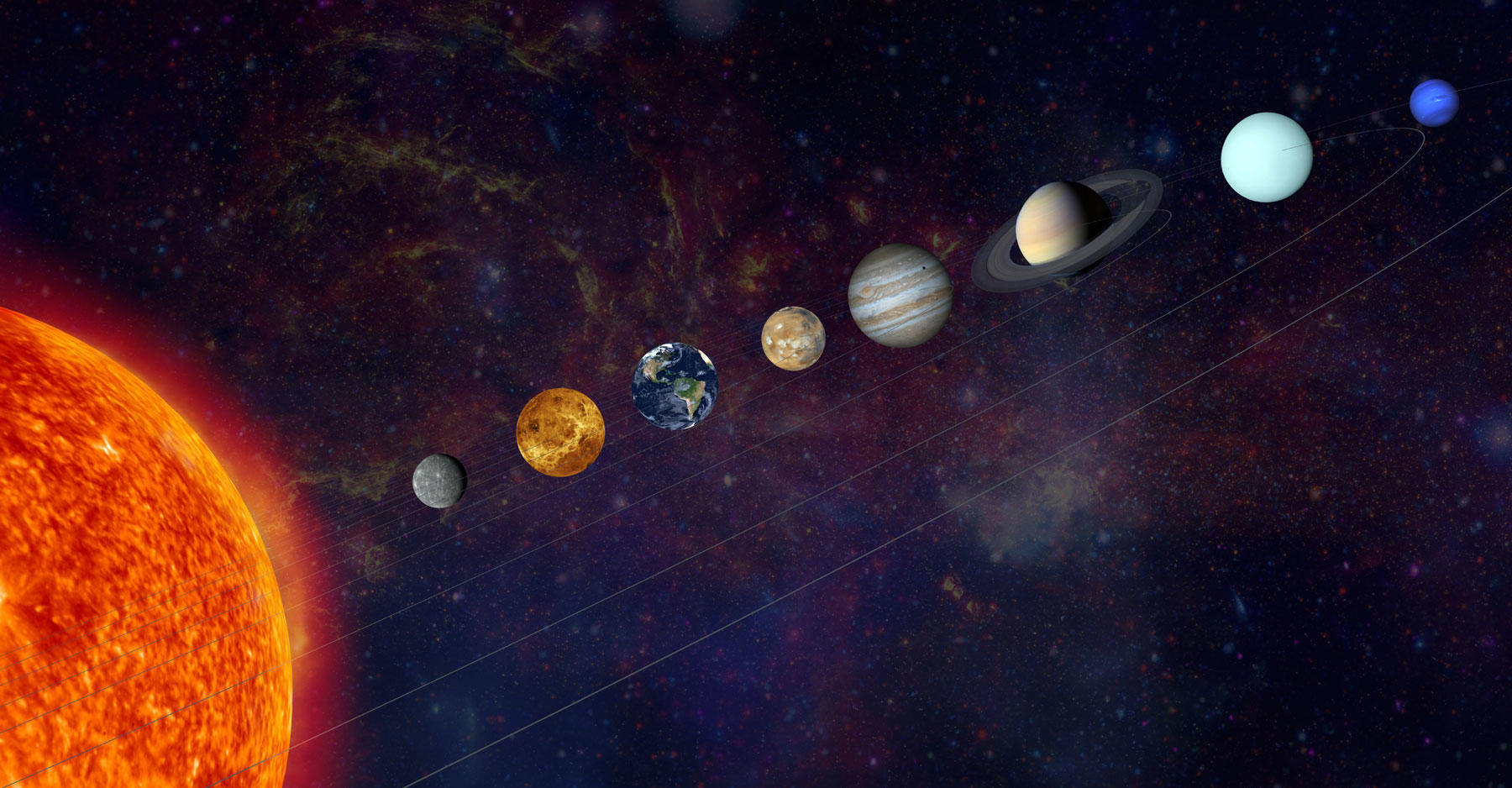
Venus, Mercury, Earth, and Mars are what type of planet?
a)
Gas Giants
b)
Ice Giants
c)
Terrestrial Planets
d)
Exterior Planets
36.
Which choice shows the correct order of the planets?
a)
Mars, Venus, Earth, Mercury, Jupiter, Saturn, Uranus, Neptune
b)
Earth, Venus, Mars, Mercury, Jupiter, Saturn, Uranus, Pluto
c)
Mercury, Venus, Earth, Mars, Jupiter, Saturn, Uranus, Neptune
d)
Saturn, Venus, Mars, Mercury, Jupiter, Neptune Mercury, Uranus
37.
What planet is it?
a)
Jupiter
b)
Saturn
c)
Uranus
d)
Venus
38.
Jupiter, Saturn, Uranus, and Neptune are what type of planets?
a)
Gas Giants
b)
Ice Giants
c)
Terrestrial Planets
d)
Exterior Planets
39.
The four terrestrial planets all have
a)
Rocky surfaces
b)
Hot temperatures
c)
Deep atmospheres
d)
Large size
40.
Two factors effecting the magnitude of the force of gravity between 2 objects are...
a)
mass and distance 
b)
mass and matter
c)
distance and weight 
d)
weight and mass
41.
Almost Earth’s twin in size and mass, this planet has very thick atmosphere.
a)
Venus
b)
Mars
c)
Mercury
d)
Neptune
42.
This gas giant has a large storm in its atmosphere known as The Red Spot
a)
Jupiter
b)
Saturn
c)
Uranus
d)
Neptune
43.
Most likely due to a massive collision, this planet rotates from top to bottom.
a)
Saturn
b)
Venus
c)
Neptune
d)
Uranus
44.
Planets that are closer to the sun
a)
take more time to orbit
b)
take less time to orbit
45.
True or False
The planets are all equally distanced from each other.
a)
True
b)
False
46.
Sometimes I am called a "dirty snowball". I have a hydrogen cloud, coma, and a nucleus. I am invisible except when near the sun. What am I?
a)
Asteroid
b)
Star
c)
Meteor
d)
Comet
47.

I am a rock entering a planet's atmosphere. Also known as a "shooting star"

a)

meteor

b)

meteorite

c)

asteroid

d)

comet

48.
When a meteor hits Earth, what is it called?
a)
meteorite
b)
meteroid
c)
meteor
49.
Huge chunks of rock and metal (some measuring miles wide) and are believed to be left-over pieces of planets and moons are called:
a)
Comets
b)
Meteors
c)
Asteroids
d)
Meteroids
50.
What do comets orbit
a)
The Stars
b)
The Planets
c)
The Sun
51.
What is a meteor called when it's in space?
a)
meteroid
b)
meteor
c)
meteorite
52.
Which space object is larger?
a)
Asteroid
b)
Meteor
c)
Meteorite
53.
where are asteroids found?
a)
between earth and venus
b)
between Jupiter and Saturn
c)
between Saturn and Uranus
d)
between Mars and Jupiter
54.
One reason why we do not see too many craters caused by meteorites hitting our Earth is because....
a)
Only tiny meteorites hit our Earth causing little, tiny craters that we can't always see.
b)
Meteorites do not hit our Earth.
c)
Most of them fall into our ocean since 80% of our Earth is made up of water.
55.
One theory about how the dinosaurs went extinct is...
a)
They caught the flu.
b)
That a meteorite came and hit our Earth causing their extinction.
c)
They ate each other until they all went extinct.
d)
An Astroid hit the Earth
56.
Which of the following is evidence of the Big Bang Theory?
a)
Cavemen heard a loud bang at the beginning of time.
b)
The universe isn't moving
c)
The universe is expanding
d)
The universe is getting smaller
57.

The Big Bang Theory is the most widely accepted theory about the origin of the universe.

a)

true

b)

false

58.

What instrument has allowed us to look deep into space to observe things far away that give us hints to the past?

a)

The Hubble telescope

b)

The Eiffel Tower

c)

Binkley's barometer

d)

The Smith Space Balloon

59.

The Big Bang occured...

a)

100,000 years ago

b)

250 million years ago

c)

13.8 billion years ago

d)

20 billion years ago

60.

What step does every scientific experiment begin with?

a)

hypothesis

b)

question/problem

c)

procedures

d)

conclusion

61.
The summary at the end of an experiment that explains the results. 
a)
conclusion
b)
procedures
c)
materials
d)
responding variable
62.
A series of steps used by scientists to solve a problem or answer a question. 
a)
scientific method
b)
recipe
c)
data collection
d)
metric system
63.
What is a hypothesis?
a)
A hypothesis is the right answer to an experiment.
b)
A hypothesis is the wrong answer to an experiment.
c)
A hypothesis is an educated guess.
d)
I don't know.
64.
When making an observation, you must use...
a)
Only Sight
b)
Smell & Touch
c)
ALL 5 Senses
d)
Only Taste
65.
During this step of the scientific method, a scientist would gather background information. 
a)
Hypothesis
b)
Research
c)
Observation
d)
Experiment 
66.
This step of the scientific method is an educated guess or a prediction. 
a)
Hypothesis
b)
Research
c)
Observation
d)
Conclusion
67.
The information you record in an experiment is called your ____________.
a)
data
b)
conclusions
c)
notebook
d)
inquiry
68.

All matter is made of _________.

a)
energy 
b)
atoms 
c)
electrons 
d)
compounds 
69.
What is at the center of every atom?
a)
An electron
b)
A compound
c)
A molecule
d)
A nucleus
70.
The positively charged particles of an atom are the ________.
a)
electrons
b)
protons
c)
neutrons
d)
protons & neutrons
71.
What does the nucleus of an atom contain?
a)
Electrons and neutrons
b)
Protons and neutrons
c)
Neutrinos and positrons
d)
DNA and RN
72.

The subatomic particles that make up an atom.

a)

solid, liquid, gas

b)

electrons, protons, nucleus

c)

energy, protons, nucleus

d)

electrons, protons, neutrons

73.

__________ are negatively charged particles that are in the orbitals around the nucleus.

a)

protons

b)

nucleus

c)

neutrons

d)

electrons

74.

A proton has a ___________ charge.

a)

positive

b)

negative

c)

neutral

d)

massive.

75.

An electron has a _________ charge

a)

positive

b)

neutral

c)

negative

d)

massive

76.

A neutron has _________ charge or is ________.

a)

negative ... neutral

b)

positive .... neutral

c)

no .... negative

d)

no ... neutral

77.

The smallest part of any element. Made up of protons, neutrons and electrons.

a)

Atom

b)

AMU

c)

Ion

d)

Isotope

78.
Name the three states of matter:
a)
crystalline, amorphous, solid
b)
solid, liquid, gas
c)
energy, matter, mass
d)
solid, fluid, liquid
79.
The amount of matter something contains. 
a)
volume
b)
mass
c)
density
d)
measurement 
80.
Adding HEAT to matter causes its particles to:
a)
move faster and farther apart
b)
Move slower and farther apart
c)
Move faster and closer together
d)
Move slower and closer together
81.
The amount of space something takes up
a)
density
b)
volume
c)
mass
d)
matter
82.
I am the smallest whole particle of matter. 
a)
atom
b)
compound
c)
molecule
d)
mixture
83.
A watermelon has more matter than a grape, so it has more
a)
mass
b)
eat
c)
solid
d)
greater
84.

What is energy?

a)

moving energy

b)

stored energy

c)

renewable energy

d)

The ability to do work.

85.

What is potential energy?

a)

moving energy

b)

stored energy

c)

renewable energy

d)

non renewable energy

86.

What is kinetic energy?

a)

moving energy

b)

potential energy

c)

stored energy

d)

renewable energy

87.

What is NOT a renewable energy source?

a)

coal

b)

wind

c)

solar

d)

water

88.

Which is NOT a non-renewable energy source?

a)

coal

b)

oil

c)

wind

d)

gas

89.

Which of these is an example of kinetic energy?

a)

a bicycle

b)

a battery

c)

a solar panel

d)

firewood

90.

Which is the best example of kinetic energy?

a)

A car sitting on top of a hill

b)

A skateboard on the sidewalk

c)

A wagon rolling down a hill

d)

A powerwheel parked in the yard

91.

What is changed to increase the potential energy of an object being dropped?

a)

Temperature

b)

Gravity

c)

Height

d)

Volume

92.

Vibrations produce _______ energy.

a)

chemical

b)

sound

c)

potential

d)

light

93.

We receive ________ and heat energy from the Sun.

a)

sound

b)

mechanical

c)

light

d)

kinetic

94.

Energy is the ability to do work or cause changes.

a)

True

b)

False

95.
Energy transformations occur when...
a)
energy is created through conduction
b)
energy changes from one form to another
c)
two forces slide together that are touching
d)
a chemical reaction takes place
96.
A television works by transforming electrical energy into what other kinds of energy?
a)
Light, thermal, and sound
b)
Thermal, chemical, and solar
c)
Sound, mechanical, and electrical
d)
Light, chemical, and mechanical
97.
People get energy from the food that they eat and transform that energy as they move. Which energy transformations occur as a student rapidly rubs the palms of his hands together?
a)
mechanical to thermal to electrical
b)
chemical to mechanical to thermal
c)
mechanical to chemical to sound
d)
chemical to sound to electrical
98.
Which of the following shows an energy transformation from chemical energy to electrical to light energy?
a)
A bolt of lightning lights the night sky.
b)
A candle glows brightly in the dark.
c)
A fire in a fireplace lights up a room.
d)
A battery causes a flashlight to shine.
99.
Electrical Energy is transferred to _____ Energy.
a)
Thermal
b)
Solar
c)
Electrical
d)
None
100.
Solar Energy is transferred to _____ Energy.
a)
Mechanical
b)
Solar
c)
Sound
d)
Electrical
101.
The Theory of the Conservation of Energy states -
a)
Energy can be created, just not destroyed. It changes its form from one type to another.
b)
Energy can never be created nor destroyed. It can only change its form from one type to another.
c)
The total energy in our Universe changes, as different forms of energies can be transformed from each other under certain circumstances.
d)
Energy transformations do not passively occur in our lives, rather we actively make use of energies and transform energies.
102.
What are the 3 main fossil fuels?
a)
Coal, Oil, and Gasoline
b)
Coal, Oil, and Natural Gas
c)
Electricity, Gasoline, Petroleum
d)
Coal, Oil, Non-renewable Resources
103.
Which of the following is a fossil fuel?
a)
Wind
b)
Coal
c)
Solar
d)
Biomass
104.
Fossil fuels are classified as nonrenewable because they.......
a)
require expensive equipment
b)
take millions of years to replace
c)
can be found all over 
d)
provide all the energy we use
105.

A wheel that changes the force of a moving gas or a liquid into energy

a)

Fossil Fuels

b)

Turbine

c)

Petroleum

d)

Oil Reserves

106.

When the Nuclei of atoms split and release energy

a)

Nuclear Energy

b)

Nuclear Fission

c)

Nuclear Fusion

d)

Radioactive

107.
Nuclear power uses ____ for fuel.
a)
steel
b)
coal
c)
uranium
d)
hydrogen
108.

What does non-renewable mean?

a)

Something that lasts forever

b)

Something that can be replenished

c)

Something that is not expensive

d)

Something that is limited and cannot be replaced quickly

109.

What is the problem with using fossil fuels?

a)

They are renewable

b)

They create a lot of pollution

c)

They are cheap

d)

They don't create a lot of energy

110.

Most of the energy in the United States comes from

a)

Renewable Energy Resources

b)

Solar Energy

c)

Fossil Fuels

d)

Hydro power

111.

Renewable energy resources produce less_____________ than fossil fuels.

a)

pollution

b)

energy

c)

wind

d)

light

112.
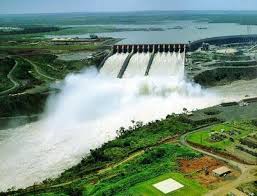
_____________ power is electricity produced by flowing water.
a)
Solar 
b)
Wind 
c)
Hydroelectric 
d)
water
113.
Wind Energy is...
a)
 Energy that comes from harnessing the movement of the air
b)
Energy that comes from the Sun
c)
A source of renewable energy, such as solar, wind, or geothermal energy
d)
Fuel from plant material
114.
Hyrdo Power is a __________ energy resource.
a)
Renewable
b)
Nonrenewable
115.
Solar Power is a __________ energy resource.
a)
Renewable
b)
Nonrenewable
116.
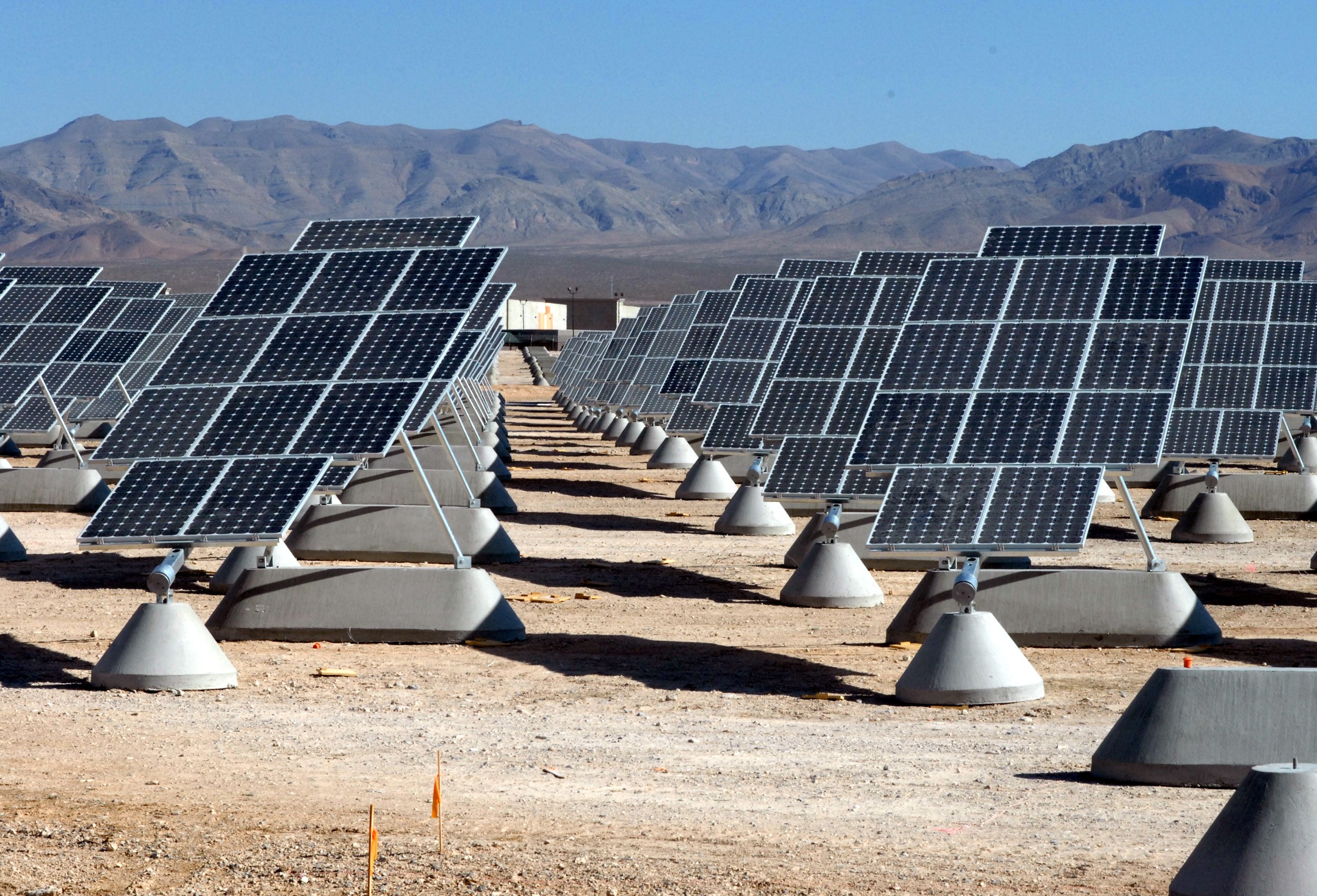
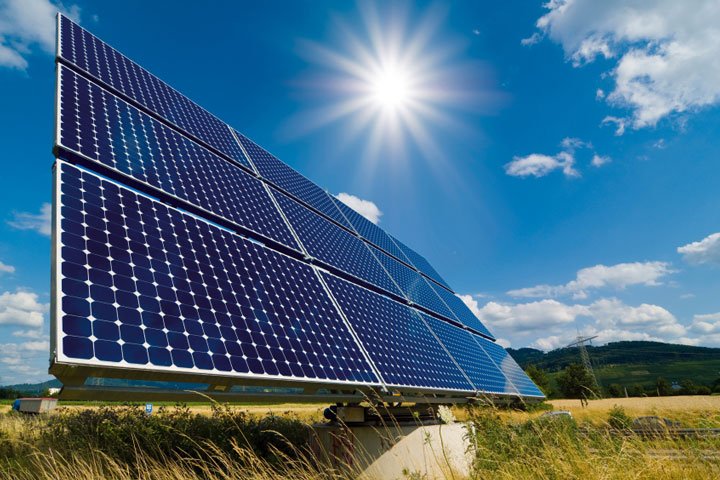
__________is the energy generated from the sun by using solar panels.
a)
Wind
b)
Hydro
c)
Nuclear
d)
Solar
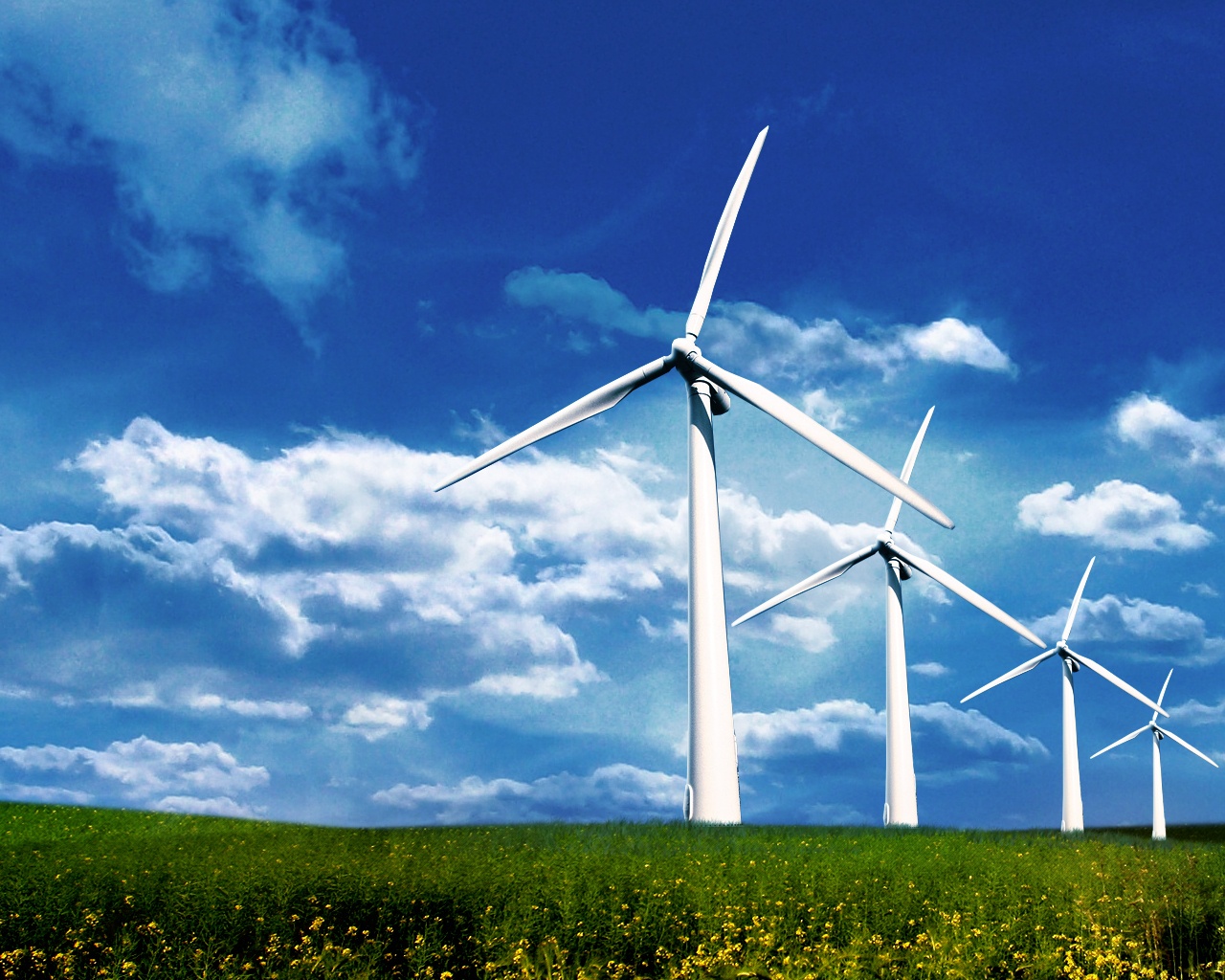
117.
__________is the energy created by wind turning wind turbines.
a)
Geothermal
b)
Hydro
c)
Wind
d)
Nuclear
118.

Natural Gas is a __________ energy resource.

a)

Renewable

b)

Non-renewable

119.

What is one ADVANTAGE of using renewable resources?

a)

They will never run out.

b)

They are more expensive.

c)

They are bad for the environment.

120.

_____________________ energy comes from underground pockets of hot water.

a)

hydroelectric

b)

nuclear

c)

solar

d)

geothermal

121.

Energy created from wood, peat moss, and manure is called __________________ energy.

a)

biomass

b)

geothermal

c)

natural

d)

solar

122.
All living things get their energy from which of the following sources?
a)
food
b)
water
c)
sun
123.
Which of the following is an organism that eats only meat?
a)
herbivore
b)
carnivore
c)
omnivore
124.
Which is represented by all of the bullfrogs living around a pond?
a)
community
b)
habitat
c)
population
125.
What would most likely happen if the rabbit population was removed from the food chain grass —› rabbit —› fox?
a)
their would be more grass
b)
there would be less rabbits
c)
there would be more fox
126.
In which type of relationship do both species benefit?
a)
parasitism
b)
mutualism
c)
commensalism
127.
Which is an example of a parasitic relationship?
a)
a bee pollinates a flower
b)
a tapeworm takes nutrients from a dog
c)
an orchid lives in a tree but does not harm the tree
128.
Barnacles grow on whales.  Whales give the barnacles a place to live but the barnacles do not help or harm the whale.  Which type of relationship is this?
a)
commensalism
b)
mutualism
c)
parasitiesm
129.
An oxpecker bird eats ticks off of a zebra.  The bird gets food from eating the ticks and the zebra has harmful parasites removed.  Which type of symbiosis is this?
a)
mutualism
b)
parasitism
c)
commensalism
130.
Which one is NOT an example of a decomposer?
a)
mushroom
b)
leaves
c)
mold
d)
worm
131.
Examples of a producer
a)
frog
b)
algae
c)
worm
d)
mouse
132.
Example of a decomposer
a)
fungus
b)
mouse
c)
plants
d)
frogs
133.
What is a producer?
a)
an organism that gets energy from eating other organisms
b)
an organisms that uses sunlight to make its own food
c)
an organism that gets energy from eating dead organisms, non-living material or waste
d)
an organism that uses chemical energy to make its own food
134.
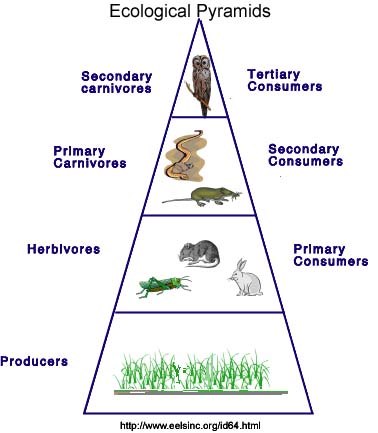
In the energy pyramid here, which organisms have the most energy available?
a)
Producers
b)
Carnivores
c)
Herbivores
d)
Top Predator
135.
In the energy pyramid below, which organism has the least amount of energy available?
a)
Producers
b)
Herbivores
c)
Carnivores
d)
Top Predator
136.
If these organisms were arranged in a food pyramid, which organism would have the least amount of total energy available?
a)
coyote
b)
insect
c)
lizard
d)
shrub
137.
Which organism recieves the least amount of energy from the producer?
a)
Owl
b)
Grasshopper
c)
Lilypad
d)
Mouse
138.
The largest group of organisms found in a food web would be:
a)
Primary Consumers
b)
Producers
c)
Decomposers
d)
Tertiary Consumers
139.

How does the energy flow in an energy pyramids?

a)

up the pyramid

b)

down the pyramid

140.
Which is the smallest level of an ecosystem?
a)
organsism
b)
population
c)
community
d)
ecosystem
141.
a system of food chains that shows the transfer of energy  is termed
a)
food web
b)
food chain
c)
prey
d)
predator
142.

A living thing that affects the ecosystem

a)

Abiotic Factor

b)

Biotic Factor

143.

A nonliving thing that affects the ecosystem

a)

Abiotic Factor

b)

Biotic Factor

144.

The function or position of an organism or a population within an ecological community

a)

Ecology

b)

Species

c)

Biosphere

d)

Niche

145.
Yucca flowers are pollinated by yucca moths. The moths lay their eggs in the flowers where the larvae hatch and eat some of the developing seeds. Both species benefit. 
a)
parasitism
b)
commensalism
c)
mutualism
146.
Mistletoe extracts water and nutrients from a spruce tree. The spruce tree is harmed. 
a)
parasitism
b)
commensalism
c)
mutualism
147.
 The stork uses it saw-like bill to cut up the dead animals it eats. As a result, the dead animal carcass is accessible to some bees for food and egg laying. The relationship neither harms nor benefits the stork.
a)
parasitism
b)
commensalism
c)
mutualism
148.

Which of the following shows the symbiotic relationship between the Rodent and the Bird?

a)

Mutualism

b)

Commensalism

c)

Competition

149.

Hermit Crabs live in shells made and then abandoned by snails.

a)

Commensalism

b)

Parasitism

c)

Competition

150.
Two male Giraffes are fighting over the last green leaf of a tree that is dying.  
a)
Competition
b)
Mutualsim
c)
Predation
d)
Commensalism
151.
a relationship that occurs when two or more organims of the same species need the same resource at the same time
a)
competition
b)
symbiosis
c)
predation
152.
In a parasitic relationship, one organism is ___________ and one organism is benefiting. 
a)
helped
b)
harmed
c)
not effected
d)
happy
153.
In a mutual relationship, both organisms are ________________. 
a)
hurt
b)
not effected
c)
harmed
d)
benefiting 
154.
Commensalism is where one organism is benefiting and the other organism is _____________________. 
a)
not effected
b)
helped
c)
harmed
d)
hurt
155.
1.  A bee and a flower work together to benefit each other. This is an example of _________________. The bee helps the flower by pollinating it and the flower helps the bee by providing it with nectar. 
a)
commensal relationship 
b)
parasitic relationship 
c)
mutual relationship 
156.
A tick is a parasite to a horse. Which statement best describes the relationship between the tick and the horse? 
a)
a.  The tick helps the horse get food. 
b)
a.  The tick harms the horse by feeding on its blood. 
c)
a.  The horse harms the tick by feeding on its blood. 
d)
The tick does not affect the horse. 
157.
 Mrs. Bush’s cat has fleas. A flea is a parasite that gets its energy from Dante’s blood. How are the flea and the cat affected in this relationship? 
a)
Both organisms are helped.
b)
Both organisms are not affected.
c)
One organism is helped and one organism is not effected.
d)
One organism is helped and another organism is harmed. 
158.
Which interaction benefits both organisms?
a)
A flea living on a dog
b)
A bee pollinating a flower
c)
A tapeworm living inside an animal
d)
A mosquito biting a person
159.
Tapeworms live in the intestines of dogs and absorb nutrients from food the dog eats. Which best describes the outcome of this relationship?
a)
The dog and tapeworm both become ill. 
b)
The dog becomes ill, and the tapeworm benefits. 
c)
The tapeworm and dog helpe ach other survive. 
d)
The tapeworm helps the dog survive. 
160.
A mite lives in the base of the eyelashes of people who use mascara. It feeds on the mascara; it does not seem to harm people. What type of symbiotic relationship is this?
a)
mutualism
b)
commensalism
c)
parasitism
d)
predation
161.
A coyote captures, kills, and eats a rabbit. What type of symbiotic relationship is this?
a)
mutualism
b)
commensalism
c)
parasitism
d)
predation