wayground logo

Free Printable Worksheets

Font size

S
M
L
XL
Worksheets

Mrs. D's French Revolution Quiz

Total questions: 85

Worksheet time: 3hrs 50mins

Name
Class
Date
1.
One cause of the French Revolution was the emergence of a new middle class of merchants and professionals called the 
a)
bourgeoisie
b)
aristocracy
c)
sans culottes
d)
denoument
2.
The Second Estate was composed of 
a)
Church leaders
b)
Nobility
c)
Peasants
d)
none of the above
3.
Most of the people of France belonged to the 
a)
1st 
Estate
b)
2nd Estate
c)
3rd Estate
d)
4th Estate
4.
Why was voting in the Estates General unfair
a)
votes were not secret
b)
each estate voted by how many members there were
c)
each estate got the same number of votes
d)
the King got two votes
5.
When the other estates refused to change voting rules the 3rd Estate 
a)
met separately
b)
declared themselves the new government
c)
Created the National Assembly
d)
all of the above
6.
In 1789, the hungry women of Paris marched to Versailles and 
a)
forced the King to return to Paris
b)
demanded that the King abdicate
c)
demanded that the King leave France
d)
all of the above
7.
The National Assembly set down the ideas of the Revolution in 
a)
the Declaration of Independence
b)
the Declaration of the Rights of Man
c)
the US Constitution
d)
The Edict of Nantes
8.

The French Revolution began with the

a)

storming of the Bastille

b)

Great Fear

c)

execution of Louis XVI

d)

the meeting of the Estates General

9.
The end of the Revolution came with 
a)
France's surrender to England
b)
Napoleon's coup
c)
the Louisiana Purchase
d)
the Invasion of Russia
10.
The First Estate was made up of this group.
a)

clergy

b)
common people
c)
nobles
d)
kings and queens
11.
What was the Divine Right of Kings?
a)
right to not pay taxes
b)
God given right to rule
c)
predetermined rise to power
d)
enlightenment of kings
12.
Only this group paid taxes in pre-revolutionary France.
a)
1st Estate
b)
2nd Estate
c)
3rd Estate
d)
1st and 3rd Estates
13.
The 4th of July is to the Us as _____________ is to France.
a)
French Independence Day
b)
Bastille Day
c)
Waterloo Day
d)
National Assembly Day
14.
The last government of the French Revolution was:
a)
the Assembly
b)
the Committee
c)
the Parliament
d)
the Directory
15.

Monarch of france during the 1780s

a)

Louis XIV

b)

Louis XV

c)

Louis XVI

d)

Louis XIII

16.
What happened to King Louis XVI and his wife?
a)
They lived happily ever after
b)
Ran away from France
c)
Sentenced to house arrest forever
d)
Were beheaded
17.
When the Third Estate was locked out of the Estates General, they pledged never to disband until a new constitution was created. This event is known as:
a)
Women's March on Versailles
b)
Reign of Terror
c)
The Great Fear
d)
Tennis Court Oath
18.
The third estate attacked a prison looking for guns and ammunition. In the process, they killed all the guards, let the prisoners go, and tore down portions of the old fort brick by brick. This event is known as:
a)
Storming of the Bastille
b)
Reign of Terror
c)
The Great Fear
d)
Tennis Court Oath
19.
This document, created during the French Revolution, contained Enlightenment ideals and the basic principles of the French Revolution--liberty, equality and fraternity
a)
Committee of Public Safety 
b)
Declaration of Independence
c)
Declaration of the Rights of Man
d)
English Bill of Rights
20.
What execution method was most popular during the Reign of Terror?
a)
guillotine
b)
hanging
c)
brazen bull
d)
stoning to death
21.
This type of government is a rule by one, usually a king or queen and is passed through generations
a)
Dictatorship
b)
Oligarchy
c)
Republic
d)
Monarchy
22.
The three estates consisted of which groups of people?
a)
Clergy, Nobles, and Everyone else
b)
Clergy, Nobility, Jacobins
c)
The King, the Catholic Church, and the Medicis
d)
Nobility, the King, and the Peasants
23.
This individual led the Jacobins through the Reign of Terror during the French Revolution
a)
Rousseau
b)
King Louis XVI
c)
Napoleon
d)
Robespierre
24.
Which is NOT a cause of the French Revolution?
a)
Inequalities in the social structure
b)
Unfair taxes
c)
Absolute Monarchy
d)
Ineffective rule of Napoleon 
25.
Which group of people increased their power as a result of the French Revolution? 
a)
King/Queen
b)
Nobles
c)
Clergy 
d)
Middle Class/Bourgeoisie 
26.
All of the following are members of the third estate EXCEPT:
a)
peasants
b)
workers
c)
bourgeoisie 
d)
nobles
27.
The slogan of the French Revolution:
a)
life, liberty, propert
b)
liberty, equality, fraternity
c)
life, liberty, and the pursuit of happiness
d)
no taxation without representation
28.
Which of the following wars helped to inspire the French Revolution?
a)
The American Civil War
b)
The French and Indian War
c)
American Revolution
d)
The Seven Years War
29.
Which of the following was a reason why France was nearly bankrupt?
a)
The king lowered taxes 
b)
The king took their money to create jobs
c)
The king spent the taxes on wars and himself
d)
They had fought against the Americans in the revolution
30.
Who was in charge of the Committee for Public Safety and lead the French Revolution?
a)
Napoleon
b)
Robispierre
c)
King Louis XVI
d)
Marquis de Lafayette
31.
The French Revolution was inspired by _______________ thinkers.
a)
Scientific Revolution
b)
Clergy
c)
Enlightenment
d)
Revolutionary
32.
What was the Estates-General? 
a)
A group that was made up of reps from all 3 estates.
b)
Group that ruled France after the Reign of Terror. 
c)
Name of the 3rd estate after they broke away. 
d)
A radical group. 
33.
What was Napoleon's most disastrous mistake as leader of France?
a)
Cutting ties with the Catholic Church
b)
Continental System
c)
Invasion of Russia
d)
Establishing puppet governments in the countries surrounding France
34.
What was the main purpose of the Congress of Vienna?
a)
Conserve the dominance of royal families on Europe
b)
Ruin France politically and economically
c)
restore a balance of power in Europe
d)
Spread democracy throughout continental Europe
35.
What was the system of laws called that Napoleon instituted to help rebuild France?
a)
Napoleonic Rules
b)
Napoleon's Natural Rights
c)
Napoleonic Code
d)
Checks and Balances
36.

What type of government was philosopher John Locke opposed to?

a)

Republic

b)

Direct Democracy

c)

Absolute Monarchy

d)

Constitutional Monarchy

37.

Which country gained its independence first, the U.S or France?

a)

U.S

b)

France

38.

Who took over France after the revolution?

a)

Churchill

b)

Hitler

c)

Stalin

d)

Napoleon

39.

In the 1770's, the social and political system of France

a)

Tennis Court Oath

b)

Old Regime

c)

Holy Alliance

d)

Coup d'etat

40.

People of France were divided into three large social classes called

a)

estates

b)

sans- culottes

c)

guillotine

d)

reign of terror

41.

Queen of France, married to Louis XVI

a)

Marie Antoinette

b)

Maximilien Robespierre

c)

guillotine

d)

sans- culottes

42.

A new legislative body created during the Revolution.

a)

Legislative Assembly

b)

Holy Alliance

c)

Guillotine

d)

Balance of Power

43.
How was the French Declaration of Rights of Man & Citizen similar to the Declaration of Independence?
a)
both guaranteed equal rights for women
b)
both abolished slavery
c)
both documents emphasized freedom, equality, and natural rights for men
d)
ideas supporting monarchy and censorship were found in both
44.
All of the following were goals of the Congress of Vienna EXCEPT:
a)
more powerful France
b)
lasting peace in Europe
c)
balance of power
d)
protect system of monarchy
45.

Period of mass executions of those accused of not supporting the revolution

a)

Terror Time

b)

Reign of Terror

c)

Reign of Fire

d)

Time of Regin

46.

The name of the French King's Palace and the seat of government

a)

Buckingham Palace

b)

Kremlin

c)

Palace of Versailles

d)

Vatican

47.

A coup d'etat is

a)

A French law

b)

A government election

c)

A sudden, violent overthrow of an existing government by a small group

d)

A form of government

48.

An elected group that functioned as both the legislative and executive branch in France

a)

First Republic

b)

National Convention

c)

The National Assembly

d)

Revolution

49.

Napoleon was finally defeated at

a)

Elba

b)

St. Helena

c)

Egypt

d)

Waterloo

50.

The Committee of Public Safety

a)

Protected all classes of French society

b)

Attacked anyone who disagreed with the Revolution

c)

Wrote the Declaration of the Rights of Man

d)

Protected the monarchy

51.

A radical political organization whose members included Robespierre and Marat

a)

Estates General

b)

Jacobins

c)

Monarchy

d)

Bourgeoisie

52.
Enlightened thinkers based their philosophical beliefs on what two things?
a)
power and privilege
b)
money and fame
c)
good looks and charm
d)
reason and logic
53.

An English Enlightenment philosopher who believed people had natural rights of life, liberty, and property.

a)

John Locke

b)

Montesquieu

c)

Rousseau

d)

Voltaire

54.

A French philosopher who believed in limited government and was against absolute monarchy. He believed that government should be divided into separate branches that shared power.

a)

John Locke

b)

Montesquieu

c)

Rousseau

d)

Voltaire

55.

Enlightenment philosopher who believed people give the government the ability to rule and in return the government should protect will of the people (social contract).

a)

John Locke

b)

Montesquieu

c)

Rousseau

d)

Voltaire

56.
Right to freedom of speech and religion
a)
Locke
b)
Montesquieu
c)
Rousseau
d)
Voltaire
57.
Why do you think the Enlightenment was also called the Age of Reason?
a)
People were more reasonable
b)
People depended on reason rather than old beliefs
c)
Reason was undervalued
d)
The King destroyed old beliefs
58.
The idea of "Checks and Balances" in government came from
a)
Montesquieu
b)
Locke
c)
Smith
d)
Rousseau
59.
Who thought that separation of power in government is the best way to protect human rights
a)
Smith
b)
Wollstonecraft
c)
Montesquieu
d)
Beccaria
60.
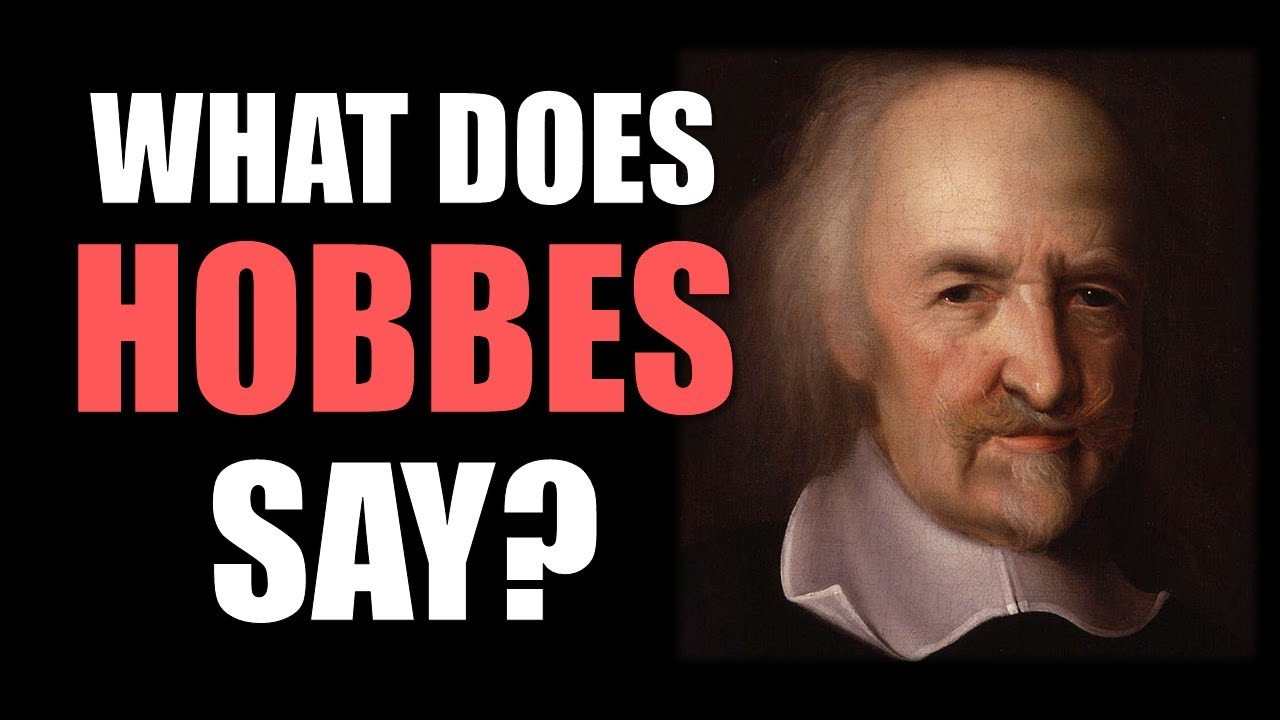
How did Hobbes view human nature?
a)
We are inquisitive and industrious.
b)
We are naturally selfish and quick to fight.
c)
We are naturally altruistic and usually willing to compromise.
d)
We are born a 'blank slate', and we develop differently according to our life's experiences..
61.
Hobbes wrote what
a)
Candide
b)
Encyclopedias
c)
Leviathan
62.
You are born with _________________ that can't be taken away; life, liberty, property
a)
A. philosophe
b)
B. natural rights
c)
C. separation of power
d)
D. checks and balances
63.

A French writer and philosopher who called for freedom of speech and religious tolerance

a)

Voltaire

b)

Hobbes

c)

Rousseau

d)

Montesquieu

64.
How did Haiti win its independence from France? 
a)
In a revolution started by Simon Boliva
b)
When the British defeated Napolean at Waterlo
c)
In a revolt led by the former slave, Toussaint L’Ouverture
d)
In a revolt let by Miguel Hidalgo
65.
Which European country colonized Haiti?
a)
Spain
b)
Portugal
c)
France
d)
Britain
66.

When it was under French control before it independence Haiti was called

a)

Saint Domingue

b)

La Carribea

c)

Saint Virginia

d)

La Muerta

67.

Which of the following happened FIRST

a)

The Enlightenment

b)

The American Revolution

c)

The French Revolution

d)

The Haitian Revolution

68.
The grand blancs were ____.
a)
Plantation owners
b)
British
c)
Large Shopkeepers
d)
Traders
69.
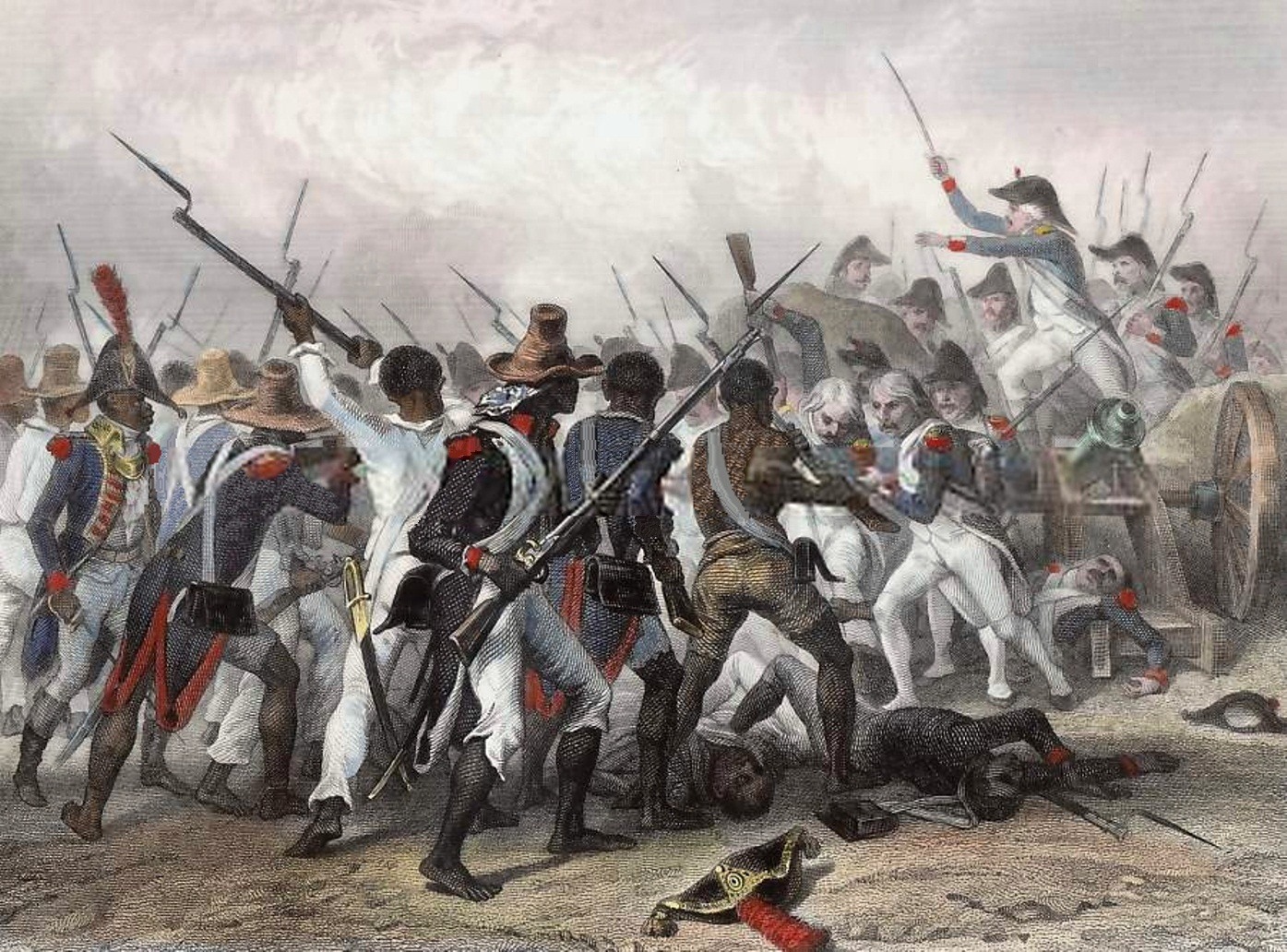
What rumor triggered the the first massive revolt in 1791?
a)
The grands blancs were going to attack them.
b)
The French king had outlawed slavery.
70.
The Haitian Revolution was the first completely successful _____ revolt in world history.
a)
Male
b)
Rich landowner
c)
Slave
d)
Nationalistic 
71.
What "invisible weapon" helped the Haitians defeat Napoleon's army?
a)
Chicken pox
b)
Black plague
c)
Yellow fever
72.
Why did the National Convention in France free the enslaved?
a)
They knew it was the right thing to do
b)
They didn't want to have to fight the slave army, the British and the Spanish at the same time.
73.
Louverture wanted to get rid of the sugar plantations.
a)
True
b)
False
74.
What was the second phase of the Haitian revolution?
a)
The fight for trading rights
b)
The fight for independence from France
75.
Sugar plantations were introduced to Haiti in 1700, this _____ the demand for slaves?
a)
Increased
b)
Decreased
c)
Demand was unchanged
d)
All of the above
76.
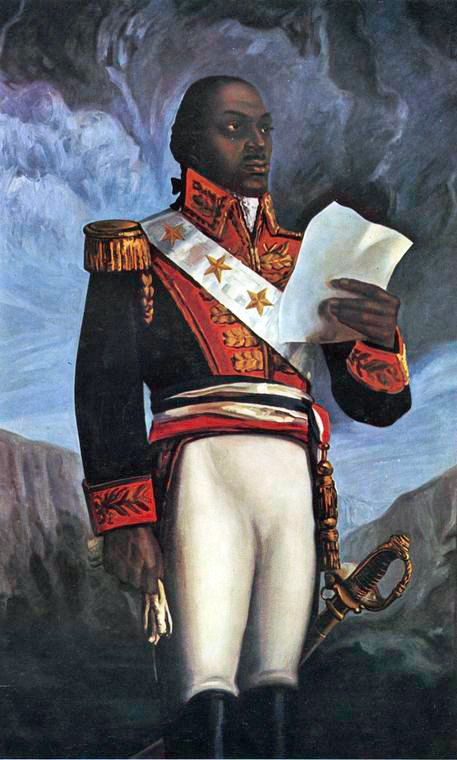
Which of the following is NOT true about Toussaint L'Ouverture?
a)
He was a self educated former slave
b)
He joined forces with the French and led the slaves against the British and Spanish forces
c)
He declares himself governor for life.
d)
He was responsible for the Latin American Revolution
77.
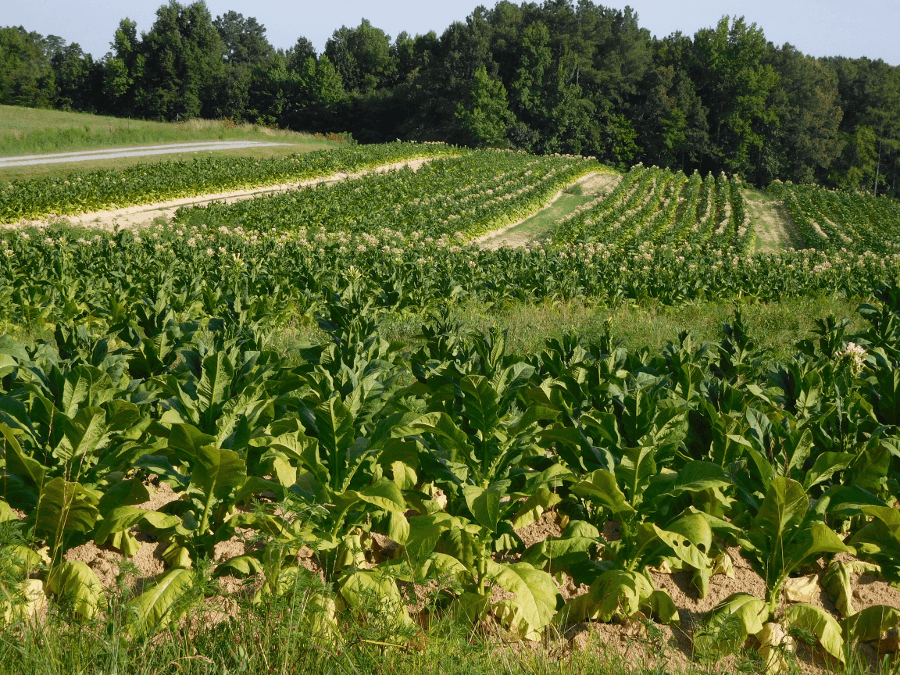
Which crops were exported from Haiti?
a)
Coffee and Sugar
b)
Tea and Salt
c)
Rubber and Coal
d)
Tobacco and Cotton
78.

True or False: Touissant L'Ouverture lived to see a free and independent Haiti.

a)

True

b)

False

79.

Who were the Petit Blancs?

a)

poor white people in Haiti

b)

rich white people in Haiti

c)

free people of color in Haiti

d)

children born of white plantation owners and slave mothers

80.

When was the first time a nation abolished slavery?

a)

the Haitian revolution

b)

the French and Indian War

c)

The Russian revolution

d)

the American revolution

81.
Slaves made up ___% of the Haitian population.
a)
25
b)
50
c)
80
d)
90
82.

Who was the ruler of France during the Haitian Revolution?

a)

Louis XVI

b)

Napoleon Bonaparte

c)

George Washington

d)

Klemens Von Metternich

83.

The rights outlined in the Declaration of the Rights of Man did not extend to:

a)

Bourgeoisie

b)

The First Estate

c)

Women

d)

Workers

84.

Which of Napoleon's achievements influences governments today?

a)

The conquest of Portugal

b)

The unification of Europe

c)

The simplification of the laws in France

d)

The restoration of the monarchy

85.

What was the goal of the Haitian Revolution?

a)

To increase trade with European countries

b)

To gain independence from France without changing the class system

c)

To end slavery and political inequality for people of color

d)

To increase development of technology in Haiti