
 Worksheets
#2 Geology Final Exam Practice
Total questions: 35
Worksheet time: 1hrs 10mins
Name
Class
Date
1.

What is the opening that extends from the magma chamber to the top of the volcano called?
a)
magma
b)
lava
c)
vent
d)
crater
2.

A volcano that has gentle sloping sides and is formed from runny lava
a)
Shield volcano
b)
Cinder cone
c)
Composite
d)
None of these
3.

A volcano that has steep sides and is formed from lava chunks is called
a)
a shield volcano
b)
a cinder cone volcano
c)
a composite volcano
4.

A volcano that is made from layers of both runny lava and lava chunks is called
a)
a shield volcano
b)
a cinder cone volcano
c)
a composite volcano
5.
What is a break in the lithosphere along which movement in an earthquake has first occurred?
a)
Earthquake
b)
Epicenter
c)
Fault
d)
Focus
6.
Where is the point at which the first movement occurs during an earthquake?
a)
Epicenter
b)
Focus
c)
Fault
d)
Plate
7.
Where is the point on the Earth’s surface directly above the focus of an earthquake?
a)
Epicenter
b)
Fault
c)
Hypocenter
d)
Tremor
8.
Which type of wave is the first to arrive after an earthquake occurs?
a)
P Wave
b)
Rayleigh Wave
c)
S Wave
d)
Shear Wave
9.
Which body waves cause particles of rock material to move at right angles to the direction in which the waves are traveling?
a)
Body Waves
b)
P Waves
c)
S Waves
d)
Surface Waves
10.
P Waves can move through which of the following?
a)
Gas
b)
Liquid
c)
Solid
d)
All of these
11.
What is an instrument that detects and records waves produced by earthquakes? (This piece of equipment can measure the magnitude of an earthquake.)
a)
Epicenter
b)
Fault
c)
Seismogram
d)
Seismograph
12.
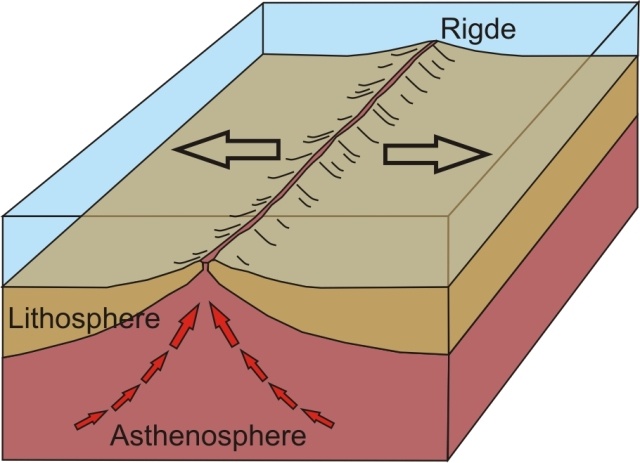
What kind of plate boundary is shown here?
a)
divergent
b)
convergent
c)
transform
d)
subducting
13.

What kind of plate boundary is shown here?
a)
divergent
b)
convergent
c)
transform
d)
strike slip
14.
What geologic feature/event would you most likely to find at a divergent boundary between two pieces of oceanic crust?
a)
Rift Valley
b)
Mid-Ocean Ridge
c)
Island Arc
d)
Flat land
15.
What geologic feature/event would you most likely to find at a divergent boundary between two pieces of oceanic crust?
a)
Rift Valley
b)
Mid-Ocean Ridge
c)
Island Arc
d)
Flat land
16.

Name the boundary
a)
convergent boundary
b)
divergent boundary
c)
transform boundary
d)
sergent boundary
17.
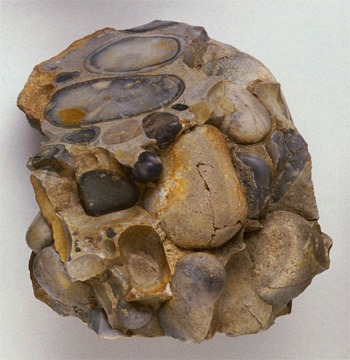
This rock was formed by smaller pieces of rock that settled at the bottom of a lake millions of years ago. What type of rock is this?
a)
Sedimentary
b)
Igneous
c)
Metamorphic
18.

This rock started as lava that cooled and then was heated and put under pressure over time. What type of rock is this?
a)
Sedimentar
b)
Igneous
c)
Metamorphic
19.

This rock started as molten magma. What type of rock is this?
a)
Sedimentary
b)
Igneous
c)
Metamorphic
20.

This rock is made from tiny pieces of other rocks that settled to the bottom of a valley millions of years ago. What type of rock is this?
a)
Sedimentary
b)
Igneous
c)
Metamorphic
21.
Evidence suggests that the whole Universe is expanding and that it might have started billions of years ago from one place with the big bang.
a)
True
b)
False
22.
The existence of the cosmic background radiation
implies that
a)
the big bang model is wrong.
b)
the universe began in a hot, dense state.
c)
the universe did not have a moment of creation.
d)
the universe began in a cold, low-density state.
23.
Which of the following is NOT evidence of the Big Bang Theory?
a)
most galaxies are red-shifted
b)
CMBR everywhere
c)
the universe is gaining matter
d)
the universe is expanding
24.
Earth's inner core is...
a)
a dense ball of solid iron and nickel.
b)
a layer of molten iron and nickel.
c)
a layer of hot rock.
d)
a layer of rock that forms Earth's outer skin.
25.
The process of breaking down rocks by water, wind, ice, plants or temperature changes
a)
Weathering
b)
Erosion
c)
Deposition
d)
Shifting
26.
what is a rock made out of?
a)
minerals
b)
more rocks
c)
atoms
d)
fur and wind
27.
A mineral is a living object
a)
True
b)
False
28.

What is the correct order (starting from the surface) of Earth’s layers?
a)
mantle, outer core, inner core, crust
b)
crust, mantle, outer core, inner core
c)
outer core, inner core, crust, mantle
d)
crust, outer core, inner core, mantle
29.

the general terms for the movement of sediment by wind, water, glaciers
a)
weathering
b)
erosion
c)
deposition
30.

the process of wearing down by friction - like sand blasting
a)
exfoliation
b)
abrasion
c)
erosion
d)
deposition
31.
What type of fossil fuel is mined from the ground?
a)
wind
b)
coal
c)
biomass
d)
air
32.
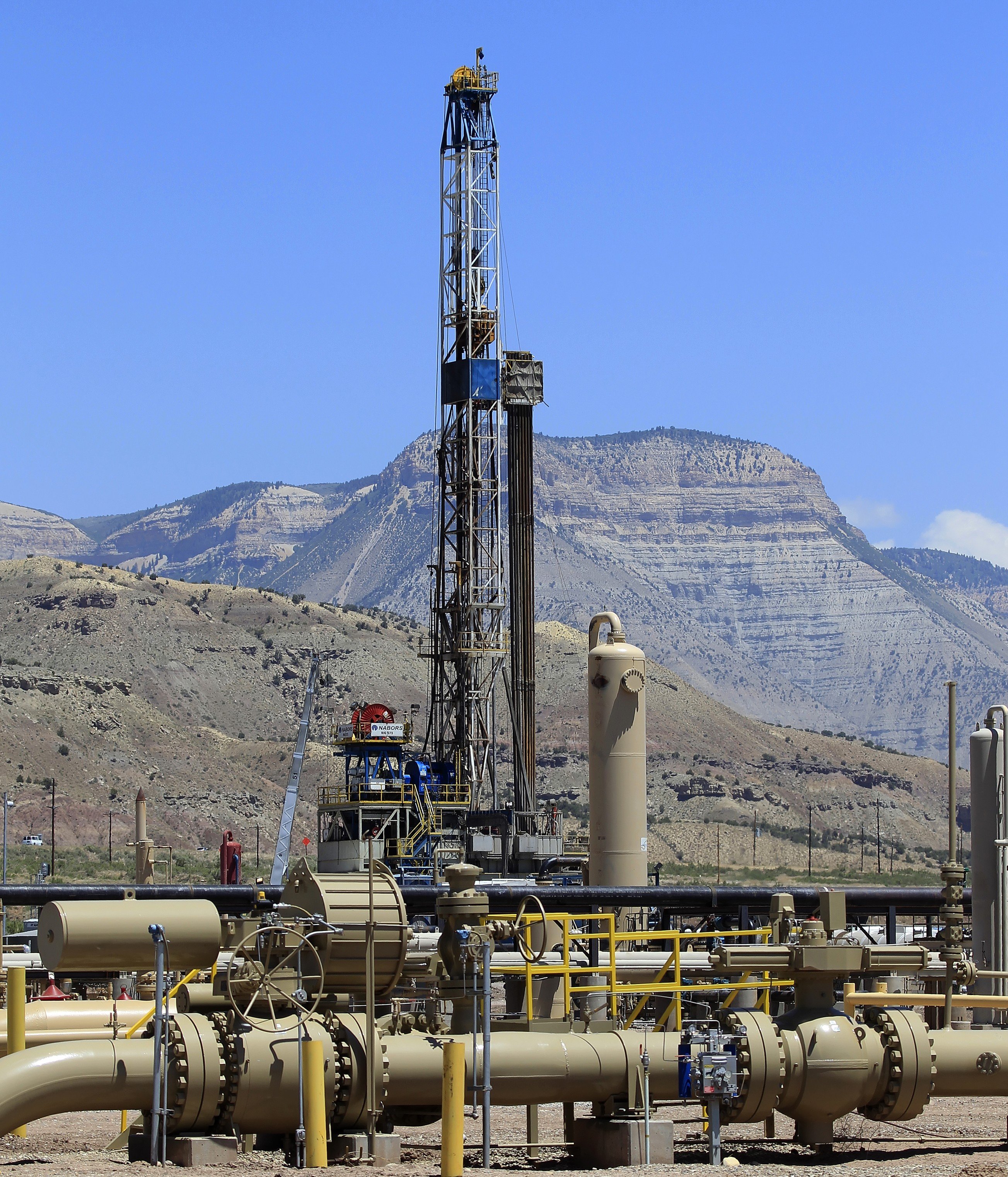
__________is a gas found under the Earth’s surface and is used to produce energy by burning it.
a)
Geothermal
b)
Natural Gas
c)
Coal
d)
Nuclear
33.

Geothermal Power is a __________ energy resource.
a)
Renewable
b)
Nonrenewable
34.
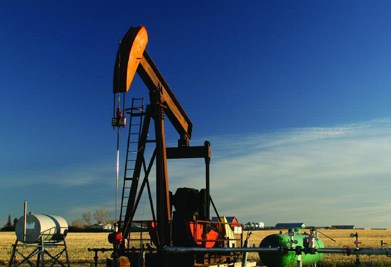
__________ is an energy resource that WILL run out in the next several hundred years.
a)
Renewable Energy Resource
b)
Nonrenewable Energy Resource
35.
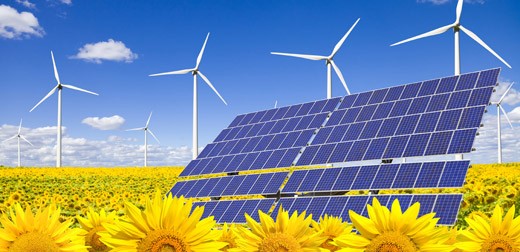
__________ is an energy resource that WILL NOT run out in the next several hundred years.
a)
Renewable Energy Resource
b)
Nonrenewable Energy Resource
100 %

