wayground logo

Free Printable Worksheets

Font size

S
M
L
XL
Worksheets

Year 7 Summative Task Yearly

Total questions: 180

Worksheet time: 4hrs 37mins
Name
Class
Date
1.

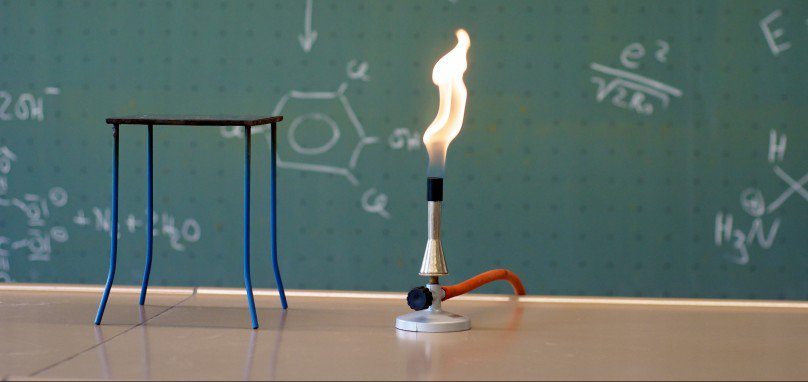
What do you call the part of the burner that "twists" ?

a)

Base

b)

Collar

c)

Cylinder

2.
Who invented the Bunsen Burner?
a)
Albert Einstein
b)
Robert Bunsen
c)
George Burner
d)
Charles Darwin
3.
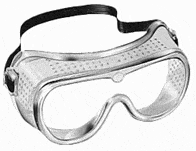
Goggles must be worn when using or working with a Bunsen Burner
a)
False
b)
True
4.
Where is the flame the hottest?
a)
Top (Yellow)
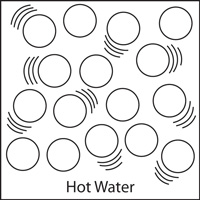
b)
Middle (Blue)
c)
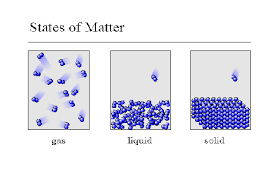
Bottom (light blue)
5.

To produce the most heat, you should twist the collar until you see ______

a)

A dark blue cone

b)

An orange cone

c)

A yellow cone

d)

A light blue cone

6.

Name this part of the Bunsen Burner: A

a)

Chimney

b)

Collar

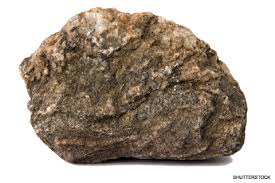
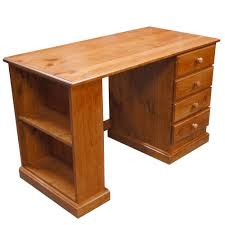
c)

Air Hole

d)

Base

7.

Name B

a)

Chimney

b)

Air Hole

c)

Base

d)

Collar

8.

Name C

a)

Chimney

b)

Air Hole

c)

Collar

d)

Base

9.

Name F

a)

Collar

b)

Chimney

c)

Base

d)

Air Hole

10.

The gas should be turned on ____________ lighting the match.

a)

Before

b)

After

11.
A series of steps used by scientists to solve a problem or answer a question. 
a)
scientific method
b)
recipe
c)
data collection
d)
metric system
12.
A testable explanation to a problem that has not yet been tested. 
a)
data
b)
theory
c)
hypothesis
d)
fact
13.
This variable in an experiment is the one being changed by the scientist. 
a)
dependent variable
b)
independent variable
c)
data
d)
control group
14.
Testing a hypothesis often involves a(n):
a)
answer
b)
experiment
c)
problem
d)
safety check
15.
What is a hypothesis?
a)
A hypothesis is the right answer to an experiment.
b)
A hypothesis is the wrong answer to an experiment.
c)
A hypothesis is an educated guess.
d)
I don't know.
16.
The summary at the end of an experiment that explains the results. 
a)
conclusion
b)
procedures
c)
materials
d)
responding variable
17.
An experiment is performed on plants to see how different liquids affect plant growth. Each plant in the experiment is given a different liquid; water, apple juice, or milk. Each plant has the same amount of soil, sunlight, and listens to the same music. In this investigation, the independent variable is ...
a)
The type of plant
b)
The amount of sunlight
c)
The type of music
d)
The type of liquid
18.
Dependent variable means
a)
the scientist controls what to test
b)
educated guess
c)
ask a question
d)
what is being measured
19.
If you increase the amount of spinach you eat, then you will increase the iron in your blood. 
What's the dependent variable?
a)
increase the amount of iron in your blood
b)
spinach you eat
20.
Scientist who study Cells is a ?
a)
Zoologist
b)
Biologist
c)
Botanist
d)
Geologist
21.
Scientist who studies Rocks is a ?
a)
Biologist
b)
Zoologist
c)
Botanist
d)
Geologist
22.
Scientist who studies Animals is a?
a)
Geologist
b)
Zoologist
c)
Biologist
d)
Botanist
23.
Three examples of Matter are__
a)
Solid, Gas, Rocks
Solid, Liquid, Rocks
b)
Liquid, Space, Solid
c)
Gases, Liquids, Solids
d)
Gases, Rocks, Spaces
24.
Botanists studies what?
a)
Animals
b)
Plants
c)
Cells
d)
Rocks
25.
A Meteorologists study what?
a)
Living Things
b)
Matter and Energy
c)
Climate and Weather
d)
Weather and Animals
26.

Which branch of Science is the study of space?

a)

Physics

b)

Astronomy

c)

Biology

27.

What is Biology?

a)

The study of space

b)

The study of plants and animals

c)

The study of weather

28.
Which is the largest object in our solar system?
a)
Sun
b)
Jupiter
c)
Earth
d)
Pluto
29.
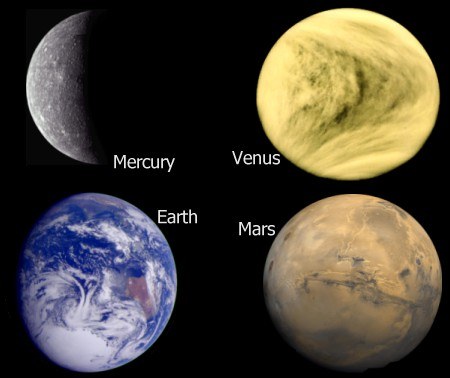
Which planet is closest to the sun?
a)
Uranus
b)
Mercury
c)
Neptune
d)
Earth
30.
Which is the second closest planet to the sun?
a)
Earth
b)
Saturn
c)
Venus
d)
Mercury
31.
Which planet is third from the sun?
a)
Mars
b)
Pluto
c)
Venus
d)
Earth
32.
Which is the fourth planet from the sun?
a)
Mars
b)
Saturn
c)
Earth
d)
Jupiter
33.
Which planet is farthest from the sun?
a)
Neptune
b)
Pluto
c)
Earth
d)
Uranus
34.
A natural satellite of a planet.
a)
Asteroid
b)
Comet
c)
Moon
d)
Meteor
35.
Earth and the other planets closest to the Sun are made mostly of _______
a)
gas
b)
metal
c)
water
d)
rock
36.
The moon is a natural  ______ of Earth.
a)
comet
b)
axis
c)
satellite
d)
space probe
37.
Earth's ________ on its axis causes day and night.
a)
rotation
b)
revolution
c)
phase
d)
comet
38.
Select the order from smallest to largest.
a)
Sun, Milky Way, solar system, universe
b)
Sun, Milky Way, universe, solar system
c)
Sun, solar system, Milky Way, universe
d)
Sun, solar system, universe, Milky Way
39.
WHAT IS A REUSABLE CREWED SPACE CRAFT CALLED?
a)
SPACE ROCKET
b)
ROCKET
c)
SPACE SHUTTLE 
d)
SHUTTLE
40.
THIS MACHINE HAS DETACHABLE CAPSULES THAT CONTAIN THE CREW. WHAT AM I?
a)
PROBE
b)
SHUTTLE 
c)
ORBITER
d)
ROCKET
41.
A gas
a)
has a definite shape but no definite volume
b)
has a definite volume but no definite shape
c)
has fast-moving particles
42.
At higher temperatures
a)
particles in an object have less energy
b)
particles in an object move faster
c)
a gas contracts
43.
Freezing
a)
Solid to gas
b)
Liquid to solid
c)
Gas to solid
d)
Liquid to gas
44.
Boiling
a)
liquid to gas
b)
gas to solid
c)
gas to liquid
d)
solid to liquid
45.
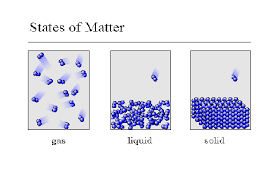
Which state of matter has tightly packed molecules?
a)
solid
b)
liquid
c)
gas
46.
Which state of matter has a definite shape?
a)
solid
b)
liquid
c)
gas
47.
What is happening when my ice cream changes from a solid to a liquid?
a)
freezing
b)
melting
c)
burning
d)
evaporation
48.
Define a liquid.
a)
Indefinite shape, indefinite volume
b)
Definite shape, definite volume
c)
Found in stars
d)
Definite volume, indefinite shape
49.
The state of matter that has no definite size or shape is
a)
Solid
b)
Liquid
c)
Gas
50.
Particles (molecules) in a ______________________ have more energy than the other states of matter.
a)
gas
b)
solid
c)
liquid
51.
Particles of a liquid
a)
are tightly packed together and stay in a fixed position.
b)
have no viscosity.
c)
decrease in volume with increasing temperature.
d)
are free to move around one another but still touch.
52.
What term describes a solid changing to a gas?
a)
Deposition
b)
Sublimation
c)
Evaporation
d)
Freezing
53.
Particles (molecules) in a ______________________ have more energy than the other states of matter.
a)
gas
b)
solid
c)
liquid
54.
What is condensation?
a)
gas to solid
b)
gas to liquid
c)
liquid to solid 
d)
solid to liquid 
55.
The speed of the molecules determines the _____.
a)
volume
b)
density
c)
pressure
d)
temperature
56.
Which has a greater distance between particles?
a)
Solid
b)
Liquid
57.
The slower the particles in a substance move,
a)
the colder it is.
b)
the warmer it is.
c)
the more energy it has.
d)
the less energy it has.
58.
Thermal energy is...
a)
heat energy.
b)
the energy of motion
c)
energy of nuclear processes.
d)
an indication of physical change.
59.
A chemical change
a)
doesn't really change much.
b)
creates a new substance
c)
is a change in the state of matter
60.
A physical change is...
a)
a change that doesn't change the identity
b)
a change that makes something new.
c)
a chemical reaction
61.
A physical change is...
a)
a change that doesn't change the identity
b)
a change that makes something new.
c)
a chemical reaction
62.
Which form of matter take the shape of a container like this juice?
a)
liquid
b)
solid
c)
glass
d)
gas
63.
Which form of matter fills the space like it has in the balloon?
a)
liquid
b)
string
c)
solid
d)
gas
64.
When the temperature of matter decreases the particles ...
a)
speed up and move farther apart
b)
speed up and move closer together
c)
slow down and move farther apart
d)
slow down and move closer together
65.
What does this picture represent? 
a)
solid
b)
liquid 
c)
gas
d)
plasma
66.
Which of the following statements is NOT true of all different types of matter?
a)
They are made of atoms and molecules
b)
The particles are always in motion
c)
The particles always move at the same speed
d)
They are made of particles that are too small to see
67.
What is the formula for density?
a)
density = mass x volume
b)
density = mass / volume
c)
density = mass + volume
d)
density = mass - volume
68.
Frank has a paper clip. It has a mass of 9g and a volume of 3cm3. What is its density?
a)
3 g/cm3
b)
1/3 g/cm3
c)
27 g/cm3
d)
39 g/cm3
69.
Frank has an eraser. It has a mass of 4g, and a volume of 2cm3. What is its density?
a)
8 g/cm3
b)
2 g/cm3
c)
1/2 g/cm3
d)
24 g/cm3
70.
What is the volume of Object X?
a)
10.0 cm3
b)
15.0 cm3
c)
20.0 cm3
d)
25.0 cm3
71.
What is the definition of CONDUCTION?
a)
When heat is transferred from objects like rays of light or electromagnetically.
b)
a  hot liquid or air that  expands, becomes less dense, and rises or becomes more dense, and sinks.
c)
When heat transfers from objects that are touching.
d)
When heat transfers through the heater or AC in your house.
72.
What is the definition of CONVECTION
a)
When heat transfers through waves.
b)
When heat transfers from objects that are touching.
c)
a  hot liquid or air that  expands, becomes less dense, and rises or becomes more dense, and sinks.
d)
Heat traveling from the sun
73.
What kind of heat transfer happens when the sun is heating your body?
a)
Conduction
b)
Radiation
c)
Convection
d)
Density
74.
Which of the following is needed for convection to happen?
a)
Fluid/s
b)
Light in the form or rays
c)
Electromagnetic waves
d)
Fire
75.
The baby chickens are kept warm from the heat lamps demonstrates this type of heat transfer. 
a)
conduction
b)
convection
c)
radiation
76.
Ironing a shirt is an example of...
a)
condensation
b)
conduction
c)
convection
d)
radiation
77.
Transfer of thermal energy through "space"
a)
conduction
b)
convection
c)
radiation
78.

Transfer of thermal energy through "flow" of liquids and gases

a)

conduction

b)

convection

c)

radiation

79.
Transfer of thermal energy through "touch"
a)
conduction
b)
convection
c)
radiation
80.

What is the smallest unit that can perform all the basic activities of life?

a)

Cell

b)

Atom

c)

Tissue

d)

Virus

81.

What kind of cell is this?

a)

Animal

b)

Bacteria

c)

Plant

d)

Muscle

82.

Which organism has only one cell?

a)
b)
c)
d)
83.

Which observation BEST shows that an organism is eukaryotic?

a)

it has a nucleus

b)

it has only one cell

c)

it moves with a flagella

d)

it has a cell membrane

84.

Prokaryotic Cells do NOT have ____________________.

a)

Cytoplasm

b)

A cell membrane

c)

Genetic Material

d)

A Nucleus

85.

Which is a gel-like substance made of mostly water that allows the organelles to move around inside the cell?

a)

Cytoplasm

b)

Cell Membrane

c)

Ribosomes

d)

Nucleus

86.

Which is the covering of a cell that allows materials to enter and leave a cell?

a)

cell membrane

b)

cell wall

c)

cholorplast

d)

cytoplasm

87.

What gives structure and support to a plant cell?

a)

Cell Membrane

b)

Cell Wall

c)

Chloroplast

d)

Rough Endoplasmic Reticulum

88.

Which Organelle stores water and other materials?

a)

Lysosome

b)

Golgi Bodies

c)

Ribosomes

d)

Vacuole

89.

Which organelle provides energy to the cell using oxygen and glucose?

a)

Mitochondria

b)

Chloroplast

c)

Smooth ER

d)

Nucleus

90.

Which organelle in a plant cell captures energy from the Sun for photosynthesis?

a)

Vacuole

b)

Cytoplasm

c)

Chloroplast

d)

Mitochondria

91.

Why is the nucleus called "the brain of the cell?"

a)

It releases energy to the cell

b)

It controls all of the cell's activities

c)

It stores food and water

d)

It controls what enters and leaves the cell

92.

Why do muscle cells have more mitochondria than skin cells?

a)

The cells use more energy

b)

The cells store more nutrients

c)

The cells make their own food

d)

The cells divide more often

93.

Which type of cell uses sunlight to make food?

a)

Leaf Cell

b)

Skin Cell

c)

Nerve Cell

d)

Muscle Cell

94.

Which part of the microscope is letter b?

a)

Arm

b)

Stage

c)

Coarse Adjustment Knob

d)

Fine Adjustment Knob

95.

Which part of the microscope is letter e?

a)

Eyepiece

b)

Objective Lenses

c)

Diaphragm

d)

Light source

96.

Which part of the microscope is letter f?

a)

Stage

b)

Body Tube

c)

Ocular Lens

d)

Arm

97.

What part of the microscope is letter a?

a)

Stage clips

b)

Diaphragm

c)

Ocular lens

d)

Fine adjustment knob

98.

Which part of the microscope is letter d?

a)

Nosepiece

b)

Objective Lens

c)

Diaphragm

d)

Base

99.
What power do you start with when using a microscope?
a)
High
b)
Medium
c)
Low
100.
Holds the slide in place on the stage
a)
Stage
b)
Stage Clips
c)
Light Source
101.
Supports the microscope and located at the bottom
a)
Base
b)
Arm
c)
Body Tube
102.
If you move the slide left while viewing, in which direction will it appear to move?
a)
right 
b)
left
c)
up 
103.
The higher the magnification, the ________ you see of the specimen.
a)
more
b)
less
c)
higher
104.
Find the total magnification: 
Eyepiece = 10X 
Objective lens = 4X
 
a)
40x
b)
4x
c)
14x
105.
What type of animal spends its entire life under water, has fins, and breathes using gills
a)
amphibian
b)
fish
c)
bird
d)
reptile
106.
What type of animal has dry scaly skin and lays its eggs on land?
a)
fish
b)
amphibian
c)
reptile
d)
mammal
107.
What is the only type of animal that has feathers?
a)
bird
b)
mammal
c)
amphibian
d)
reptiles
108.
What type of animal has fur and feeds its young with milk?
a)
birds
b)
reptiles
c)
amphibians
d)
mammals
109.
What type of animal spends part of its life in water and part on land and lays its eggs in water?
a)
amphibians
b)
reptiles
c)
birds
d)
fish
110.
Which type of animal goes through a metamorphosis (body change)? 
a)
bird
b)
mammal
c)
reptile
d)
amphibian
111.
What classification of animals do humans belong to?
a)
fish
b)
mammals
c)
reptiles
d)
amphibians
112.
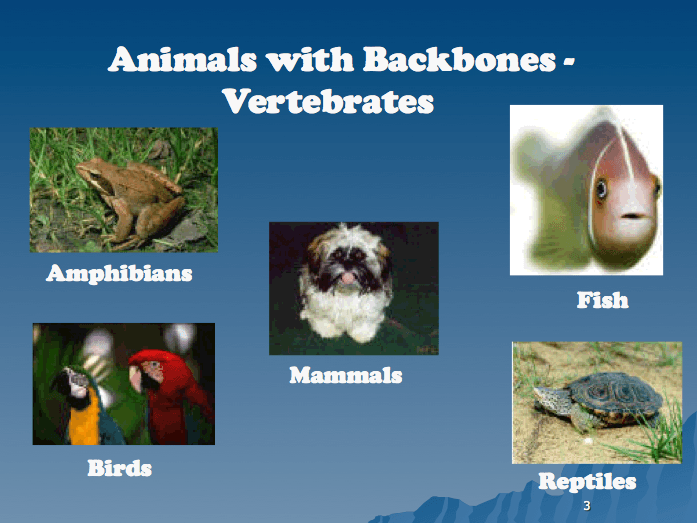
What classification of animals are  vertebrae (have a backbone)?
a)
birds only
b)
reptiles only
c)
reptiles and birds but not mammals and fish
d)
mammals, fish, reptiles, amphibians, and birds
113.
Cold blooded animals
a)
Make their own heat
b)
Are the temperature of their surroundings
c)
Have blue blood
d)
Are a type of plant
114.
This is a 
a)
bird
b)
fish
c)
mammal
d)
reptile
115.
This is a 
a)
Reptile
b)
fish
c)
amphibian
d)
mammal
116.
This is a 
a)
Reptile
b)
Fish
c)
Mammal
d)
Amphibian
117.
This is a 
a)
Reptile
b)
Bird
c)
Mammal
d)
Fish
118.
What are vertebrates?
a)
Animals with a backbone
b)
Animals without a backbone
119.
There are five categories of vertebrates.  Which one is not a vertebrate?
a)
Mammals
b)
Birds
c)
Arthropods
d)
Reptiles
120.
What word means body temperature stays the same no matter what the outside temperature is?
a)
cold blooded
b)
warm blooded
c)
classify
d)
vertebrate
121.
What word means  body temperature changes when the outside temperature changes?
a)
cold blooded
b)
warm blooded
c)
classify
d)
vertebrate
122.
What group of vertebrates is a mouse?
a)
fish
b)
mammals
c)
amphibians
d)
birds
123.
Vertebrates can only be warm blooded. 
a)
True
b)
False
124.
What is an invertebrate?
a)
An animal with a backbone
b)
a mammal
c)
An animal without a backbone
d)
birds
125.
Which invertebrate class has 2 pairs of antennae and 5 or more pairs of legs?
a)
crustaceans
b)
insects
c)
spiders 
d)
centipedes
126.
Which class of invertebrates have 3 pairs of legs and 1 or two pairs of wings?
a)
insects
b)
arachind
127.
Which invertebrate class have multiple body sections with 1 pair of legs per section?
a)
crustaceans
b)
insects
c)
spiders
d)
centipedes
128.
Which organ transports water throughout the plant
a)
Phloem
b)
Xylem
c)
Stomata
d)
Cambium
129.
What organ transports sugar throughout the plant
a)
Phloem
b)
Stomata
c)
Guard cells
d)
Cambium
130.
Which organ contains small openings that allow for air exchange
a)
Xylem
b)
Phloem
c)
Cambium
d)
Stomata
131.
What tissue plays the role of metabolism, storage and support
a)
Dermal
b)
Vascular
c)
Ground
d)
Meristemic
132.
What tissue plays the role in transporting water and sugar
a)
Dermal
b)
Vascular
c)
Ground
d)
Meristemic
133.
What tissue plays the role of protection and prevention of water loss
a)
Vascular
b)
Dermal
c)
Ground
d)
Merisetmic
134.
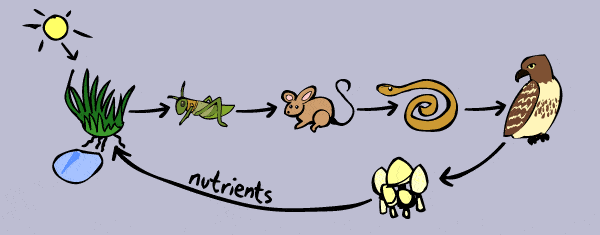
All energy on Earth ultimately comes from what source?
a)
Water
b)
Sun
c)
Consumers
d)
Oxygen
135.
An organism that needs to eat other organisms to obtain energy is known as a:
a)
Autotroph
b)
Producer
c)
Consumer
d)
Mutualist
136.
An organism that uses sunlight to create its own food is known as a:
a)
Producer
b)
Heterotroph
c)
Consumer
d)
Decomposer
137.
What does a food chain represent?
a)
How all living organisms within a habitat are connected.
b)
All of the things that a particular animal eats.
c)
How plants create their own food.
d)
A single path of energy transfer within a habitat.
138.
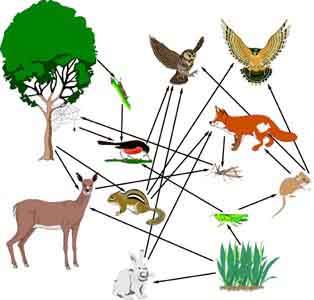
What does a food web represent?
a)
All connections of energy flow throughout all organisms in a habitat.
b)
The specific ways that mutualism is carried out.
c)
A single pathway or energy flow between organisms. 
d)
How carnivores get their food. 
139.
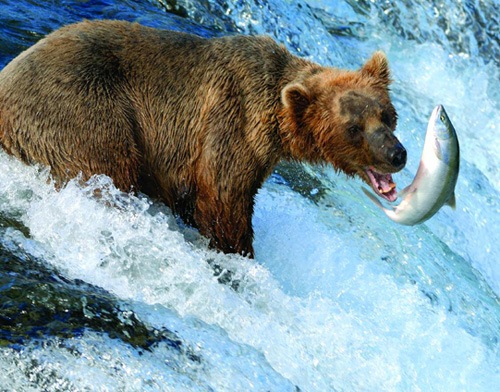
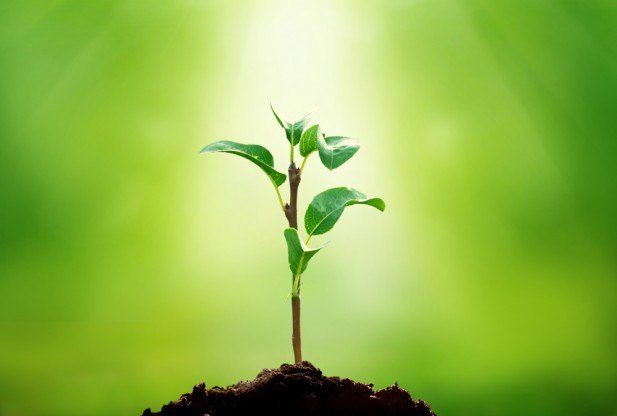
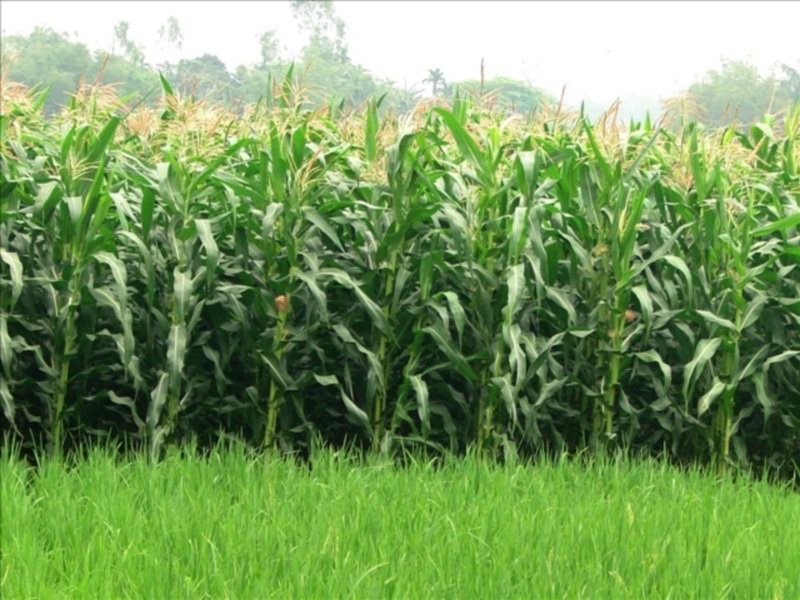
The image provided is an example of a:
a)
Producer
b)
Heterotroph
c)
Consumer
d)
Decomposer
140.
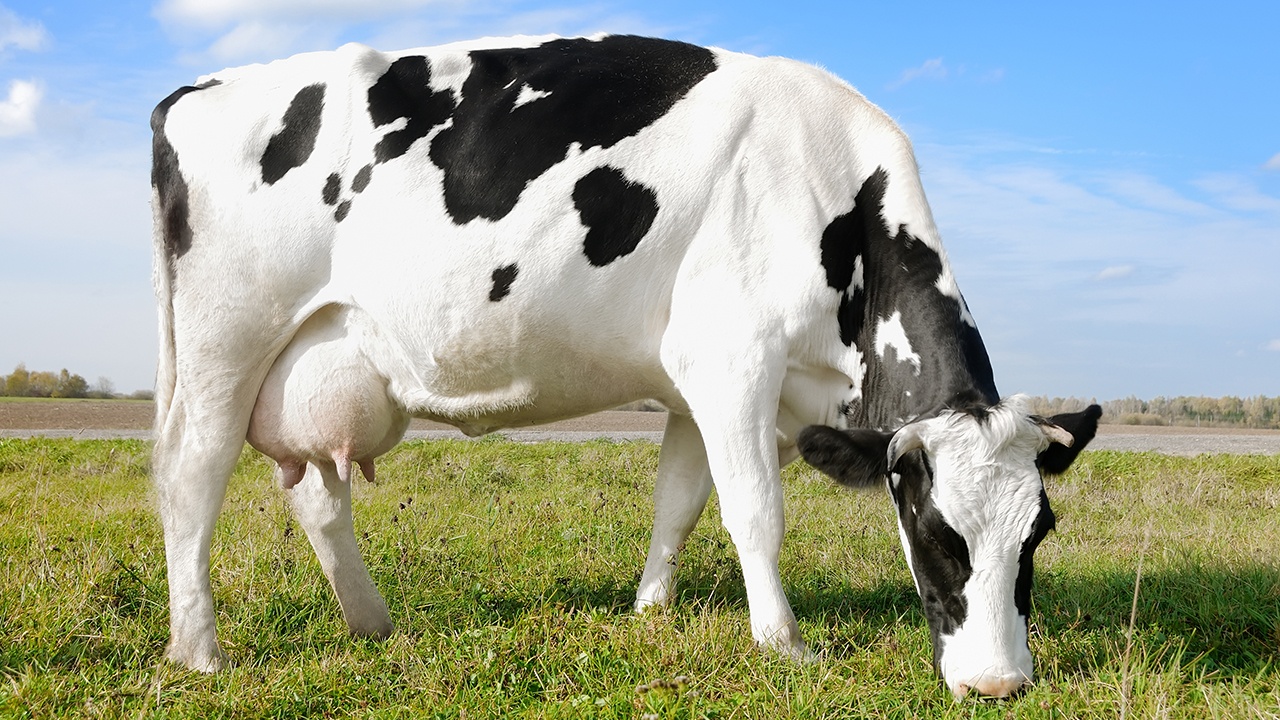
The image provided is an example of a(n):
a)
Autotroph
b)
Carnivore
c)
Herbivore
d)
Decomposer
141.
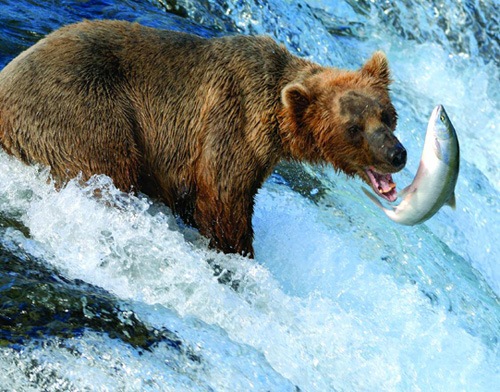
The image provided is an example of a(n):
a)
Producer
b)
Autotroph
c)
Consumer
d)
Insect
142.
Which organelle performs PHOTOSYNTHESIS?
a)
Chloroplast
b)
Mitochondria
143.
What process occurs when light energy is captured in autotrophs and converted into sugar?
a)
Photosynthesis
b)
Cellular Respiration
144.
Which organisms perform Photosynthesis?
a)
Only Autotrophs
b)
Only Heterotrophs
c)
Autotrophs and Heterotrophs
145.
Which of the following is an example of an AUTOTROPH?
a)
Appletree
b)
Dog
c)
Mushroom
d)
Human
146.
What are the products of photosynthesis?
a)
water and carbon dioxide
b)
oxygen and glucose
c)
oxygen and carbon dioxide
d)
oxygen and water
147.
Plants need ________ for photosynthesis
a)
oxygen
b)
soil
c)
carbon dioxide
d)
sugar
148.
What is photosynthesis?
a)
The process in which humans eat their food
b)
When a photographer takes a photo.
c)
To get your pictures from the photo lab.
d)
The process in which plants make their food.
149.
Chloroplasts are...
a)
Structures of animal cells to produce ATP
b)
Organelles where lipids are elaborated
c)
Specialized structures of plants where food is made
d)
Waste organelle of plants
150.

What is a force?

a)

Something a Jedi most use

b)

A push or a pull

c)

Air Resistance

d)

Terminal Velocity

151.

When two forces are equal in size and opposite in directions it is what kind of Force?

a)

Balanced

b)

Unbalanced

c)

Spring Scale

d)

Dark side

152.

When a force causes an object to move, change speed or direction it is what type of Force?

a)

Balanced

b)

Unbalanced

c)

Luke Skywalker

d)

Spring Scale

153.

What is friction

a)

a push or a pull

b)

slippery stuff

c)

Ice

d)

Force that opposes the movement of an object.

154.

What is gravity?

a)

A force that acts on every object in the universe

b)

Something that Mrs. K is always fighting....and losing

c)

A spring scale

d)

Acceleration

155.

Objects with bigger mass have stronger

a)

belts

b)

appetites

c)

gravity

d)

spring scales

156.

The further objects get from each other the...

a)

weaker the gravitational pull

b)

the stronger the gravitational pull

c)

less they like each other

d)

more they see

157.

If I wanted to increase friction on ice, I would add

a)

water or snow

b)

Sand or Salt

c)

Roller skates

d)

Snowboard

158.
How does friction affect speed?
a)
more friction decreases speed
b)
more friction increases speed
c)
less friction decreases speed
d)
less friction doesn't affect speed
159.
Friction is a force that acts in an ___________ direction of movement.
a)
similar
b)
opposite
c)
parallel
d)
west
160.
What does friction produce?
a)
light
b)
sound
c)
heat
d)
gravity
161.
 What is the unit called that measures force?
a)
weight
b)
meter
c)
Newton
d)
kilogram
162.
Which of the following is an example of friction that is harmful?
a)
Pencil marking on paper
b)
Engine parts wearing out
c)
sand placed on ice in the winter
d)
Using an eraser to erase marks
163.
Which of the following is an example of friction that is helpful?
a)
Brakes used on a bike
b)
Tires from a car on the road
c)
Tread on the bottom of your shoes
d)
All are examples that are helpful
164.
A type of friction that occurs when air pushes against a moving object causing it to decelerate.
a)
surface area
b)
air resistance
c)
velocity
d)
gravity 
165.
What subject is attracted to a magnet?
a)
Silver
b)
Water
c)
Metal
d)
Iron
166.
What happens when two north poles of a magnet are placed together?
a)
they repel
b)
they attract
c)
they cancel each other out
d)
the strength of the magnet is doubled
167.
A north pole and a south pole will attract.
a)
True
b)
False
168.
What will happen when these magnets are brought close together?
a)
They will attract each other.
b)
They will repel each other.
c)
Both magnets will turn to the left
d)
Both magnets will turn to the right
169.
Where is the force of attraction the strongest on a magnet?
a)
at the poles
b)
in the middle
c)
above the magnet
d)
below the magnet
170.
When two magnets repel, they ________________
a)
change color
b)
pull together
c)
push apart
d)
get colder
171.
When two magnets attract, they ______________
a)
push apart
b)
change color
c)
get colder
d)
pull together
172.

About how many bones does an adult have?

a)

399

b)

1,290

c)

14

d)

206

173.
What are the main functions of the skeleton?
a)
A) protection
b)
b) Body shape 
c)
C) movement
d)
D) A,b and c
174.
No movement would occur without the skeletal system.
a)
True
b)
False
c)
Huh?
175.
Voluntary muscle is
a)
muscle that has to be told when to move
b)
muscle that moves automatically
c)
muscle that needs to be stretched regularly
d)
muscle that makes up the heart and stomach
176.
What is an example of an involuntary muscle? 
a)
Heart
b)
Arms 
c)
Legs
d)
Shoulders
177.
The cardiac muscle is 
a)
Voluntary 
b)
Involuntary 
178.
A flat sloping surface that connects lower and higher elevations. It makes raising objects easier.  
a)
wedge
b)
screw
c)
lever
d)
inclined plane 
179.
A seesaw is an example of a  
a)
wedge
b)
lever 
c)
inclined plane 
d)
pulley 
180.
Lightbulb
a)
wedge
b)
pulley
c)
incline plane
d)
screw

Similar Resources on Wayground