
 Worksheets
04.1D Transport in Plants & Animals (PART D)
Total questions: 45
Worksheet time: 32mins
How does distance affect the rate of diffusion?
Shorter distances increase the rate
Greater distances increase the rate
Distance does not affect the rate
Plant roots absorb all of the following EXCEPT _______
Water
Nutrients
Minerals
Glucose
Water is carried from roots up the plant to leaves in the _______.
Xylem
Phloem
Why do root hairs cells have thin cell walls?
To increase the transport of materials
To increase the rate of photosynthesis
To prevent the cells from bursting
__________is the flow of water into a root hair cell, up the xylem vessels and evaporation out of the leaves.
Transpiration
Osmosis
Active transport
Respiration
Plants exchange oxygen and carbon dioxide through pores in the leaves called ______.
chloroplast
phloem
stomata
xylem
Plants release oxygen into the atmosphere during ______.
cell respiration
photosynthesis
both of these
neither of these
Plants take in ________ through the leaves in order to undergo photosynthesis.
carbon dioxide
oxygen
glucose
water
Plants transport oxygen and carbon dioxide through the process of _________.
active transport
diffusion
facilitated diffusion
osmosis
The process of osmosis is best illustrated by the movement of _______.
water into root hair cells
oxygen into red blood cells
carbon dioxide through stomata
glucose through phloem
The concentration of water is higher in the soil than in the plant cells. Water moves into the root cells of a plant by ______.
Active Transport
Diffusion
Osmosis
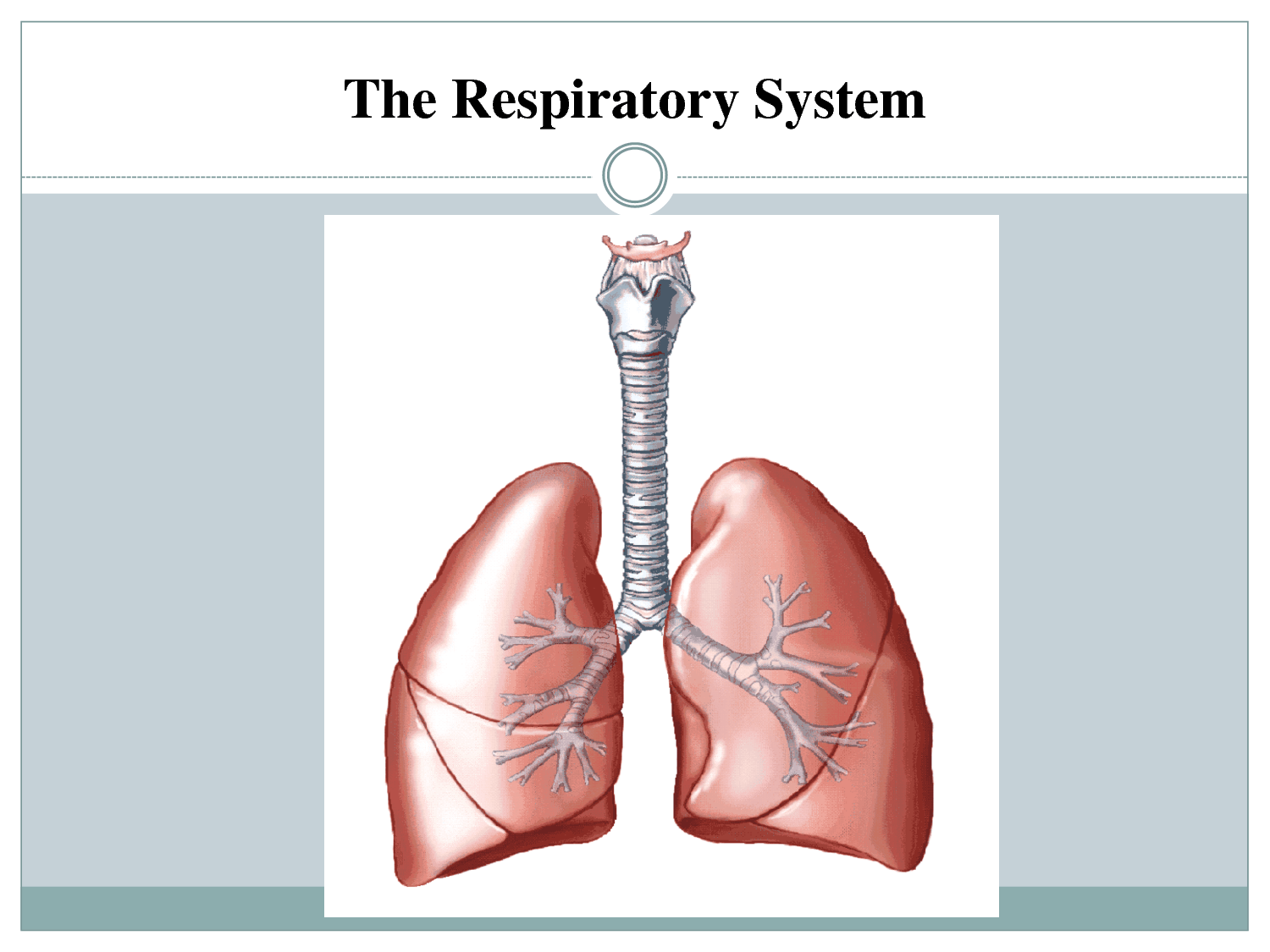
The ______ is a passageway (also knowns as the windpipe) that transports air from your nose/mouth to the lungs.
Trachea
Epiglottis
Bronchi
Lungs
The ___ are two passageways that branch fro the trachea, one to each lung.
Trachea
Epiglottis
Bronchi
Lungs
Your _____ are two organs where the exchange oxygen and carbon dioxide occurs.
Trachea
Epiglottis
Bronchi
Lungs
The bronchi divide into smaller passageways called ______.
Bronchioles
Alveoli
Capillaries
_____________ allows gases to be exchanged between the air sacs in the lungs and the capillaries.
active transport
osmosis
diffusion
facilitated diffusion
Which of the following statements about gas exchange in the lungs is true?
carbon dioxide passes into the alveoli from the capillaries
carbon dioxide passes into the bloodstream from the alveoli
oxygen passes into the alveoli from the bloodstream
none of the above
Gaseous exchange happens between the ________.
alveoli and muscle cells
capillaries and muscle cells
Bronchi and alveoli
alveoli and capillaries
Exchange of materials in the respiratory system occurs in the ______.
alveoli
nephron
neuron
villi
Which of the following does NOT aide in the exchange of gases in the alveoli?
capillaries are one cell thick
capillaries are in direct contact with the alveoli
cells lining the alveoli have a small surface area
air is warmed as it travels into the lungs
Which type of blood cell helps carry oxygen and carbon dioxide throughout the body?
platelets
white blood cells
red blood cells
Tiny, fingerlike projections that increase the surface area of the small intestine for absorption are called ______.
nephrons
flagella
cilia
villi
This allows more nutrients to be absorbed in your small intestine.
larger surface area
small concentration gradients
nutrient channels
food gradient
During digestion carbohydrates are broken down into ______.
amino acids
fatty acids and glycerol
glycerol
glucose
During digestion proteins are broken down into ______.
amino acids
fatty acids and glycerol
glycerol
glucose
The part of the neuron that receives incoming messages is the ______.
dendrite
axon
cell body
axon terminal
The sodium-potassium pump creates _______.
magnetic energy
electrical energy
light energy
sound energy
The sodium potassium pumps moves Na+ out of the cell and K+ into the cell.
TRUE
FALSE
Which of the following is a chemical produced by neurons that carries messages to other neurons?
myelin sheath
neurotransmitter
axon
axon terminal
Which structure is present at the end of the axon of a neuron that contains neurotransmitters?
lysosome
vesicles
golgi bodies
smooth ER
Neurotransmitters are released from the axon terminal of the neuron through ______________________.
endocytosis
diffusion
exocytosis
osmosis
Which part of a neuron releases neurotransmitters?
Axon
Dendrites
Axon terminals
Soma

Once the neurotransmitter is released from the axon terminal it travels across the synapse through a process called _______.
active transport
diffusion
facilitated diffusion
osmosis

