wayground logo

Free Printable Worksheets

Font size

S
M
L
XL
Worksheets

Nutrition

Total questions: 50

Worksheet time: 1hrs 3mins

Name
Class
Date
1.
Which vitamin helps your body heal cuts and scratches? (found in citrus fruits like oranges and grapefruits)
a)
Vitamin A
b)
Vitamin B
c)
Vitamin C
d)
Vitamin D
2.
Which vitamin helps build strong bones? (found in milk)
a)
Vitamin A
b)
Vitamin B
c)
Vitamin C
d)
Vitamin D
3.
Which mineral keeps your muscles and nervous system working right? (found in dairy foods and bananas)
a)
Potassium
b)
Calcium
c)
Iron
d)
None
4.
Which mineral helps build strong bones and teeth? (found in milk)
a)
Potassium
b)
Calcium
c)
Iron
d)
None
5.
Which of the following gives you energy and is found in grains.
a)
Carbohydrates
b)
Proteins
c)
Water
d)
Fats
6.

Which of the following is considered a bad fat?

a)

Monosaccharide

b)

Unsaturated fat

c)

Saturated fat

d)

Carbohydrate

7.

Which of the following assist in digestion by keeping movement and bulk in the stool?

a)

Monosaccharides

b)

Fiber

c)

Lipids

d)

Amino Acids

8.

Which do you want the most of in your diet?

a)

Protein

b)

Sugar

c)

Trans Fat

d)

Saturated Fat

9.

True or False. Carbohydrates are necessary to build muscle and other body parts.

a)

True

b)

False

10.
The purpose of carbohydrates is:
a)
to provide a layer of insulation for protection.
b)
to boost the immune system and fight off infection.
c)
to provide the body with energy.
d)
to help us get a good night's rest.
11.

Promotes repairing and rebuilding of muscle tissue

a)

Protein

b)

vitamins

c)

minerals

d)

fats

12.
Which nutrient carries nutrients to cells and waste from the body?
a)
carbohydrates
b)
proteins
c)
fats
d)
water
13.
Which of the following foods is NOT a carbohydrate?
a)
rice
b)
bread
c)
fruit 
d)
fish
14.
Which of the following foods is NOT a protein?
a)
Orange
b)
Steak
c)
Eggs
d)
Chicken
15.

This nutrient helps in digestion, removes waste, and regulates body temperature.

a)

Fats

b)

Water

c)

Carbohydrates

d)

Saturated fats

16.
Grains are a good source of...
a)
Protein
b)
Carbohydrates
c)
Sugar
d)
Water
17.
How does calcium help our body?
a)
Builds muscle
b)
Helps eyesight
c)
Develops red blood cells
d)
Builds strong bones
18.

The role of fibre is to

a)

Strengthen teeth and bones

b)

Keep the digestive system healthy

c)

Provides the body with energy

d)

Repairs muscle and tissues

19.

Which vitamin improves the vision of a bird?

a)

Vitamin A

b)

Vitamin C

c)

Vitamin D

d)

Iron

20.

What is the importance of calcium within a bird's diet?

a)

Allows blood to hold oxygen

b)

Builds strong bones

c)

Improves the immune system

d)

Improves the structure of egg shells

21.

Which vitamin or mineral allows the blood to hold oxygen?

a)

Calcium

b)

Iron

c)

Vitamin A

d)

Vitamin D

22.

Calcium is important in a bird's diet, but it cannot be absorbed without which other nutrient?

a)

Vitamin A

b)

Vitamin D

c)

Vitamin C

d)

Iron

23.

Which of the following two statements define a macro and micro nutrient.

a)

A macro nutrient is a nutrient needed in large quantities.

b)

A macro nutrient is a nutrient needed in small quantities.

c)

A micro nutrient is a nutrient needed in large quantities.

d)

A micro nutrient is a nutrient needed in small quantities.

24.
The amount of energy released when nutrients are broken down is measured in units called
a)
grams
b)
calories
c)
ounces
d)
pounds
25.
The chemical process by which your body breaks down food to release energy is called
a)
metabolism
b)
nutrition
c)
saturation
d)
constipation
26.
Nutrients that occur naturally in rocks and soil and are required only in small amounts are
a)
supplements
b)
antioxidants
c)
minerals
d)
vitamins
27.
Very heavy perspiring or severe diarrhea can result in a serious reduction in the body's water content known as 
a)
anemia
b)
homeostasis
c)
scurvy
d)
dehydration
28.
Which of the following is NOT a good way for a 16 year old girl to prevent dehydration?
a)
Drink lots of caffeinated liquids
b)
Take a drink of water every 15 minutes of exercise
c)
drink at least ten eight ounce cups of water a day
d)
Eat lots of fresh fruits and vegetables
29.
The three classes of nutrients that supply our body with energy are
a)
Glucose, Sucrose, Lactose
b)
Fat, proteins, carbohydrates
c)
Vitamins, minerals, fiber
d)
Protein, water, carbohydrates
30.
Which of the following nutrients is NOT used by the body for energy?
a)
Fat
b)
Carbohydrates
c)
Vitamins
d)
Proteins
31.

Examples of micro-nutrients in food

(3 answers)

a)

Calcium

b)

Carbohydrates

c)

Iron

d)

Protein

e)

Potassium

32.

Which food group contains the sugar "fructose"?

a)

Breads and Grains

b)

Meat and Poultry

c)

Fruit and Vegetables

d)

Dairy

33.
What is the most dominant source of fuel used by athletes?
a)
Protein
b)
Vitamins
c)
Minerals
d)
Carbohydrates
34.
Are protein supplements necessary?
a)
yes, protein is hard to get enough of.
b)
yes, they help you get an advantage
c)
no, they make you too agressive
d)
no, protein is easy to get from food
35.
This nutrient is used to store energy, form cell membranes, insulate the body and protect internal organs.
a)
carbohydrates
b)
fats
c)
vitamins
d)
water
36.

Deficiency of __________ causes Night blindness.

a)

Vitamin B1

b)

Vitamin D

c)

Vitamin A

37.

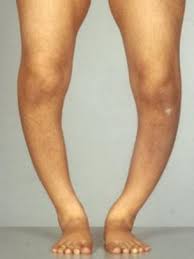
Deficiency of which nutrient leads to this disease?

a)

Vitamin A

b)

Vitamin D

c)

Vitamin C

38.

Lack of exposure to sunlight may lead to deficiency of this ______________.

a)

Vitamin D

b)

Vitamin K

c)

Vitamin E

39.

The deficiency diseases can be prevented by having ___________.

a)

Junk food

b)

Balanced diet rich in fresh fruits and vegetables

c)

Lots of water

40.

Infection and bleeding of gums can be prevented by having foods rich in ___________.

a)

Iron

b)

Calcium

c)

Vitamin C

41.
Vitamin D's function is:
a)
Prevents Rickets, helps bones and teeth
b)
Hair, skin, prevents night blindness
c)
Prevents scurvy, healing
d)
Protects cell membranes
42.

Having iron regularly in your food will help in the prevention of __________.

a)

Goitre

b)

Anaemia

c)

Rickets

43.

Having foods rich in this vitamin will prevent scurvy disease.

a)

Vitamin A

b)

Vitamin C

c)

Vitamin B1

44.
Define the term 'balanced diet'.
a)
A diet containing some nutrients in the correct proportions.
b)
A diet containing most nutrients in the correct proportions.
c)
A diet containing none nutrients in the correct proportions.
d)
A diet containing all nutrients in the correct proportions.
45.

Fruit and vegetables are a good source of ?

a)

Vitamins

b)

Minerals

c)

Both of the above

46.

Which component of healthy that helps food moving through the gut?

a)

Fibre

b)

Fats

c)

Carbohydrate

d)

Protein

47.
A child has a large tummy because water has collected in their tissues. He does not have enough what in his diet?
a)
Fat
b)
Water
c)
Protein
d)
Sugar
48.
Which of these is not a deficiency disease?
a)
Scurvy
b)
Rickets
c)
Obesity
d)
Goitre
49.

What is the deficiency disease of proteins?

a)

Anaemia

b)

Kwashiokor

c)

Scurvy

d)

Night Blindness

50.

Identify the disease and name the deficiency that causes it?

a)

Kwashiorkar, caused due to deficiency of proteins

b)

Kwashiorkar, caused due to deficiency of proteins and carbohydrates

c)

Marasmus, caused due to deficiency of proteins

d)

Marasmus, caused due to deficiency of proteins and carbohydrates