Wayground logo

Free Printable Worksheets

Font size

S
M
L
XL
Worksheets

Systems Review

Total questions: 39

Worksheet time: 25mins
Name
Class
Date
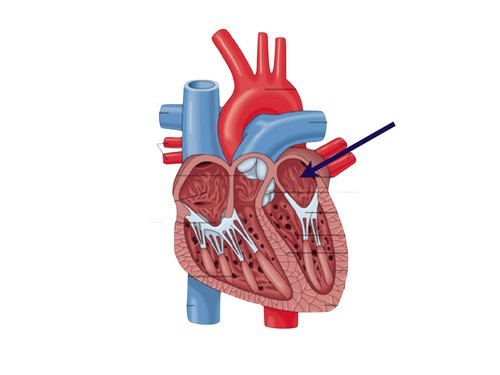
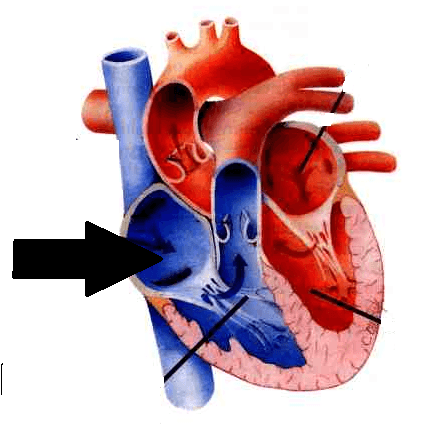
1.
Identify
a)
Left atrium
b)
Right atrium
c)
Left ventricle
d)
Right ventricle
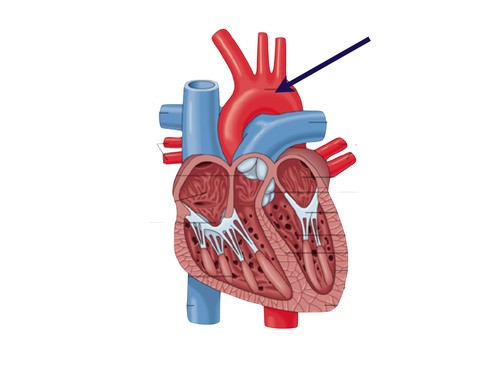
2.
Identify
a)
Pulmonary veins
b)
Pulmonary artery
c)
Aorta
d)
Vena cava
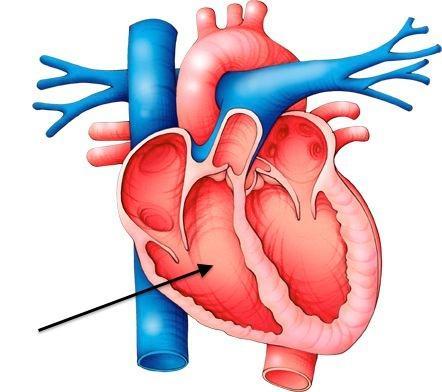
3.
Identify
a)
Left atrium
b)
Right atrium
c)
Left ventricle
d)
Right ventricle
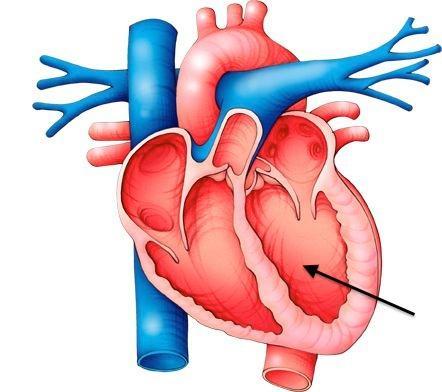
4.
Identify
a)
Left atrium
b)
Right atrium
c)
Left ventricle
d)
Right ventricle
5.
Identify
a)
Left atrium
b)
Right atrium
c)
Left ventricle
d)
Right ventricle
6.
The heart has ___ chambers.
a)
1
b)
2
c)
3
d)
4
7.
This chamber of the heart RECEIVES blood returning from the body
a)
Right Atrium
b)
Right Ventricle
c)
Left Atrium
d)
Left Ventricle
8.
The aorta is the largest artery in the body. The blood leaving the aorta is full of?
a)
Oxygen 
b)
Carbon Dioxide 
c)
White blood Cells 
d)
Potassium 
9.
Thin-walled vessels that allow for the exchange of O2 , CO2, nutrients and wastes between blood cells or air sacs in the lungs
a)
Arteries
b)
Veins
c)
Capillaries
10.
What does Deoxygenated mean?
a)
Oxygen-rich
b)
Blood flow
c)
Oxygen-poor
d)
Water Flow
11.
A flap of tissue that prevents blood from flowing backward
a)
Aorta
b)
Atrium
c)
Septum
d)
Valve
12.
Carry blood away from heart; mostly oxygen-rich
a)
Arteries
b)
Veins
c)
Capillaries
13.
What function does the heart do?
a)
Protects organs and produces red blood cells.
b)
Generates heat.
c)
Breaks down food into nutrients.
d)
The heart is a pump, which moves the blood. The arteries and veins are the pipes where the blood flows.
14.
What is the main function of the artery?
a)
It controls your brain and your thought process.
b)
They carry oxygen- poor blood BACK to the heart.
c)
Arteries carry oxygen- rich blood AWAY from the heart.
d)
It receives information (senses) and sends messages to the body about how to react to things.
15.
arteries, veins, and capillaries are three types of __________
a)
heart valves
b)
blood vessels
c)
cells
d)
veins
16.
What do Red-Blood cells do?
a)
Carry oxygen from the lungs to the body cells and  transport carbon dioxide from the cells back to the lungs
b)
keeps blood flowing in one direction to the heart and prevent blood from flowing backwards
c)
Collects  blood from the capillaries and drain it into the veins
d)
Bring nutriients to the cells and carries away waste materials.
17.
What is the function of this  system?
a)
Take in oxygen and release carbon dioxide
b)
Break apart nutrients into usable pieces of energy
c)
Transport nutrients and oxygen to the  body
d)
Provide movement for the body
18.
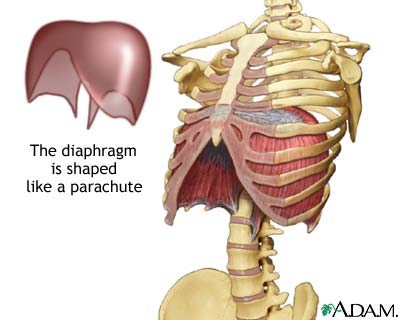
What is function of the dome-shaped diaphragm?
a)
This is where gas exchange happens.
b)
Air passes through the diaphragm on the way to the lungs.
c)
It attaches to the lungs to help in breathing.
d)
It is under the lungs and keeps them from falling down to your stomach.
19.
2 tubes that let air in and out of your lungs
a)
bronchi
b)
trachea
c)
lungs
d)
diaphragm
20.
Pipe that air moves down from the mouth
a)
bronchi
b)
trachea
c)
nose 
d)
lungs
21.
Muscle that lets you breathe in and out
a)
lungs
b)
diaphragm
c)
bronchi
d)
trachea
22.
What happens to 'frequency' (no. of breaths per minute) when we start to exercise?
a)
Decreases
b)
increases
c)
Stays the same as our muscles work harder e.g. External intercostal and diahrsgm
d)
changes concentration
23.
What is the correct name for our windpipe?
a)
Bronchioles
b)
Oesophagus
c)
Trachea
d)
Alveoli
24.

The millions of sac-like structures found at the end of each tiny airway within the lungs are called:

a)

microtrachea

b)

bronchiettes

c)

alveoli

d)

lobes

25.

The process that allows gases to be exchanged between the air sacs in the lungs and the capillaries is:

a)

active transport

b)

osmosis

c)

diffusion

d)

blood pressure

26.
What is the diaphragm?
a)
Muscles between your ribs which contract and expand to support breathing
b)
A muscle at the bottom of your lungs which contracts and relaxes to support breathing
c)
The windpipe, running from your larynx down to the bronchi
d)
The overall cavity that the lungs are held in
27.
What is the epiglottis?
a)
A muscle which supports breathing
b)
The membrane surrounding the lungs
c)
The voice box
d)
A small flap of cartilage at the back of the tongue which closes the windpipe when you swallow
28.
What is the technical term for the voice box?
a)
Pharynx
b)
Larynx
c)
Trachea
d)
Bronchus
29.
What is the place where two bones meet?
a)
hinge
b)
bone
c)
spot
d)
joint
30.
What is the name for the connector that attaches muscle to bone?
a)
ligament
b)
tendon
c)
patella
d)
string
31.
What is the name for the connector that attaches bone to bone?
a)
ligament
b)
tendon
c)
patella
d)
string
32.
What do the bones create?
a)
white blood cells
b)
platlets
c)
red blood cells
d)
flying turkeys
33.

true or false: the muscular system works with the skeletal system to allow the body to move

a)

true

b)

false

34.
“They are cells specialized in picking up stimulus, whether they are internal or ex-
ternal, and send them to the brain through the nervous system”. This is the definition of...
a)
Stimulus
b)
Receptor
c)
Sense
d)
Taste
35.

Which major structure of the brain controls voluntary movement?

a)

Cerebrum

b)

Brain Stem

c)

Cerebellum

36.

Which major structure of the brain coordinates muscles and helps you balance?

a)

Cerebrum

b)

Brain Stem

c)

Cerebellum

37.

Which part of a neuron receives stimuli?

a)

Dendrites

b)

Axon

c)

Myelin Sheath

d)

Nucleus

38.

A response that doesn't involve your brain is called...

a)

An impulse

b)

A neurotransmitter

c)

A reflex

d)

A patella

39.
a signal molecule that transmits nerve impulses across synapses
a)
neuron
b)
neurotransmitter
c)
nerve
d)
action potential