
 Worksheets
Body Systems
Total questions: 50
Worksheet time: 50mins
Which body system includes the heart and blood?
Respiratory
Cardiovascular
Muscular
Skeletal
Which system? releases hormones
integumentary
cardiovascular
endocrine
nervous
Which system consist of eggs and sperm?
reproductive
muscular
urinary
lymphatic
Which system breaks down food?
digestive
endocrine
lymphatic
urinary
Which system defends your body from disease?
endocrine
lymphatic
nervous
cardiovascular
Which system is made up of skin, hair, and nails?
lymphatic
respiratory
muscular
integumentary
Which body system filters your blood?
urinary
integumentary
skeletal
nervous
Which body system includes the brain and spinal cord?
Skeletal
reproductive
integumentary
nervous
Which body system moves your bones?
muscular
cardiovascular
respiratory
digestive
Which body system protects organs and makes blood cells?
skeletal
digestive
integumentary
respiratory
Which body system is responsible for gas exchanges?
reproductive
respiratory
cardiovascular
urinary
In the process of deamination, the liver converts amino acids to compounds that can be used in energy metabolism. The liver removes the amino acids to produce urea. Then the urea is removed from the body as urine. During this process, the liver works in conjunction with which body system?
endocrine
excretory
nervous
respiratory
A student has strep throat. Which body system will respond to this bacterial infection first?
muscular
immune
endocrine
skeletal
Health-care workers are exposed to many different types of pathogenic and nonpathogenic microorganisms. Which body systems work together to protect the body from pathogens?
muscular and vascular
digestive and excretory
circulatory and immune
endocrine and reproductive
The human digestive system is approximately 900 cm long. Food is moved through the digestive tract primarily by
bile produced by the pancreas
the enzymes amylase and pepsin
muscular contractions
hydrochloric acid in the stomach
Which 2 body systems are most responsible for movement?
skeletal and muscular
skeletal and nervous
nervous and digestive
respiratory and muscular
Hemoglobin carries oxygen to body cells. Which body system contains hemoglobin?
circulatory system
respiratory system
endocrine system
nervous system
Which body system is directly responsible for delivering nutrients to cells throughout the body?
circulatory system
integumentary system
endocrine system
respiratory system
What two human systems work together to provide body cells with a constant supply of oxygen while removing carbon dioxide waste products?
nervous and endocrine
muscular and skeletal
respiratory and circulatory
excretory and integumentary
Which body system must directly interact for vertebrate organisms to exchange gases?
skeletal and muscular
excretory and reproductive
circulatory and respiratory
digestive and immune

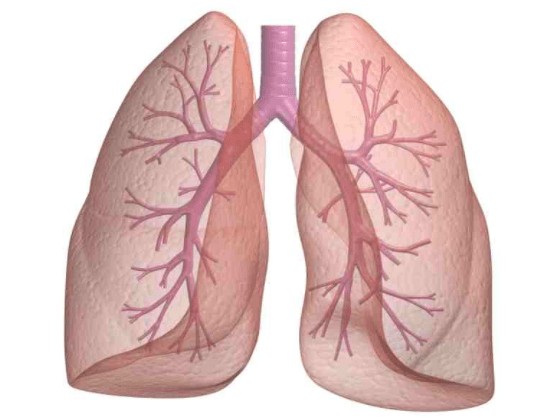


Which body system removes both solid and liquid waste from the body?
urinary system
digestive system
integumentary system
excretory system


Which of the following statements describes the function of the heart?
The heart produces white and red blood cells.
The heart controls the nervous system.
The heart makes oxygen and carbon dioxide.
The heart pumps blood throughout the body.
Which two body systems are primarily responsible for gas exchange between the body and the environment?
skeletal and muscular
circulatory and respiratory
circulatory and digestive
respiratory and excretory
How does the respiratory system depend on the circulatory system in order to function?
The circulatory system brings waste gases to the lungs and exchanges them for oxygen.
The circulatory system provides structural support and protection to the respiratory system.
The circulatory system pushes gases out of the body through the mouth and nose.
The circulatory system sends messages to the lungs so that one can breathe in and out.
How does the circulatory system depend on the skeletal system?
The skeletal system removes carbon dioxide from the circulatory system.
The skeletal system produces blood cells in the bone marrow.
The skeletal system is responsible for voluntary movement.
The skeletal system helps to digest food for the circulatory system.
What is the most important function of the excretory system?
Break down food
Pump blood
Remove waste
Voluntary movement
How do the circulatory and excretory systems work together?
The circulatory system brings nutrients and oxygen so our cells can produce energy.
The circulatory system brings blood to the kidneys to filter and remove waste.
The circulatory system bring white blood cells around the body to fight infection and disease.
The circulatory system helps the excretory system digest food.
How does the immune system depend on the circulatory system in order to function?
The circulatory system produces antibodies used by the immune system.
The circulatory system sends bacteria and viruses to the immune system.
The circulatory system transports immune system cells throughout the body.
The circulatory system protects the immune system from diseases.
Which of the following statements describes the function of bones?
Bones store food for later use.
Bones destroy foreign cells.
Bones protect organs in the body.
Bones send instructions to body parts.
Which two systems work together to remove wastes?
digestive and excretory
respiratory and skeletal
skeletal and circulatory
digestive and respiratory
What tissue type carries information from your brain to the heart telling it to pump blood.
nerve tissue
epithelial tissue
muscle tissue
connective tissue
What is a major role of the endocrine system?
release hormones to control many body functions
digest and absorb food
transport nutrients through the blood
first line of defense from infection

