
 Worksheets
Evolution and Biodiversity
Total questions: 30
Worksheet time: 34mins

The gradual change in a species over time is called ____________.
Evolution
Nucleotide
Adaptation
Natural Selection

Darwin believed that organisms with traits that are best suited to the environment/best able to survive and reproduce (organisms that are the "fittest") will ________________.
become extinct
increase in number
have a population that remains the same in number
decrease in number
The feathers of a snowy owl gradually changed to white to allow it to blend in with its environment during the winter months (with snow). This inherited characteristic is an example of ________________
a Species
Environmental Change
Adaptation
Variation
The environment around Manchester, England, changed during the Industrial Revolution. How did this change affect peppered moths living in the area?
Natural selection favored moths with dark wings because predators could not see them on the soot-colored (dark) trees.
Natural selection favored moths with white wings that were easy for predators to see.
Natural selection favored moths with white wings because predators could not see them on the soot-colored (dark) trees.
Natural selection caused moths with white wings to become extinct.
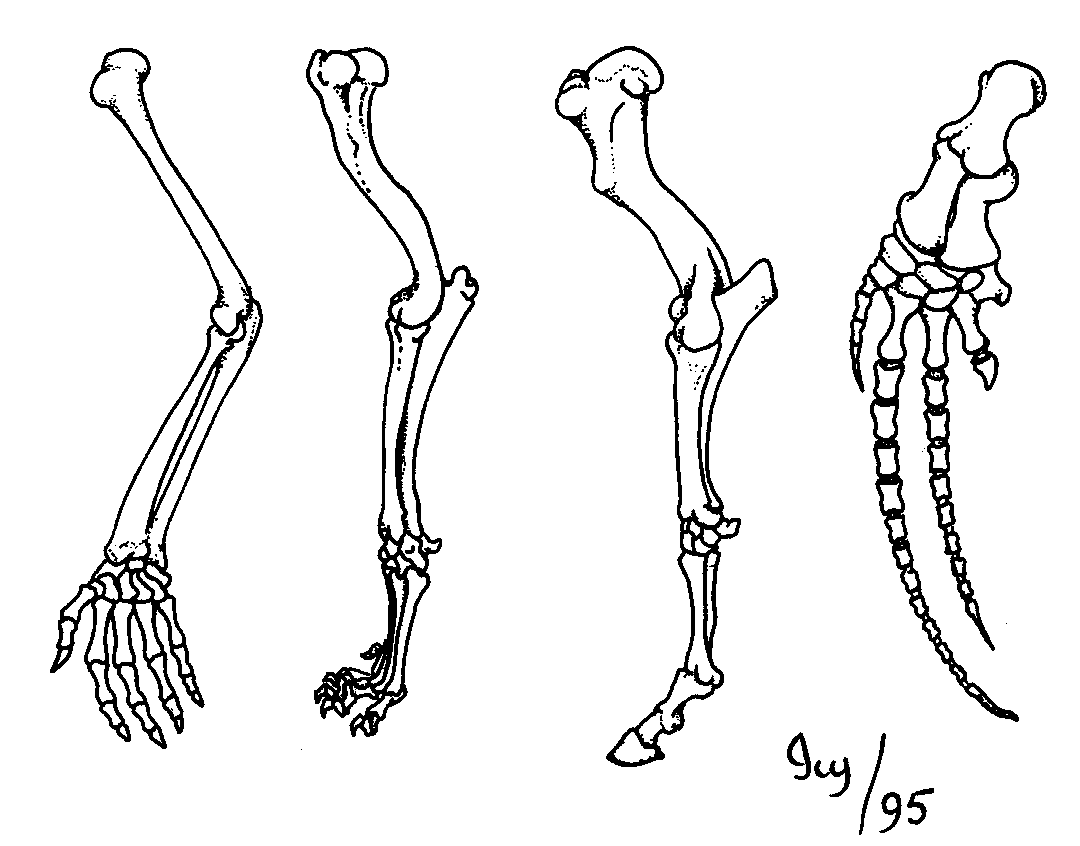
________ ______________ have the same structure, but different functions. An examples include the arm of a human as compared to the wing of a bird.
vestigial structures
homologous structures
adaptive radiation
fossil
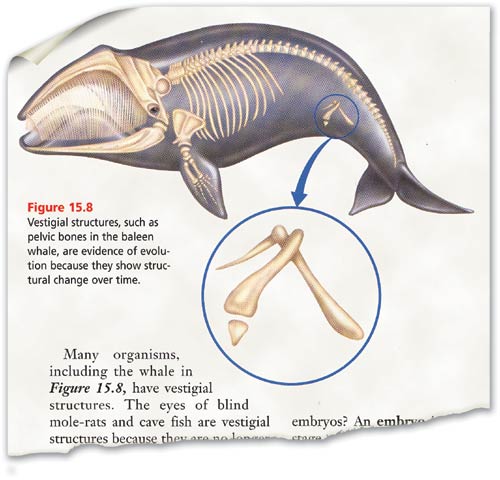

_______ ___________ are found in different species and have the same function, but different structures (the species in which these are found do not share a common ancestor). Examples include the wings of insects and birds.
Homologous structures
Analogous structures
Structural adaption
Functional adaption
____________ is primarily credited with developing the theory of natural selection. This theory stated that organisms that were best suited for the environment would survive and pass on these beneficial traits to their offspring.
Mendel
Lamarck
Watson
Darwin
_______ developed the theory of acquired inheritance. He believed that an organism could change its body/appearance, and pass these changes along to their offspring (ex: a mom and dad with muscles will have a baby with muscles).
Darwin
Lamarck
Mendel
Watson
A virus killed most of the seals in the North Sea (e.g. dropped the population from 8000 to 800). In an effort to help preserve the species, scientists caught 20 of the remaining seals and used them to start a new population in the northwest Pacific Ocean. Which of the following statements would accurately describe the new population?
The new seal population is genetically less diverse than the original population
The new seal population is genetically more diverse than the original population
There is equal genetic variety compared to the original population
The "new" seals will turn into monsters and control the ocean.
During a hike a man accidentally steps on a population of rare beetles that were in the path, leaving just four from the original twenty. This scenario is an example of what type of genetic drift?
Squash the bug effect
Founder Effect
Natural Selection
Bottleneck effect
Which of the following is an example of the founder effect?
Bald Eagles are hunted until near extinction, but the population recovers.
Small group of iguanas floats to an island and starts a new population (creates a population with a "skewed" representation of traits).
Red fox pups are more likely to survive in a snowy environment if they are born white.
Farmer chooses seeds from largest apples to plant next year. This results in larger apples from year to year.

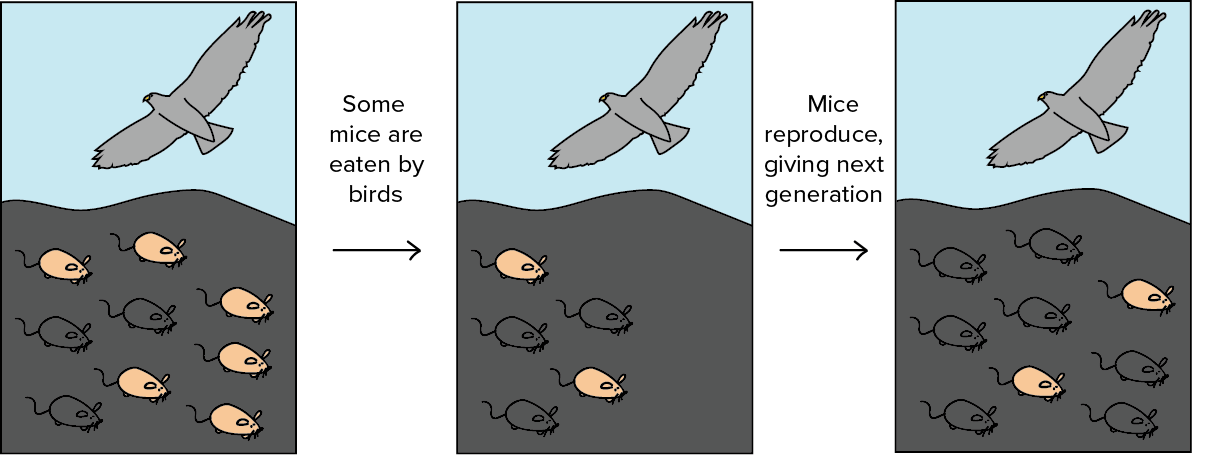
Why is the mouse population changing over time?
The light mice can reproduce more successfully than the dark mice
The hawks eat more dark mice than light mice because the dark mice taste better
The hawks eat more light mice than dark mice because they can see the light mice very easily
The hawks eat more dark mice than light mice because they can see the dark mice easily
Why are advantageous traits more likely to be passed on to offspring?
Because the organisms with these traits are more likely to survive and reproduce.
Because the organisms with these traits come from recessive alleles.
Because the organisms with these traits come from dominant alleles.
Because the organisms with these traits have acquired phenotypes.
A flash flood carried a raft of Amazon ants away from their original population. There is enough distance between the two groups to ensure that they will never meet in nature again. What type of reproductive barrier is this?
behavioral isolation
temporal isolation
gametic isolation
geographic isolation
Which type of evolution shows a common ancestor (but over time, the organisms develop into many different species)?
convergent evolution
Analogous structures
adaptive radiation
None of the above


The image shows convergent evolution.
The image shows divergent evolution.
The image shows adaptive radiation.
The image shows homologous structures.
Light-colored oysters would blend into the rocks in the shallows, and the darkest would blend better into the shadows. The ones in the intermediate range make them easier prey.
directional selection
stabilizing selection
disruptive selection
artificial selection
Which scientist theorized that evolution occurs over many generations?
Lamarck
Darwin
Both
Neither
A large population of cockroaches was sprayed with a pesticide. A few of the cockroaches survived and produced a population of cockroaches that was resistant to this spray. What can be inferred from this example?
The roaches with favorable resistant variations survive and reproduce.
The environment has no effect on the survival of an organism.
Pesticides cause harmful mutations that are passed on to the next generation.
The roaches will turn into monsters and take over the environment.
What type of evolution is the following:
Horse evolution shows long, stable periods of little evolution occurring. These time frames are interrupted by brief periods of rapid change.
Divergent Evolution
Convergent Evolution
Co-Evolution
Punctuated Equilibrium
Genetic drift is change in the allele frequency of a population due to...
random chance
natural selection
non-random mating (sexual selection)
artificial selection

