
 Worksheets
Weather and Cloud
Total questions: 52
Worksheet time: 46mins
Name
Class
Date
1.

Precipitation happens when clouds of water droplets are too ______________.
a)
cold
b)
light
c)
heavy
d)
hot
2.

Does evaporation happen before or after condensation?
a)
before
b)
after
c)
during
3.
What is the weather conditions in an area over a long period of time?
a)
climate
b)
temperature
c)
elevation
d)
precipitation
4.
____ is a low ground level cloud
a)
mist
b)
fog
c)
rain
d)
sunshine
5.
Winters in Maine can reach temperatures below zero.
a)
Climate
b)
Weather
6.
Changes from minute-to-minute, hour-to-hour, day-to-day
a)
Climate
b)
Weather
7.
A tornado warning was issued for Kansas City this morning.
a)
Climate
b)
Weather
8.
Texas has long, hot summers.
a)
Climate
b)
Weather
9.
Meteorologists forecast this.
a)
Climate
b)
Weather
10.
What is climate?
a)
What's going on with the atmosphere at any particular time
b)
The type of weather that occurs during a particular season
c)
An area's pattern of weather over a long period of time
d)
How much sunshine an area gets
11.
A front is
a)
where warm air is cooling at earth's surface
b)
a line where hot and cold air are separating
c)
a line where two different air masses meet
d)
where cold air is rising and forming rain clouds
12.
These clouds are wispy or curly, white, thin & feather-like
a)
cumulus
b)
cumulonimbus
c)
cirrus
d)
stratus
13.
These clouds are very high in the sky.
a)
cumulus
b)
cumulonimbus
c)
cirrus
d)
stratus
14.
These clouds are made of ice crystals.
a)
cumulus
b)
cumulonimbus
c)
cirrus
d)
stratus
15.
These clouds are puffy and white and sometimes appear to have a flat bottom.
a)
cumulus
b)
cumulonimbus
c)
cirrus
d)
stratus
16.
These clouds are all made of water drops.
a)
cumulus, cirrus, stratus
b)
cumulus, cumulonimbus, stratus
c)
cirrus, cumulonimbus, cumulus
d)
cumulus, cumulonimbus, cirrus, stratus
17.
These clouds indicate fair weather.
a)
cumulus
b)
cumulonimbus
c)
cirrus
d)
stratus
18.
These are the clouds that we commonly see shapes in.
a)
cumulus
b)
cumulonimbus
c)
cirrus
d)
stratus
19.
These clouds bring rainy or overcast weather.
a)
cumulus
b)
cumulonimbus
c)
cirrus
d)
stratus
20.
Fog is this type of cloud when it is close to the ground
a)
cumulus
b)
cumulonimbus
c)
cirrus
d)
stratus
21.
These clouds are large, dark, billowing clouds with an anvil shaped top.
a)
cumulus
b)
cumulonimbus
c)
cirrus
d)
stratus
22.

Which cloud is this?
a)
cumulus
b)
cumulonimbus
c)
cirrus
d)
stratus
23.

Which cloud is this?
a)
cumulus
b)
cumulonimbus
c)
cirrus
d)
stratus
24.
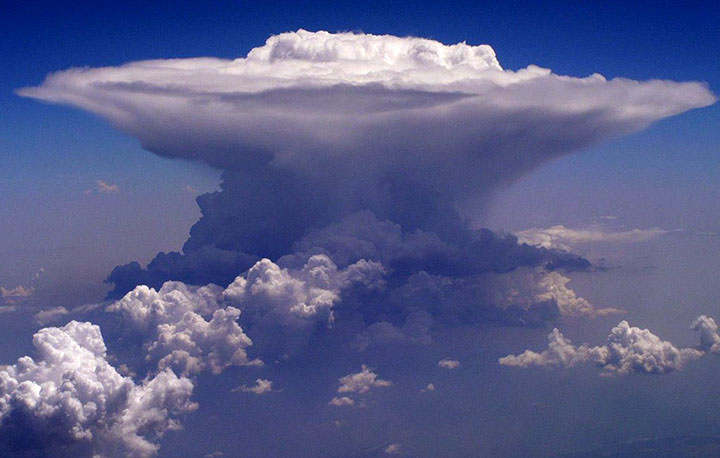
Which cloud is this?
a)
cumulus
b)
cumulonimbus
c)
cirrus
d)
stratus
25.

Which cloud is this?
a)
cumulus
b)
cumulonimbus
c)
cirrus
d)
stratus
26.

Which cloud is this?
a)
cumulus
b)
cumulonimbus
c)
cirrus
d)
stratus
27.

Which cloud is this?
a)
cumulus
b)
cumulonimbus
c)
cirrus
d)
stratus
28.

Which cloud is this?
a)
cumulus
b)
cumulonimbus
c)
cirrus
d)
stratus
29.

Which cloud is this?
a)
cumulus
b)
cumulonimbus
c)
cirrus
d)
stratus
30.
Which has the greatest effect on the temperature of a region?
a)
the amount of plants it has
b)
the amount of rainfall it gets
c)
the amount of humans it has
d)
the amount of sunlight it gets
31.
Throughout the year, there is usually some wind blowing at the beach during the day and night. What is the cause of these winds?
a)
air flowing down mountains to the ocean
b)
differences in the humidity over land and ocean
c)
differences in the temperature of land and ocean
d)
air flowing from the upper parts of the atmosphere
32.
How is weather on a cloudy night most likely to differ from the weather on a clear night?
a)
the temperature will be cooler
b)
the temperature will be humid
c)
the temperature will be warmer
d)
the temperature will be unchanged
33.
Which statement best describes temperature patterns in areas along the equator?
a)
temperatures along the equator vary from hot in the summer to cold in the winter
b)
temperatures along the equator are consistently warm all year long
c)
temperatures along the equator are consistently cool all year long
d)
temperatures along the equator are consistently freezing all year long
34.
Which condition is connected with rainy weather?
a)
low temperatures
b)
high temperatures
c)
low air pressure
d)
high air pressure
35.
What two factors are needed to measure wind?
a)
direction and speed
b)
temperature and speed
c)
direction and temperature
d)
speed only
36.
Which describes how wind speed if affected by weather?
a)
rainy weather causes greater wind speeds
b)
warmer weather causes greater wind speeds
c)
differences in air pressure cause greater wind speeds
d)
small temperature changes cause greater wind speeds
37.
How will freezing air temperatures most likely affect rain as it falls through the air?
a)
it will change to fog
b)
it will change to hail
c)
it will change to sleet
d)
it will continue to fall as rain
38.
High air pressure is most often related to which type of weather?
a)
cool with clear skies
b)
humid with clear skies
c)
warm with cloudy skies
d)
humid with overcast skies
39.
Which type of weather most likely occurs in a high pressure area?
a)
clear
b)
foggy
c)
rainy
d)
snowy
40.
Which best describes the weather condition in which clouds touch the surface of Earth?
a)
dry
b)
foggy
c)
humid
d)
stormy
41.
Which instrument is used to determine air pressure?
a)
barometer
b)
anemometer
c)
psychrometer
d)
thermometer
42.
Which moves clouds through the atmosphere?
a)
winds
b)
evaporation
c)
condensation
d)
moon
43.
Which is an effect of La Nina on North Carolina's summer weather?
a)
decreased winds
b)
decreased rainfall
c)
increased humidity
d)
increased temperature
44.
Which best describes El Nino?
a)
water in the Pacific Ocean gets warmer than usual and causes fewer hurricanes to form
b)
water in the Pacific Ocean gets colder than usual and causes more hurricanes to form
c)
water in the Pacific Ocean gets colder than usual and the flow of the jet stream is disrupted
d)
water in the Pacific Ocean gets warmer than usual and the flow of the jet stream is disrupted
45.
On a given day, which most affects the amount of rainfall an area if expected to receive?
a)
climate
b)
jet stream
c)
wind speed
d)
meteorologists
46.
Which weather conditions are associated with El Nino?
a)
increased temperature, increased precipitation
b)
decreased temperature, increased precipitation
c)
increased temperature, decreased precipitation
d)
decreased temperature, decreased precipitation
47.
What is the energy source for the water cycle?
a)
the sun
b)
the earth
c)
water
d)
the moon
48.
Which is the opposite of condensation?
a)
runoff
b)
evaporation
c)
precipitation
d)
transpiration
49.
Snow, sleet, hail, and rain are all examples of ________________.
a)
evaporation
b)
condensation
c)
accumulation
d)
precipitation
50.
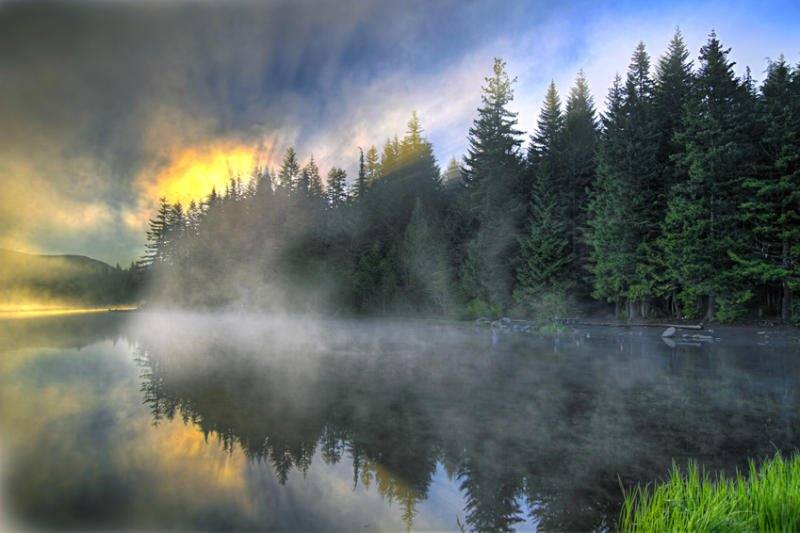
What happens after groundwater at the very end/beginning of the water cycle?
a)
Evaporation
b)
Transpiration
c)
Condensation
d)
Groundwater
51.

What is it called when plants give off water vapor as a waste product?
a)
condensation
b)
evaporation
c)
sublimation
d)
transpiration
52.
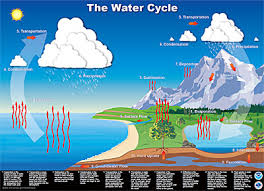
Which stage does ground water try to return to the ocean or soak into the ground?
a)
condensation
b)
evaporation
c)
precipitation
d)
run off
100 %

