
 Worksheets
3 Dynamic Earth Practice Test
Total questions: 23
Worksheet time: 12mins
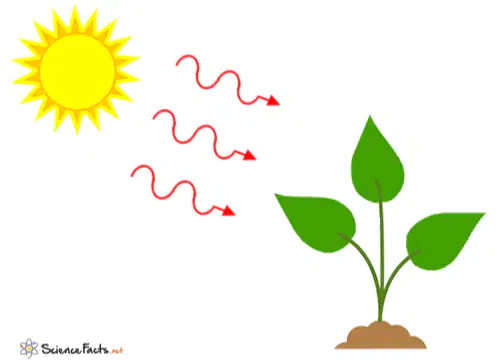
The type of heat transfer that can occur through empty space (a vacuum) is:
radiation
convection
conduction
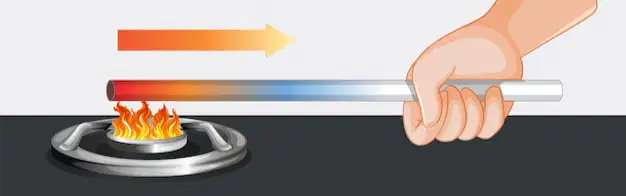
The type of heat transfer that occurs through a solid, or when objects touch each other:
radiation
convection
conduction

The type of heat transfer that occurs when warm air or water rises:
radiation
convection
conduction
Which Type of tectonic plate collision does not result in volcanoes?
Continental > < Continenetal
Continental > < Oceanic
Oceanic > < Oceanic
The Himalayan mountains were a result of which type of collision?
Continental > < Continenetal
Continental > < Oceanic
Oceanic > < Oceanic
Which type of tectonic plate interaction results in a mid-ocean ridge and sea floor spreading?
Continental > < Continenetal
Continental > < Oceanic
Oceanic < > Oceanic
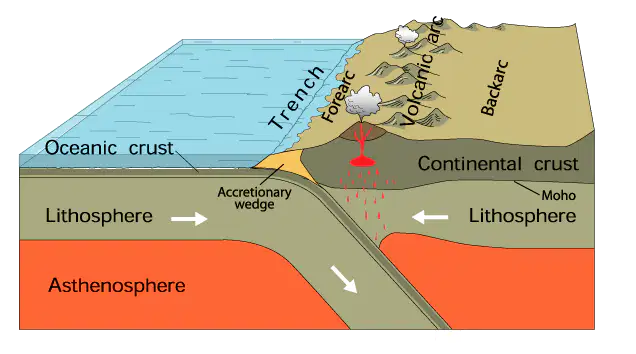
When a dense oceanic plate is pushed under a lighter continental plate, _____ occurs.
conduction
uplift
subduction
convection
The most abundant gas in earth's atmosphere is:
oxygen
nitrogen
methane
carbon dioxide
The most abundant elements dissolved in seawater are sodium and:
potasium
magnesium
calcium
chlorine
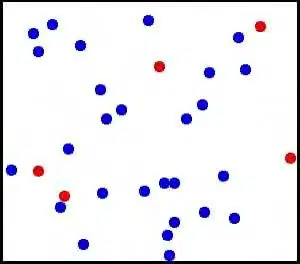
Temperature is a measure of what?
speed of the molecules that make up a substance
density of a substance
how close together molecules are in a substance
the size of the molecules that make up a substance
What happens to seismic waves as they travel through the earth?
They bend and change speed
They bounce off different substances
they lose energy and fade away quickly

layer of the earth made of liquid iron and nickle
Mantle
Crust
Outer Core
Inner Core
Solid part of core
Lithosphere
Asthenosphere
Outer Core
Inner Core
made of dense iron rich minerals and rock
Mantle
Crust
Core

All weather occurs here
Thermosphere
Troposphere
Ozone layer
Mesosphere
Outer layer. Earth's Magnetic field interacts with solar radiation to produce the Auroras here.
Thermosphere
Troposphere
Ozone layer
Mesosphere
Layer of the upper stratosphere that absorbs UV radiation.
Thermosphere
Troposphere
Ozone layer
Mesosphere
Layer of the ocean where water temperature decreases quickly with depth.
Deep Zone
Shallow Zone
Thermocline
Scientists use what to determine the composition of the earth’s interior?
The depth of different types of earthquakes
By studying the way seismic waves bounce off of different layers of the earth’s interior.
By drilling holes and taking samples
By studying the way seismic waves bend and change speed when passing through different parts of the earth.

One of the most important functions of the earth’s oceans, exemplified by the Gulf Stream is:
salt formation
oxygen production
global temperature regulation
reflect solar radiation
Select all the "reactants" in the photosynthesis equation.
CO2 + H2O --> C6H12O6 + O2
CO2
C6H12O6
O2
H2O
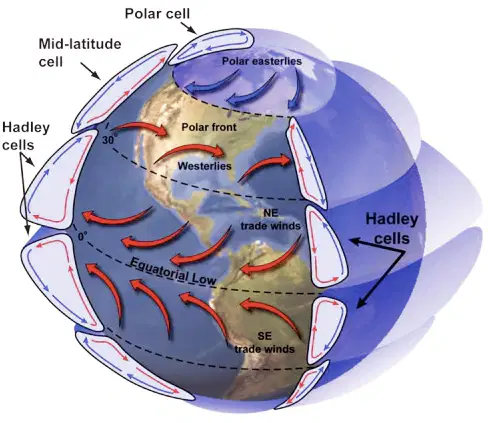
What two factors create the global wind belts?
Radiation and ocean currents
Convection cells and the Earth's rotation (the Coriolis effect)
Convection Cells and the Earth's Revolution around the sun
Convection Cells and Ocean Currents
Erosion is most often caused by:
sunlight and water
wind, water and gravity
wind and plant growth
temperature changes and wind

