wayground logo

Free Printable Worksheets

NEW

Font size

S
M
L
XL
Worksheets

Civil War, Reconstruction, New South

Total questions: 75

Worksheet time: 1hrs 4mins

Name
Class
Date
1.
What was the Underground Railroad?
a)
A place where slaves were sold
b)
It was a railroad that was underground and carried slaves to freedom.
c)
A network slaves used to get to freedom.
d)
A smooth form of transportation.
2.
The Georgia Platform was a statement supporting
a)
states' rights.
b)
popular sovereignty.
c)
the Compromise of 1850.
d)
slavery throughout the United States.
3.
Where did the bloodiest one-day battle of the Civil War take place?
a)
Shiloh
b)
Antietam
c)
Vicksburg
d)
Gettysburg
4.
What contributed to the lack of success of the Union Blockade?
a)
The South had a superior navy.
b)
Blockade runners slipped through the blockade.
c)
Great Britain found other ways to trade with the South.
d)
The Union did not have enough ships to enforce the blockade.
5.
What Union general led the northern army on its "March to the Sea" and saw to it that much of Georgia's capital resources were destroyed?
a)
Robert E. Lee
b)
Ulysses S. Grant
c)
William T. Sherman
d)
Thomas "Stonewall" Jackson
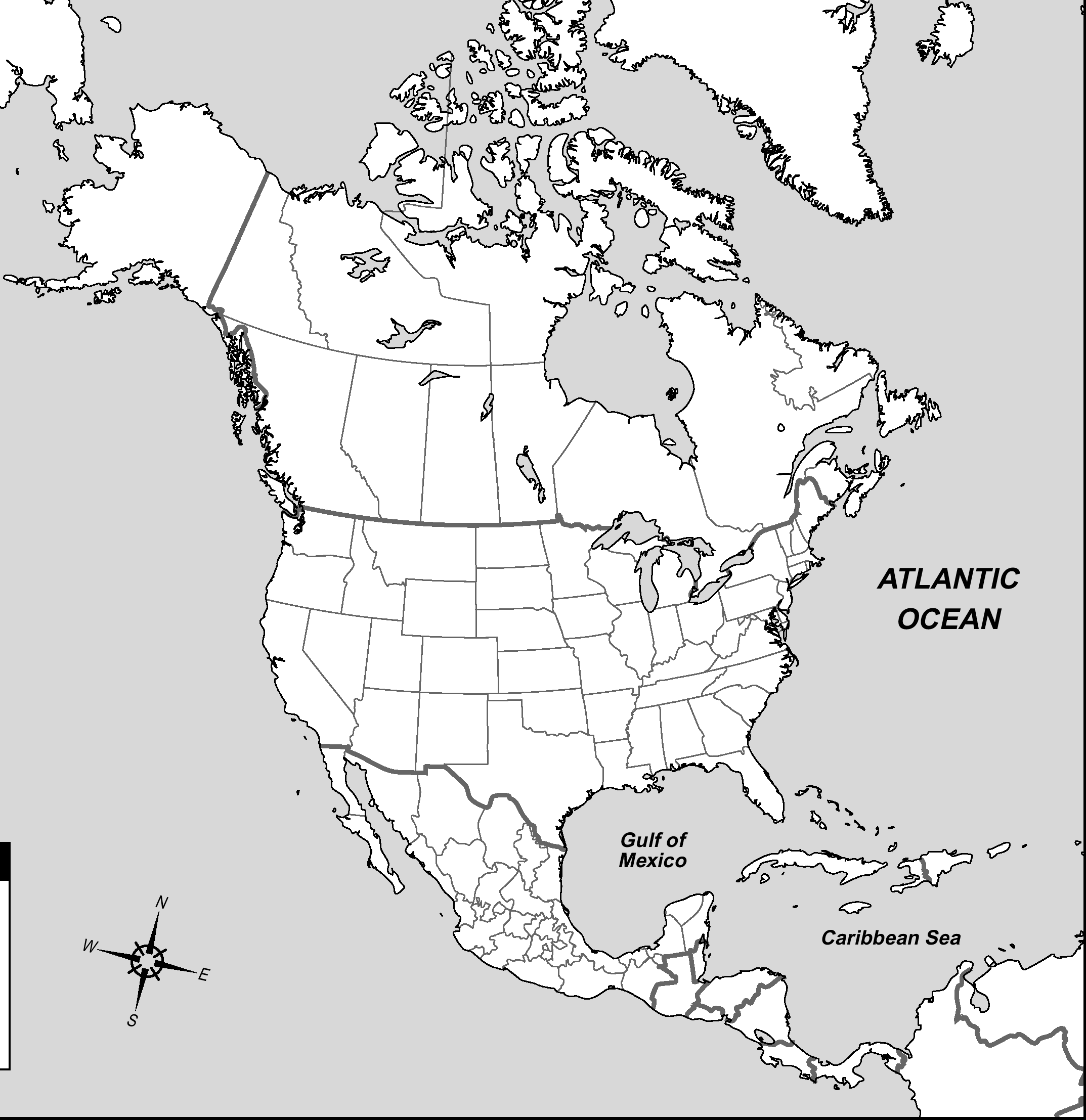
6.
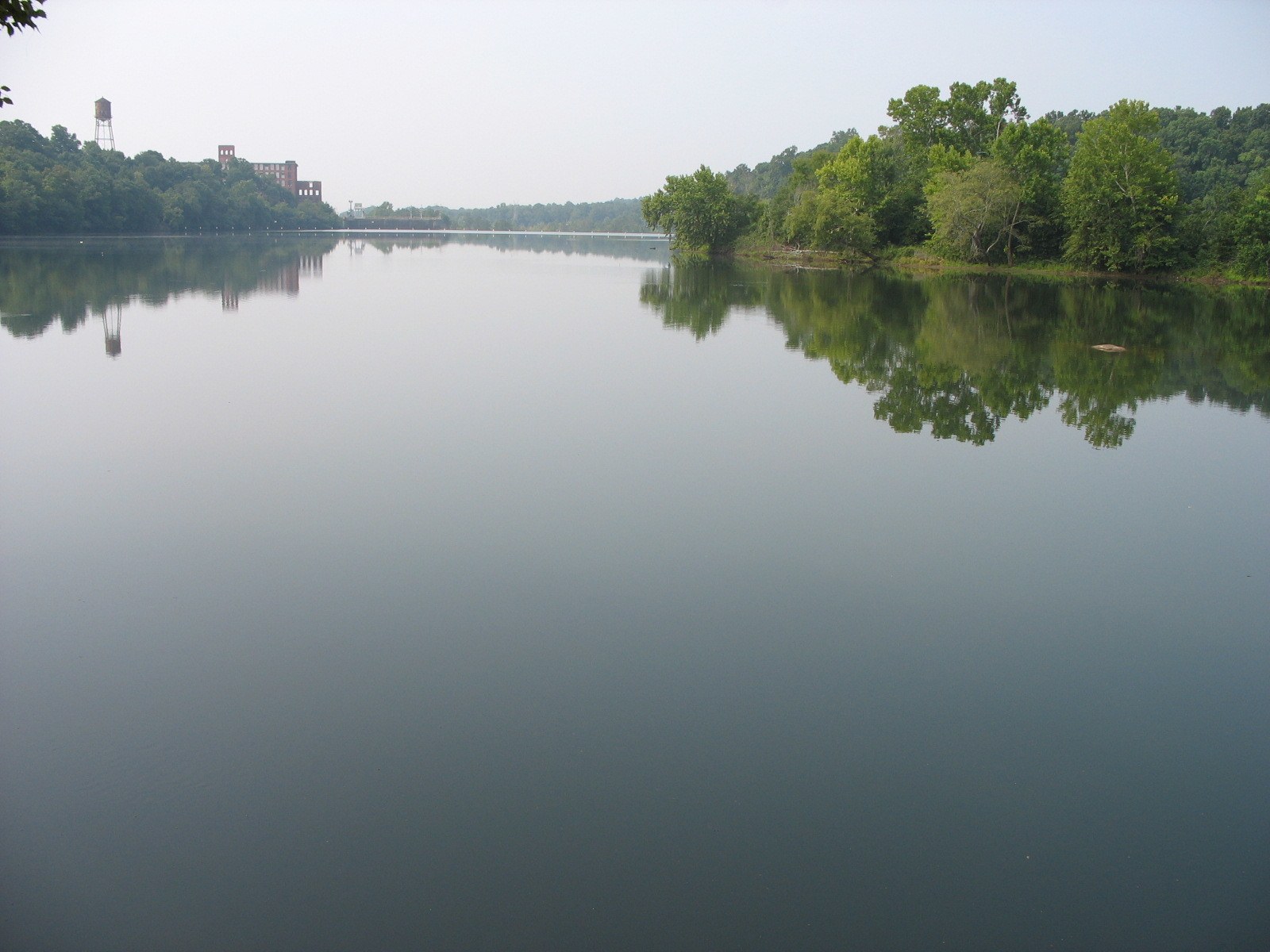
Where was the notorious Confederate prison in Georgia?
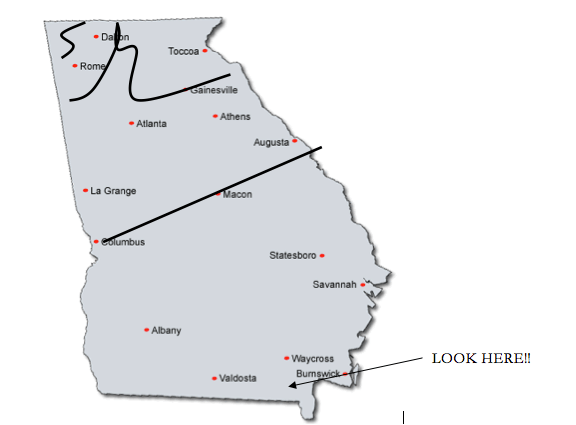
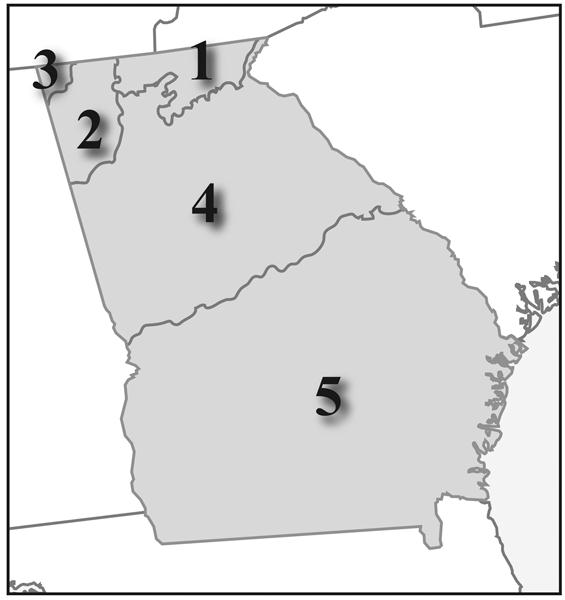
a)
Fulton
b)
Alcatraz
c)
Belle Isle
d)
Andersonville
7.
Many southern states believe that the state should be the final authority over slavery. This belief is an example of
a)
abolition
b)
sectionalism
c)
states' rights
d)
popular sovereignty
8.
When Abraham Lincoln was elected president, many southern states, including Georgia, left the union, or _______.
a)
nullified
b)
seceded
c)
exercised sectionalism
d)
exercised states' rights
9.
The Compromise of 1850 admitted what state as a free state?
a)
Maine
b)
Kansas
c)
Missouri
d)
California
10.
People who campaigned to end slavery were called ____.
a)
conformists
b)
rebels
c)
abolitionists
d)
yankees
11.
What was the US Supreme Court's decision when Dred Scott, a slave, attempted to sue for his freedom? The US Supreme Court determined that he
a)
would be granted his freedom
b)
was lying about living in a free state
c)
was property, not a citizen, and had no legal right to sue
d)
he should fight for the Union army and win his freedom
12.
What was the impact of Sherman’s “March to the Sea”? 
a)
 A. It convinced the South that they could win the war.
b)
B. It convinced President Lincoln to issue the Emancipation Proclamation.
c)
C. It forced Robert E. Lee to evacuate Georgia. 
d)
D. It left a path of destruction from Atlanta to Savannah that crippled the Confederacy.
13.

This Civil War-era illustration is showing

a)

Grant's victory at Shiloh.

b)

Sherman's "March to the Sea".

c)

Scott's victory at Gettysburg.

d)

the Union Blockade of the South

14.

"For the last ten years we have had numerous and serious causes of complaint against our non-slave-holding confederate States with reference to the subject of African slavery. They have endeavored to weaken our security, to disturb our domestic peace and tranquility, and persistently refused to comply with their express constitutional obligations to us in reference to that property, and by the use of their power in the Federal Government have striven to deprive us of an equal enjoyment of the common Territories of the Republic."

- from Georgia's Declaration of Secession, January 19, 1861


Georgia became the fifth state to secede at a convention held in Milledgeville, Georgia. What conclusion can be drawn as to why Georgia seceeded from the Union?

a)

The northern states were disturbing the peace.

b)

The Georgia government wanted a new constitution.

c)

Georgia had been fighting for ten years and was tired.

d)

The Federal government violated Georgia's rights as a soverign state.

15.

How is the city of Savannah related to the Union strategy of a full blockade of Confederate ports?

a)

Savannah was the last port needed to be secured in order to totally blockade the coast of Georgia.

b)

Savannah was the least significant city in Georgia, and the Union strategy centered on securing Atlanta and capturing the Tennessee River.

c)

Savannah was the least significant city in Georgia, and the Union strategy centered on securing Atlanta and capturing the Chattahoochee River.

d)

Savannah was the most significant port in Georgia, and the Union strategy centered on securing bases at Savannah and the outlying islands to fully blockade Georgia.

16.

Which event from the Civil War is MOST likely portrayed in this engraving?

a)

the bombardment of Fort Sumter

b)

the Confederate victory at the Battle of Bull Run

c)

the scorched earth campaign of General Sherman

d)

the running of the Union blockade

17.
What was at stake in the battle of Chickamauga? 
a)
A. Control of the railroad center in nearby Chattanooga
b)
 B. Access to the port city of Savannah
c)
C. Access to ammunition
d)
D. The fate of Washington, D.C.
18.
What agency help former slaves with food, clothing, jobs, school and hospitals?
a)
Freed Slave Alliance
b)
Freed People's Agency
c)
Freedmen's Bureau
d)
Abraham's Friends
19.

According to the Georgia Constitution, Southern Democrats expelled Blacks from the Georgia legislature because:

a)

They did not have the right to hold office.

b)

They did not have the right to vote.

c)

They sided with the Southern Democrats

d)

They owned too much land.

20.
A person who did not own land, tools or anything else but offered his labor to work the land is:
a)
A tenant farmer
b)
A Sharecropper
c)
A Successful Farmer.
d)
An owner of land.
21.
Which statement describes the attitude of the Ku Klux Klan?
a)
The KKK supported the ideas of Congressional Reconstruction.
b)
The KKK supported Black American politicians.
c)
The KKK used violence to terrorize Blacks from voting.
d)
The KKK agreed with Radical Republicans.
22.

Who favored harsher punishment on the Reconstruction plans?

a)

Abraham Lincoln

b)

Andrew Johnson

c)

Congressional Republicans

d)

Confederate leaders

23.
The process of rebuilding the South after the Civil War was known as  
a)
A. New South
b)
 B. Reconstruction
c)
 C. Atlanta Compromise
d)
D. Georgia Platform
24.
Which of the following ended slavery throughout the United States? 
a)
A. The Thirteenth Amendment 
b)
B. The Fourteenth Amendment 
c)
C. The Fifteenth Amendment
d)
 D. The Emancipation Proclamation
25.

The 15th Amendment of the United States Constitution...

a)

Gave African Americans the right to own businesses

b)

Freed the Slaves

c)

Gave African Americans the right to vote

d)

Forced African Americans back into slavery

26.

He was elected to the House of Representatives, but was expelled because he was black?

a)

Henry McNeal Turner

b)

Stephen Douglas

c)

Henry Clay

d)

Austin Dabney

27.

Which amendment gave freed slaves U.S. Citizenship rights?

a)

13th Amendment

b)

14th Amendment

c)

15th Amendment

d)

16th Amendment

28.

_________________________ owned animals and equipment, but not land.

a)

Sharecroppers

b)

Tenant Farming

c)

Freedmen

d)

Scalawags

29.

What conclusion can be drawn from the following list?

● 13th Amendment (1865)-Abolition of Slavery

● 14th Amendment (1866)-Definition of Citizenship: Due Process

● 15th Amendment (1869)-Right to Vote not based on Race or previous servitude

a)

strengthen states’ rights over federal laws

b)

weaken the Jim Crow laws that were passed by the North

c)

abolish slavery and establish rights to former slaves

d)

strengthen the Bill of Rights in support of the Constitution

30.
This Reconstruction plan said a state could rejoin if 10% of its population swore an oath of loyalty
a)
Lincoln's Plan
b)
Johnson's Plan
c)
Radical Republican's Plan
d)
Grant's Plan
31.
The Reconstruction Amendments were created after the Civil War between the North and the South. What does the word reconstruction mean? 
a)
Tear down
b)
To rebuild
c)
Take over
d)
To destroy
32.
In 1866, a group formed in the South to fight against the rising influence of African Americans in the South. Members of this group often turned to violence and intimidation, What was the name of this controversial group?
a)
Sons of the Confederacy
b)
Neo-Nazis
c)
Ku Klux Klan
d)
Black Separatists
33.
Georgia refused to ratify the 14th amendment. What happened?
a)
Nothing
b)
GA placed under military rule
c)
Georgia residents were told to turn in their weapons.
34.
This political cartoon has a picture of Lady Liberty holding a newspaper with Mary Phagan's name on it. She is pointing to the detective department asking, "Are you asleep in there". What might this cartoon be referring to?
a)
Plessy v. Ferguson
b)
Disenfranchisement 
c)
The Leo Frank Case
d)
The Civil Rights Movement
35.
Which illegal laws forced segregation in public facilities in the South?
a)
Jim Crow laws
b)
Poll taxes
c)
Literacy tests
d)
Grandfather clauses
36.
Which court case made acts like the one shown in this picture legal?
a)
Brown v. Board of Education
b)
Marbury v. Madison
c)
Plessy v. Fergusson
d)
Dred Scot v. Sanford
37.
Founder of the Tuskegee Institute in Alabama
a)
Booker T. Washington
b)
Robert Woodruff
c)
Asa Candler
d)
John Pemberton
38.

Which description best explains how the Bourbon Triumvirate might have described the New South period?

a)

A time for southerners, both black and white, to come together and work in harmony to rebuild the state’s economic, social, and political systems

b)

A New South Progressive era when farms had to be replaced by business and industry in order for the South to prosper

c)

A blending of the new and the old, keeping old southern traditions like white supremacy while building new traditions around industries to rival the North

d)

A time for social, economic, and political reforms to ease the suffering caused by the war

39.
What Georgia leader coined the phrase New South in describing the state?
a)
Rebecca Latimer Felton 
b)
Henry W. Grady
c)
John B. Gordon 
d)
Alfred H. Colquitt
40.
Which Georgians and his achievement are matched correctly?
a)
Tom Watson – civil rights leader
b)
Hoke Smith – inventor of the steam engine
c)
Henry Grady – editor of the Atlanta Constitution
d)
Joseph E. Brown – mayor of Atlanta after the Civil War
41.
What Georgia Populist leader called on black and white farmers to unite in an effort to gain fair treatment from the state and national governments?
a)
Alfred Colquitt
b)
Henry Grady
c)
Henry McNeal Turner
d)
Tom Watson
42.
The Populist party in Georgia was the party of the
a)
wealthy.
b)
abolitionists.
c)
African Americans.
d)
small farmers. 
43.
Which statement BEST describes the "Leo Frank Case"?
a)
It involved the lynching of a Jewish man by a mob in Cobb County.
b)
It involved the lynching of a Black man by a mob in Fulton County.
c)
It allowed the death penalty to resume in Georgia and around the United States.
d)
It caused the death penalty to be halted in Georgia and around the United States.
44.
Which explanation concerning the cause of the 1906 Atlanta Riot is MOST correct?
a)
the governor of Georgia wanted to put an end to black voting rights
b)
newspapers reported several alleged assaults on white women by black men
c)
the Leo Frank case increased tensions between white and Jewish southerners
d)
a new prohibition law outlawed the production, sale, and transport of alcohol
45.
I attended a funeral once...in my State.... They buried him in the midst of a marble quarry: they cut through solid marble to make his grave; and yet a little tombstone they put above him was from Vermont. They buried him in the heart of a pine forest, and yet the pine coffin was imported from Cincinnati. They buried him within touch of an iron mine, and yet the nails in his coffin and the iron in the shovel that dug his grave were imported from Pittsburgh."
What can you conclude about the purpose of Grady's speech?
a)
He preferred the northern states.
b)
He thought the Civil War had been a huge mistake.
c)
He believed Georgia's economy was severely lacking.
d)
He was opposed to burying people close to quarries.
46.
The following traits describe...
-Believed equality was a God-given right for all
-
Graduated from Harvard University
-
Founded the NAACP Organized the Niagara Movement
-
Wrote "The Souls of Black Folks"
a)
W.E.B. DuBois
b)
Booker T. Washington
c)
Alonzo Herndon
d)
Lugenia Burns-Hope
47.
What were Booker T. Washington's beliefs about African Americans and equal rights?
a)
He believed that equal rights are God-given rights, and therefore, should not be denied.
b)
He believed that economic independence was the only way to achieve social and political equality.
c)
He thought that equality was a lost cause and that African Americans should use violence to achieve it.
d)
Washington believed that in order for African Americans to achieve equality, they must join the NAACP.
48.

Which is a reason why public opinion in Georgia was firmly against Leo Frank?

a)

Leo Frank was of African American descent.

b)

Anti-Semitism was part of the racial divide in the South.

c)

Leo Frank was of African American descent.

d)

Support from the American Civil Liberties Union upset Southerners.

49.
What was the reason for chartering the University of Georgia?
a)
Make education available to all people, not just the wealthy
b)
educate GA's slave population
c)
educate GA's militia
d)
establish a women's only school
50.
Georgia continued to move its capital westward to Louisville, then Milledgeville, and finally Atlanta to
a)
avoid continued pirate raids on the east coast
b)
meet federal government requirements
c)
follow the growing population
d)
open eastern lands to the American Indians
51.
Why was the land lottery more successful than the headright system?
a)
More land was distributed to settlers
b)
It sold all open lands to the government
c)
it created peace with American Indians
d)
More settlers moved to the eastern coast.
52.
The Yazoo land fraud occurred because land companies 
a)
bribed legislators so they could buy land cheaply
b)
took land from the American Indians by force.
c)
made illegal treaties with the Americans Indians.
d)
llegally sold the land to Spain to set up missions.
53.
William McIntosh, a Creek chief, was murdered by his own people because he 
a)
fell to defeat in a fight with the Georgia militia.
b)
was the cousin of Georgia’s Governor George Troup.
c)
signed a peace treaty with the Cherokee Indians without permission.
d)
signed a treaty giving up the last Creek lands in Georgia to the federal government.
54.

When colonies were taxed without their input, it was also known as?

a)

Intolerable Acts

b)

Mayflower Compact

c)

Taxation without Representation

d)

English Proclamation

55.
Which document stated the reasons why the colonies wanted their freedom from Britain?
a)
Declaration of Independence
b)
U.S. Constitution
c)
Bill of Rights
d)
Articles of Confederation 
56.
Who is responsible for creating the Intolerable Acts? 
a)
Thomas Paine
b)
Patrick Henry 
c)
George Washington 
d)
King George III
57.
Georgia’s loyalty was divided amongst its colonists. Some were loyal to the King and others were outraged over the Intolerable Acts. These two different groups were called?
a)
British and Americans 
b)
Effigies and Patriots 
c)
Colonists and Tories
d)
Loyalists and Patriots
58.
This act was passed in 1765....it was a tax on all paper documents in the colonies such as newspapers, documents, and ship papers.
a)
Stamp Act
b)
Tea Act
c)
Paper Act
d)
Currency Act
59.

Who was Mary Musgrove and what did she do?

a)

She was an Creek Indian woman who was an interpreter for James Oglethorpe.

b)

She was James Oglethorpe’s mother.

c)

She was from Spain.

d)

She was an explorer.

60.

Why did the Salzburgers come to Georgia?

a)

For new financial freedom.

b)

To lead the armed forces for Oglethorpe.

c)

To serve out terms for misconduct.

d)

To escape religious persecution.

61.

How did de Soto’s march through Georgia change the lives and culture of Native American’s?

a)

Gave Native Americans more land.

b)

Brought horrible diseases and wiped out entire villages.

c)

A trade policy that calls for opening trade routes to the Far East.

d)

Measles

62.

What city served as Georgia’s capital during the period as a royal colony?

a)

Augusta

b)

Atlanta

c)

Savannah

d)

Georgia

63.

What is a buffer colony?

a)

To protect other colonies.

b)

Buffer the barrier islands.

c)

Shine your car.

d)

A royal colony.

64.
(SS8G1a) Georgia is bordered by ______ states.
a)
4
b)
5
c)
6
d)
7
65.
On which continent is Georgia located?
a)
South America
b)
North America
c)
Europe
d)
Africa
66.
Which physical feature is an important source of water for the state that forms part of the border between Georgia and Alabama?
a)
Chattahoochee
b)
Coosa
c)
Flint
d)
Savannah
67.
(SS8G1a) How many physical/physiographic regions does Georgia have?
a)
1
b)
7
c)
4
d)
5
68.
What physical feature is at LOOK HERE? 
a)
Fall Line
b)
Piedmont
c)
Okefenokee Swamp 
d)
Appalachian Mountains
69.
What region is number 3?
a)
Ridge and Valley
b)
Piedmont
c)
Coastal Plain
d)
Appalachian Plateau
70.
(SS8G1a) Georgia is located in what country?
a)
United States
b)
North American
c)
Southeast
d)
Asia
71.

Which of the following BEST explains the purpose of the Jim Crow system?

a)

Keep public facilities cleaner

b)

keep African-Americans as second-class citizens

c)

keep the races pure

d)

keep African-Americans from voting

72.

You are eligible to vote if you grandfather was eligible to vote under this clause.

a)

Grandfather clause

b)

Father Clause

c)

Grandmother Clause

d)

Santa Clause

73.

1. Which is the best title for this chart?


?

Eight Box Law

Poll Taxes

Grandfather Clause

Literacy Tests

Gerrymandering

a)

Actions Taken by the Republican Party

b)

Tactics Used to Disenfranchise African Americans

c)

Steps in President Lincoln’s Reconstruction Plan

d)

Actions the Ku Klux Klan Opposed

74.
What does the acronym N.A.A.C.P. stand for?
a)
Never Allow Anger  Conquer  Patience
b)
North America Apprciates Commom People
c)
National Association for the Advancement of Colored People
d)
No African Americans Can Proceed
75.
Why were the families suing the school board of Topeka, Kansas?
a)
segregation was a violation of the 14th Amendment
b)
Schools were to far away fron their homes
c)
equal education
d)
qualified teachers