
NEW
Font size
S
M
L
XL
 Worksheets
YBTC stuff you def need to know!
Total questions: 40
Worksheet time: 12mins
Name
Class
Date
1.
Particles in an atom that are neutral and have no charge are
a)
negatrons
b)
electrons
c)
neutrons
d)
protons
2.
The smallest particle of any particular type of matter is known by which of the following terms?
a)
Compound
b)
Atom
c)
Chemical
d)
Element
3.
If the number of protons equal the number of _____, the atom will have no charge
a)
protons
b)
neutrons
c)
electrons
d)
nucleus
4.
The subatomic particle with a negative charge is the
a)
electron
b)
proton
c)
neutron
d)
nucleus
5.
What is the atomic number?
a)
the number of protons
b)
the number of protons and neutrons
c)
the number of neutrons
d)
the number of protons and electrons
6.
What is the mass number?
a)
the number of protons
b)
the number of protons and neutrons
c)
the number of neutrons
d)
the number of protons and electrons
7.
Ions are:
a)
atoms with a positive or negative charge
b)
atoms with no charge
c)
atoms with ONLY a positive charge
d)
atoms with ONLY a negative charge
8.

How many neutrons does the isotope of lithium have?
a)
8
b)
3
c)
4
d)
5
9.

How many protons does this isotope of titanium have?
a)
48
b)
22
c)
26
d)
70
10.
Which of the following IS a chemical change
a)
using chalk
b)
water freezing
c)
slicing cheese
d)
digestion
11.
Which of the following IS a physical change?
a)
Getting a haircut
b)
Rusty metal
c)
sour milk
d)
A compound
12.
Exothermic reactions...
a)
Absorb energy
b)
Release energy
c)
Release Color
d)
Absorb Color
13.
A change in the size, shape, or state of matter.
a)
chemical change
b)
physical change
c)
chemical reaction
d)
electron change
14.
what is the definition of chemical change?
a)
any change that results in the formation of new chemical substances.
b)
changing clothes
c)
matter cannot be created or destroyed, only change form
d)
changes affecting the form of a chemical substance, but not its chemical composition.
15.
what is condensing?
a)
physical property
b)
chemical property
c)
chemical change
d)
physical change
16.
One cup of water is left outside for two days when it was checked there was only half a cup left. What happened?
a)
evaporation; chemical change
b)
condensation; physical change
c)
evaporation; physical change
d)
condensation; chemical change
17.
what happens when water freezes?
a)
ice is formed; chemical property
b)
cold water is formed; physical change
c)
ice is formed; physical change
d)
cold water is formed; chemical change
18.

Is Gatorade powder dissolving in water physical or chemical change?
a)
Physical
b)
Chemical
19.

Is copper tarnishing a physical or chemical change?
a)
Physical
b)
Chemical
20.
When solid particles gain energy, vibrate faster and break free from their fixed position, this is:
a)
freezing
b)
condensation
c)
melting
21.
According to Boyle's Law, as the volume of a gas is made smaller, the pressure of the gas
a)
stays the same
b)
gets higher
c)
gets lower
22.

Which container shows the particles of a liquid?
a)
Container A
b)
Container B
c)
Container C
23.

Which state of matter has particles that are tightly packed?
a)
liquid
b)
gas
c)
solid
24.
When a smell spreads, particles move away from where they originated. This is called .......
a)
Condensation
b)
Diffusion
c)
Dispersion
d)
Evaporation
25.
Which of these statements about solids is true?
a)
They can be compressed easily
b)
They do not flow
c)
They have no definite volume
d)
They take the shape of their container
26.
When ______ occurs, particles in a gas lose enough thermal energy to form a liquid
a)
heat
b)
freezing
c)
condensation
d)
evaporation
27.

Salt, sugar, and snow are examples of _________ solids.
a)
amorphous
b)
slippery
c)
gritty
d)
crystalline
28.

The resistance of a liquid to flowing is called ___________.
a)
surface tension
b)
freezing
c)
water weight
d)
viscosity
29.

The horizontal row on the periodic table is called a
a)
group
b)
family
c)
period
d)
atomic number
30.

A vertical column is called...
a)
group
b)
tower
c)
period
d)
crew
31.
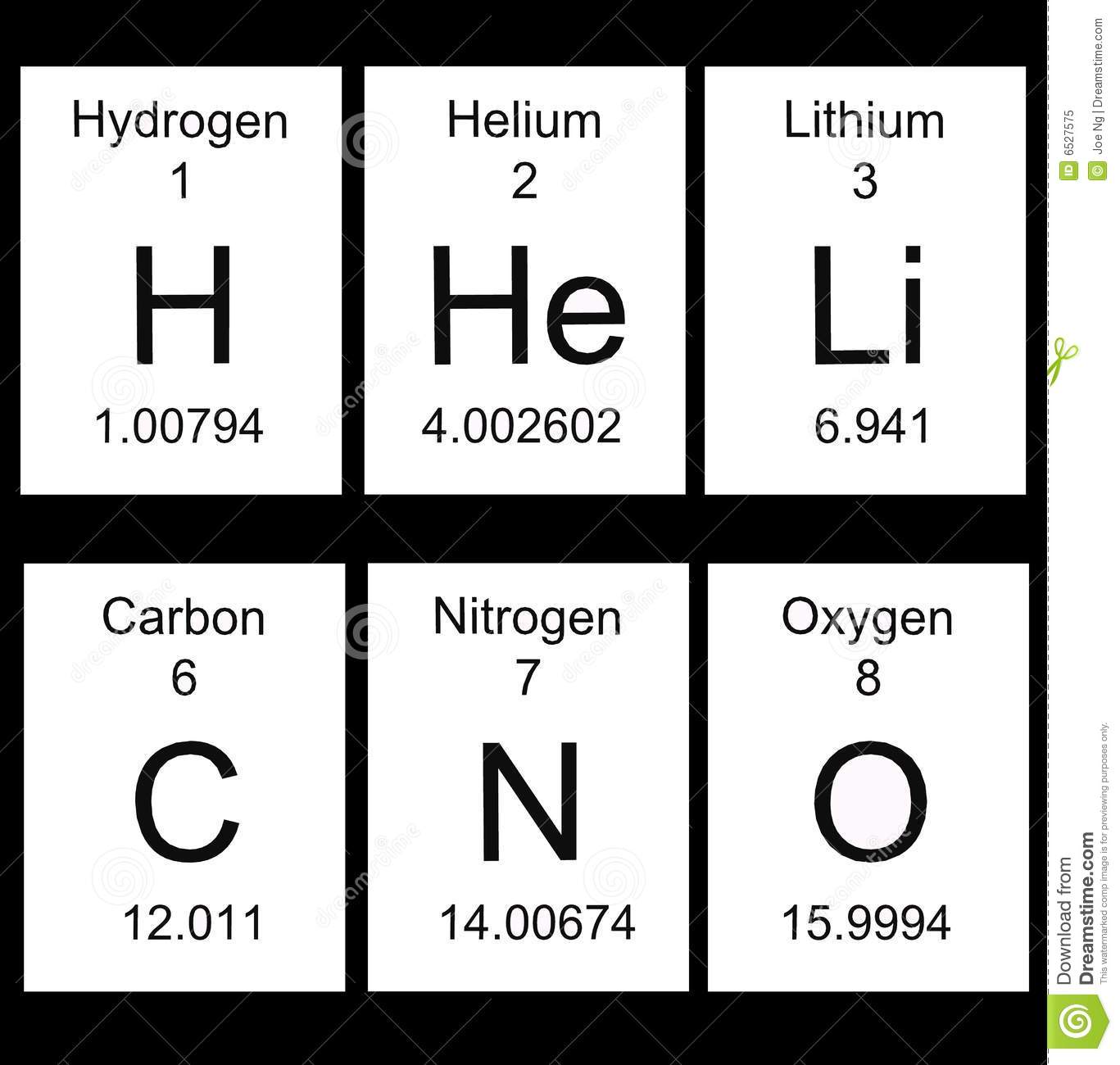
The number at the bottom of each square on the periodic table is the ...
a)
atomic number
b)
atomic mass
c)
chemical symbol
d)
element name
32.
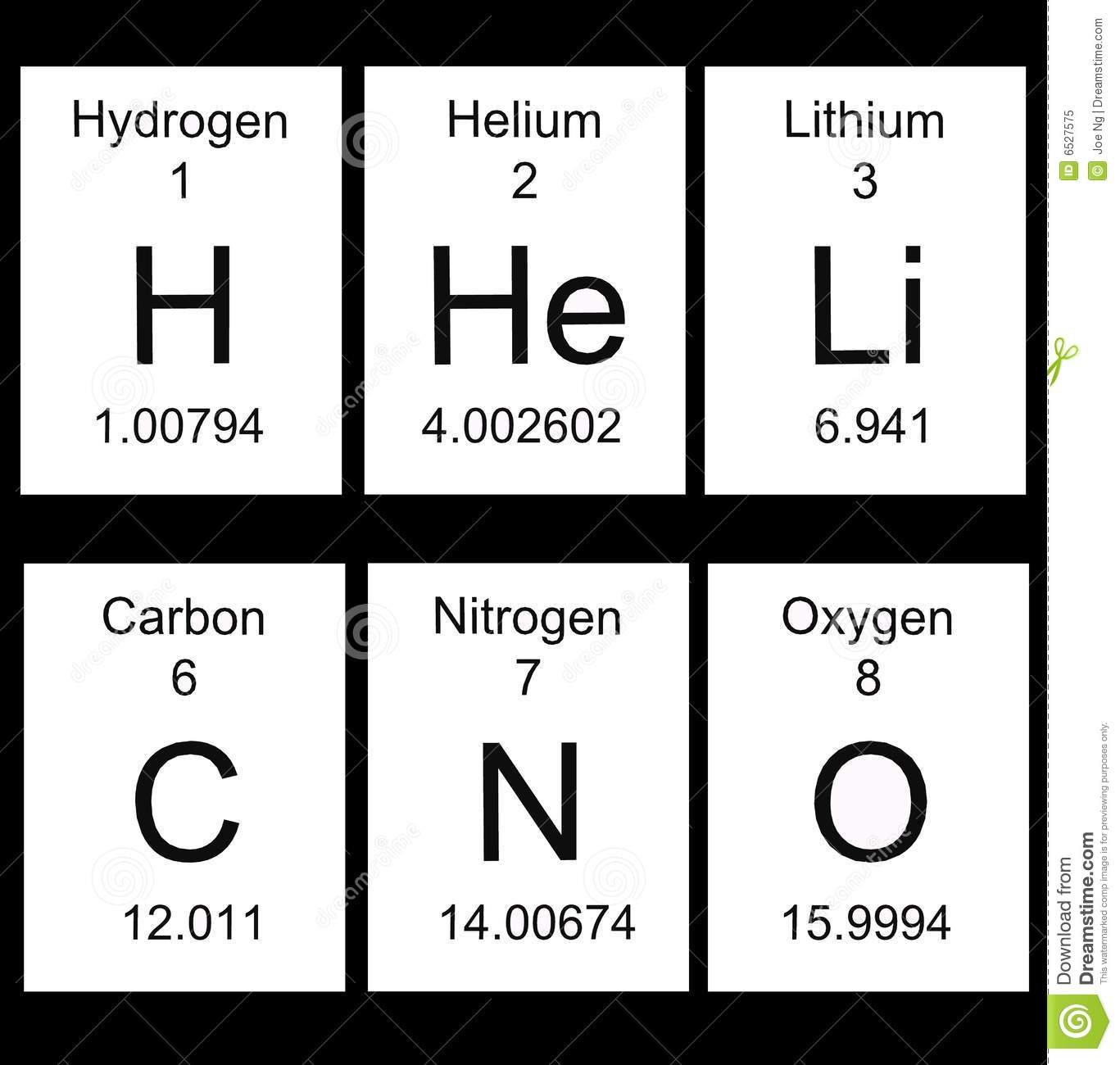
The number at the top of each square on the periodic table is the ...
a)
atomic number
b)
atomic mass
c)
Chemical Symbol
d)
Element Name
33.
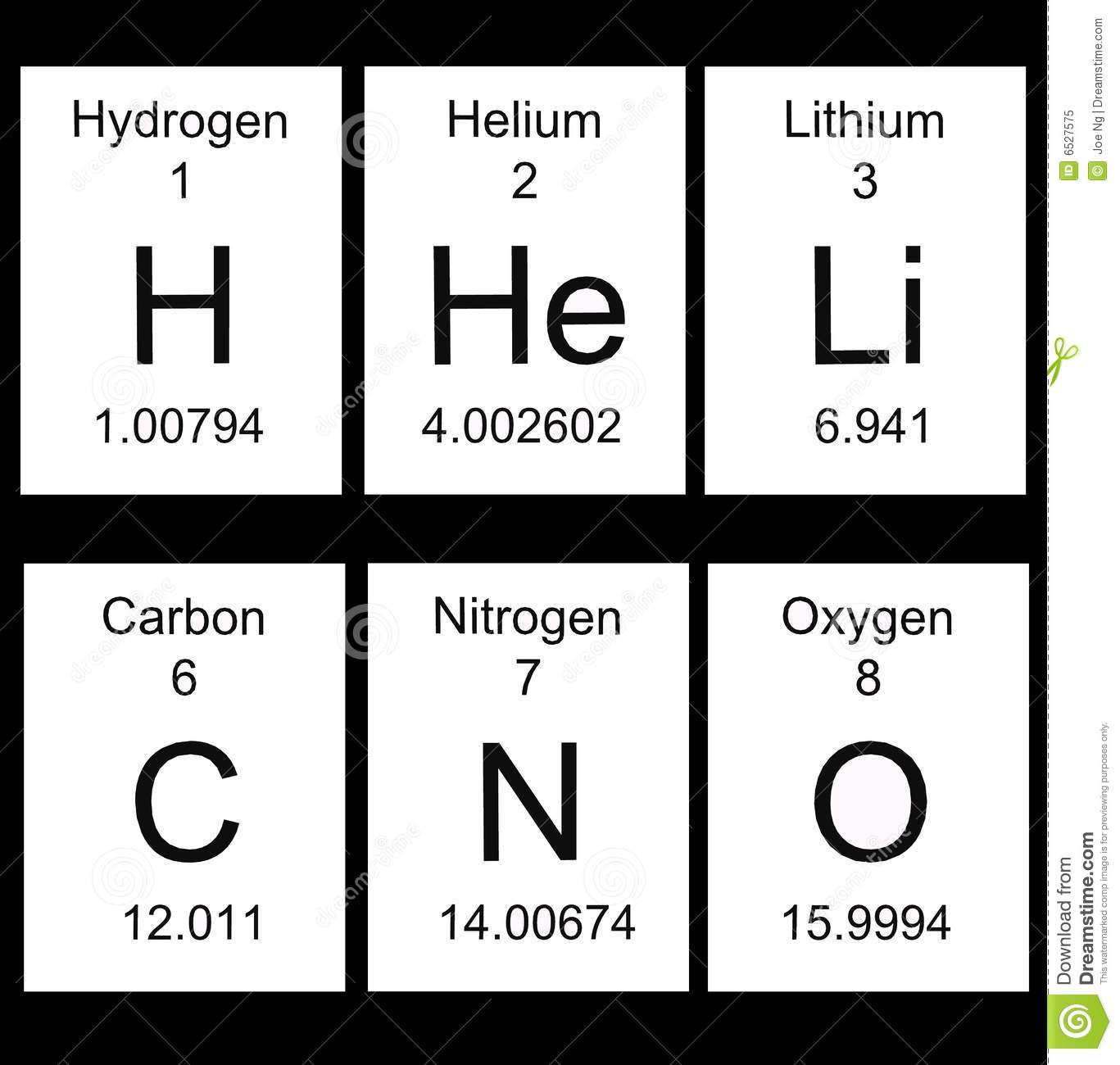
What is the chemical symbol for Lithium?
a)
H
b)
He
c)
Li
d)
N
34.
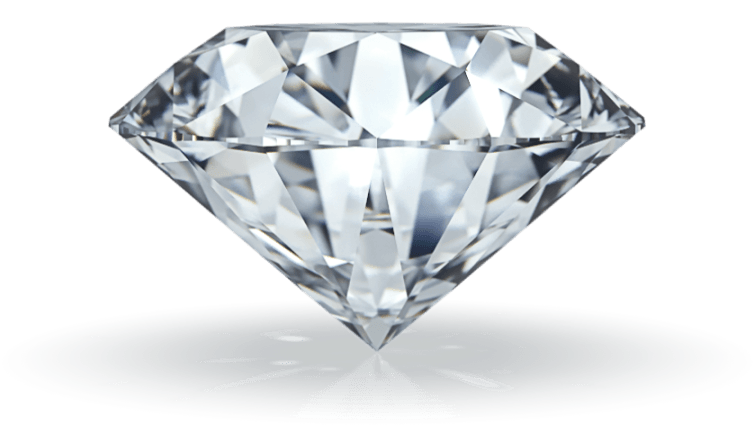
Diamonds are a pure form of what element?
a)
Carbon
b)
Oxygen
c)
Silicon
d)
Silver
35.
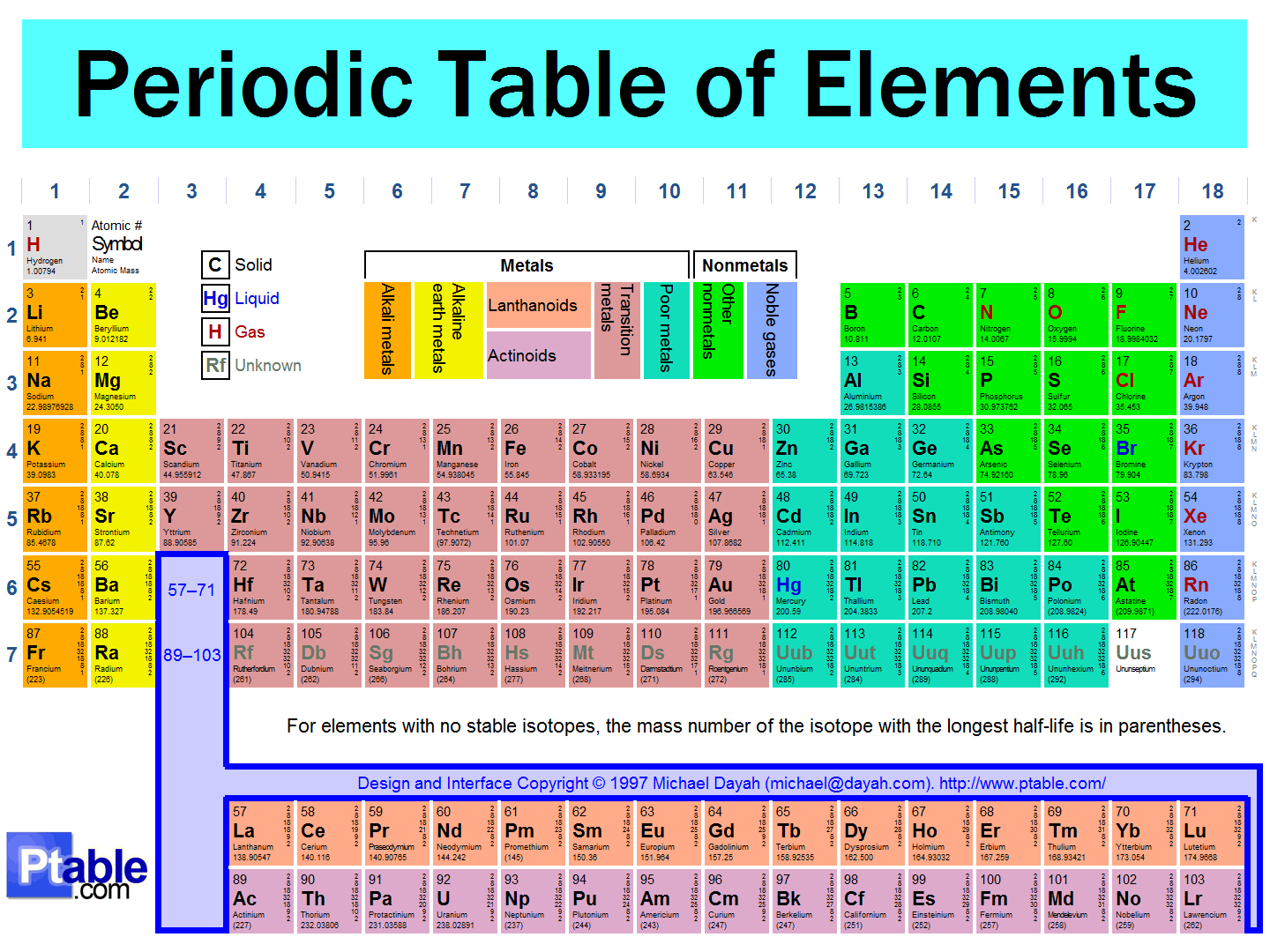
This class of elements are sometimes called "semiconductors."
a)
Metals
b)
Nonmetals
c)
Metalloids
d)
Groups
36.
What is the definition of sublimation?
a)
a chemical process where a solid turns into a gas without going through a liquid stage
b)
the process of a liquid changing into a gas
37.
A temperature scale on which water freezes at 0 degrees and boils at 100 degrees
a)
boiling point
b)
farenheit
c)
celsius
d)
temperature
38.
The temperature at which a substance changes from a liquid to a solid (for water, this is 0 degrees Celsius, 32 degrees Fahrenheit)
a)
freezing point
b)
boiling point
c)
melting point
d)
evaporation
39.
The temperature at which a substance changes from a solid to a liquid (for water, this is 0 degrees Celsius, 32 degrees Fahrenheit)
a)
boiling point
b)
freezing point
c)
melting point
d)
evaporation
40.
The temperature at which a substance changes from liquid to gas (for water this is 100 degrees Celsius, 212 degrees Fahrenheit)
a)
boiling point
b)
melting point
c)
evaporation
d)
condensation
Reset

