
 Worksheets
Land Biomes Quiz
Total questions: 25
Worksheet time: 23mins

Location: African Savannas and North American Plains
Dry seasons on this biome prevent the growth of trees.
Dominated by grasses
Which biome is characterized by low temperatures and low amounts of rainfall (and other precipitation)?
tundra
desert
temperate deciduous forest
tropical rain forest
Which biome has the largest number of species of plants and animals (highest biodiversity)?
tundra
desert
tropical rainforest
pine forest
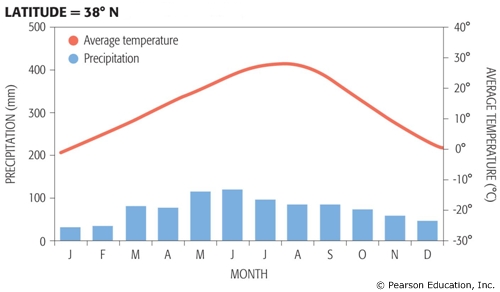
The most important abiotic factors when studying biomes are...
Soil and Freshwater
Producers and Consumers
Native Plants and Animals
Precipitation and Temperature

Which biome is home to cacti, scorpions, coyotes, kangaroo rats, and lizards?
Desert
Grasslands
Temperate Forest
Taiga

lichens, mosses, grasses, and other low-growing plants are common vegetation in this biome due to the permafrost, low rainfall, and very cold temperatures.
Desert
Taiga
Tundra
Grasslands
What term describes the living parts of an ecosystem?
Biotic Factors
Abiotic Factors

An organism has thick white fur, a bushy tail, and short ears. It often burrows holes and curls into a ball for warmth. To which biome is this organism most likely adapted?
Grassland
Tundra
Taigia
Desert
A biome is characterized by all of the following EXCEPT...
human population size
temperature
precipitation
plant and animal communities

This biome, also called a boreal forest, has dense forests of conifers (cone-bearing evergreen trees). Temperatures are cold, but soil is not completely frozen.
Tundra
Taiga
Temperate Forest
Grasslands

The three-toed sloth is adapted to living in a hot, humid climate with lush vegetation and no seasons. What biome would you most liked find this organism?
Temperate Deciduous Forest
Tropical Rainforest
Grasslands
Taiga (Boreal Forest)

What can you infer about animals that live in the desert?
Most of them are quite large
Most of them are warm-blooded
Most are unable to withstand temperatures below 90 degrees Fahrenheit
Most can survive on very little water
How can people change or impact biomes?
By melting the permafrost with campfires
By cutting down trees and polluting the water
By raising different kinds of animals on farms
By using canoes and boats to navigate rivers
Which word best describes the process by which biomes naturally change?
Rapid
Gradual
Instantaneous
Quick

