wayground logo

Free Printable Worksheets

NEW

Font size

S
M
L
XL
Worksheets

Unit 1: Water

Total questions: 33

Worksheet time: 45mins

Name
Class
Date
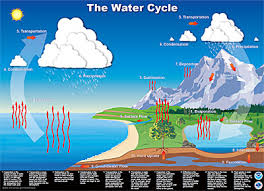
1.
What part of the water cycle does this picture show?
a)
condensation
b)
precipitation
c)
evaporation
2.
Which of these is an example of precipitation?
a)
snow
b)
air
c)
clouds
d)
vapor
3.
Which is the opposite of condensation?
a)
runoff
b)
evaporation
c)
precipitation
d)
transpiration
4.
Which best explains why runoff is important?
a)
It returns water to other locations on Earth
b)
It increases the chance of flooding
c)
It makes evaporation occur faster
d)
It increases condensation
5.
Snow, sleet, hail, and rain are all examples of  ________________. 
a)
evaporation
b)
condensation
c)
accumulation
d)
precipitation
6.
What is it called when plants give off water vapor as a waste product?
a)
condensation
b)
evaporation
c)
sublimation
d)
transpiration
7.
What is the energy source for the water cycle?
a)
the sun
b)
the earth
c)
water
d)
the moon
8.
During which stage do clouds form?
a)
condensation
b)
evaporation
c)
precipitation
9.

Which stage does liquid water from the ocean turn into water vapor?

a)

condesantion

b)

evaporation

c)

precipitation

d)

run off

10.
Which stage does ground water try to return to the ocean or soak into the ground?
a)
condensation
b)
evaporation
c)
precipitation
d)
run off
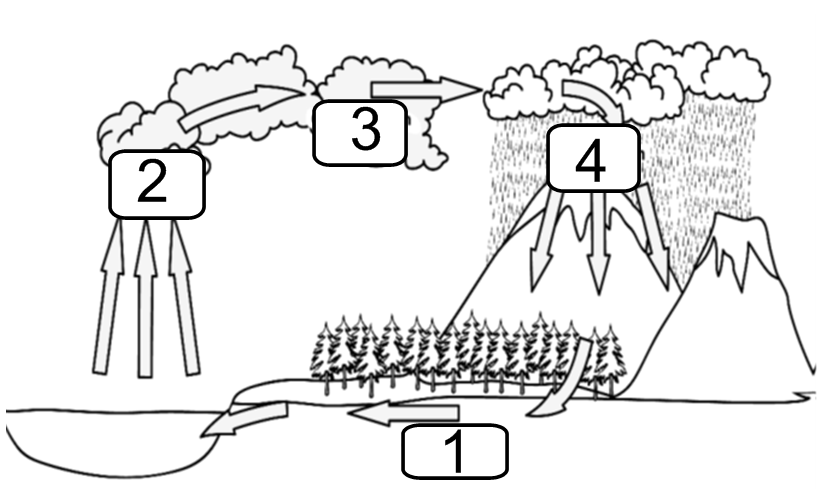
11.
Which stage does the #2 show in the diagram?
a)
condensation
b)
evaporation
c)
precipitation
d)
run off
12.
Which stage does the #3 show in the diagram?
a)
condensation
b)
evaporation
c)
precipitation
d)
run off
13.

What does the #4 show in the diagram?

a)

condensation

b)

evaporation

c)

precipitation

d)

run off

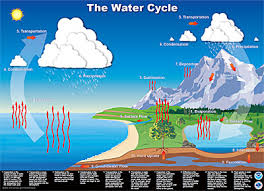
14.
What does this illustration show?
a)
Sunrise
b)
The Water Cycle
c)
Sunset
d)
the recycling of snow
15.
What is water doing when it is changed to water vapor?
a)
evaporating
b)
condensing
c)
transpiring
d)
freezing
16.
On which kind of day would you expect the most evaporation from the surface of a  pond?
a)
sunny and hot
b)
sunny and cold
c)
rainy and hot
d)
rainy and cold
17.
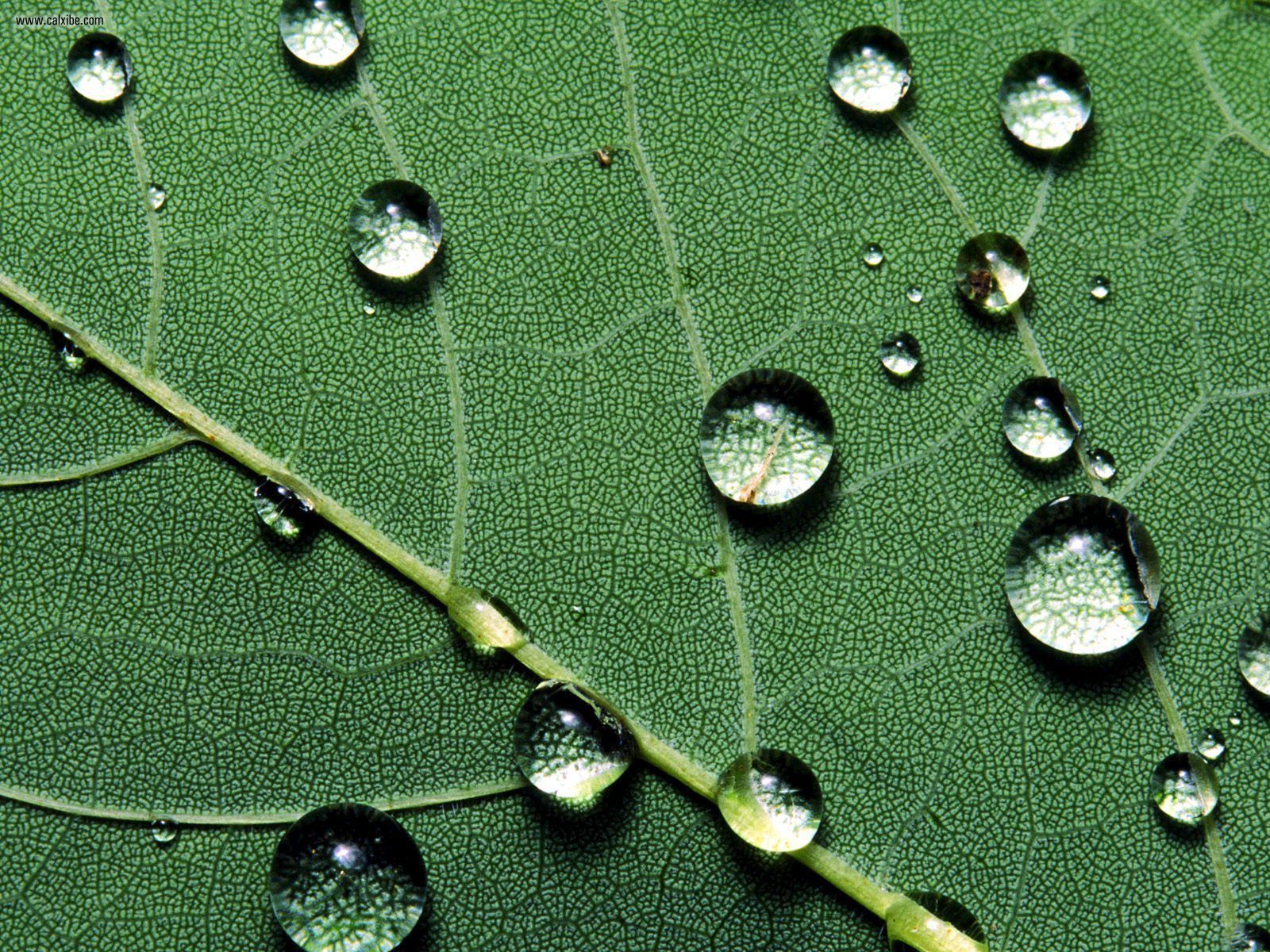
Refer to the picture; this is occurring because of:
a)
Adhesion
b)
Cohesion
18.

Describe cohesion...

a)

Water molecules attracted to other substances.

b)

Water molecules climbing upwards against the force of gravity.

c)

Water molecules dissolving many substances because of its polarity.

d)

Water molecules attracted to other water molecules.

19.

Describe adhesion...

a)

Water molecules attracted to other substances.

b)

Water molecules climbing upwards against the force of gravity.

c)

Water molecules dissolving many substances because of its polarity.

d)

Water molecules attracted to other water molecules.

20.
What two elements make up water?
a)
Helium and oxygen
b)
Hydrogen and oxygen
c)
helium and carbon
d)
oxygen and carbon
21.

When water changes straight from a solid to a gas.

a)

Transpiration

b)

Sublimation

c)

Evaporation

d)

Condensation

22.

How much of Earth's water is freshwater?

a)

8%

b)

45%

c)

3%

d)

27%

23.

Which part of the image of rocks will hold more water?

a)

Right

b)

Left

c)

Center

24.

When rocks and soil become saturated, the ground water rises. This is called:

a)

Spring

b)

Geyser

c)

Cave

d)

Water Table

25.
Which is the amount of empty space in a material?
a)
water table
b)
permeable rock
c)
permeability
d)
porosity
26.

What is the elevated boundary separating watersheds and river systems?

a)

Headwaters

b)

Meander

c)

Divide

27.

A stream or river that joins the main river is:

a)

A tributary

b)

The mouth

28.

An area of land where the surface water and ground water drain into a particular body of water.

a)

divide

b)

watershed

29.
An area of permeable layer of rock or soil that holds a large amount of water in the saturated zone is called what?
a)
Aquifer
b)
Spring
c)
Well
d)
Reservoir
30.
The top of the groundwater’s zone of saturation - E
a)
Zone of Aeration
b)
Aquifer
c)
Surface water
d)
Water table
31.

Area underground where water fills the spaces between rock

a)

Aquifer

b)

Water Table

c)

Watershed

d)

River Basin

32.

Area of land where all the water drains into a single lake, pond, and/or sea

a)

Watershed

b)

Water Table

c)

Aquifer

d)

River Basin

33.

All bodies of fresh water, salt water, ice, and snow that are found above ground

a)

Groundwater

b)

Surface water

c)

Runoff

d)

Swimming pool