
 Worksheets
APII Lecture Exam Review #3
Total questions: 55
Worksheet time: 46mins
What transports lymph fluid back to the circulatory system?
Lymph
Lymph Vessels
Lymph Nodes
Lymph Glands
What are the oval-shaped structures that store lymphocytes and filter out pathogens?
Lymph
Lymph Vessels
Lymph Nodes
Lymph Glands
The structure of a lymphatic vessel is most similar to that of a(n)
artery
arteriole
vein
capillary
The largest of lymphatic structure is the:
lymph
lymph nodes
spleen
lymph vessels
What are the two main organs of the lymph system?
Thymus & Pancreas
Spleen & Thymus
Pancreas & Thyroid
Tonsils & Tyroid
Which of the following does NOT directly help the Lymphatic system?
liver
spleen
tonsils
thymus
A lymphatic structure located in the upper left quadrant of the abdomen is called the:
Lymph
lymph fluid
thymus gland
spleen
Foreign proteins that gain access to the body through cuts and scrapes, through the digestive or circulatory systems, or through the urinary and reproductive systems are called ____.
mineralocorticoids
immunoglobulins
antigens
antibodies
Special lymphatic vessels that absorb fats and transport them from the digestive tract to the blood are called ____.
peyer"s patch
vili
trabeculae
lacteals
Capsular extensions of the lymph node, which divide the node internally into a series of compartments with germinal centers, are called ____
vili
trabeculae
lymph sinuses
lacteals
Cells that are descendants of activated T and B cells produced during an initial immune response, which exist in the body for years, enabling it to respond quickly to future infections, are known as ____.
memory cells
killer B's
suppressor T cells
killer T cells
The main collecting duct of the lymphatic system is the left lymphatic duct, also known as the ____.
jugular trunk
thoracic duct
subclavian artery
trabeculae
The immunity provided by the T lymphocytes, effective against fungi, parasites, intracellular viral infections, cancer cells, and foreign tissue implants, is known as ____.
humoral immunity
lymphatic immunity
cellular immunity
immunosuppresive immunity
Which of the following is involved with the development of T lymphocytes in the fetus and infants?
adenoids
spleen
tonsils
thymus
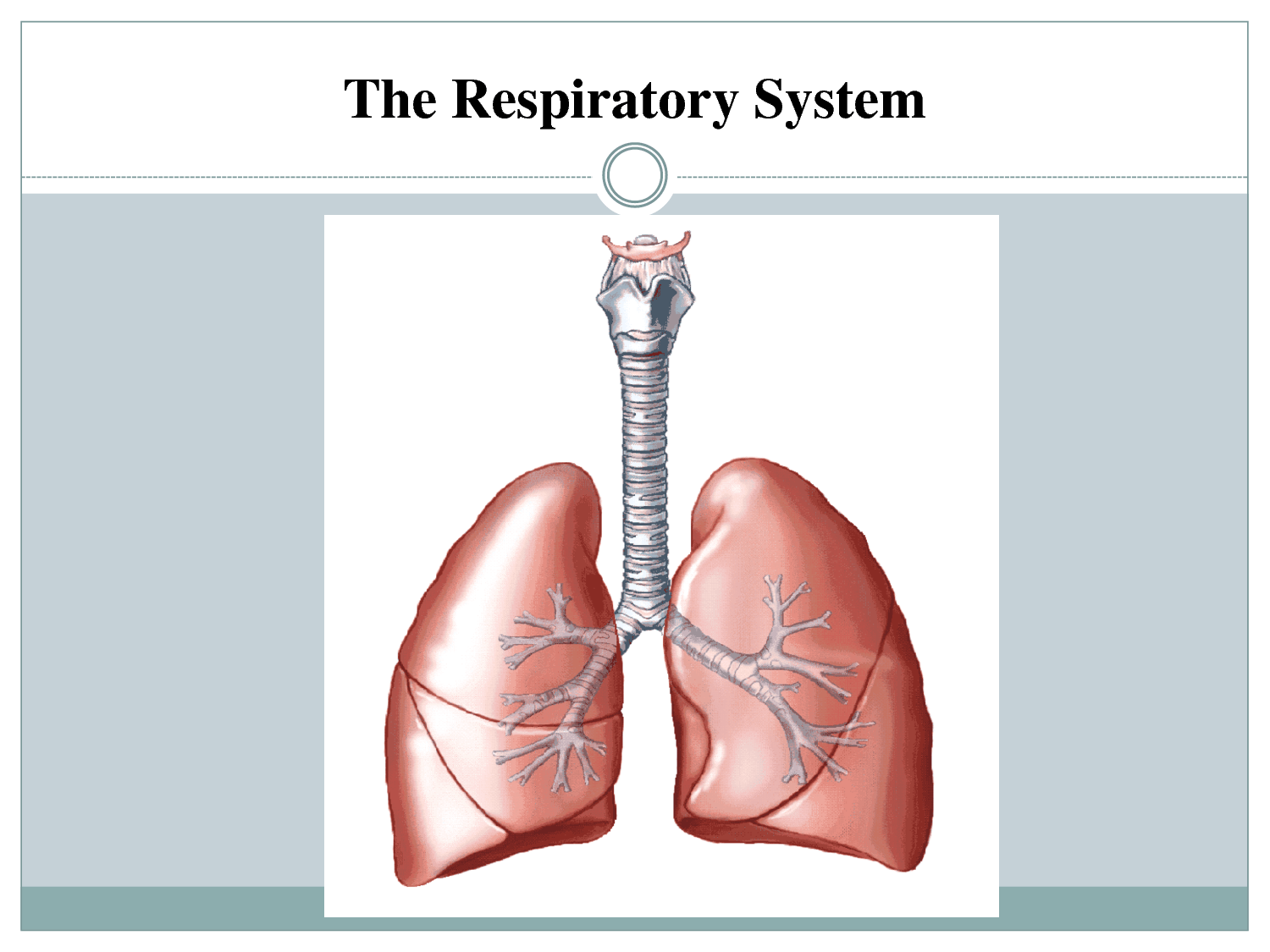
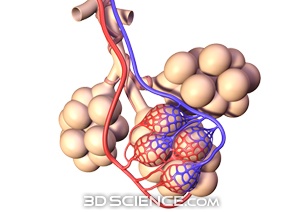
The site of gas exchange in the mammal is called what?
Filaments
Accessory air sacs
Syrinx
Alveoli

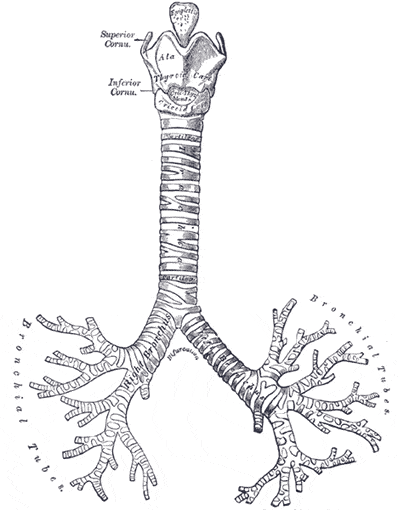
What is the protein in the blood that carries oxygen?
estrogen
hemoglobin
thyroxin
testosterone
Oxygen is carried by the bloodstream to cells. If there is more oxygen in the blood coming from the lungs and less in the body's cells, what is the cellular process will move the oxygen into the body cells
active transport
osmosis
diffusion
exocytosis

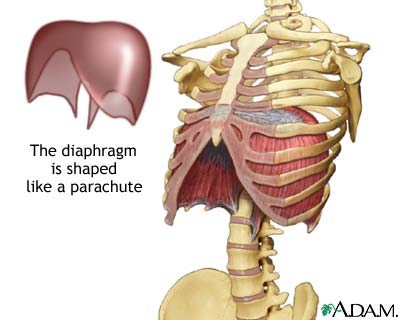
What are the main muscle used in breathing?
The Trapezius
The abdominals
The diaphragm and intercostal muscles
The lungs

What is the larynx?
A tube containing rings of cartilage
Tiny sacs that look like grapes that are the primary location for diffusion
Contains the vocal chords
The tube connecting the nasal cavity, mouth and esophagus

What happens when you breathe in? (tick all that apply)
diaphragm relaxes and moves up
diaphragm contracts and flattens
increases volume in thorax
reduces volume in thorax
pressure in thorax lower than outside

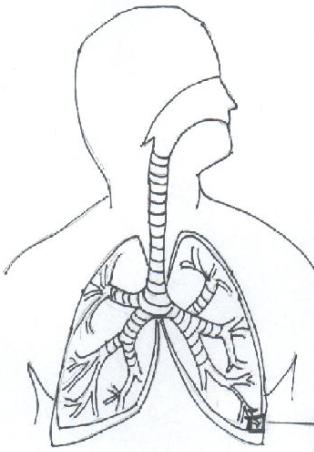
The diagram shows the structure of the human gas exchange system. Name organ P.
alveolus
trachea
bronchus
diaphragm
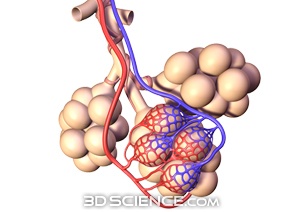
While reviewing the results of the pulmonary functions test, the nurse is aware that the maximum amount of gas that can be displaced (expired) from the lung is called:
Vital capacity (VC)
Total lung capacity
Functional capacity
Residual volume
During inspiration, muscular contraction of the diaphragm causes air to move into the lung. The mechanisms that drive air movement during inspiration are a(n):
Decrease in intra-alveolar pressure and shortening of the rib cage
Decrease in the size of the thorax and alveolar expansion
Increase in the size of the thorax and a decrease in intrapleural pressure
Increase in atmospheric pressure and intrapleural pressure
If an individual with respiratory difficulty were retaining too much carbon dioxide, which of the following compensatory responses would the nurse expect to be initiated?
Decrease in ventilation rate
Increase in respiratory rate
Increase in tidal volume
Vasodilation of the pulmonary arterioles
An aide asks a nurse how surfactant works. How should the nurse respond? Surfactant facilitates alveolar distention and ventilation by:
Decreasing thoracic compliance
Attracting water to the alveolar surface
Decreasing surface tension in alveoli
Increasing diffusion in alveoli
A patient asks how oxygen is transported in the body. What is the nurse’s best response? Most of the oxygen (O2) is transported:
Dissolved in the plasma
Bound to hemoglobin
In the form of carbon dioxide (CO2)
As a free-floating molecule
A patient wants to know how carbon dioxide is transported in the body. How should the nurse respond? Carbon dioxide (CO2) is mainly transported in the blood:
Attached to oxygen (O2)
Dissolved in red blood cells
Combined with albumin
In the form of bicarbonate
A contraction of the diaphragm during inhalation causes it to flatten. What else does the contraction result in?
An increase in the volume of the chest cavity
Increase in alveolar pressure
A decrease in lung volume
A decrease in the volume of the thoracic cavity
Covering of the lungs is called
perichondrium
pleural membrane
pericardium
peritoneum
The site of gaseous exchange in the lungs is
bronchi
bronchioles
alveoli
trachea

Name the structure
nasopharynx
oropharynx
laryngopharynx
larynx

Name the structure
nasopharynx
nasal pasage
oroopharynx
larynx

Name this structure
glottis
epiglottis
false vocal cords
true vocal cords
What vibrates to make sound
True vocal cord
False vocal cord
Which of these gases are a waste product of cellular respiration
oxygen
carbon dioxide
nitrogen
carbon monoxide
How do you lower the pitch in your voice?
stretch your vocal cords
relax your vocal cords
increase air pressure in your diaphragm
decrease air pressure in your diaphragm
How do your raise the pitch of your voice?
stretch your vocal cords
relax your vocal cords
increase air pressure with your diaphragm
decrease air pressure with your diaphragm
Which of the following parts of the respiratory system sits against the outer surface of the lung
mediastinum
pericardium
parietal pleura
visceral pleura

