Wayground logo

Free Printable Worksheets

Font size

S
M
L
XL
Worksheets

Atomic structure and the periodic table

Total questions: 30

Worksheet time: 22mins

Name
Class
Date
1.
What subatomic particles would you find in the nucleus of an atom?
a)
Protons only
b)
Protons and Neutrons
c)
Neutrons and Electrons
d)
Protons and Electrons 
2.
Which subatomic particles contribute the most to the mass of an atom?
a)
Protons, Neutrons, Electrons
b)
Protons only
c)
Protons and Electrons
d)
Protons and Neutrons
3.
What is the number of protons that the element in this image contain?
a)
14
b)
7
c)
15
d)
18
4.
Protons and Electrons balance the charge of an atom.
a)
True
b)
False
5.
If an atom has 12 positively charged subatomic particles, which of the following must it also have to be considered a neutral atom?
a)
12 neutrons
b)
12 electrons
c)
12 protons
d)
24 protons and neutrons
6.
An atom has 10 protons, 15 neutrons and 10 electrons what is its mass number.
a)
20
b)
10
c)
5
d)
25
7.
The particles of the atom you can find by knowing the atomic number.
a)
neutrons
b)
protons and electrons
c)
protons and neutrons
d)
atomic mass
8.
The mass of one proton is greater than the mass of one...
a)
neutron
b)
electron
9.

Letter D represents the ........ which contains (A) ...... and (B) ......

a)

protons, electrons, neutrons

b)

nucleus, neutrons, protons

c)

nucleus, protons, electrons

d)

shell, electrons, neutrons

10.

What is the atomic mass and atomic number of the atom in the diagram?

a)

9, 10

b)

10, 9

c)

19, 10

d)

19, 9

11.
What is an atom mostly made up of?
a)
protons
b)
electrons
c)
empty space
d)
neutrons
12.
True or False - Protons and Neutrons have about the same mass.
a)
True - They have about the same mass
b)
False - They do not have about the same mass
13.
Where are the Electrons found in the structure of an atom?
a)
In the nucleus
b)
In spaces around the nucleus
14.

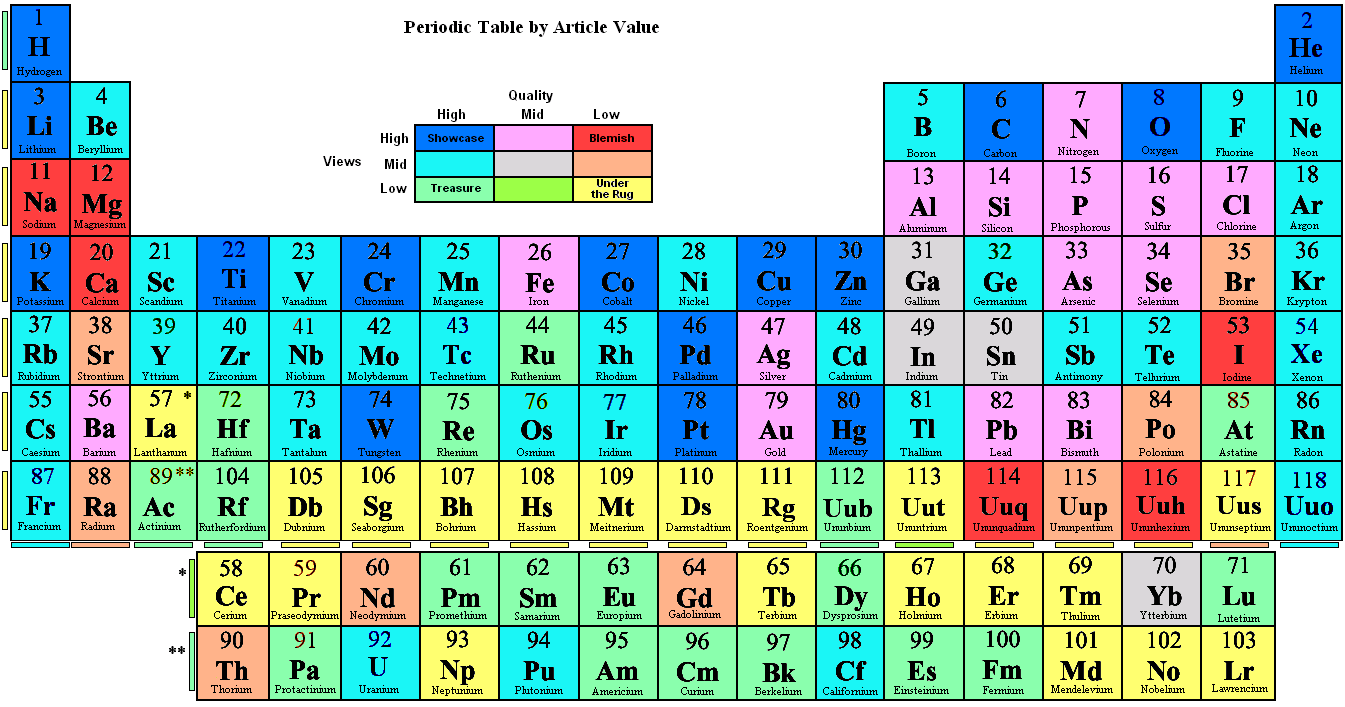
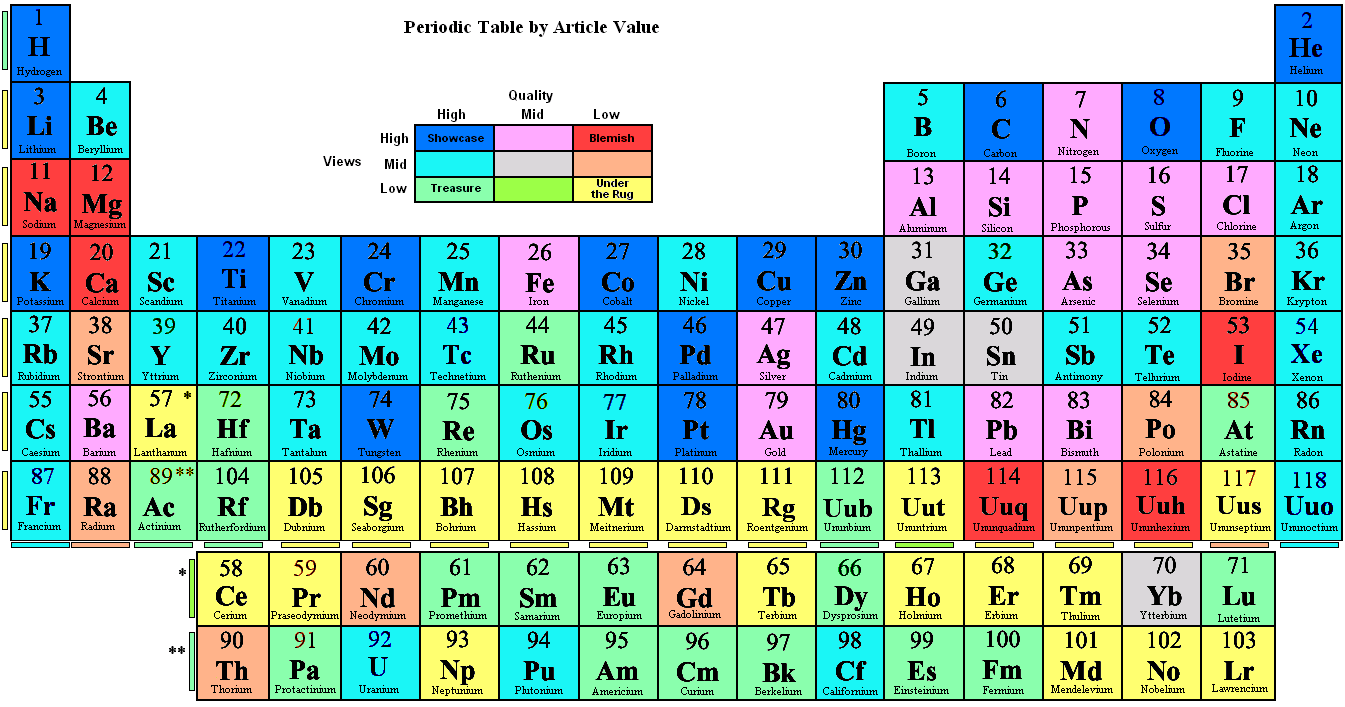
Which period in the periodic table would the element in the diagram be found?

a)

1

b)

2

c)

3

d)

4

15.
What are valence electrons?
a)
electrons on the first orbital always
b)
nucleus
c)
the outermost shell
d)
the number of electrons on the outermost orbital
16.

The element sodium is found in group 1, period 3. How many shells/levels would its atom have? What is its valence electron?

a)

1, 3

b)

3, 1

c)

2, 1

d)

1, 2

17.

Elements in the periodic table are arranged by their

a)

atomic number

b)

atomic mass (mass number)

c)

metal, nonmetal, or metalloid properties

d)

melting point

18.
Periods run VERTICALLY on the periodic table, from top to bottom.
a)
True
b)
False
19.

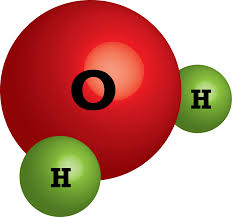
How many atoms are in this molecule?

a)

1

b)

2

c)

3

d)

4

20.

Which of these elements have 8 valence electrons?

a)

Carbon

b)

Helium

c)

Neon

d)

Boron

21.
The elements in this group all have 3 valance electrons.
a)
Group 13
b)
Group 15
c)
Group 3
d)
Group 18
22.
Each column in the periodic table is called a 
a)
period
b)
group
c)
cluster
d)
unit
23.
The yellow atoms are called 
a)
metals
b)
nonmetals
c)
metalloids
d)
noble gases
24.

The period for bromine is ___________.

a)

3

b)

2

c)

4

25.
Beryllium is in group number______.
a)
Group 2
b)
Group 3
c)
Group 4
d)
Group 7
26.
An element's identity is determined by the number of
a)
electrons.
b)
protons.
c)
neutrons.
d)
valence.
27.
What is the element name of the atom pictured? 
a)
Fluorine
b)
Neon
c)
Argon
d)
Potassium
28.
How many valence electrons?
a)
2
b)
3
c)
5
d)
10
29.

How many electrons can the second energy level hold?

a)

2

b)

8

c)

18

d)

16

30.

The correct electron arrangement by shells/levels for the atom of neon is

a)

2, 7 , 1

b)

3, 6, 1

c)

2, 8

d)

3, 5