Worksheets
Everything
Total questions: 243
Worksheet time: 11hrs 21mins

What percentage of Earth's fresh water is locked away in glaciers and icecaps?
about 3%
roughly 97%
almost 70%
about 30%

Earth's water supple is constantly recycled in the _______________
water system
water cycle
water pattern
recycling system

What is it called when water from precipitation soaks into the ground?
inflow
runoff
infiltration
soaking in

What is it called when water from precipitation flows down slope along Earth's surface?
inflow
runoff
infiltration
soaking in
Soil that contains more organic matter can hold more water.
True
False

If a sample of soil was able to absorb a large amount of water, what sized particles does it probably contain?
Sand
Silt
Clay
Which type of area would have a higher runoff rate: an area with exposed soil or an area with lots of vegetation?
an area with exposed soil
an area with lots of vegetation
neither
As runoff near a stream increases, how does it change the stream?
it makes it more shallow
it makes the stream flow more slowly
it widens, deepens, and makes the stream larger
the rate of runoff will not change the stream
A __________ is a river or stream that flows into other rivers and streams.
watershed
tributary
fork
bank
All the land whose water flows into the same stream system is in the same _____________.
Tributary
Watershed
Water cycle
Water area


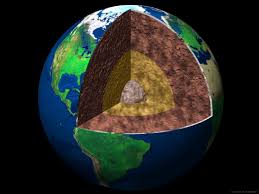

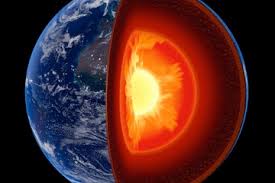


Lahar
Shield Volcano

Deforestation causes ________ and ________ to appear under the soil and therefore contaminate groundwater.
sediments and oil
oil and bacteria
sediments and bacteria
To avoid the diseases and illnesses, we must ensure water its availability _________ and ________ for all.
sustainable management and sanitation
sustainable sanitation and management
treatments and sanitations
Which of the following is an example of point-source pollution?
Leaking septic-tank systems
Precipitation containing air pollutants
Water runoff from city and suburban streets
Oil and gasoline from personal watercraft
An artificial lake created by building a dam is called a ...
recharge zone
aquifer
watershed
reservoir
The process that includes filtration and chlorination.
Water purification
Desalinization
Wastewater
Potable
Sewage sludge is ...
..not hazardous
inexpensive to dispose of for cities and towns
the small amount of residue left after waste water is treated and released into rivers
solid matter that clogs storm drains
Large cities get water for households and industries from which one of the following?
Desalinizing salt water
Pumps connected to springs
Rivers or lakes
Deep wells
An underwater rock formation that holds water is a(n)...
watershed
reservoir
aquifer
dam
During the water treatment process, what is the purpose of adding chlorine to the water?
to remove large debris
to form flocs
to kill or limit bacterial growth
to remove unwanted gases
Freshwater is a limited resource because
most water is polluted
most surface water contains salt
it is controlled by powerful governments
dams have limited the flow of fresh water
An area of land that is drained by a river
Delta
Watershed
Reservoir
Aquifer
Which of the following is one way a person can conserve water?
Take a long bath instead of a shower
Wash laundry in small, partial loads
Use a low-flow shower head to take short showers
Water the lawn daily and at mid-day
Which of the following is a source of nonpoint-source pollution?
Unlined landfill
Polluted waste-water from a chemical plant
Leaking oil tanker
Runoff from agricultural feedlots
Three percent of the world's water resources are found as
fresh water
salt water
icecaps and glaciers
groundwater
Why are high levels of phosphates dangerous in waterways?
They can cause chemical reactions that raise the temperature of river and late water, disrupting ecosystems
They are not efficient cleansers
Excessive phosphates can cause fish to suffocate and die
Phosphates kills algae and disrupt normal food webs in lakes
Most pollutants in the ocean come from
commercial boats and personal watercraft
spills from oil tankers
activities on land
leaking underground storage facilities
What is the sun?
A medium sized star.
The star nearest to Earth.
A burning ball of hot gases.
All of the above
What is the ability to do work or cause a change?
Light
Energy
Temperature
Gravity
What does transform mean?
to stay the same
to heat
to move
to change


What is perihelion?
Perihelion is when Earth is closest to the sun.
Perihelion is when Earth is furthest from the sun.
Perihelion is when the moon is closest to Earth.
Perihelion is when the moon is furthest from Earth.

What is perigee?
Perigee is when the earth is closest to the sun.
Perigee is when the moon is closest to Earth.
Perigee is when the earth is farthest from the sun.
Perigee is when the moon is farthest from Earth.

What is aphelion?
Aphelion is when the moon is farthest from the sun.
Aphelion is when Earth is closest to the sun.
Aphelion is when Earth is farthest from the sun.
Aphelion is when the moon is closest to the sun.

What is apogee?
Apogee is when Earth is farthest from the sun.
Apogee is when the moon is closest to Earth.
Apogee is when Earth is closest to the sun .
Apogee is when the moon is farthest from Earth.

Which was is the Earth always facing?
North
East
South
West

What is a waxing moon?
When the moon is only a quarter illuminated.
When the moon is more than halfway illuminated.
When the moon is 100% full.
When the moon gradually decreases.

What is a waning moon?
When the moon is more than halfway full.
When the moon gradually decreases.
When the moon is 100% full.
When the moon us 3 quarters full.

When is winter?
September 21st.
June 21st
March 21st.
December 21st.
When is spring?
June 21st
March 21st
December 21st
September 21st
When is summer through fall
December 21st-March 21st
March 21st-June 21st
June 21st-September 21st
September 21st-December 21st
Which of the following planets have a solid surface?
Jupiter
Mars
Neptune
The Moon
Which of the following is neither a planet nor a star?
The Moon
Mercury
A comet that orbits the Sun.
An Asteroid that is in the Asteroid belt.
which of the following has gravity?
A Star
a very small asteroid.
the space in between galaxies.
light rays
The Gas Planet Jupiter.
Which of the following has solid cores
Earth
Jupiter
Neptune
Mars
Which planets do not have moons
Neptune
Mars
Mercury
Venus
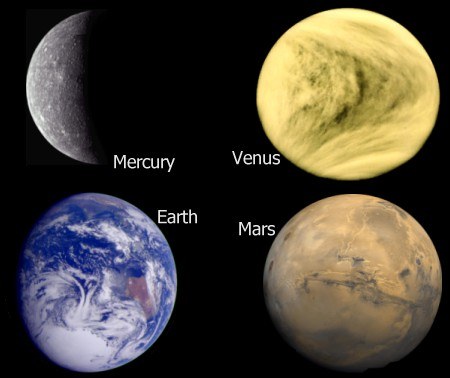


What is it called when the moon blocks the light from the sun?
Lunar Eclipse
Solar Eclipse
Solstice
Equinox
What is called when the Moon passes through Earth's shadow?
Solar eclipse
Lunar Eclipse
Solstice
Equinox

When is spring?
When the Earth is to the West
When the Earth is to the North
When the Earth is to the East
When the Earth is to the South
When is winter?
When the Earth is to the West
When the Earth is to the North
When the Earth is to the East
When the Earth is to the South
When is Autumn?
When the Earth is to the West
When the Earth is to the North
When the Earth is to the East
When the Earth is to the South
When is Summer?
When the Earth is to the West
When the Earth is to the North
When the Earth is to the East
When the Earth is to the South

What phase is the moon in between New moon and First Quarter?
Waxing Crescent
Waxing Gibbous
Waning Gibbous
Waning Crescent
What phase is the moon in between First Quarter and full moon?
Waxing Crescent
Waxing Gibbous
Waning Gibbous
Waning Crescent
What phase is the moon in between full moon and 3rd quarter?
Waxing Crescent
Waxing Gibbous
Waning Gibbous
Waning Crescent
What phase is the moon in between 3rd quarter to New Moon?
Waxing Crescent
Waxing Gibbous
Waning Gibbous
Waning Crescent


Lunar eclipses last for a longer period of time.

When light shines through a prism it creates ________________
visible light
infrared radiation
ultraviolet rays
electromagnetic wave
Hot magma rising in the mantle, cold sinking.
Convection
Conduction
Radiation
None of the above
Taking the toast out of the toaster.
convection
conduction
radiation
non of the above
lava lamp rising and sinking
conduction
convection
radiation
none of the above
Laying out in the sun at a beach
radiation
convection
conduction
none of the above
Holding your hands over a light bulb
radiation
conduction
convection
none of the above
Placing your hand on a hot rolls for breakfast.
radiation
convection
radiation
none of the above