wayground logo

Free Printable Worksheets

Font size

S
M
L
XL
Worksheets

Homework Makeup Assignment #2

Total questions: 200

Worksheet time: 3hrs 33mins

Name
Class
Date
1.
Survival of the Fittest and Evolution were proposed by what scientist?
a)
Charles Darwin
b)
Albert Einstein
c)
Steven Hawking
d)
Isaac Newton
2.
Behavioral changes of individuals of a species that allow for better survival. (Acquired traits)
a)
Variation
b)
Adaptation
c)
Behavior
d)
Environment
3.
Behavioral changes of individuals of a species that allow for better survival. (Acquired traits)
a)
Variation
b)
Adaptation
c)
Behavior
d)
Environment
4.
When every organism of a species has died.
a)
Evolution
b)
Natural Selection
c)
Extinction
d)
Artificial Selection
5.
Where the better adapted organisms survive to pass traits along to offspring.
a)
Evolution
b)
Natural Selection
c)
Extinction
d)
Artifical Selection
6.
Mutations are a change in what?
a)
DNA
b)
tRNA
c)
genotype
d)
phenotype
7.
Mutations are a change in what?
a)
DNA
b)
tRNA
c)
genotype
d)
phenotype
8.
How many generations are shown in this pedigree?
a)
1
b)
2
c)
3
d)
4
9.
How many generations are shown in this pedigree?
a)
1
b)
2
c)
3
d)
4
10.
The passing of traits from parent to offspring 
a)
Heredity 
b)
Genetics 
c)
Hybrid 
d)
Probability 
11.
The passing of traits from parent to offspring 
a)
Heredity 
b)
Genetics 
c)
Hybrid 
d)
Probability 
12.
The study of heredity and the variation of inherited characteristics 
a)
gene
b)
genetics 
c)
meiosis 
d)
hybrid 
13.
 which is heterozygous ?  
a)
Tt
b)
TT
14.
Which is homozygous ?
a)
Zz
b)
SS
15.
the genetic makeup of an organism
a)
heterozygous
b)
punnet square
c)
genotype
16.
the genetic makeup of an organism
a)
heterozygous
b)
punnet square
c)
genotype
17.
what predicts the outcome
a)
genetic engineering
b)
punnet square
c)
probability
18.
what predicts the outcome
a)
genetic engineering
b)
punnet square
c)
probability
19.
Which of the following is a phenotype?
a)
BB
b)
Bb
c)
bb
d)
Blue eyes
20.
Which of the following is a phenotype?
a)
BB
b)
Bb
c)
bb
d)
Blue eyes
21.
What is a phenotype
a)
The genetic make up (code)
b)
The physical trait
22.
What is a phenotype
a)
The genetic make up (code)
b)
The physical trait
23.
One form of a gene is called_______________
a)
a DNA
b)
a Phenotype
c)
a trait
d)
an allele
24.
One form of a gene is called_______________
a)
a DNA
b)
a Phenotype
c)
a trait
d)
an allele
25.
What is the definition of genotype?
a)
The physical expression of a trait
b)
The genetic combination of alleles 
c)
the genes on a DNA strand
26.
What is the definition of genotype?
a)
The physical expression of a trait
b)
The genetic combination of alleles 
c)
the genes on a DNA strand
27.
Which of the following genotypes is a purebred?
a)
Bb
b)
Gg
c)
bb
d)
Dd
28.
A human usually has _____ total chromosomes.
a)
6
b)
22
c)
4
d)
46
29.
A human usually has _____ total chromosomes.
a)
6
b)
22
c)
4
d)
46
30.
Which of the following alleles is homozygous recessive?
a)
Tt
b)
tt
c)
TT
d)
T
31.
An allele whose trait always shows up in the organism when the allele is present.
a)
recessive allele
b)
dominant allele
c)
hidden allele
d)
present allele
32.
An allele whose trait always shows up in the organism when the allele is present.
a)
recessive allele
b)
dominant allele
c)
hidden allele
d)
present allele
33.
one set of instructions for an inherited trait
a)
heredity
b)
allele
c)
trait
d)
gene
34.
one set of instructions for an inherited trait
a)
heredity
b)
allele
c)
trait
d)
gene
35.
having two of the same genes for the trait (sometimes called purebred).
a)
homozygous
b)
hetrozygous
c)
protein
d)
chromosome
36.
A single piece of coiled DNA found in the cells; contains genes that encode traits.
a)
gene
b)
chromosome
c)
trait
d)
DNA
37.
What are the tiny structures that carry out jobs inside cells called?
a)
membranes
b)
nucleus
c)
organelles
d)
animalicules
38.
What are the tiny structures that carry out jobs inside cells called?
a)
membranes
b)
nucleus
c)
organelles
d)
animalicules
39.
This structure supports and protects plant cells.
a)
Nucleus
b)
Cell Wall
c)
Cell membrane
d)
Cytoplasm
40.
This structure supports and protects plant cells.
a)
Nucleus
b)
Cell Wall
c)
Cell membrane
d)
Cytoplasm
41.
This structure controls what can enter and leave a cell.
a)
Nucleus
b)
Cytoplasm
c)
Cell Membrane
d)
Golgi Body
42.
This structure controls what can enter and leave a cell.
a)
Nucleus
b)
Cytoplasm
c)
Cell Membrane
d)
Golgi Body
43.
This is the cell's "control center."
a)
Endoplasmic Reticulum
b)
Golgi Body
c)
Nucleus
d)
Cell Wall
44.
This is the cell's "control center."
a)
Endoplasmic Reticulum
b)
Golgi Body
c)
Nucleus
d)
Cell Wall
45.
This is the "powerhouse" of the cell that converts food to energy.
a)
Mitocondria
b)
Endoplasmic Reticulum
c)
Nucleus
d)
Lysosome
46.
This is the "powerhouse" of the cell that converts food to energy.
a)
Mitocondria
b)
Endoplasmic Reticulum
c)
Nucleus
d)
Lysosome
47.
In plant cells, this structure captures energy from the sun to produce food.
a)
Ribosomes
b)
Cell Wall
c)
Vacuoles
d)
Chloroplasts
48.
In plant cells, this structure captures energy from the sun to produce food.
a)
Ribosomes
b)
Cell Wall
c)
Vacuoles
d)
Chloroplasts
49.
All living things are made of...
a)
atoms 
b)
cells 
c)
bacteria 
d)
plants 
50.
All living things are made of...
a)
atoms 
b)
cells 
c)
bacteria 
d)
plants 
51.
control, read, and direct the cell using DNA instructions
a)
nucleus
b)
mitochondria
c)
endoplasmic reticulum
d)
lysosome
52.
a)
found only in plants
b)
contains chlorophyll
c)
produces energy
53.
a)
found only in plants
b)
contains chlorophyll
c)
produces energy
54.
a)
produces ribosomes
b)
contains genetic information
c)
stores food, water, wastes and other materials
55.
a)
produces ribosomes
b)
contains genetic information
c)
stores food, water, wastes and other materials
56.
a)
contain DNA
b)
used in photosynthesis 
c)
give plants their taste
57.
I make proteins for the cell. What am I?
a)
ribosome
b)
mitochondria
c)
chloroplast
d)
lysosome
58.
I am the outer most layer of an animal cell. What am I?
a)
cell wall
b)
nucleus
c)
cell membrane 
d)
cell skin
59.
I am the outer most layer of an animal cell. What am I?
a)
cell wall
b)
nucleus
c)
cell membrane 
d)
cell skin
60.
Which part of the cell is often called "the brain of the cell"?
a)
nuclear membrane
b)
endoplasmic reticulum
c)
nucleus
d)
ribosomes
61.
Which part of the cell is often called "the brain of the cell"?
a)
nuclear membrane
b)
endoplasmic reticulum
c)
nucleus
d)
ribosomes
62.
Which organelle uses energy from sunlight to make sugar?
a)
mitochondria
b)
nucleus
c)
chloroplasts
d)
vacuoles
63.
Which organelle uses energy from sunlight to make sugar?
a)
mitochondria
b)
nucleus
c)
chloroplasts
d)
vacuoles
64.
What is the body system that sends and recieves electrical signals from the brain?
a)
Skeletal System
b)
Nervous System
c)
Muscular System
d)
Digestive System
65.
What is the body system that sends and recieves electrical signals from the brain?
a)
Skeletal System
b)
Nervous System
c)
Muscular System
d)
Digestive System
67.
What system controls voluntary and involuntary life functions?
a)
Nervous System
b)
Skeletal System
c)
Digestive System
d)
Respiratory System
67.
What system controls voluntary and involuntary life functions?
a)
Nervous System
b)
Skeletal System
c)
Digestive System
d)
Respiratory System
68.
Which body system transports oxygen and nutrients through out the body?
a)
Muscular System
b)
Nervous System
c)
Digestive System
d)
Circulatory System
69.
Which body system transports oxygen and nutrients through out the body?
a)
Muscular System
b)
Nervous System
c)
Digestive System
d)
Circulatory System
70.
What system receives oxygen and gets rid of carbon dioxide?
a)
Heart
b)
Muscular System
c)
Veins 
d)
Respiratory System
71.
What system receives oxygen and gets rid of carbon dioxide?
a)
Heart
b)
Muscular System
c)
Veins 
d)
Respiratory System
72.
What system breaks food down into energy for the body?
a)
Stomach
b)
Digestive System
c)
Respiratory system
d)
Lungs
73.
What system breaks food down into energy for the body?
a)
Stomach
b)
Digestive System
c)
Respiratory system
d)
Lungs
74.
What system breaks food down into energy for the body?
a)
Stomach
b)
Digestive System
c)
Respiratory system
d)
Lungs
75.
Which of the following is in the correct order from smallest to largest?
a)
tissue-organ-system-cell
b)
cell-organ-tissue-system
c)
System-tissue-cell-organ
d)
cell-tissue-organ-system
76.
Which of the following is in the correct order from smallest to largest?
a)
tissue-organ-system-cell
b)
cell-organ-tissue-system
c)
System-tissue-cell-organ
d)
cell-tissue-organ-system
77.
Which of the following is in the correct order from smallest to largest?
a)
tissue-organ-system-cell
b)
cell-organ-tissue-system
c)
System-tissue-cell-organ
d)
cell-tissue-organ-system
78.
Which two human body systems are most responsible for getting oxygen to cells?
a)
digestive and skeletal
b)
skeletal and circulatory
c)
circulatory and respiratory
d)
respiratory and digestive
79.
Which two human body systems are most responsible for getting oxygen to cells?
a)
digestive and skeletal
b)
skeletal and circulatory
c)
circulatory and respiratory
d)
respiratory and digestive
80.
As the blood reaches the lungs, what is removed from the blood?
a)
Oxygen
b)
Red Blood Cells
c)
White Blood Cells
d)
Carbon Dioxide
81.
The brain and spinal cord belong to what system?
a)
Lymphatic System
b)
Circulatory System
c)
Nervous System
d)
Reproductive System
82.
The brain and spinal cord belong to what system?
a)
Lymphatic System
b)
Circulatory System
c)
Nervous System
d)
Reproductive System
83.
The mouth, esophagus and large intestine belong to what system?
a)
Nervous System
b)
Digestive System 
c)
Integumentary System
d)
Lymphatic System 
84.
The mouth, esophagus and large intestine belong to what system?
a)
Nervous System
b)
Digestive System 
c)
Integumentary System
d)
Lymphatic System 
85.
The mouth, esophagus and large intestine belong to what system?
a)
Nervous System
b)
Digestive System 
c)
Integumentary System
d)
Lymphatic System 
86.
How does the muscular system depend on the nervous system?
a)
The nervous system transports blood to the muscles.
b)
The nervous system provides support for the muscles.
c)
The nervous system supplies food and oxygen to the muscles.
d)
The nervous system sends signals to the muscles to cause movement.
87.
How does the muscular system depend on the nervous system?
a)
The nervous system transports blood to the muscles.
b)
The nervous system provides support for the muscles.
c)
The nervous system supplies food and oxygen to the muscles.
d)
The nervous system sends signals to the muscles to cause movement.
88.
Which body systems allow you to move?
a)
muscular and excretory
b)
muscular and nervous
c)
muscular and circulatory
d)
nervous and excretory
89.
Which body systems allow you to move?
a)
muscular and excretory
b)
muscular and nervous
c)
muscular and circulatory
d)
nervous and excretory
90.
A group of cells that work together to perform a specific task are called…
a)
An organ
b)
An organ system
c)
A tissue
d)
An organism
91.
A group of cells that work together to perform a specific task are called…
a)
An organ
b)
An organ system
c)
A tissue
d)
An organism
92.
A group of cells that work together to perform a specific task are called…
a)
An organ
b)
An organ system
c)
A tissue
d)
An organism
93.
The Excretory system does which of the following?
a)
Fights disease by recognizing and attacking antigens such as bacteria and viruses by producing antibodies
b)
Transports needed materials such as oxygen and nutrients to cells and carries away wastes such as carbon dioxide
c)
Removes wastes from body
d)
Protects organs, stores materials, allows movement and forms blood cells
94.
The Excretory system does which of the following?
a)
Fights disease by recognizing and attacking antigens such as bacteria and viruses by producing antibodies
b)
Transports needed materials such as oxygen and nutrients to cells and carries away wastes such as carbon dioxide
c)
Removes wastes from body
d)
Protects organs, stores materials, allows movement and forms blood cells
95.
What are two body systems that work together to deliver nutrients to your cells?
a)
Digestive and excretory
b)
Excretory and circulatory
c)
Circulatory and digestive
d)
Phineas and Ferb
96.
What are two body systems that work together to deliver nutrients to your cells?
a)
Digestive and excretory
b)
Excretory and circulatory
c)
Circulatory and digestive
d)
Phineas and Ferb
97.
The nervous system does which of the following?
a)
Fights disease by recognizing and attacking antigens such as bacteria and viruses by producing antibodies
b)
Transports needed materials such as oxygen and nutrients to cells and carries away wastes such as carbon dioxide
c)
Internal and external body movements and flexibility
d)
Receives and sends messages to all parts of the body
98.
A group of organs that performs a similar function is called…
a)
An organ
b)
An organ system
c)
A tissue
d)
An organism
99.
A group of organs that performs a similar function is called…
a)
An organ
b)
An organ system
c)
A tissue
d)
An organism
100.
A group of organs that performs a similar function is called…
a)
An organ
b)
An organ system
c)
A tissue
d)
An organism
101.
A structure that is made of two or more tissues working together to perform a specific function is…
a)
An organ 
b)
An organ system
c)
A cell
d)
An organism
102.
A structure that is made of two or more tissues working together to perform a specific function is…
a)
An organ 
b)
An organ system
c)
A cell
d)
An organism
103.
A structure that is made of two or more tissues working together to perform a specific function is…
a)
An organ 
b)
An organ system
c)
A cell
d)
An organism
104.
1. Which system are the lungs in?
a)
respiratory
b)
digestive
c)
excretory
d)
muscular
105.
1. Which system are the lungs in?
a)
respiratory
b)
digestive
c)
excretory
d)
muscular
106.
 Which system is the stomach in?
a)
respiratory
b)
digestive
c)
nervous
d)
excretory
107.
 Which system is the stomach in?
a)
respiratory
b)
digestive
c)
nervous
d)
excretory
108.
 Which system is the esophagus in?
a)
digestive
b)
urinary
c)
integumentary
d)
skeletal
109.
 Which system is the esophagus in?
a)
digestive
b)
urinary
c)
integumentary
d)
skeletal
110.
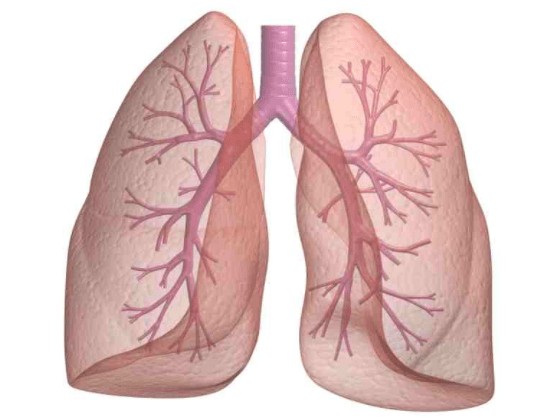
Which organ is part of the respiratory system?
a)
tongue
b)
stomach
c)
esophagus
d)
lungs
111.
Which organ is part of the respiratory system?
a)
tongue
b)
stomach
c)
esophagus
d)
lungs
112.
 What is the main function of the respiratory system?
a)
take in oxygen and exhale waste like carbon dioxide
b)
move nutrients throughout the body
c)
take in carbon dioxide and exhale oxygen
113.
 What is the main function of the respiratory system?
a)
take in oxygen and exhale waste like carbon dioxide
b)
move nutrients throughout the body
c)
take in carbon dioxide and exhale oxygen
114.
Where does digestion start?
a)
stomach
b)
mouth
c)
esophagus
115.
Which systems main function is to allow movement of the body?
a)
muscular
b)
digestive
c)
skeletal
d)
excretory
116.
One lung is bigger than the other lung.
a)
true
b)
false
117.
One lung is bigger than the other lung.
a)
true
b)
false
118.
A collection of the same kinds of cells working together to do the same job.
a)
cells
b)
tissues
c)
organs
d)
systems
119.
A collection of the same kinds of cells working together to do the same job.
a)
cells
b)
tissues
c)
organs
d)
systems
120.
Roles, jobs, or purposes.
a)
function
b)
cells
c)
stimulus
d)
microscope
121.
Roles, jobs, or purposes.
a)
function
b)
cells
c)
stimulus
d)
microscope
122.
Which system includes the mouth, esophagus, and the small and large intestines?
a)
nervous
b)
excretory
c)
respiratory
d)
digestive
123.
Which system includes the mouth, esophagus, and the small and large intestines?
a)
nervous
b)
excretory
c)
respiratory
d)
digestive
124.
Which system includes the mouth, esophagus, and the small and large intestines?
a)
nervous
b)
excretory
c)
respiratory
d)
digestive
125.

This is an example of.......

a)

Binary Fission

b)

Fragmentation

c)

Regeneration

d)

Budding

126.

This is an example of.......

a)

Binary Fission

b)

Fragmentation

c)

Regeneration

d)

Budding

127.

Asexual reproduction has how many parents?

a)

One

b)

Two

c)

One and a Half

d)

Two or More

128.

Asexual reproduction has how many parents?

a)

One

b)

Two

c)

One and a Half

d)

Two or More

129.
Bacteria reproduce this way.
a)
budding
b)
fragmentation
c)
binary fission
d)
vegetative propagation
130.
Bacteria reproduce this way.
a)
budding
b)
fragmentation
c)
binary fission
d)
vegetative propagation
131.

Growing back a missing or lost body part

a)

binary fission

b)

budding

c)

sporulation

d)

regeneration

132.

What type of asexual reproduction is taking place?

a)

Binary Fission

b)

Budding

c)

Fragmentation

d)

Regeneration

e)

Vegetative Reproduction

133.

What type of asexual reproduction is taking place?

a)

Binary Fission

b)

Budding

c)

Fragmentation

d)

Regeneration

e)

Vegetative Reproduction

134.
How many parent(s)are needed for asexual?
a)
4
b)
1
c)
9
d)
100
135.
How many parent(s)are needed for asexual?
a)
4
b)
1
c)
9
d)
100
136.

Vegetative Reproduction

a)

Sexual Reproduction

b)

Asexual Reproduction

c)

Asexual and Sexual Reproduction

137.

Vegetative Reproduction

a)

Sexual Reproduction

b)

Asexual Reproduction

c)

Asexual and Sexual Reproduction

138.
In asexual reproduction, all of the offspring are:
a)
Physically Identical
b)
Genetically Identical
c)
Physically and Genetically Identical
d)
Not Identical
139.
In asexual reproduction, all of the offspring are:
a)
Physically Identical
b)
Genetically Identical
c)
Physically and Genetically Identical
d)
Not Identical
140.
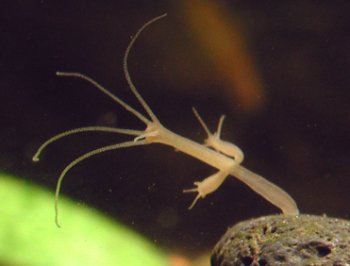
A hydra reproduces when an outgrowth, or bud, forms and continues to develop until if falls off of the parent. This is an example of:
a)
Binary Fission
b)
Sporulation
c)
Budding
d)
Vegetative Propagation
141.
This is when a new organism grows by cell division on the body of its parent. The bud, or offspring is identical to the parent. The bud, when large enough, can break off of the parent and live on its own.  Examples of this include yeast, hydra and potatoes.
 
a)
Regeneration
b)
Vegetative propagation
c)
Fission
d)
Budding
142.
This is when a new organism grows by cell division on the body of its parent. The bud, or offspring is identical to the parent. The bud, when large enough, can break off of the parent and live on its own.  Examples of this include yeast, hydra and potatoes.
 
a)
Regeneration
b)
Vegetative propagation
c)
Fission
d)
Budding
143.
a)
budding
b)
binary fission
c)
sporulation
d)
regeneration
144.
a)
budding
b)
binary fission
c)
sporulation
d)
regeneration
145.
What type of asexual reproduction is taking place?
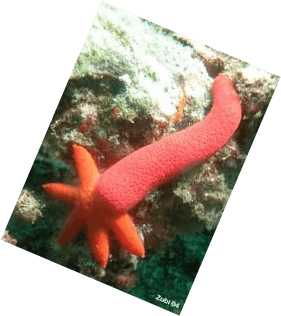
Fishermen work hard to catch and remove all the starfish that get into their favorite shell fishing beds and the “underwater farms” where they raise clams and oysters. In the past, they put the starfish into their boats, cut them up with knives, and then throw the pieces of starfish overboard. They thought this would kill the starfish. What they did not know was that each piece of starfish will grow into a whole new animal.
a)
Regeneration
b)
Vegetative propagation
c)
Budding
d)
Fission
146.
What type of asexual reproduction is taking place?
Fishermen work hard to catch and remove all the starfish that get into their favorite shell fishing beds and the “underwater farms” where they raise clams and oysters. In the past, they put the starfish into their boats, cut them up with knives, and then throw the pieces of starfish overboard. They thought this would kill the starfish. What they did not know was that each piece of starfish will grow into a whole new animal.
a)
Regeneration
b)
Vegetative propagation
c)
Budding
d)
Fission
147.
When a starfish grows a new body off a broken arm, what kind of reproduction is this?
a)
Sexual
b)
Differentiation
c)
Asexual 
d)
Specialization
148.
When a starfish grows a new body off a broken arm, what kind of reproduction is this?
a)
Sexual
b)
Differentiation
c)
Asexual 
d)
Specialization
149.
What are some of the facts about asexual reproduction?
a)
Takes only one mate to reproduce and takes a longer time to reproduce
b)
Takes a shorter amount of time to reproduce and it takes two mates to reproduce
c)
Reproduces diverse offspring and takes a longer time to reproduce
d)
Takes only one mate to reproduce and takes a shorter time to reproduce
150.
What are some of the facts about asexual reproduction?
a)
Takes only one mate to reproduce and takes a longer time to reproduce
b)
Takes a shorter amount of time to reproduce and it takes two mates to reproduce
c)
Reproduces diverse offspring and takes a longer time to reproduce
d)
Takes only one mate to reproduce and takes a shorter time to reproduce
151.
What percentage of chromosomes are handed down by a sperm cell?
a)
75%
b)
25%
c)
50%
d)
100%
152.
What percentage of chromosomes are handed down by a sperm cell?
a)
75%
b)
25%
c)
50%
d)
100%
153.
What is an advantage of sexual reproduction?
a)
Allows genetic variation
b)
Only needs one parent
c)
Happens very quickly
d)
Offspring are exact copies of parent
154.
What is an advantage of sexual reproduction?
a)
Allows genetic variation
b)
Only needs one parent
c)
Happens very quickly
d)
Offspring are exact copies of parent
155.
What is an advantage of sexual reproduction?
a)
Allows genetic variation
b)
Only needs one parent
c)
Happens very quickly
d)
Offspring are exact copies of parent
156.
What is one disadvantage of sexual reproduction?
a)
Only one parent needed
b)
Off spring are exact copies of parents
c)
Happens very quickly
d)
Needs two parents
157.
What is one disadvantage of sexual reproduction?
a)
Only one parent needed
b)
Off spring are exact copies of parents
c)
Happens very quickly
d)
Needs two parents
158.
When comparing the offspring of sexually and asexually reproducing organisms, we would expect the genetic material (DNA) of the sexually reproducing organism to -
a)
contain fewer mutations
b)
be lesser in quantity
c)
be simpler overall
d)
show more variation
159.
When comparing the offspring of sexually and asexually reproducing organisms, we would expect the genetic material (DNA) of the sexually reproducing organism to -
a)
contain fewer mutations
b)
be lesser in quantity
c)
be simpler overall
d)
show more variation
160.
A type of reproduction in which the genetic materials from two different cells combine, producing an offspring 
a)
Asexual Reproduction
b)
Sexual Reproduction
161.
If two organisms reproduce sexually, then their offspring will exhibit a genetic makeup that is -
a)
identical to only one parent
b)
identical to all of its siblings
c)
a unique combination of traits
d)
the recessive traits of each parent
162.
If two organisms reproduce sexually, then their offspring will exhibit a genetic makeup that is -
a)
identical to only one parent
b)
identical to all of its siblings
c)
a unique combination of traits
d)
the recessive traits of each parent
163.
A series of steps used by scientists to solve a problem or answer a question. 
a)
scientific method
b)
recipe
c)
data collection
d)
metric system
164.
A series of steps used by scientists to solve a problem or answer a question. 
a)
scientific method
b)
recipe
c)
data collection
d)
metric system
165.
Which is NOT a step in the scientific method?
a)
Make observation
b)
Form a theory
c)
Collect data
d)
Form a hypothesis
166.
Which is NOT a step in the scientific method?
a)
Make observation
b)
Form a theory
c)
Collect data
d)
Form a hypothesis
167.
A testable explanation to a problem that has not yet been tested. 
a)
data
b)
theory
c)
hypothesis
d)
fact
168.
This variable in an experiment is the one being changed by the scientist. 
a)
dependent variable
b)
independent variable
c)
data
d)
control group
169.
This variable in an experiment is the one being changed by the scientist. 
a)
dependent variable
b)
independent variable
c)
data
d)
control group
170.
This variable in an experiment is the one being changed by the scientist. 
a)
dependent variable
b)
independent variable
c)
data
d)
control group
171.
This variable in an experiment is the one being changed by the scientist. 
a)
dependent variable
b)
independent variable
c)
data
d)
control group
172.
Testing a hypothesis often involves a(n):
a)
answer
b)
experiment
c)
problem
d)
safety check
173.
The summary at the end of an experiment that explains the results. 
a)
conclusion
b)
procedures
c)
materials
d)
responding variable
174.
The name of the information that you get from your experiment (you organize it into charts and graphs).
a)
observations
conclusion
b)
data
c)
variables
d)
hypothesis
175.
The gradual change in species over time is...
a)
Evolution
b)
Nucleotide 
c)
Adaptation
d)
Natural Selection
176.
The gradual change in species over time is...
a)
Evolution
b)
Nucleotide 
c)
Adaptation
d)
Natural Selection
177.
The gradual change in species over time is...
a)
Evolution
b)
Nucleotide 
c)
Adaptation
d)
Natural Selection
178.
To adjust to a changing environment
a)
Mutation
b)
Adapt
179.
To adjust to a changing environment
a)
Mutation
b)
Adapt
180.
To adjust to a changing environment
a)
Mutation
b)
Adapt
181.
Darwin wrote that organisms with traits that are best suited to the environment will ________________
a)
increase in number
b)
become extinct
182.
Darwin wrote that organisms with traits that are best suited to the environment will ________________
a)
increase in number
b)
become extinct
183.
Another word for adapt is ____________.
a)
change
b)
create
184.
Another word for adapt is ____________.
a)
change
b)
create
185.
Which term refers to the process by which individuals that are better suited to the environment survive and reproduce therefore passing down their genes to their offspring? 
a)
Evolution 
b)
Variation 
c)
Adaptation
d)
Natural Selection 
186.
Which term refers to the process by which individuals that are better suited to the environment survive and reproduce therefore passing down their genes to their offspring? 
a)
Evolution 
b)
Variation 
c)
Adaptation
d)
Natural Selection 
187.
Genetic differences between organisms of the same species
a)
Variation
b)
Adaptation
c)
Behavior
d)
Environment
188.
Genetic differences between organisms of the same species
a)
Variation
b)
Adaptation
c)
Behavior
d)
Environment
189.
Remains of ancient organisms are called
a)
Extinctions
b)
Fossils
c)
Mutations
d)
Variations
190.
Which of the following is NOT a factor that affects the process of natural selection?
a)
Overpopulation
b)
Fossils
c)
Competition
d)
Variations
191.
A well-tested concept that explains a wide range of observations is called a(an):
a)
hypothesis
b)
experiment
c)
cause and effect
d)
scientific theory
192.
A group of similar organisms that can mate with each other and produce fertile offspring is called a species.  
a)
True  
b)
False
193.
What is another name for natural selection?
a)
survival of the smartest
b)
survival of the fastest
c)
survival of the biggest
d)
survival of the fittest
194.
What is another name for natural selection?
a)
survival of the smartest
b)
survival of the fastest
c)
survival of the biggest
d)
survival of the fittest
195.
What is a change in an organism that allows for it to survive in its environment?
a)
homologous
b)
vestigial
c)
variation
d)
adaptation
196.
What is this an example of?
a)
diversity of species
b)
variation
c)
vestigial structures
d)
DNA studies
197.
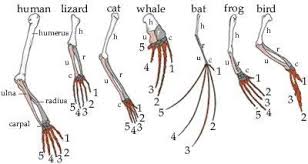
What is this an example of?
a)
vestigial structures
b)
embryology
c)
homologous structures
d)
fossil record
198.
Which layer is the oldest?
a)
1
b)
2
c)
3
d)
4
199.
Predict which moth would increase in population
a)
light 
b)
dark
200.
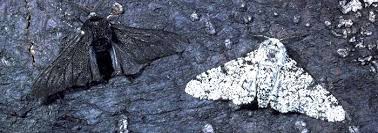
Predict which moth would increase in population
a)
light 
b)
dark