
 Worksheets
Energy Review
Total questions: 29
Worksheet time: 1hrs 3mins
Which of these describes The Law of Conservation of Energy?
No machine is 100% efficient
Energy is neither created nor destroyed
The energy resources of Earth are limited
The energy of a system is always decreasing
Energy in motion is ____________ energy.
Potential
Energy
Kinetic
Friction
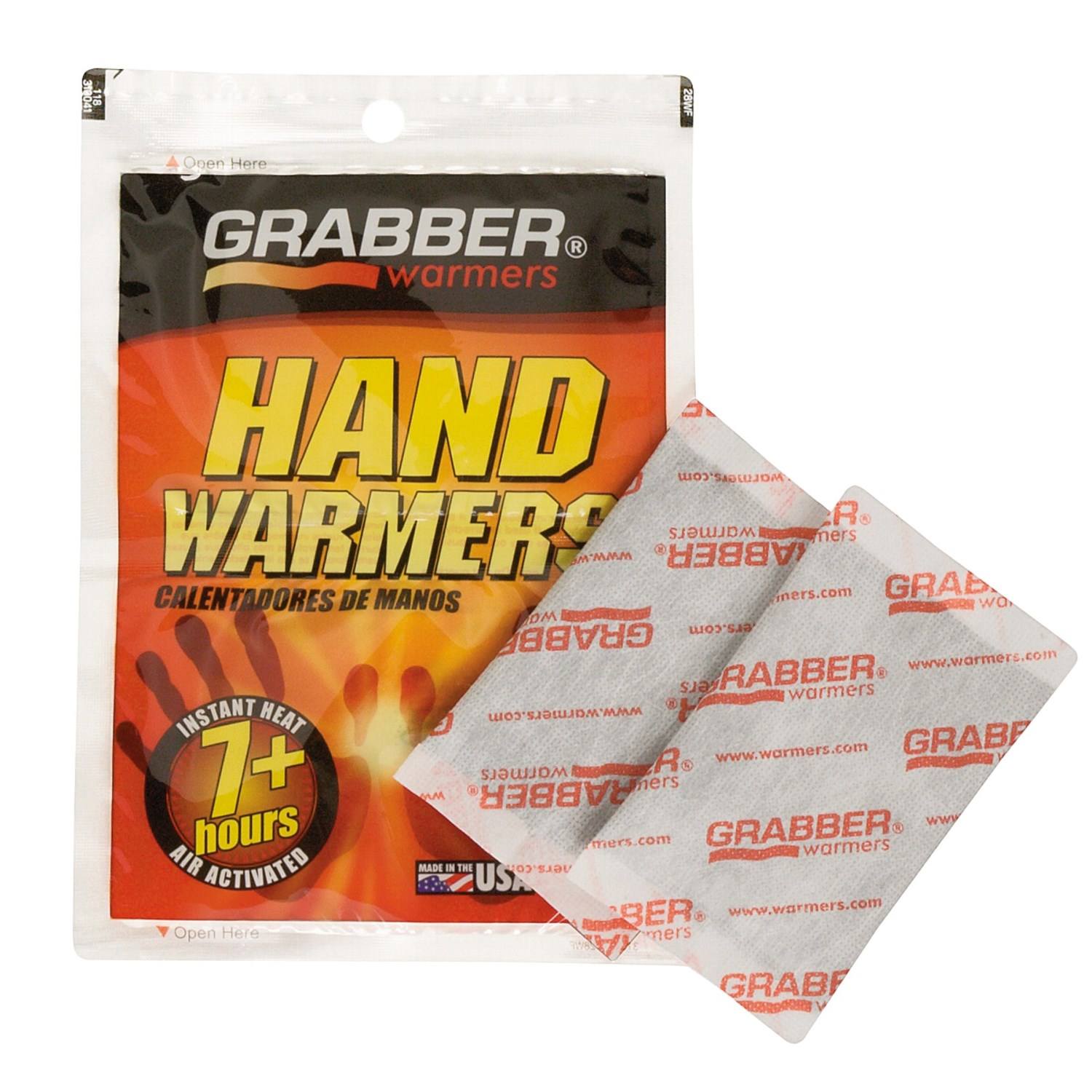
What type of reaction occurs in a hand warmer
Exothermic
Endothermic

What is happening to the energy involved in this combustion reaction?
Energy is being absorbed (endothermic)
Energy is staying the same
Energy is being released (exothermic)
Potential Energy is increasing

substance 1°C is
For a skillet, used for cooking, do you want a high or low specific heat
High, so that it will need more energy to heat up
Low, so that it will change temperature quickly
If the specific heat of water is 4.18 J/g°C, how much heat is required to increase the temperature of 1200 g of water from 23 °C to 39 °C?
-80,256 J
80.3 J
80,256 J
-80.3 J
As 120 g of hot milk cools in a mug. It transfers 20,000 J of heat to the environment. What is the temperature change of the milk? The specific heat of milk is 2.6 J/g·°C. (Q=mcΔT)
64 °C
1.56 °C
640 °C
cannot be determined
A 250 gram sample of water is heated by the burning of a biscuit. The waters temperature increases by 450C. How much energy in calories did the biscuit release to the water?
47,000 calories
11,300 calories
11.3 calories
47.0 calories
How much heat does an aluminum block absorb if 10.0 grams are heated from 25.0oC to 50.0oC? The specific heat of aluminum is 0.900J/goC
450 J
-450 J
225 J
-225 J
In Calorimetry experiments, the energy released by a substance is ________ the energy absorbed by the water.
greater than
equal to
less than
colder than

An ice cube is placed in water in a closed system.
If the energy absorbed by an ice cube was 60 calories, then the energy lost by the water was ____________.
60 calories
120 calories
0 calories
-60 calories
When ΔH is positive, it means the system is absorbing energy from its surroundings.
True
False
When ΔH is negative there is a loss of energy from the system and its surroundings.
True
False
Calculate the enthalpy change for the following reaction.
2H2 (g) + O2 (g) → 2H2O (g)
Heat of formations:
H2 = 436 kJ/mol
O2 = 498 kJ/mol
H2O = 464 kJ/mol
−442 kJ
526 kJ
-470 kJ
402 kJ
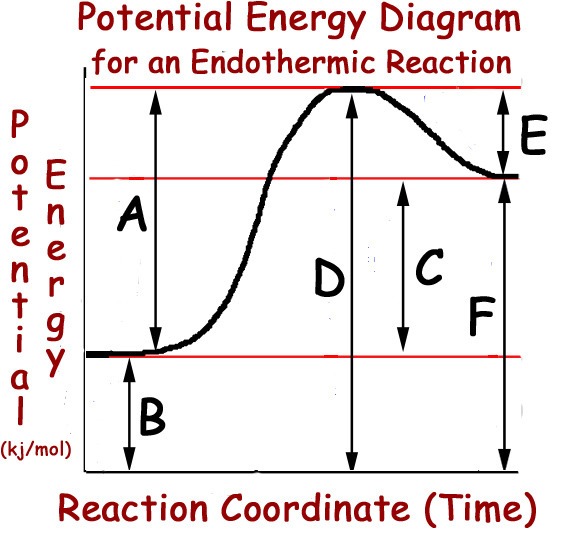
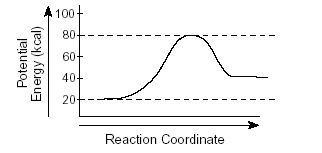
During an endothermic reaction in a beaker if we are part of the surroundings and touched the beaker, it would feel _______.
Cold
Warm

In which region(s) is the temperature remaining constant?
A-B
B-C
C-D
E-F
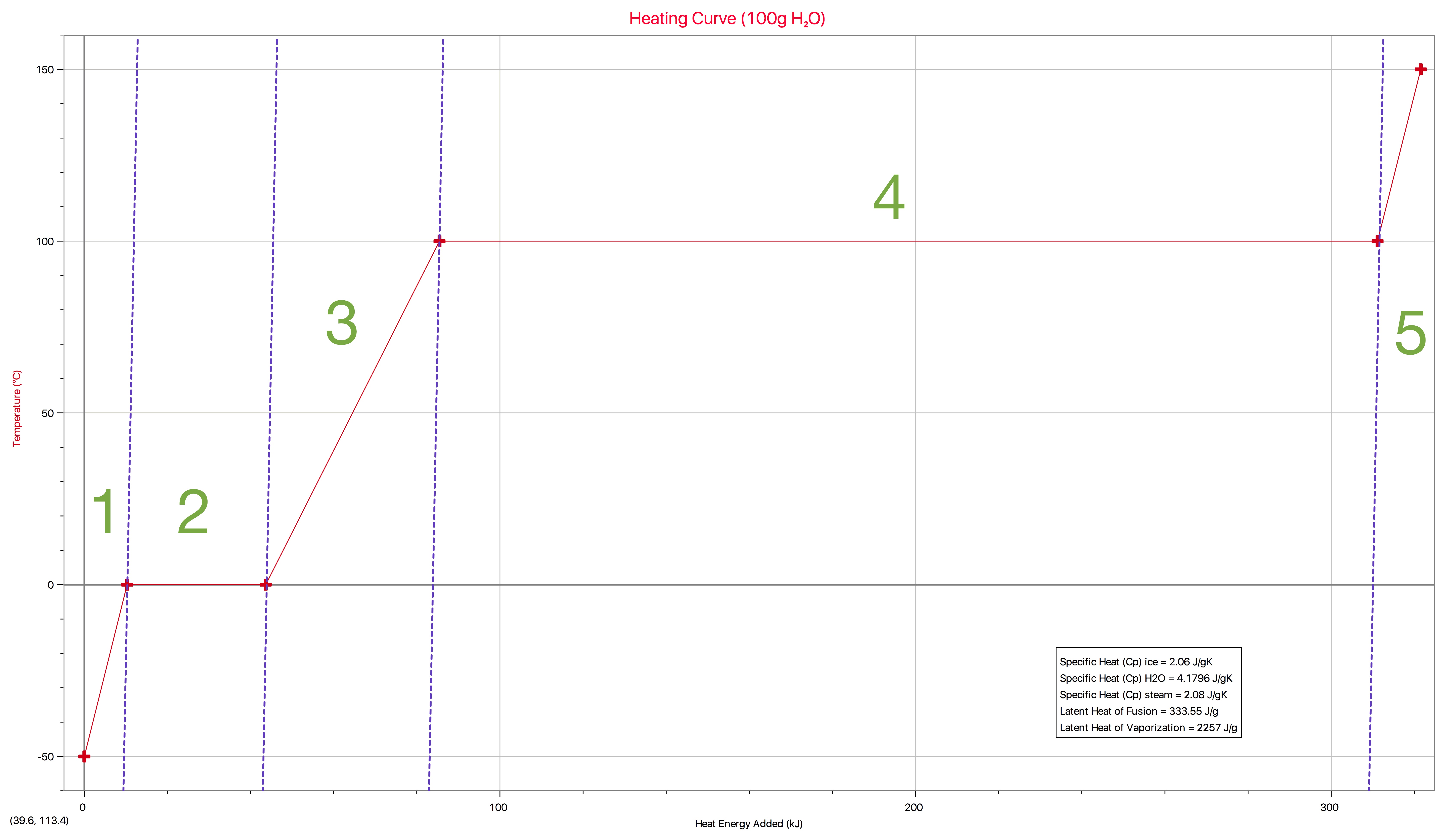
In which region(s) does an increase in kinetic energy occur?
Region 1, 3, & 5
Region 2 & 4
Region 1 only
Region 1 & 2

