
 Worksheets
CELL AS A BASIC UNIT OF LIFE (PART 2)
Total questions: 22
Worksheet time: 25mins

The component inside the cell membrane that consists of cytoplasm and nucleus is known as ..................
nucleoplasm
protoplasm
plasm
organelle
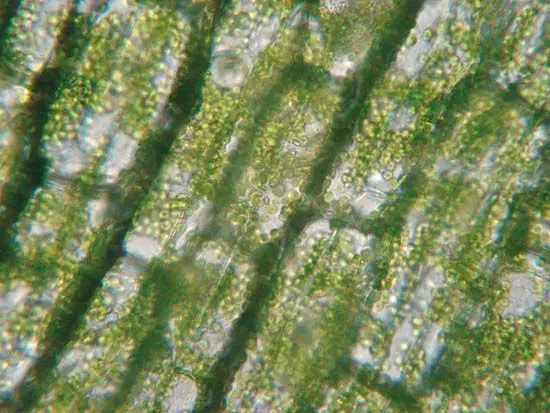
Has chlorophyll to trap light energy to undergo photosynthesis
Vacuole
Chloroplast
Mitochondrion
Nucleus
Which organelle is only found in a plant cell?
nucleus
chloroplast
mitochondria
cell membrane

What is found in both plant and low-level animal cells (like amoeba) but is much larger in plant cells?
Nucleus
Mitochondrion
Chloroplast
Vacuole
Tick all the structures found in both animal and plant cell.
Nucleus
Cell wall
Cell membrane
Cytoplasm
Vacuole
Tick all the structures that only can be found in the plant cell.
Chloroplast
Vacuole
Cell wall
Nucleus
Mitochondrion

State the type of the cell in the diagram
Animal cell
Plant cell

Cell X has abundant of structure in the diagram. What happen to the cell if the structure is some damaged?
Nothing happens
Less energy is produced
Undergo cell division
Destroyed by other cell
Which of the following organ has abundant of chloroplast in its cell?
Liver
Leaf
Stem
Root

The series to show the levels of organisation in multicellular organism is called ...............................
cellular respiration
cell organisation
organism flows
trophics level
Rearrange the levels of cell organisation from the simplest to the most complex.
Cell
Tissue
Organ
System
Organism

The basic unit of life that has a specific function.
Cell
Tissue
Organ
System
Choose ALL the correct examples of tissue.
Blood
Muscle
Heart
Epithelial
Sperms
Which of the following is NOT the plant tissue?
Epidermal
Xylem
Palisade
Epithelium

Which of the following are the correct statements about diagram?
An organ
Made of different tissues
Consists of same cells
Performs the pumping of blood
Forms endcrine system

A group of different organs that work together to perform a certain function is known as ...............................
cell
tissue
organ
system
organism

The diagram shows the human skin involved in epithelial tissues and covers all organs in the body. Name the system.
Integumentary
Endocrine
Lymphatic
Excretory

Consists of ALL systems that work together in the body to give life.
Cell
Tissue
Organ
System
Complete organism

Why the organisms in the diagram do not have cell organisation?
Consists of only one cell
Consists of many cells
Does not move
Lives in fresh water

