
 Worksheets
Let's review!!
Total questions: 41
Worksheet time: 55mins
Name
Class
Date
1.
Plants are considered producers because
a)
they produce carbon dioxide
b)
they produce their own water
c)
they produce sunlight
d)
they produce their own food
2.
What two substances are produced during photosynthesis?
a)
sugar and carbon dioxide
b)
sugar and carbon monoxide
c)
sugar and water
d)
sugar and oxygen
3.
Plants that produce their seeds in wood-like cones.
a)
angiosperms
b)
legumes
c)
deciduous
d)
conifers
4.
Where do angiosperms produce their seeds?
a)
pollen
b)
cones
c)
fruits
5.
Angiosperms (flowering plants) produce both a seed and a ______________ to nourish the seed.
a)
nut
b)
flower
c)
fruit
d)
cone
6.
A peach tree, cotton plant, and a rose are examples of angiosperms.
a)
True
b)
False
7.

A pine tree is an example of a(n)
a)
Gymnosperm
b)
Angiosperm
c)
Sporophyte
8.
Plants that produce flowers and develop fruit are known as
a)
Angiosperms
b)
Gymnosperms
c)
Pteridophytes
d)
Bryophytes
9.
Plants that produce seeds that are not part of fruit, but rather kept inside a cone are considered
a)
Angiosperm
b)
Gymnosperm
c)
Pteridophyte
d)
Bryophyte
10.
Which is considered an angiosperm?
a)
Sunflower
b)
Ostrich Fern
c)
Pine Tree
d)
Moss
11.
From where do the seeds of a gymnosperm come?
a)
fruit
b)
flowers
c)
spores
d)
cones
12.

What is this?
a)
Digestive system
b)
Respiratory system
c)
Circulatory system
d)
Reproductive system
13.

What is this?
a)
Digestive system
b)
Respiratory system
c)
Circulatory system
d)
Excretory system
14.

What organ IS NOT in the digestive system?
a)
Esophagus
b)
Stomach
c)
Bladder
d)
Intestine
15.

What organ IS NOT in the respiratory system?
a)
Nose
b)
Windpipe
c)
Lungs
d)
Heart
16.

What is this?
a)
Blood vessels
b)
Mouth
c)
Bladder
d)
Nose
17.

What is this?
a)
Esophagus
b)
Heart
c)
Uterus
d)
Stomach
18.

What is this?
a)
Stomach
b)
Esophagus
c)
Lungs
d)
Mouth
19.
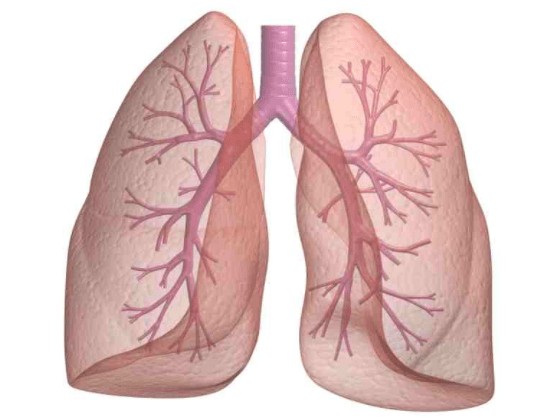
1. Which system are the lungs in?
a)
respiratory
b)
digestive
c)
excretory
d)
muscular
20.

Which system is the stomach in?
a)
respiratory
b)
digestive
c)
nervous
d)
excretory
21.

Which system is the esophagus in?
a)
digestive
b)
urinary
c)
integumentary
d)
skeletal
22.

Your large and small intestines are part of this body system.
a)
nervous
b)
digestive
c)
muscular
d)
skeletal
23.
Which organ CONTROLS the body?
a)
Bladder
b)
Lungs
c)
Brain
d)
Kidneys
24.
Which organ MAKES urine from WASTE PRODUCTS and excess of water?
a)
Skin
b)
Brain
c)
Lungs
d)
Kidneys
25.
Which organ DIGESTS FOOD and ABSORBS nutrients into the blood?
a)
Small intestine
b)
Large intestine
c)
Kidneys
d)
Stomach
26.

What is the main job of the digestive system?
a)
break down foods into nutrients that can be used by the body
b)
take in oxygen and exhale waste like carbon dioxide
c)
pump blood throughout the body
d)
makes the body hungry
27.
Which organ system filters the blood and removes the waste as pee?
a)
Digestive
b)
Circulatory
c)
Excretory
d)
Respiratory
28.
What do the kidneys do?
a)
Hold the oxygen
b)
Move the body
c)
Filter the blood
d)
Break down food
29.

What is the function of the system depicted here?
a)
Move the body
b)
Protect, shape, and support the body
c)
Protect the body from infection, injury, and UV rays.
d)
Take in oxygen and remove CO2
30.

What is this?
a)
Kidneys
b)
Liver
c)
Heart
d)
Pancreas
31.
Which kingdom has animals that lays eggs and has feathers?
a)
Birds
b)
Fish
c)
Mammals
d)
Amphibians
32.
Animals that live on both land and in water are:
a)
mammals
b)
insects
c)
amphibians
d)
fish
33.

What type of vertebrate is the whale?
a)
fish
b)
mammal
c)
reptile
d)
amphibian
e)
bird
34.

The shark is a...
a)
bird
b)
mammal
c)
reptile
d)
fish
e)
amphibian
35.

All vertebrate animals have got...
a)
hair
b)
feathers
c)
a spine
d)
babies
36.
Which animals are reptiles?
a)
dog
b)
snake
c)
salmon
d)
iguana
e)
turtle
37.
This groups starts as jelly-like eggs in water, but moves to land as they develop lungs.
a)
fish
b)
amphibians
c)
reptile
d)
mammal
38.
This group has bodies covered with scales, breathes with lungs, and lives on land (mostly)
a)
reptile
b)
mammal
c)
bird
d)
fish
39.
Many animals in this group go through metamorphosis (bodies change as they get older).
a)
fish
b)
reptile
c)
amphibian
d)
mamma;
40.
The duck-billed platypus is a monotreme because it
a)
is warm-blooded
b)
has hair
c)
lays eggs
41.
What are the five classes of vertebrates?
a)
fish, amphibians, reptiles, birds, mammals
b)
Sponges, Arthropoda, mammals, birds, fish
c)
Fish, amphibians, rocks, birds, mollusks
d)
Flowers, trees, grass, monocots, dicots
100 %

