
 Worksheets
Civics Section 2
Total questions: 60
Worksheet time: 54mins

1. Which of the following best describes the term citizen? (2.1)
a. An individual that exercises political authority over another
a. An individual who is able to vote in elections
a. A legally recognized member of a country
a. A person who is loyal to and proud of his country
1. Who of the following is a Natural Born Citizen of the United States? (2.1)
a. Carlie was born in England and has been working in the U.S. the past 7 years
a. Khasie is seventeen and is going to high school in Los Angeles
a. Derek was born in Spain to two U. S. citizen parents
a. Lily moved to the United States when she was three years old. She moved back to Spain when she was 12.
1. Why does the United States government require qualified 18-year-old males to register for selective service? (2.2)
a. to allow the government to quickly draft them in times of crisis
a. to ensure that they are also registered to vote
a. to provide jobs for more people
a. to provide money to pay for government services
1. Why are citizens obligated to respond to documents such as Jury summons? (2.2)
a. to guarantee court hearings remain public
a. to guarantee courts provide probable cause
a. to protect the constitutional right to be tried by one’s peers
to protect the constitutional right to confront one’s accuser
1. Which amendment protects Americans from unreasonable searches and seizures? (2.4)
a. First Amendment
a. Fourth Amendment
a. Sixth Amendment
a. Thirteenth Amendment
1. In Which U.S. Supreme Court decision did Chief Justice John Marshall establish the power of the Court of Judicial Review- to invalidate a ‘law repugnant to [in conflict with] the Constitution?’ (3.12)
a. Bush vs Gore (2000)
a. Miranda vs Arizona (1966)
a. Marbury vs Madison (1803)
a. Brown vs Board of Education (1954)
1. Which was an outcome of the U.S. Supreme Court decision in Brown v. Board of Education (1954)? (3.12)
a. Administrators may limit the content of student’s publications.
a. Public school districts that segregate deny equal protection.
a. Students have a reduced expectation of privacy in school.
a. Criminal defendants have the right to an attorney.
1. Which was an outcome of the U.S. Supreme Court decision in Brown v. Board of Education (1954)? (3.12)
a. Administrators may limit the content of student’s publications.
a. Public school districts that segregate deny equal protection.
a. Students have a reduced expectation of privacy in school.
a. Criminal defendants have the right to an attorney.
One way ordinary citizens can participate in the political process is by joining a--
sports club
local volunteer service
church
political party
What is the source of any and all power in America's government?
The States
The President
The People
The Constitution
The first ten amendments to the Constitution are known as the
Articles of Confederation
Bill of Rights
Unalienable Rights
Freedom Amendments
Which part of the Constitution protects the freedoms of religion, speech, press, assemble, and petition?
The Preamble
14th Amendment
5th Amndment
1st Amendment
The protection under the 14th Amendment that prevents unreasonable treatment by any state government or its unfair laws is called?
petition
assembly
due process
unalienable rights
What section of the Constitution list the Legislative Branch's powers?
Article 1
Article 4
Article 3
Article 5
The First Amendment protects all of these EXCEPT
speech
religion
press
security
Which is not a civic DUTY
Jury duty
registering to vote
paying taxes
obeying the law
Failing to perform a civic duty could result in
paying a fine
nothing
receiving a refund
going to jail
What are the ways to become a citizen
naturalization
bribery
birth
knowing someone famous
In a Democracy, the power belongs to___________
the president
the people
the law
Lebron James
How long do you have to live in the U.S. to become a citizen?
5 months
10 years
3 years
5 years
How old do you have to be to apply for U.S. citizenship?
14
21
18
16
Which of the following is NOT a duty of a citizen?
Voting
Obeying laws
Paying taxes
Attending school
In what 2 ways can you become a U.S. citizen by birth?
At least one of your parents is already a U.S. citizen.
Your parents become naturalized before you turn 2 years old.
You are born in the United States or, in one of its territories.
None of these.
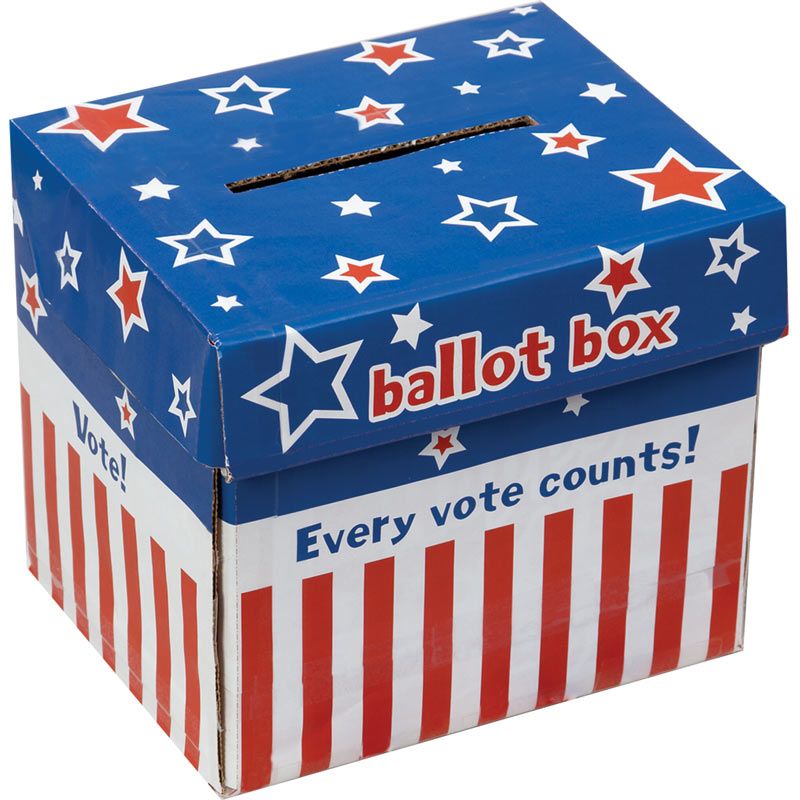
Determined the FL Supreme Court could not order a recount of ballots.
Marbury v. Madison
Bush v. Gore
U.S. v. Nixon
Hazelwood v. Kuhlmeier
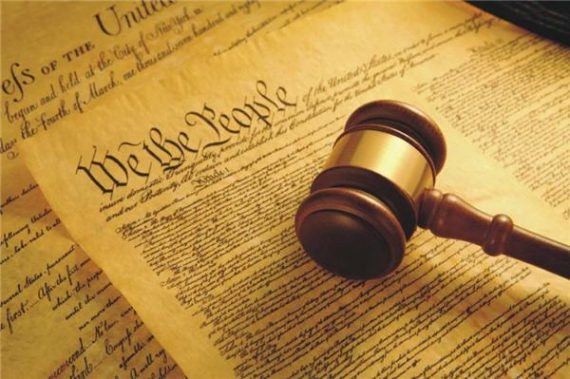
What is it called when the U.S. Supreme Court decides whether something is legal or illegal (unconstitutional)?
supreme court review
due process
segregation
judicial review
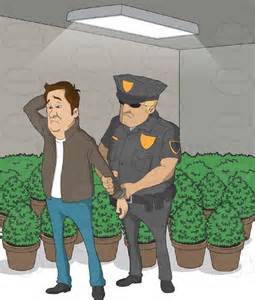
Suspects cannot be questioned (interrogated) until they are informed of their rights (right to remain silent, right to an attorney, etc.)
Brown v Board of Education
Miranda v Arizona
Tinker v Des Moines
Bush v Gore
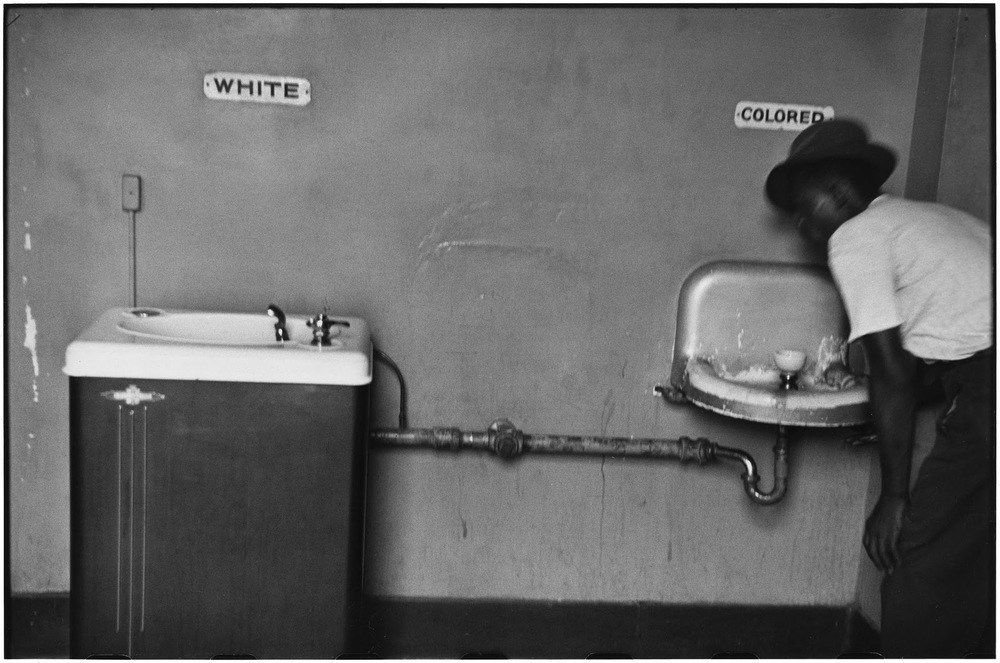
Established “Separate but Equal”, which provided separate public facilities for both whites and blacks as long as they were equal.
District of Columbia v Heller
In Re Gault
Brown v Board of Education
Plessy v Ferguson
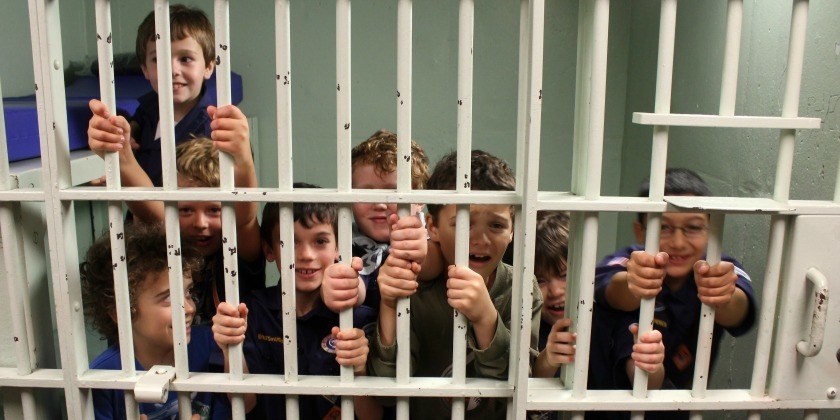
Juveniles are allowed to have “Due Process” rights. (right to a trial, right to an attorney, right to question witnesses, etc.)
District of Columbia v Heller
Tinker v Des Moines
In Re Gault
Miranda v Arizona

Students have the right to free speech at school as long it doesn’t disrupt school activities. (wearing black armbands in protest)
In Re Gault
District of Columbia v Heller
Hazelwood v Kuhlmeier
Tinker v Des Moines
Which constitutional principle is applied when police inform suspects of their rights?
due process of law
eminent domain
double jeopardy
trial by jury
What is called when someone is being forced to testify against oneself?
self-incrimination
reflection
self-process
judicial review
Carol, an eighteen year old college student, is arrested for petty theft, a misdemeanor charge. Carol asks for a lawyer to help defend her. The judge claims that if she is smart enough to be in college, she knows enough to defend herself.
4th Amendment
5th Amendment
6th Amendment
7th Amendment
Susette bought a house and spent years restoring it. She loves her home. One day, she gets a notice that the local government is taking her property in order to sell her land over to a private company, arguing that it can take Susette’s home since it will provide jobs & tax revenue.
3rd Amendment
4th Amendment
5th Amendment
6th Amendment
Karl is arrested for shoplifting a candy bar from a grocery store. At trial, he is found guilty. The judge decides that the right punishment is 5 years in a prison labor camp.
1st Amendment
4th Amendment
8th Amendment
10th Amendment
Members of Congress are unhappy with students’ state standardized test scores. Congress passes a federal law that abolishes (gets rid of) local school boards and requires a national, standardized curriculum.
3rd Amendment
7th Amendment
9th Amendment
10th Amendment
peace and an end to the war in Iraq. Which constitutional right were these people exercising?
States?
government.
movements.

