wayground logo

Free Printable Worksheets

NEW

Font size

S
M
L
XL
Worksheets

Human Body Systems Final 2019

Total questions: 50

Worksheet time: 43mins

Name
Class
Date
1.
 What is the main function of the respiratory system?
a)
take in oxygen and exhale waste like carbon dioxide
b)
move nutrients throughout the body
c)
take in carbon dioxide and exhale oxygen
2.
Where does digestion start?
a)
stomach
b)
mouth
c)
esophagus
3.
 What is the main job of the digestive system? 
a)
break down foods into nutrients that can be used by the body
b)
take in oxygen and exhale waste like carbon dioxide
c)
pump blood throughout the body
d)
makes the body hungry
4.
Which systems main function is to allow movement of the body?
a)
muscular
b)
digestive
c)
skeletal
d)
excretory
5.
The smallest units or parts of living things; the body's building blocks.
a)
cells
b)
organs
c)
tissues
d)
system
6.

A collection of the same kinds of cells working together to do the same job.

a)

cells

b)

tissues

c)

organs

d)

systems

7.

Your body systems work separately and do not effect each other.

a)

true

b)

false

8.
 Organs are body parts that have specific jobs.  Your body systems are made up of organs.
a)
True
b)
False
9.
Which system provides shape and support, enables you to move, protects your internal organs, and stores minerals?
a)
skeletal
b)
muscular
c)
digestive
d)
nervous
10.

This system forms a protective barrier between the environment and the internal body .

a)

Circulatory

b)

Integumentary

c)

Endocrine

11.

The body system that transmits information inside the body using electrical impulses.

a)

Endocrine

b)

Nervous

c)

Muscular

12.

Which body system is required in producing additional organisms (make babies)?

a)

Reproductive System

b)

Endocrine System

c)

Digestive System

d)

Immune System

13.
What is the main function of the excretory system?
a)
Convert food into nutrients
b)
Send signals in the form of hormones
c)
Filter water and remove waste products from the body
d)
Exchange gases between the body
14.
What three body systems get rid of waste from our bodies?
a)
Respiratory, Reproductive, and Circulatory
b)
Digestive, Excretory, and Respiratory
c)
Digestive, Reproductive, and Circulatory
d)
Excretory. Reproductive, and Endocrine
15.
What is the main function of the Endocrine System?
a)
Take in Oxygen
b)
Take Carbon into the lungs
c)
Produce Sperm Cells
d)
Produce Hormones
16.
Which body system delivers nutrients to the cells inside the body?
a)
Reproductive
b)
Circulatory
c)
Nervous
d)
Excretory
17.
Which of the following examples is a function of the reproductive system?
a)
Circulating blood
b)
Produce Oxygen
c)
Absorb Nutrients
d)
Produce eggs in females
18.

What function do the endocrine system and nervous system have in common?

a)

Both relay messages to cells throughout the body.

b)

Both produce electrical signals that are carried by neurons

c)

both remove wastes and toxins from the body
19.
Identify which statement is NOT true.
a)
Tissues are made from cells.
b)
Organs are made from tissue.
c)
Tissues are made from organs.
d)
Organ systems are made from organs
20.
List the levels of organization in the human body in order from least complex to most complex…
a)
Tissues, cells, organ systems, organs, and organism
b)
Cells, tissues, organ systems, organs, and organism
c)
Cells, tissues, organs, organism, and organ systems
d)
Cells, tissues, organs, organ systems, and organism
21.

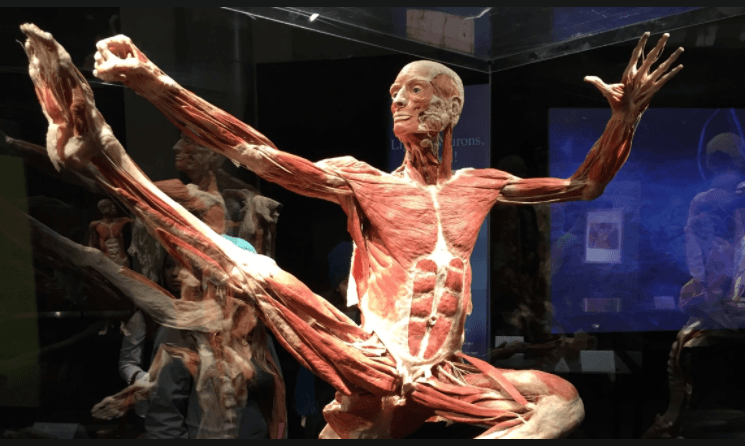
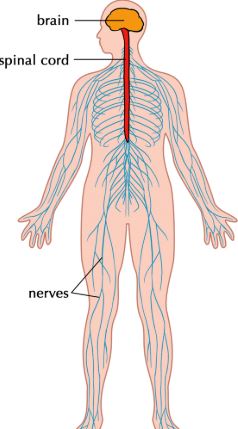
What system is pictured?

a)

Skeletal

b)

Circulatory

c)

Nervous

d)

Muscular

22.

What is the function of the system pictured?

a)

Helps pumps your blood through out your body.

b)

Helps move and protect your body.

c)

Helps take in oxygen and remove carbon dioxide.

d)

Helps maintain body your temperature.

23.

What is the body system that sends and receives electrical signals from the brain?

a)

Muscular

b)

Skeletal

c)

Nervous

d)

Digestive

24.

How does the muscular system and the skeletal system work together?

a)

The muscular system gives the body nutrients while the skeletal system gives the body blood

b)

The muscular system allows the body to move and the skeletal system gives the body a structure

c)

The skeletal system makes blood cells and the muscular system makes nutrients

25.

All your body systems work together to maintain a stable environment which is called __________________.

a)

Hydration

b)

Regular

c)

Gucci

d)

Homeostasis

26.
The circulatory system works with the ___________ system to provide our body with oxygen.
a)
respiratory
b)
digestive
c)
muscular
d)
skeletal
27.
The circulatory system works with the __________ system to obtain energy from nutrients that we eat. 
a)
respiratory 
b)
digestive
c)
skeletal
d)
nervous
28.
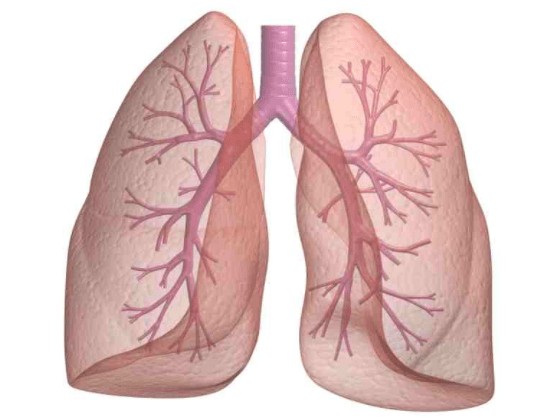
1. Which system are the lungs in?
a)
respiratory
b)
digestive
c)
excretory
d)
muscular
29.
 Which system is the stomach in?
a)
respiratory
b)
digestive
c)
nervous
d)
excretory
30.
 Which system is the esophagus in?
a)
digestive
b)
urinary
c)
integumentary
d)
skeletal
31.

Your large and small intestines are part of this body system.

a)

nervous

b)

digestive

c)

skeletal

32.

What system supports and protects your internal organs?

a)

Muscular

b)

Digestive

c)

Excretory

d)

Skeletal

33.

What system eliminates non solid waste from the body?

a)

Integumentary

b)

Respiratory

c)

Excretory

34.

What is the function of the skin?

a)

Gets rid of carbon dioxide waste

b)

Produces movement

c)

Protects your body from infections

d)

It gathers information and responds to the information

35.

Which system includes the kidneys, ureters, urinary bladder, urethra?

a)

Digestive

b)

Muscular

c)

Excretory

d)

Nervous

36.
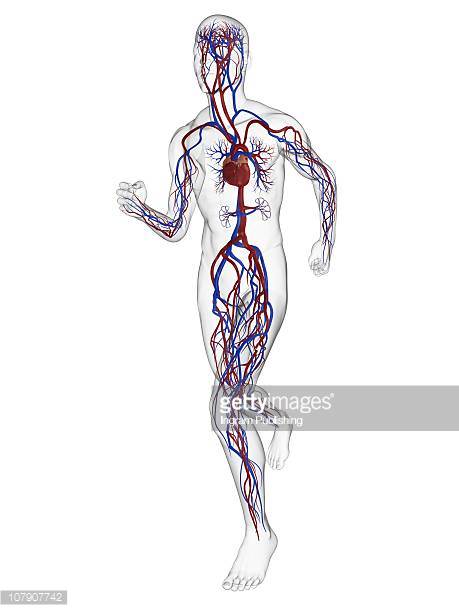
This system includes the heart, blood vessels, veins, arteries
a)
respiratory system
b)
circulatory system
c)
nervous system
37.
This system includes the spinal cord, brain and nerves
a)
Nervous System
b)
Digestive System
c)
Circulatory System
38.
This system includes the skin, hair, and nails.
a)
integumentary
b)
nervous
c)
skeletal
d)
muscular
39.

What is the main organ of the circulatory system?

a)

small intestine

b)

bone

c)

lungs

d)

heart

40.

The job of the heart is to . . .

a)

pump blood around the body.

b)

send food to the small intestines.

c)

break down food.

d)

give energy to the body.

41.

The heart is about the size and shape of your . . .

a)

head

b)

fist

c)

hand

d)

foot

42.

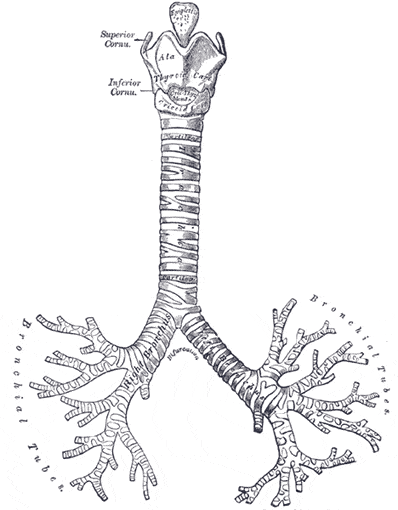
These are the two two main branches from the trachea (one to each lung)

a)

bronchi

b)

alveoli

c)

capillaries

d)

bronchioles

43.
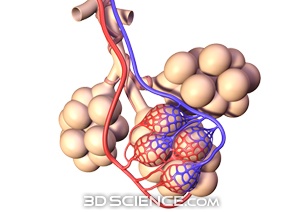
The air sacs that are covered with capillaries where gas exchange takes place
a)
bronchi
b)
lungs
c)
oxygen
d)
alveoli
44.
Within the lungs, the exchange of oxygen and carbon dioxide occurs between the ___ and the capillaries. 
a)
trachea 
b)
bronchi 
c)
alveoli
d)
diaphragm
45.

Flap of tissue that covers the opening to the windpipe during swallowing

a)

Pharynx

b)

Trachea

c)

Epiglottis

46.
The right side of the heart sends blood to the 
a)
body
b)
lungs
47.
The left side of the heart sends blood out of the heart to 
a)
your lungs
b)
the rest of your body
48.
You have ____________lungs and _________heart(s),
a)
two, one
b)
two, two
c)
one, one
49.

Pulmonary circulation is

a)

heart to lungs

b)

heart to body

50.

Systemic Circulation is

a)

Heart to lungs

b)

Heart to the rest of the body