Wayground logo

Free Printable Worksheets

Font size

S
M
L
XL
Worksheets

Science Milestones Practice #3

Total questions: 45

Worksheet time: 41mins
Name
Class
Date
1.
There are five categories of vertebrates.  Which one is not a vertebrate?
a)
Mammals
b)
Birds
c)
Arthropods
d)
Reptiles
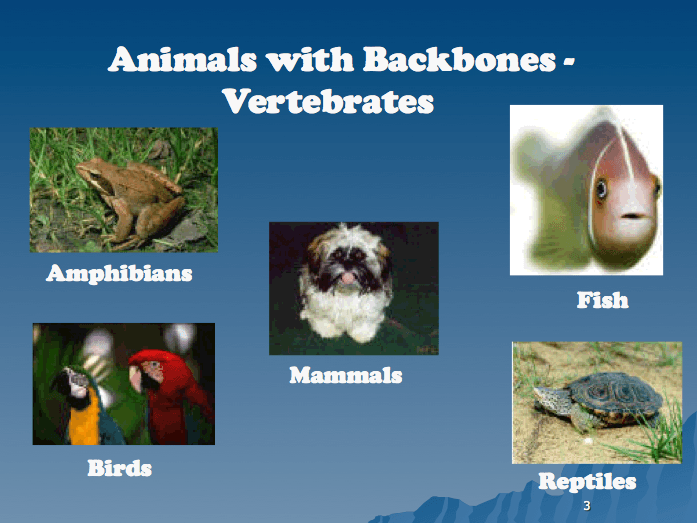
2.
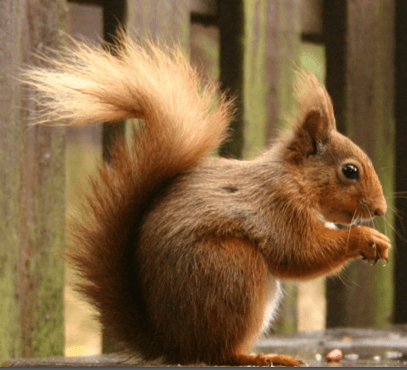
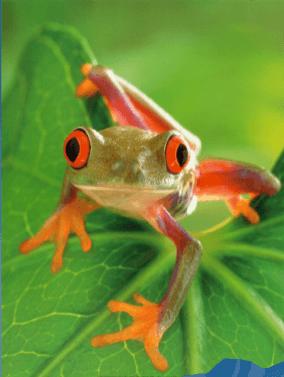
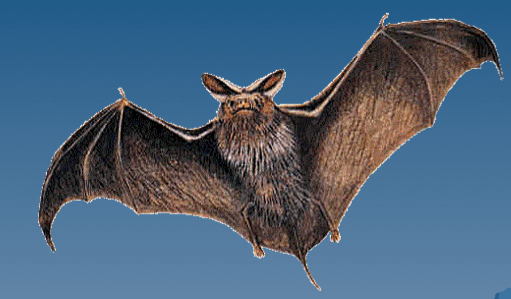
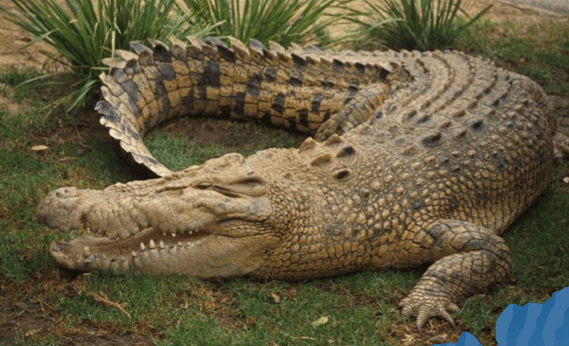
What am I?
a)
Mammal
b)
Amphibian
c)
Bird
d)
Reptile
3.
My body is moist and smooth, I lay eggs, and live in or near the water.  What am I?
a)
Amphibian
b)
Reptile
c)
Bird
d)
Fish
4.
My body is warm, I have fur, feed my young on milk, and have live births.  What am I?
a)
Reptile
b)
Bird
c)
Mammal
d)
Fish
5.
I am covered in dry scales and I lay eggs.  What am I?
a)
Mammal
b)
Fish
c)
Amphibian
d)
Reptile
6.
Which are the 5 groups of vertebrate animals?
a)
Mammals, fish, amphibians and sharks
b)
Mammals, fish, birds, reptiles and amphibians
c)
Lions, tuna, eagle, crocodile and frog
d)
Humans, fish, birds and reptiles
7.
A student knows that some likenesses between parents and offspring are inherited, passed from generation to generation. Which of the following is an example of an inherited likeness in humans?
a)
eye color
b)
length of hair
c)
ability to read
d)
type of language spoken 
8.
Some likenesses between parents and offspring are learned. Which of the following is a learned behavior in dogs?
a)
eating
b)
running
c)
barking
d)
shaking hands 
9.
What is NOT an example of an inherited TRAIT?
a)
eye color
b)
tongue rolling
c)
handedness
d)
language
10.
The following are all examples of instincts except:
a)
Blinking
b)
Breathing
c)
Talking
d)
Swallowing
11.

Which of the following is an instinct?

a)

riding a bike

b)

building a nest

c)

a dog sitting when he is told, SIT!

d)

skating on rollerblades

12.
Instinct or Learned?
Turtles migrate to the same beach to lay eggs.
a)
Instinct
b)
Learned
13.
A flowering plant that has seeds protected by fruit.
a)
angiosperm
b)
gymnosperm
c)
vertebrate
d)
xylem
14.
Plants that have tubes to carry food, nutrients, and water.
a)
nonvascular plants
b)
invertebrates
c)
vascular plants
d)
moss
15.
A cell is...
a)
the basic unit of structure and function in living organism
b)
an organism
c)
a basic part of everything that we see
d)
found only in animals, not plants
16.
Which of the following are NOT found in animal cells
a)
chloroplasts and cytoplasm
b)
chloroplasts and cell wall
c)
cell wall and cell membrane
d)
mitochondria and nucleus
17.
The nucleus is like the ____________ of the cell.
a)
foot
b)
hand
c)
stomach
d)
brain
18.

Which of the following converts food into energy for the cell?

a)

vacuole

b)

mitochondria

c)

cytoplasm

d)

cell membrane

19.
What do vacuoles do? 
a)
They actually do not have an important role
b)
They protect the cell
c)
They are the brain of the cell
d)
storage area for cells; water storage in plants 
20.

What type of process most likely created the mountain chain seen here?

a)

Volcanic eruptions created the mountains over millions of years.

b)

Tectonic plates pushed together forcing one plate under the other and then pushing the land upward.

c)

Earthquakes broke the earth into pieces and parts of it fell into cracks between faults.

d)

A river flowed through the land and created the valleys between the mountains making them appear taller.

21.

A seismograph tells us what information about an earthquake?

a)

How deep within the earth the earthquake occurred.

b)

How far a tsunami will travel

c)

How much damage the earthquake caused

d)

How strong the earthquake is

22.

What are the primary purposes for the use of dams?

a)

To prevent droughts and reverse the flow of a river.

b)

To keep unwanted marine organisms from moving down stream.

c)

To control floodwaters and store water for people to use.

d)

To make lakes so that people have a place to go fish.

23.

The picture here shows a landslide. What can you infer from the picture?

a)

Landslides are a destructive process that break apart the surface of the earth.

b)

Landslides are a constructive process that build new mountains and dams on the surface of the earth.

c)

Landslides are caused by volcanic eruptions,

d)

Landslides are helpful to road crews.

24.

How can plants cause the weathering of rocks?

a)

roots can grow into or near rocks causing the rocks to break down over a period of time.

b)

plants can chemically break down rocks using photosynthesis

c)

plant roots can use the rocks as a source of nutrients and break them down over time

d)

plants can release water vapor into the air that causes the rocks to break down over time.

25.

What does it mean to restore a beach?

a)

Replace the sand on the beach.

b)

Move the sand from one beach to another

c)

Building a wall on the beach to keep wind and water away

d)

Leave all of the seashells and other items on the beach instead of picking them up.

26.

Which of the following landforms are created over a long period of time?

a)

Mountains and Canyons

b)

Landslides and Sand dunes

c)

Ponds and Mountains

d)

Volcanic eruptions

27.
Which on the following is NOT an example of an insulator.
a)
Rubber
b)
Glass
c)
Penny 
d)
Wood
28.
In a parallel circuit with 2 lightbulbs, if you take out one lightbulb what will happen to the rest?
a)
They will all go out.
b)
The other one will stay on 
29.
What kind of circuit does the picture show?
a)
Series Circuit
b)
Parallel Circuit
30.
What kind of picture does the picture show? 
a)
Closed/Complete
b)
Open/Incomplete
31.
What is static electricity?
a)
the flow of electric charges
b)
the build-up of an electrical charge on a surface.
c)
the opposition of current flow. 
32.
What do two unlike poles do when they are brought close together?
a)
Nothing
b)
Repel
c)
Attract
d)
Decrease
33.
What is one difference between electromagnets and bar magnets?
a)
Bar magnets can be turned off but electromagnets cannot
b)
Electromagnets need electricity but bar magnets do not
c)
Bar magnets have a magnetic field but electromagnets do not
d)
Bar magnets are bigger than electromagnets
34.
How can you reverse a magnetic field in a circuit?
a)
Connect the battery the other way around
b)
Use a different wire
c)
Increase the current
d)
Use a different battery
35.
Which of the following indicates a chemical change?
a)
Change in state of matter
b)
Temperature change
c)
Change in size 
d)
Change in shape
36.
Which of the following DOES NOT indicate a chemical change/reaction is occurring?
a)
Color Change
b)
Formation of a Precipitate
c)
Formation of gas/bubbles
d)
State of matter change
37.
Which of the following indicates a PHYSICAL change?
a)
Change in temperature
b)
Change in shape
c)
Formation of a precipitate
d)
Change in color
38.
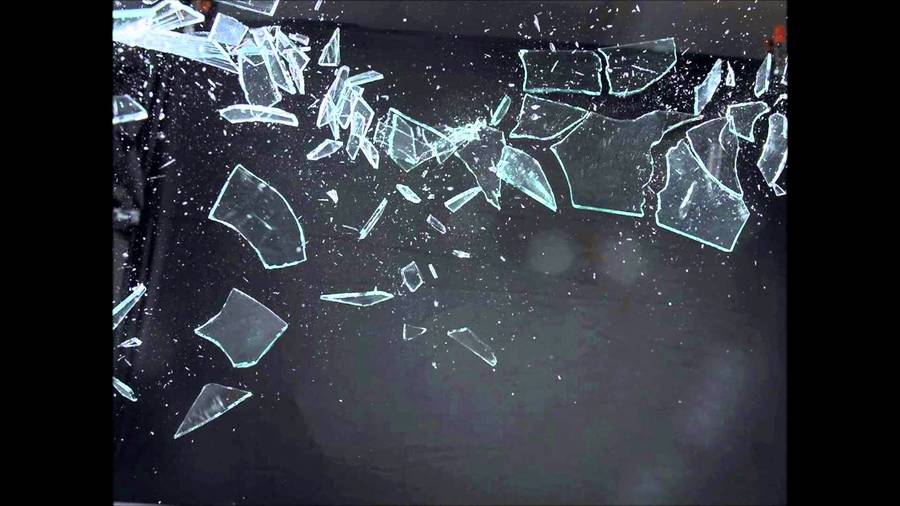
Chemical or Physical?  Glass breaking into tiny shards
a)
Chemical Change
b)
Physical Change
39.
Which Law states that Matter cannot be created or destroyed during a Chemical Change/Reaction?
a)
Conservation of Energy
b)
Conservation of Matter (Mass)
c)
Conservation of Momentum
d)
Conservation of Thermodynamics
40.
Physical or Chemical Change?  Iron rusts
a)
Physical Change
b)
Chemical Change
41.
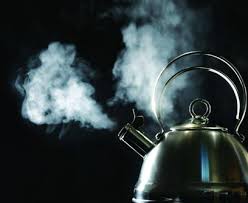
Physical or Chemical Change?
a)
Physical Change
b)
Chemical Change
42.
Physical or Chemical Change?  Cutting an orange into wedges.
a)
Physical Change
b)
Chemical Change
43.
Physical or Chemical Change?  Logs burning in a campfire.
a)
Physical Change
b)
Chemical Change
44.
Physical or Chemical Change?  Making a paper airplane.
a)
Physical Change
b)
Chemical Change
45.
What happens in ALL chemical changes?
a)
Change in state of matter
b)
A new substance is formed
c)
Bubbles are produced
d)
An explosion