Wayground logo

Free Printable Worksheets

Font size

S
M
L
XL
Worksheets

Energy Review for APES

Total questions: 43

Worksheet time: 42mins

Name
Class
Date
1.

Energy is neither created nor destroyed, but may be converted from one form to another

a)

1st Law of Thermodynamics

b)

Newton's 1st Law

c)

Newtons 3rd Law

d)

2nd Law of Thermodynamics

e)

Newton's 2nd Law

2.

When energy is changed from one form to another, some useful energy is always degraded into lower quality energy (heat)

a)

First Law of Thermodynamics

b)

Second Law of Thermodynamics

c)

Newton's First Law

d)

Newton's Second Law

e)

Newtons Third Law

3.

which of the following is not a drawback of solar energy?

a)

sunlight does not have energy

b)

cost

c)

sun is not always out

d)

solar energy is diffuse and hard to collect

4.

Which renewable energy does not require spinning a turbine?

a)

hydroelectric

b)

wind

c)

tidal

d)

photovoltaic cells

5.

A home is built with clear glass panels that allow sunlight to pass through. This is an example of

a)

Active solar

b)

Passive solar

c)

Parabolic collector

d)

Photovoltaic Cells

6.

which of the following is not a biofuel or a biomass?

a)

wood

b)

ethanol from corn

c)

dung

d)

methane

7.

which of the following is the least energy efficient light bulbs?

a)

incandescent

b)

compact fluorescent

c)

LED

d)

halogen

8.
All of the following renewable resources are derived from the sun in some way EXCEPT
a)
biomass
b)
wind
c)
hydroelectric
d)
geothermal
9.
Put the items below in correct sequence for the generation of electricity using the wind
1 – generator converts mechanical energy into electrical energy
2 – wind turns the wind turbine blade
3 – the gear box transfers mechanical energy to the generator
4 – electricity is transferred to the grid
a)

1-2-3-4

b)

2-1-3-4

c)

2-3-1-4

d)

2-4-3-1

10.
Most of the developing countries in the world depend on _______ for their main source of energy.
a)
renewable sources
b)
nuclear
c)
biomass (including wood, manure, etc)
d)
coal
11.
Passive solar design includes all of the following except
a)
large windows on the south side of the house
b)
floor and walls that will store heat in the winter
c)
overhang that blocks the sun in the summer, but allows it inside in the winter
d)
trees that block the sun for the entire year
12.
The most commonly used approach to solar energy collection is ________, in which buildings are designed and building materials chosen to maximize their direct absorption of sunlight in winter, even as they keep the interior cool in the heat of summer.
a)
Active
b)
Passive
13.
Which of the following is a disadvantage of solar energy?
a)
It can only be used effectively in certain regions and certain times of day
b)
It produces greenhouse gases during use
c)
It is a nonrenewable energy source
d)
It is inexpensive compared to other sources
14.
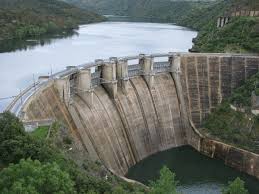
Which energy uses water held behind a dam?
a)
Geothermal
b)
Hydroelectric
c)
Nuclear
d)
Solar
15.
Hydroelectric power plants can cause disruptions to ecosystems.  What steps have been taken to help keep fish populations in balance?
a)
Scientists have added more bears to the area.
b)
Scientists have removed all bears from the area.
c)
They posted no fishing signs.
d)
They added "fish ladders".
16.
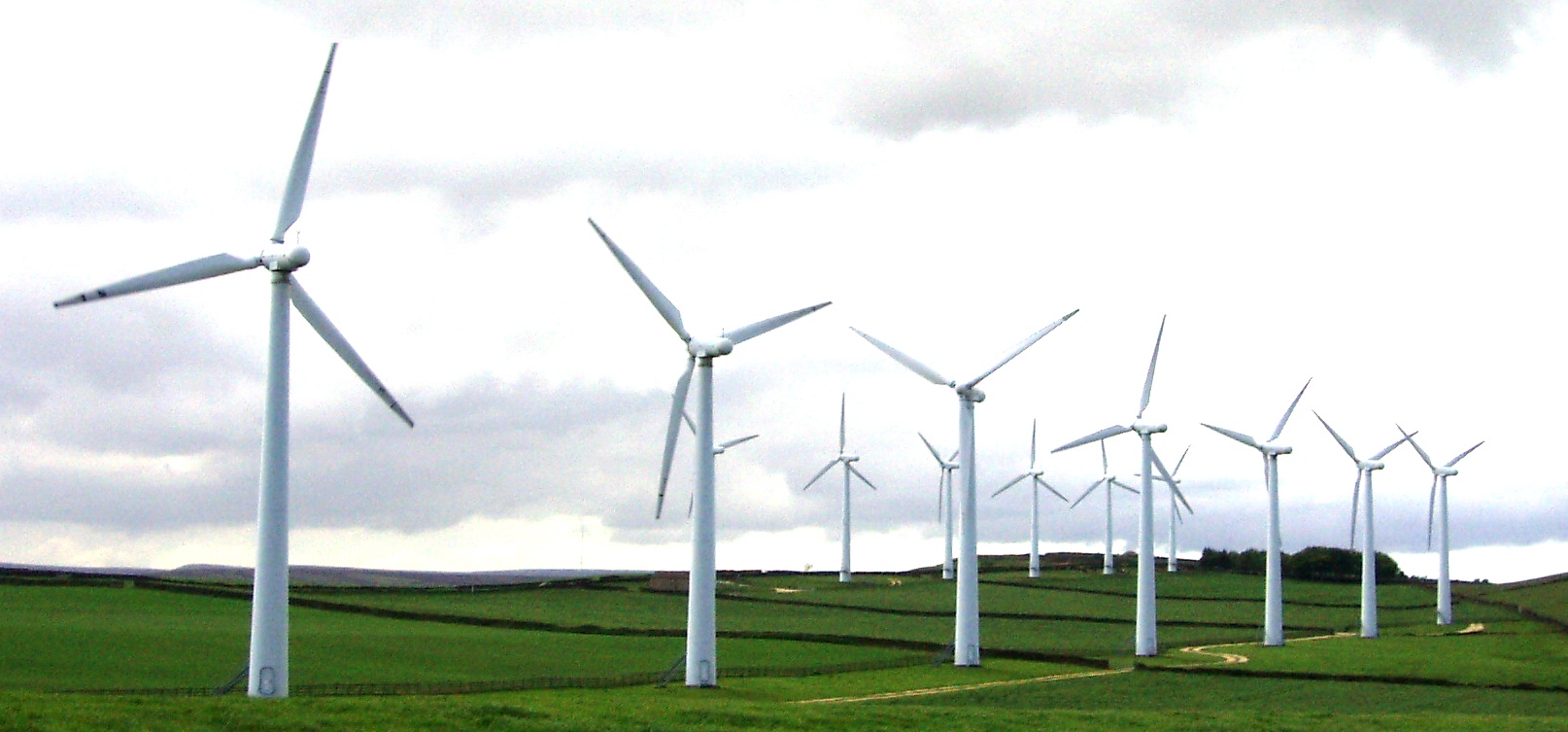
What do we call large areas of windmills?
a)
Wind farms
b)
Hurricanes
c)
Turbines
d)
Wind tunnels
17.
Using the heat from the Earth to generate electricity would be called...
a)
Hydroelectric
b)
Biometric
c)
Geothermal
d)
Fossil Fuels
18.

Heat energy is also called ______ energy.

a)

chemical

b)

electrical

c)

mechanical

d)

thermal

19.
A material that reduces or prevents the transfer of energy.
a)
conductor
b)
conduction
c)
radiation
d)
insulator
20.
Efficiency is...
a)
The percentage of energy that is actually used to do work
b)
The stuff in the walls that keeps energy in
21.

Wind Energy

a)

May interfere with flight patterns of migratory birds

b)

Produces sulfur oxides

c)

only useful in areas near subterranean hot spots or plate boundaries

d)

competes directly with food production and may raise food prices

22.
what is the earliest stage of coal? (this has the least amount of energy and is the youngest)
a)
peat
b)
lignite
c)
bituminous
d)
anthracite
23.

Natural gas is primarily

a)

ethane.

b)

propane.

c)

butane.

d)

methane.

24.

Differences in __________ SEPARATE the various components of crude OIL.

a)

viscosity

b)

sulfur

c)

solubility

d)

boiling points

25.

How long are global oil reserves expected to last?

a)

1,500 years

b)

150 years

c)

75 years

d)

50 years

26.

What does the Hubbert's peak represent?

a)

the point where oil production increases

b)

the point at which oil production reaches a maximum

c)

the amount of nuclear fuel available in the world

d)

the amount of coal reserves in the US

27.

In the use of coal to produce energy, which does NOT decrease the energy efficiency of the process?

a)

Extracting the coal from the ground

b)

Waste heat

c)

Cogeneration

d)

Energy required to build the power plant

e)

The removal of the waste products

28.

Petroleum products are primarily used for

a)

production of kerosene as a fuel source.

b)

extraction of tar and asphalt.

c)

gasoline for transportation.

d)

production of petrochemicals needed for industry.

e)

production of plastics.

29.
These types of power plants are primarily responsible for acid deposition (including acid rain)
a)
natural gas
b)
petroleum
c)
coal
d)
nuclear
30.
which of these FOSSIL FUELS burns the cleanest?
a)
coal
b)
natural gas
c)
motor oil
d)
petroleum
31.
Most of the energy that we use on Earth can be traced back to 
a)
coal
b)
the sun
c)
geothermal heat from the earth
d)
natural gas
32.
The major downside to hydraulic fracturing (fracking) is that
a)

the empty spaces left behind can result in earthquakes or buildings collapsing

b)

the equipment that is used is very cheap and often falls apart after a single use

c)

the fracking chemicals could get into aquifers and groundwater

33.
The recovery of oil and gas by injecting large amounts of fluids under high pressure into a single well as the surrounding rock is broken up is called:  
a)
pressure drilling
b)
 hydraulic fracturing
c)
deep will drilling
d)
disruptive recovery
34.
Problems with exploiting oil shale and tar sand deposits as an alternative to crude oil include all of the following except:
a)
the deposits are usually deeply buried and difficult to extract
b)
the conversion process to fuel requires a lot of energy 
c)
the mining and conversion process requires a lot of water
d)
mining would involve widespread disruption of the land surface
35.

Which of the following energy sources is responsible for the largest fraction of electricity generation in the US?

a)

Natural Gas

b)

Coal

c)

Uranium

d)

Oil

e)

Wood

36.

Gasoline comes from which fossil fuel?

a)

Coal

b)

Petroleum

c)

Natural Gas

37.

Energy that is organized and concentrated, can perform useful work

a)

Low Quality Energy

b)

High Quality Energy

c)

Heat or Thermal Energy

d)

Ore

38.

Which of these is NOT benefit of petroleum?

a)

high quality energy

b)

easily transported

c)

relatively cheap

d)

clean burning

39.

Disaster related to nuclear power - choose more than one answer!

a)

Love Canal, NY

b)

Chernobyl, Ukraine

c)

Bhopal India

d)

Valdez, Alaska

e)

Three-Mile Island, Pennsylvania

40.

Proposed site for permanent storage of high-level nuclear waste

a)

Chernobyl, Ukraine

b)

Love Canal, NY

c)

Minamata, Japan

d)

Yucca Mountain, Nevada

e)

Jasper, Georgia

41.

Law that requires the US to develop a high level nuclear waste site

a)

Resource Conservation & Recovery Act

b)

CERCLA

c)

Nuclear Waste Policy Act

d)

NEPA - National Environmental Policies Act

42.

Which of the following has large reserves in USA, Russia, and China?

a)

oil

b)

coal

c)

natural gas

43.

Location of nuclear reactor meltdown caused by an earthquake that lead to a tsunami

a)

Three-mile island

b)

Chernobyl

c)

Minamata

d)

Fukushima