
 Worksheets
Civics EOC- Roles, Rights, and Responsibilities of Citizens
Total questions: 30
Worksheet time: 16mins
A legal member of a country is a ___________.
Citizen
Resident
President
Alien
Name the three ways a person can become a U.S. citizen.
Law of Blood (Parents are citizens)
Born Here (Law of Soil)
Live here for 14 years
Naturalization Process
What are obligations, or duties, of U.S. citizens?
Obey Laws
Pay Taxes
Jury Duty
Serve in the Military
Rights guaranteed by Amendment I
Freedom of Religion
Freedom of the Press
Freedom of Petition
Freedom of Search and Seizure
How can a person’s constitutional rights can be limited?
Slander
Libel
Infringing on the rights of others
Privacy
Rights guaranteed by the IV (4th) Amendment.
Due Process
Right to an Attorney
No Search and Seizure
No Double Jeopardy
Rights guaranteed by the V (5th) Amendment.
No Double Jeopardy
Require a Grand Jury
Not to witness against oneself
Eminent Domain
Why did the Founding Fathers, or Framers, included the II Amendment with respect to militias?
Militias are made up of citizen soldiers to protect the country or their state
To form the Army to protect the country
So people can Hunt
Why did the Framers include the III Amendment in the Bill of Rights?
Because during the time of British colonial rule colonists were required to shelter British soldiers
Any “unlisted” individual rights are retained by the people
Guaranteed the right of “suffrage” regardless of “previous condition of servitude”
Outlawed the use of poll taxes as a requirement for voting
Explain the IX (9th) Amendment
right of “suffrage” regardless of “previous condition of servitude”
abolished slavery in the U.S
“unlisted” individual rights are retained by the people
lower the voting age of U.S. citizens to 18
Which Amendment abolished slavery in the U.S?
14
13
15
19
Which Amendment guaranteed due process, equal protection under the law and granted rights of citizenship to African Americans?
26
14
15
13
Which Amendment guaranteed the right of “suffrage” regardless of “previous condition of servitude”?
19
26
15
14
Which Amendment, ratified in 1920, guaranteed women’s suffrage?
26
19
15
14
Which Amendment outlawed the use of poll taxes as a requirement for voting?
13
19
26
24
In the wake of the Vietnam War, which Amendment was added to lower the voting age of U.S. citizens to 18?
24
26
19
15
What Landmark Supreme Court case resulted in the principle of Judicial Review?
US vs. Nixon
Marbury v Madison
Bush v Gore
Plessy v Ferguson
What Landmark Supreme Court case justified segregation and established the principle of “separate but equal”?
Plessy v Ferguson
Marbury v Madison
Brown v Board of Education
Gideon v Wainwright
What Landmark Supreme Court case overturned the Plessy v. Ferguson decision by ruling that separate facilities were not equal and ended segregation in schools?
Miranda v Arizona
Brown v Board of Education
Marbury v Madison
Gideon v Wainwright
What Landmark Supreme Court case required states to provide free legal help to those who could not afford representation in court?
Miranda v Arizona
Gideon v Wainwright
in re Gault
Tinker v Des Moines
What Landmark Supreme Court case ruled that an individual’s rights begin at the time of their arrest and required that individuals be notified of these rights?
Gideon v Wainwright
Miranda v Arizona
in re Gault
Tinker v Des Moines
What Landmark Supreme Court case ruled that juveniles accused of crimes receive the same due process as adults?
Gideon v Wainwright
Miranda v Arizona
in re Gault
Hazelwood v Kuhlmeier
What Landmark Supreme Court case expanded interpretation of the First Amendment right to free speech in schools to also include freedom of expression?
Hazelwood v Kuhlmeier
Tinker v Des Moines
in re Gault
Gideon v Wainwright
What Landmark Supreme Court case limited freedom of press in school publications?
Hazelwood v Kuhlmeier
Tinker v Des Moines
New Jersey v T.L.O.
in re Gault
The Supreme Court ruled in ________that “executive privilege” is only extended when connected to national security.
United States v Nixon
Bush v Gore
Miranda v Arizona
United States v Clinton
What Landmark Supreme Court case ruled that the Supreme Court could overrule a state court’s decisions on state laws (in regards to Election 2000)?
Bush v Gore
United States v Nixon
United States v Bush
United States v Gore
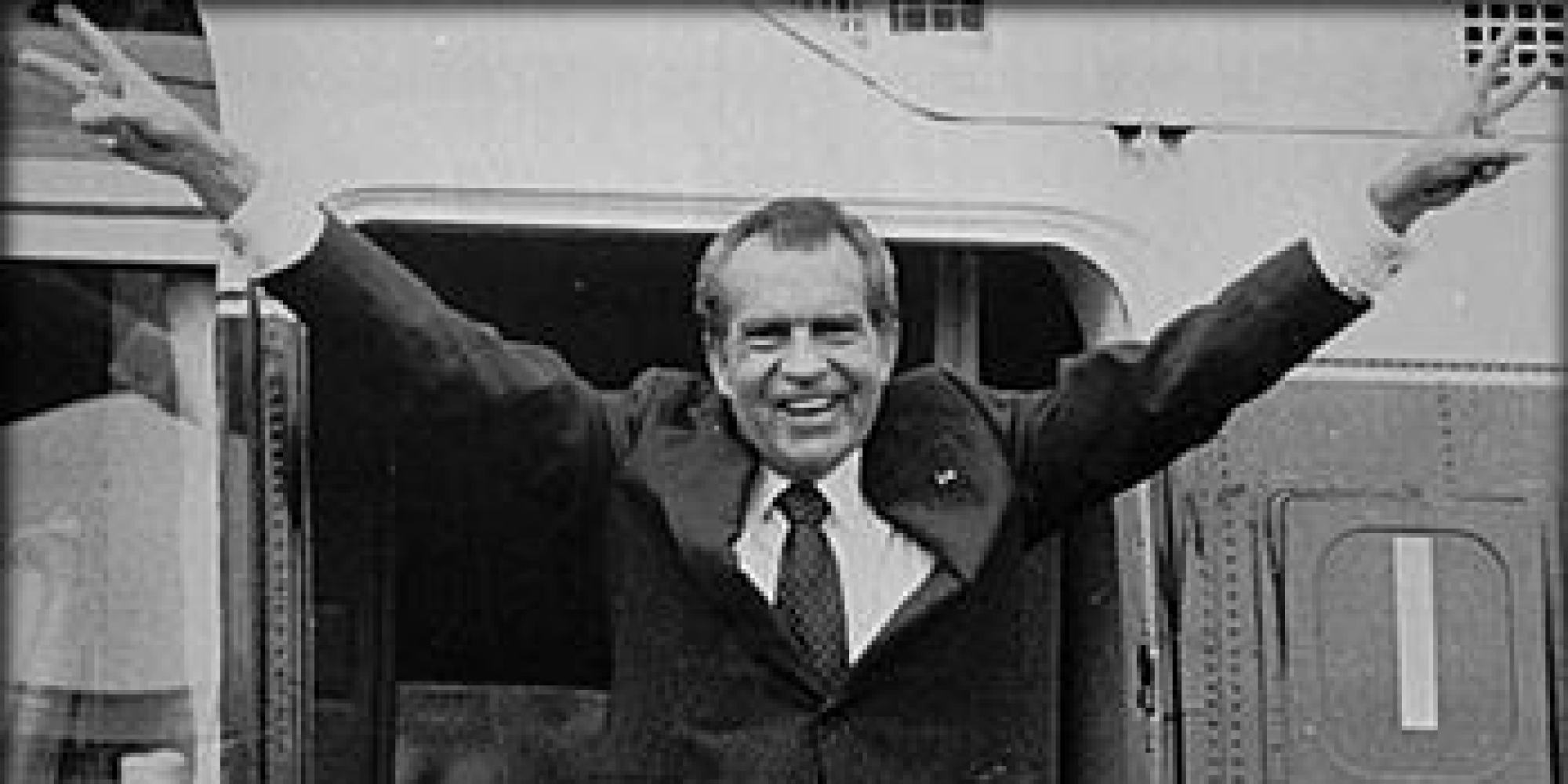
No one is above the law...not even the president.
Bush v. Gore
Marbury v. Madison
Miranda v. Arizona
U.S. v. Nixon
Determined the FL Supreme Court could not order a recount of ballots.
Marbury v. Madison
Bush v. Gore
U.S. v. Nixon
Hazelwood v. Kuhlmeier
What is an Example of a Civic Responsibility?
Running for political office
Paying Income Taxes
Getting drafted
Jury Duty
Holding a meeting to discuss support of a Politician is an example of:
Freedom of Religion
Freedom of the Press
Freedom of Assembly
Freedom of Petition

