
 Worksheets
industrial revolution
Total questions: 27
Worksheet time: 15mins
What were the reasons why the Industrial Revolution started in England? (select 2)
Abundant natural resources.
Better army.
Stable government and economy.
They had overthrown the monarchy.
Which of the following could be considered positive outcomes of the Industrial Revolution?
Urbanization
Overall increase in wages
Pollution
Faster transportation
Which statement IS TRUE about the Industrial Revolution?
Children were not allowed to work
There were no labor laws that prevented children from working
Work conditions were closely regulated
Children worked an 8 hour day
Mass production means:
Products being made with more superior in quality
goods being made in large quantities
laborers received higher wages
industries moved to rural areas
A place where people and machines join together to mass produce goods.
Cartel
Corporation
Factory
Urbanization
Economic system were businesses are privately owned and goods and services are sold for a profit. Also called a free-market economy.
Capitalism
Socialism
Communism
Feudalism
These workers negotiate as a group to try and argue for better pay, better hours, and better working conditions.
Abolitionists
Labor Unions
Temperance Movement
Capitalists
How did the Industrial Revolution change the way we create goods? Choose the BEST answer
Made fewer products
Made more products from home
Made better quality products
Mass production & cheaper goods
The combination of resources, improved transportation, and technological breakthroughs all led to the
Era of Good Feelings
Industrial Revolution
Manifest Destiny
Adoption of gold standard
According to Karl Marx, which group of people in industrial countries must create a revolution, overthrow the existing governments using force if necessary, and then create a new classless society?
Upper class
Religious extremists
Working class
Farmers

Before the Industrial Revolution all products were created by
Factories
Hand
Slaves
Royalty
Which social class grew the most because of the Industrial Revolution?
Wealthy
Upper class
Middle class
Working class
An idea opposing governmental interference in economic affairs beyond the minimum necessary for the maintenance of peace and property rights
Capital
Proletariat
Mass Production
Laissez Faire
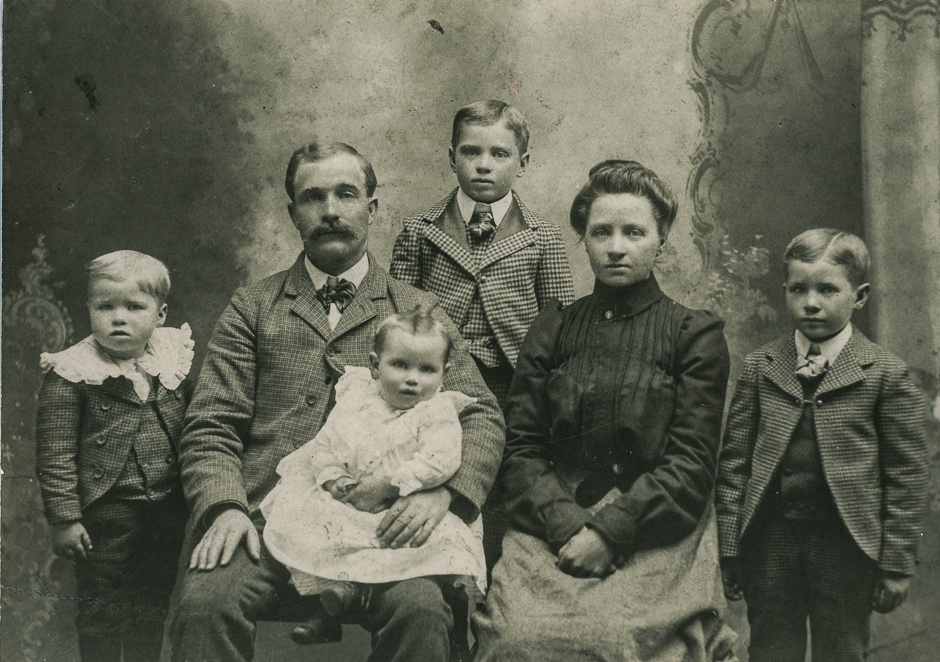
The Industrial revolution created a new ____________ class.
Upper
Poor
Lower
Middle
Which word is used to describe the rapid growth of cities during the Industrial Revolution?
Decriminalization
Capitalism
Gentrification
Urbanization
Which of the following was NOT associated with early factory working conditions?
Low wages
Dangerous working conditions
Safe working conditions
Widespread pollution
In the early days of the Industrial Revolution, which item was manufactured in great numbers at newly built factories? In what industry did the Industrial Revolution begin?
Cars
Textiles
Food service
Household goods
Economic system were government owns some industries (businesses), while others are privately owned. The government uses profits to pay for services such as health and education.
Feudalism
Capitalism
Communism
Socialism

This picture shows which problem of the factory system in Great Britain? Choose the BEST answer.
Unsafe working conditions
Unfair wages for women
Urbanization
Child Labor
Women were paid ____ than men for doing the same work.
Less
More
What is one reason why employers would hire women instead of men?
Women work harder
Employers could pay women less money
Women have more experience than men
Women can do more difficult tasks
In the early days of the Industrial Revolution, many factories were built along rivers because
water was a major source of irrigation
water power was used to power factory machines
ships could easily deliver goods to factories
ships could bring in supplies
Which phrase best illustrates the theory of laissez-faire capitalism?
the state establishing production quotas
decisions related to distribution being based on community traditions
central planning committees setting prices on goods
businesses operating with little government regulation
Which of the following best describes the term industrialization? Choose the BEST answer.
Nations began to rely on one another for trade of various goods and resources after the beginning of the Industrial Revolution
Smaller nations needed assistance from their larger neighbors, so they formed trade alliances
More and more people began to move to cities, away from rural areas
Advancement in technology (machines) to produce goods on a larger scale and a reliance on manufacturing of goods instead of individuals producing goods by hand
Rural means
country
city
What is the movement from rural to urban areas called?
Moving
Inflation
Industrialization
Urbanization
An industry whose labor force consists of family units or individuals working at home with their own equipment
Cottage Industry
Assembly Line
Capitalism
Mass Production

