wayground logo

Free Printable Worksheets

Font size

S
M
L
XL
Worksheets

Ecology

Total questions: 130

Worksheet time: 1hrs 28mins

Name
Class
Date
1.
An individual belonging to a specific species
a)
Biotic
b)
Community
c)
Organism
d)
Reptile
2.
All of the living and nonliving things in an area that interact with each other are called a/an ______.
a)
community
b)
habitat
c)
population
d)
ecosystem
3.
An area where an organism finds food, shelter and water in a specific arrangement
a)
niche
b)
biosphere
c)
biome
d)
habitat
4.
The living part of an ecosystem
a)
Biotic
b)
Abiotic
c)
Mother Earth
d)
Flowers
5.
The non-living part of an ecosystem
a)
Ocean
b)
Lava Flow
c)
Birds
d)
Abiotic
6.
The study of how living things interact with one another and with their environment.
a)
Biology
b)
Lithology
c)
Ecology
d)
Farmacology
7.
Organisms that look similar and can produce fertile offspring
a)
Species
b)
Fish
c)
Community
d)
Trees
8.
Two or more members of a particular species living and interacting in the same area
a)
Community
b)
Population
c)
Organisms
d)
Biosphere
9.
Different populations living and interacting with each other in the same area
a)
Biome
b)
Ecosystem
c)
Community
d)
Niche
10.
The area between the highest mountain and the deepest ocean where life can be found
a)
Biosphere
b)
Biome
c)
Farm
d)
Ecosystem
11.
Which one is NOT an example of a decomposer?
a)
mushroom
b)
leaves
c)
mold
d)
worm
12.
Examples of a producer
a)
frog
b)
algae
c)
worm
d)
mouse
13.
Example of a decomposer
a)
fungus
b)
mouse
c)
plants
d)
frogs
14.
A tree is a ....
a)
composer
b)
decomposer
c)
producer
15.
What is a producer?
a)
an organism that gets energy from eating other organisms
b)
an organisms that uses sunlight to make its own food
c)
an organism that gets energy from eating dead organisms, non-living material or waste
d)
an organism that uses chemical energy to make its own food
16.
What is a herbivore?
a)
an animal that gets energy from eating other animals
b)
an organism that gets energy from eating only plants
c)
an animal that gets energy by eating both plants and other animals
d)
an animal that eats only herbs
17.
What is a carnivore?
a)
an animal that gets energy by eating other animals
b)
An animal that gets energy by eating only plants
c)
an animal that gets energy by eating both plants and animals
d)
an animal that makes its own energy through photosynthesis
18.
An animal that gets energy from eating both plants and animals is a 
a)
herbivore
b)
carnivore
c)
omnivore
d)
autotroph
19.
The shrew provides energy for the _______?
a)
cricket
b)
grasshopper
c)
frog
d)
snake
20.
Which of the following is a herbivore?
a)
cricket
b)
frog
c)
hawk
d)
shrew
21.
Where do all life forms get their energy?
a)
Earth's Core
b)
Water
c)
Plants
d)
The Sun
22.
What is this called?
a)
Food Web
b)
Food Chain
c)
Abiotic Factors
23.
What is this called?
a)
Food Web
b)
Food Chain
c)
Abiotic Factors
24.
A producer is a (n) ______________.
a)
heterotroph
b)
omnitroph
c)
autotroph
d)
oscartroph
25.
All food chains begin with a ____________.
a)
primary consumer
b)
secondary consumer
c)
producers
d)
scavengers
26.
An animal that eats other animals is a....
a)
carnivore
b)
omnivore
c)
herbivore
d)
decomposer
27.
Which best describes what a food chain shows you?
a)
Energy flow through an ecosystem
b)
Food flowing through an ecosystem
c)
Consumers going into other consumers
d)
Who eats who
28.
Another name for a consumer is a
a)
heterotroph
b)
autotroph
c)
producer
d)
plant
29.
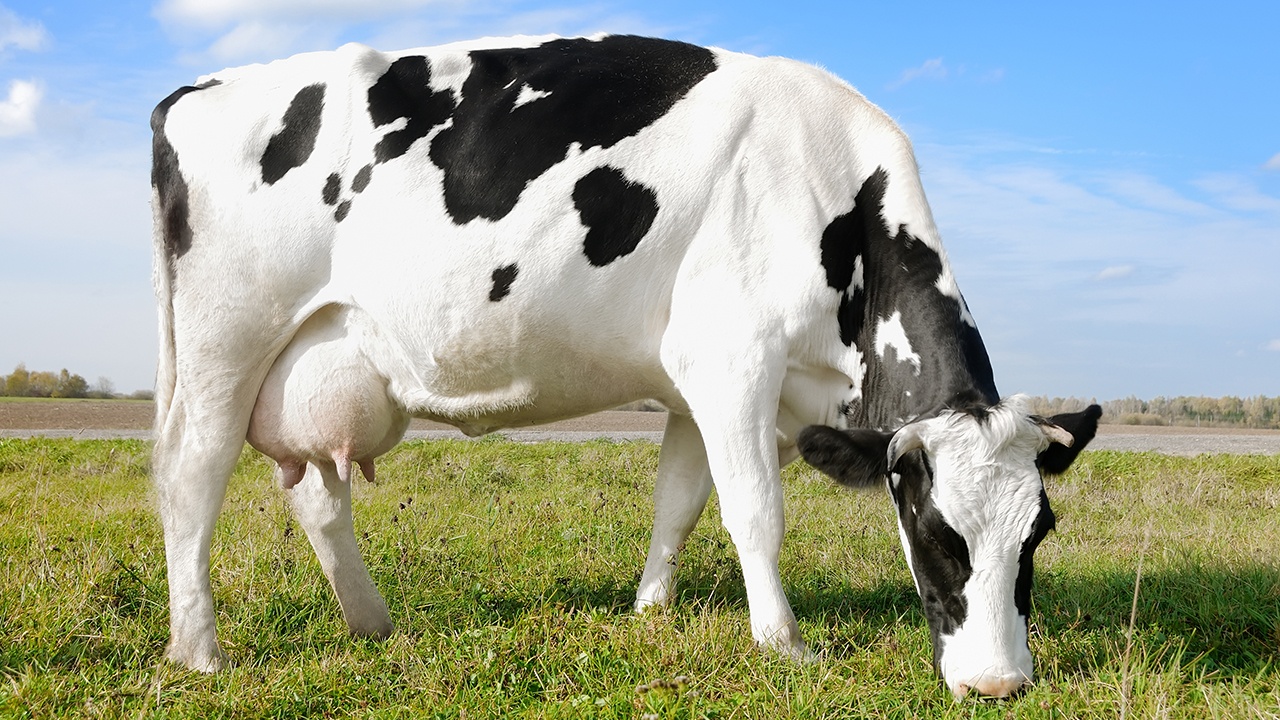
The image provided is an example of a:
a)
Producer
b)
Heterotroph
c)
Consumer
d)
Decomposer
30.
The image provided is an example of a(n):
a)
Autotroph
b)
Carnivore
c)
Herbivore
d)
Decomposer
31.
The diagram below shows the cycling of nutrients in an ecosystem.
The removal of which of the following groups would cause an immediate decrease in the amount of energy flowing through the system?
a)
Producers
b)
Consumers
c)
Decomposers
d)
Inorganic nutrients
32.
Green plants are
a)
producers
b)
consumers
c)
herbivores
d)
omnivores
33.
What is the original source of almost all energy in most ecosystems?
a)
carbohydrates
b)
sunlight
c)
water
d)
carbon
34.
An organism that produces its own food supply from inorganic compounds is called a(an)
a)
heterotroph
b)
consumer
c)
detritivore
d)
autotroph
35.
What is an ecological model of the relationships that form a network of complex interactions among organisms in a community from producers to decomposers?
a)
food web
b)
an ecosystem
c)
food chain
d)
a population
36.
What is the term for each step in the transfer of energy and matter within a biological community?
a)
energy path
b)
food web
c)
trophic level
d)
food pyramid
37.
which symbiosis is this 
a)
parasitism 
b)
mutualism
c)
commensalism
d)
nonalism 
38.
symbiotic relationship in which both organisms benefit
a)
competition
b)
Mutualism
c)
nitrogen fixation
d)
energy pyramid
39.
The energy at each trophic level in the pryamid of energy decreases by a factor of ____.
a)
10
b)
1
c)
100
d)
2
40.
What does a food web represent?
a)
All connections of energy flow throughout all organisms in a habitat.
b)
The specific ways that mutualism is carried out.
c)
A single pathway or energy flow between organisms. 
d)
How carnivores get their food. 
41.
diagram that shows the energy available to each trophic level in an ecosystem; 10% is passed on to upper levels, the rest is lost as heat
a)
succession 
b)
cellular respiration
c)
energy pyramid
d)
biochemical cycle
42.
a relationship between two in which one species, the predator, feeds on the other species, the prey
a)
chemosynthesis
b)
predation
c)
cellular respiration 
d)
commensalism
43.
symbiotic relationship in which one organisms benefits and the other organism is not affected
a)
invasive (non-native) species
b)
mutualism 
c)
nitrogen fixation
d)
commensalism
44.
Study of interactions between organisms and their environment 
a)
niche
b)
community 
c)
ecology
d)
ecosystem
45.
Members of a species in a defined area
a)
Ecosystem
b)
community
c)
biodiversity
d)
population
46.
Where an organism lives
a)
habitat
b)
niche 
c)
heterotrogh
d)
biosphere
47.
Non-living factor that affects an ecosystem
a)
biotic factor
b)
abiotic factor
c)
food chain 
d)
biome
48.
Organisms that breaks down and absorbs nutrients from dead organisms 
a)
consumer
b)
trophic level
c)
decomposer
d)
species
49.
A food chain is illustrated below:
The arrows represented most likely indicate
a)
A. Energy released from metabolism into the environment as heat.
b)
B. Oxygen released from metabolism produced by cellular respiration.
c)
C. The absorption of energy from the environment that has been created.
d)
D. The transport of glucose away from the organism through photosynthesis.
50.
A pond ecosystem is shown in the diagram below. Which statement describes an interaction that helps maintain the dynamic equilibrium of this ecosystem?
Which statement describes an interaction that helps maintain the dynamic equilibrium of this ecosystem?
a)
The frogs make energy available to this ecosystem through the process of photosynthesis.
b)
The algae directly provide food for both the rotifers and the catfish.
c)
The green-backed heron provides energy for the mosquito larvae.
d)
The catfish population helps control the populations of water boatman and waterfleas.
51.
Members of a species in a defined area
a)
Ecosystem
b)
community
c)
biodiversity
d)
population
52.
Consumer that eats plants
a)
heterotroph
b)
herbivore
c)
producer
d)
community
53.
Series of steps in which organisms transfer energy by eating and being eaten
a)
foodweb
b)
consumer
c)
food chain
d)
omnivore
54.
Organisms that relies on other organisms for food; consumer
a)
herbivore
b)
decomposer
c)
heterotroph
d)
species
55.
All the organisms in a particular location, including their nonliving environment
a)
ecosystem
b)
carnivore
c)
niche
d)
population
56.
What does fungi do to dead plants and animals?
a)
Leave them there
b)
Decompose them
c)
Wait for other animals to eat them
d)
Move away
57.
What may happen if the snowshoe hare was removed from the food web pictured?
a)
The insects in the habitat would increase.
b)
The shrew population would decrease due to being only hawk food source.
c)
The willow tree population would decrease.
d)
Foxes would dies due to no food source. 
58.
In the energy pyramid here, how much of the energy in the producers gets passed to the herbivores?
a)
10%
b)
20%
c)
80%
d)
90%
59.
Which of the following leads to a decrease in biodiversity?
a)
protection of ecosystems
b)
pollution control
c)
selective cutting
d)
introduction of exotic or invasive species
60.
A carbon "sink" is best described as:
a)
a reservoir that readily releases carbon to another reservoir
b)
a carbon reservoir that stores more carbon that it is releasing
c)
something that causes carbon to leak out to the atmosphere
d)
a carbon reservoir that is releasing more carbon than it is taking in
61.
Nitrogen fixation processes nitrogen from which of the following sources?
a)
lightning
b)
fertilizers
c)
dead plants
d)
atmosphere
62.
What is it called when water is changed from a liquid to a gas?
a)
EVAPORATION
b)
PRECIPITATION
c)
TRANSPIRATION
63.
Nitrogen makes up _____ percent of the atmosphere.
a)
66%
b)
78%
c)
90%
64.
In the food web shown, the snail would be considered...
a)
primary consumer
b)
secondary consumer
c)
tertiary consumer
d)
producer
65.
Which biome, because of its climate and amount of rainfall, has the largest number of species of plants and animals?
a)
Tundra
b)
Rainforest
c)
Desert
d)
Pineforest
66.

Which of these is the foundation of the Food Web and Energy Pyramid?

a)

Photosynthesis

b)

Plants

c)

Decomposers

d)

Omnivores

67.

Which of these is the main source of energy on Earth?

a)

The Sun

b)

Producers/Plants

c)

Consumers/Animals

d)

Decomposers/Fungi

68.

Which organisms have the ability to use the sun's energy to PRODUCE glucose?

a)

Snakes/Mice

b)

Grass/ Trees

c)

Hawks/Eagles

d)

Fungi/Bacteria

69.

Which organisms convert Nitrogen in the atmosphere to a usable for for plants and animals?

a)

Plants

b)

Animals

c)

Bacteria

d)

Converters

70.

Photosynthesis will most likely appear in which of these cycles?

a)

Nitrogen

b)

Carbon

c)

Water

71.

Evaporation and Transpiration will most likely appear in which of these cycles?

a)

Nitrogen

b)

Carbon

c)

Water

72.

Which species will have the largest population?

a)

Hawks

b)

Snakes

c)

Rabbits

d)

Grass

73.

Which species is the 2nd level consumer?

a)

Sharks

b)

Mackerel

c)

Herring

d)

Crustaceans

74.

Which of these are negative consequences of farming?

a)

Nitrogen/Fertilizer run off causing an algae bloom

b)

Loss of habitat for animal homes

c)

Loss of territory for animals to hunt

d)

Birds will be able to find seeds in fields

75.

When members of a population work together it is called...

a)

Competition

b)

Cooperation

c)

Mutualism

76.

A population is...

a)

All of the members of a species in the same area.

b)

All of the different species in the same area.

c)

All of the Biotic and Abiotic factors in an area.

77.

An ecosystem is...

a)

All of the members of a species in the same area.

b)

All of the different species in the same area.

c)

All of the Biotic and Abiotic factors in an area.

78.

Territorial behaviors can be...

a)

Screaming/barking.

b)

Marking an area (rubbing antlers on trees, urinating).

c)

Fighting over mates.

d)

Different species working together.

79.

Which of these are ways that animals will use to conserve energy during the winter?

a)

Grow more fur

b)

Hibernate

c)

Take a long trip to find food (migrate)

d)

Find a cabin with a fire place

80.

Which of these would be used to describe a Tundra?

a)

Permafrost

b)

Caribou

c)

Cool summers

d)

Rich topsoil

81.

Decomposers...

a)

Recycle nutrients in the ecosystem.

b)

Provide most of the Earth's energy.

c)

Can be considered producers because they grow in the ground.

d)

Are mostly Abiotic.

82.

Which of these are the Niche of Squirrel?

a)

Predator when it eats an insect.

b)

Prey when it is eaten by an owl.

c)

Planter when it hides and acorn and forgets where it is

83.

Algae growth in a lake can be a result of which of these?

a)

Eutrophication/Nitrogen runoff

b)

Over population of fish

c)

Not enough sunlight

d)

Commensalism

84.

Which of these are examples of Commensalism?

a)

Barnacles riding on a whale.

b)

Remora feeding of food scrapes left by a shark.

c)

A tick sucking blood from its host.

85.

Which of these determine which biome will be in an area?

a)

Temperature

b)

Precipitation

c)

Geology

d)

Animals that live there

86.

Increased Carbon Dioxide in the atmosphere has formed a blanket around the planet and contributed to an ...

a)

increase in the temperature of the planet.

b)

increase in noise

c)

increase in ice around the planet.

d)

increase in parasites looking for hosts.

87.

A relationship in which both species benefit is called...

a)

Parasitism

b)

Commensalism

c)

Mutualism

88.

Limiting factors ...

a)

are resources that are in short supply and limit the size of a population.

b)

are a cause of too much nitrogen in the water.

c)

are hosts for parasites.

d)

only found in the jungle.

89.
What do we call the non-living part of the environment?
a)
Biotic
b)
Population
c)
Abiotic
d)
Antibiotic
90.
What does the direction of the arrow represent in a food chain or energy pyramid?
a)
the flow of energy
b)
which way is north
c)
the expenditure of energy
d)
increase of energy
91.
What do we call several different populations interacting in some way?
a)
Population
b)
Community
c)
Ecosystem
d)
Biome
92.
The study of how living things interact with their environment and abiotic factors is the study of ____________________.
a)
Astrology
b)
Microbiology
c)
Ecology
d)
Geology
93.
How can abiotic factors change in an ecosystem?
a)
Flooding
b)
Forest fires
c)
drought
d)
All of the above
94.
Where do plants get their energy?
a)
Powerade
b)
5 hour energy drinks
c)
candy
d)
sun
95.
What is a diagram that shows a direct straight line of a feeding relationship?
a)
energy pyramid
b)
food pyramid
c)
food web 
d)
food chain
96.
What is the diagram that shows all feeding relationships possible with available resources in an ecosystem?
a)
energy pyramid
b)
food pyramid
c)
food chain
d)
food web
97.
Bees pollinating flowers is an example of:
a)
Predation
b)
Commensalism
c)
Mutualism
d)
Parasitism
98.
Your cat has fleas. Fleas suck blood and your kitty gets an infection.
a)
Mutualism
b)
Predation
c)
Commensalism
d)
Parasitiem
99.
A remora hitches a ride with the shark. It gets a free ride unbeknownst to the shark.
a)
Parasitism
b)
Predation
c)
Commensalism
d)
Mutualism
100.
What do we call organisms that are the "clean up crew?"
a)
Scavengers
b)
Parasites
c)
commensals
d)
Prey
101.
A wolf eating a lamb is an example of:
a)
Parasitism
b)
Mutualism
c)
Predator/Prey
d)
Commensalism
102.
I had chicken and broccoli for dinner. That makes me a:
a)
Herbivore
b)
Carnivore
c)
Parasite
d)
Omnivore
103.
What is an animal called that eats only plants?
a)
Carnivore
b)
Omnivore
c)
Parasite
d)
Herbivore
104.
A lion eats meat. That makes a lion a_____________
a)
Carnivore
b)
Herbivore
c)
Plant hater
d)
Omnivore
105.
What is the lowest level of ecological organization?
a)
Biosphere
b)
ecosystem
c)
community
d)
individual
106.
What is the level of organization where the community is interacting with abiotic factors?
a)
community
b)
ecosystem
c)
population
d)
biome
107.
What is the species that is usually introduced to an area by accident, but soon take over the indigenous species?
a)
Invasive species
b)
bully
c)
absent species
d)
dominant species
108.

The number of pythons found throughout Everglades National Park has increased in recent years. These huge snakes are not native to Florida and are believed to have been released into the wild by pet owners. Wildlife biologists have initiated attempts to capture and remove these pythons. Which statement best explains the biologists’ reason for removing these pythons from the Everglades?

a)

The pythons could upset the territorial boundaries of native organisms.


b)

The pythons could adapt to overcome diseases common to native snakes.

c)

The pythons could prey on native organisms and cause native populations to decline.

d)

The pythons could begin to interbreed with native snakes and produce a more successful species.

109.

Which of the following statements account for the change in population seen between years 7 and 8?

a)

The birth rate of the pigeons increased.

b)

The emigration rate of the pigeons decreased.

c)

The death rate of the pigeons exceeded the birth rate.

d)

The neighborhood reached its carrying capacity for the pigeon population

110.

A new species of snake was introduced to a tropical region. Scientists then noticed a steady decline in the presence of field mice and an increase in the number of snakes. Which of these is the most likely explanation about why the population size of each animal changed?

a)

The snakes introduced to the region dominated the habitat, forcing the mice to find another place to live.

b)

The mice became prey to the introduced snakes, allowing the snake population to increase but decreasing the mice population.

c)

The snakes introduced to the region competed with the mice for food, allowing the snake population to increase but decreasing the mice population.

d)

The people in the surrounding area set traps that killed the mice, allowing the snakes to live without any predators and therefore to increase in number.

111.

The highest concentration of life exists in the top 200 meters of ocean water. What is the most important factor that influences the concentration of life?

a)

amount of gases at the surface

b)

amount of nutrients in the water

c)

large number of predators at lower depths

d)

amount of sunlight

112.

Rabbits introduced into Australia over 100 years ago have become a serious pest to farmers. Rabbit populations increases so much that they displaced many native species of plant eaters. What is the most logical explanation for their increased numbers?

a)

Rabbits have a high death rate.

b)

There are few effective predators.

c)

Additional rabbit species have been introduced.

d)

There is an increase in rabbit competitors.

113.

Scientists found, that over a period of 200 years, a mountain pond was transformed into a meadow. During that time, several communities of organisms were replaced by different communities. Which of these best explains why new communities were able to replace older communities?

a)

The original species became extinct.

b)

Species in the older community died from old age.

c)

The abiotic characteristics of the habitat changed.

d)

Diseases that killed the older organisms disappeared.

114.

Although phosphorus is of great biological importance, it is not very common in the biosphere. Why is this?

a)

Phosphorus doesn’t enter the atmosphere

b)

Phosphorus doesn’t cycle through food webs

c)

Phosphorus have been depleted by biological organism

d)

Phosphorus evaporates easily and is quickly destroyed by sunlight

115.

Ecologists study different levels of organization within the biosphere. Identify which level corresponds to a group of individuals that belong to the same species and live in the same area.

a)

A: Community

b)

B. Biome

c)

C. Ecosystem

d)

D. Population

122.

Each step in a food chain is called a trophic level. What percentage of energy available at one trophic level is transferred to organisms at the next level?

a)

about 2 percent

b)

about 10 percent

c)

about 25 percent

d)

about 50 percent

125.

In addition to energy, organisms need matter to survive. Which of the following is true about matter in the biosphere?

a)

The total amount of matter decreases overtime

b)

The total amount of matter increases overtime

c)

Biogeochemical cycles transform and reuse molecules

d)

Matter flows through ecosystems in one direction

118.

What is true about the pyramid of numbers?

a)

A. There are more producers than first-level consumers

b)

B. First-level consumers make up the greatest number of individuals

c)

C. There are more third-level consumers than second-level consumers

d)

D. There are more second-level consumers than first-level consumers

119.
Metamorphic
a)
formed from other rocks, changed because of heat and pressure. ex-granite, marble, obsidian
b)
formed from sediment, erosion build up
c)
formed from magma in a volcano, erupted and then cooled
124.
Inherited trait
a)
something you get from your parents, ex-clothes, furniture, money
b)
something you get from your sibling, ex-hair, eye, freckles,skin
c)
something you get from your parents, ex-hair color, eye color, nose, ears
123.
Gene
a)
basic physical unit of chromosomes,comes from your brain
b)
basic physical unit of hereditary, DNA coded instruction for synthesis of RNA
c)
blood, used to show male or female
122.

Each step in a food chain is called a trophic level. What percentage of energy available at one trophic level is transferred to organisms at the next level?

a)

about 2 percent

b)

about 10 percent

c)

about 25 percent

d)

about 50 percent

123.
Gene
a)
basic physical unit of chromosomes,comes from your brain
b)
basic physical unit of hereditary, DNA coded instruction for synthesis of RNA
c)
blood, used to show male or female
124.
Inherited trait
a)
something you get from your parents, ex-clothes, furniture, money
b)
something you get from your sibling, ex-hair, eye, freckles,skin
c)
something you get from your parents, ex-hair color, eye color, nose, ears
125.

In addition to energy, organisms need matter to survive. Which of the following is true about matter in the biosphere?

a)

The total amount of matter decreases overtime

b)

The total amount of matter increases overtime

c)

Biogeochemical cycles transform and reuse molecules

d)

Matter flows through ecosystems in one direction

126.
Sedimentary
a)
formed by deposition, material from Earth and within bodies of water, ex-sandstone, weathering debris
b)
from magma in a volcano and then came up to Earth's surface to cool
c)
formed from loamy soil and then mixed with cement
127.
Trait
a)
character trait
b)
feature of an organism.
c)
egg, tadpole, frog
128.
Energy
a)
ability to do work
b)
ability to study
c)
ability to exercise
129.
Observation
a)
observing something or someone carefully.
b)
having to talk to for a long period of time
c)
saving the environment
130.
Survival
a)
current function in an organism tha tis maintained and evolved.
b)
branch of biology that deals with organisms
c)
the state or fact of continuing to list or exist.