
Font size
 Worksheets
Weathering, Erosion, Soil
Total questions: 58
Worksheet time: 41mins


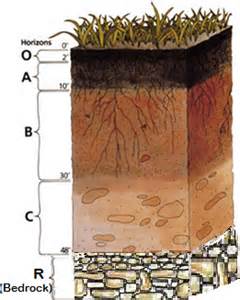


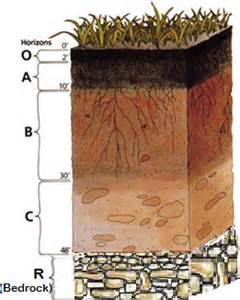
A mixture of sand, silt, and clay is known as __________ and is best for farming or agriculture
sand
silt
clay
loam

What makes up humus?
breakdown of organic remains
removal of the topsoil
weathering of the subsoil
weathering of the parent material

What is the soil size for sand?
largest particle
medium particle
smallest particle
What is the soil size for clay?
largest
medium
smallest

What is the soil size for silt?
largest particle
medium particle
smallest particle
Why is soil important?
Provides nutrients for plant growth
food security
filters waste
all of the above
Hillsides are sometimes terraced to grow plants. What is the purpose of using terraces?
to keep roots from spreading
to increase wind erosion
to retain soil and water
to provide protection from animals
Which of the following statements does NOT illustrate the effects of human activity in creating erosion problems?
Building roads can increase erosion due to the change in drainage patterns.
Terracing along a mountainside can lead to erosion
Building on steep slopes can lead to landslides.
soil can be washed away from new construction sites due to clearing trees and brush
Which of the following soil types would contain the most nutrients?
soil that has many large rock particles
soil that allows water to drain very quickly through it
soil with a lot of decomposed organic material
soil with a bedrock that is very close to the surface

The process of sediment being dropped off in a new location is called ____________?
deposition
weathering
erosion
displacement

What formed this canyon?
the rushing movement of water from a river over millions of years, showing evidence of one way Earth's landscape has naturally evolved
the subduction of plate boundaries, showing how the movement of plate boundaries is the only way that Earth's landscape evolves over time
the movement of ice along Earth's surface, showing that Earth's surface did not change until ice was present
the rapid evaporation of the river over a short period of time, showing how adaptive Earth's surface is when the environment changes

Based on the diagram, structure X is
a delta that is changing due to sediment
deposits from ocean currents.
an island that is changing due to the movement
of plate boundaries.
a delta that is changing due to sediment
deposits from a river.
an island that is changing due to increasing
volcanic lava flow.

The formation of this cavern was most likely due
to
the erosion of soil, as ocean waves hit land so
far inland that they carried soil and created
openings and caves underground.
weathering of rock, as plant roots traveled deep
into the soil and created spaces that grew larger
as water washed soil away.
weathering by wind, as tornadoes in this area
scooped up large chunks of land and formed
caves that filled with water.
the erosion of limestone, as carbon dioxide in
the air and soil mixed with rainwater to form
carbonic acid.
What would someone expect to find where a
faster river enters a slower river?
barrier islands
a gully
sediment deposits
a waterfall
Ryder has been visiting his favorite park for ten years. Recently, he noticed that the large boulder in the center of the park has gotten smaller and smoother in some places. Why has the boulder changed?
The heat of the Sun evaporated out the water,
causing the boulder to shrink.
Wind and water have weathered the boulder,
wearing away at its surface.
The weight of the boulder has caused its rock
particles to compress.
The rock particles in the boulder have cemented
into thinner layers.
How does erosion compare to physical
weathering?
Both break down materials.
Both move materials from place to place.
Erosion breaks down materials, and weathering
carries them from place to place.
Weathering breaks down materials, and erosion
carries them from place to place.
How does weathering affect rocks?
It breaks them into pieces.
It melts them into lava.
It changes them into other kinds of rock.
It combines them to make mountains.

Which layer contains the majority of the bacteria, fungi, worms, and other organic matter?
W
X
Y
Z
Which activity will most likely increase soil fertility?
A tree is cut for lumber.
Plastic is buried in the ground.
A tree dies and decays.
Worms are removed from the soil.
What is sand made of?
tiny pieces of soil
tiny pieces of dirt
tiny pieces of rock
tiny pieces of silt
Which of the following is the smallest mineral particle found in soil?
clay
dirt
peat
silt
Which of the following is a result of deforestation?
decrease in urban sprawl
decreased carbon dioxide levels
increase in wildlife habitat
increased soil erosion
Select three human activities that increase soil
erosion.
clearing land for crops
building fences around land
overgrazing by farm animals
terracing the land on hillsides
building roads through fields
Select three things that can be included in
humus.
food scraps
sandstone
bits of leaves
minerals
dead insects
Where is the most deposition likely to occur?
at the mouth of a river, where it enters an ocean
on the side of a sand dune facing the wind
at a site where glacial ice scrapes bedrock
at the top of a steep slope in a streambed
Select all of the human activities that contribute
to erosion.
building parking lots
building roads
clearing land
planting grass
surface mining
A farmer is preparing a new field for planting. Which of the following soil types is she most likely to use to encourage plant growth?
humus
loam
silt
clay
Mary is studying swampy marshlands near her school. She notices there are many thriving plants in the wet soil. What type of soil is she likely to see?
soil mostly of broken rocks
soil mostly of sand grains
soil with many minerals
soil with decaying organic material
How will an increase in wind speed affect soil erosion?
Soil erosion will increase.
Soil erosion will decrease.
Soil erosion will completely stop.
Soil erosion will remain the same.
Soil is made of many things, including tiny particles of rock. Which is one way rocks are broken down into rock particles?
Molecules of water that are superheated inside
of rocks can build up pressure that breaks rocks
into rock particles.
Radiation from sunlight creates tons of tiny
cracks in the rock, which expand until they
break.
Molecules of water that freeze inside rocks can
expand and break rocks into rock particles.

