
NEW
Font size
S
M
L
XL
 Worksheets
Unit 1 Cells Review
Total questions: 42
Worksheet time: 36mins
Name
Class
Date
1.

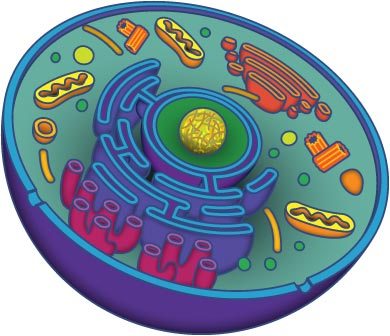
What type of cell is shown below?
a)
Prokaryotic
b)
Eukaryotic
c)
Awesomekaryotic
d)
Lamekaryotic
2.
What three things do ALL cells have?
a)
Cytoskeleton, Cell membrane, vacuole
b)
DNA, ribosome, nucleus
c)
Cell wall, cytoskeleton, golgi apparatus
d)
Cell membrane, cytoplasm, DNA
3.
What type of cells have a cell wall and chloroplasts?
a)
Plant cells
b)
Animal cells
c)
Plant and animal cells
d)
Neither plant NOR animal cells
4.
Protects plants cells and helps plants stand upright. Makes treebark rough and rigid.
a)
Cell wall
b)
Cell membrane
c)
Cytoskeleton
d)
Cytoplasm
5.
Controls all cell activities and contains DNA
a)
Ribosome
b)
Chloroplast
c)
Endoplasmic reticulum
d)
Nucleus
6.
Uses energy from the sun to make sugars/food for the cell
a)
Mitochondria
b)
Chloroplast
c)
Vacuole
d)
Lysosome
7.
Transports molecules throughout the cell like a post office
a)
Golgi apparatus
b)
Endoplasmic reticulum
c)
Lysosome
d)
Cytoskeleton
8.
Controls what enters and exits the cell, like a fence
a)
Cell membrane
b)
Cytoplasm
c)
Nucleus
d)
Ribosome
9.
Makes proteins, works like a “contractor”, building more cell parts
a)
Endoplasmic reticulum
b)
Mitochondria
c)
Chloroplast
d)
Ribosome
10.
Jelly-like substance that holds all the organelles in place
a)
Cytoplasm
b)
Cytoskeleton
c)
Nucleus
d)
Cell membrane
11.
Break down molecules and dead organelles, works like a “garbage disposal”
a)
Mitochondria
b)
Vacuole
c)
Lysosome
d)
Ribosome
12.
“Powerhouse” of the cell, breaks food down into energy for the cell
a)
Vacuole
b)
Chloroplast
c)
Nucleus
d)
Mitochondria
13.
Stores food and water like a refrigerator for the cell
a)
Chloroplast
b)
Vacuole
c)
Lysosome
d)
Cytoplasm
14.

Organelle 1 is a(n)
a)
ribosome.
b)
vacuole.
c)
nucleus.
d)
lysosome.
15.
Organelle 3 is a(n)
a)
ribosome.
b)
vacuole.
c)
nucleus.
d)
lysosome.
16.

Organelle 7 is a(n)
a)
endolplasmic reticulum.
b)
golgi apparatus/body.
c)
mitochondrion.
d)
cell membrane.
17.
Organelle 8 is a(n)
a)
endolplasmic reticulum.
b)
golgi apparatus/body.
c)
mitochondrian.
d)
cell membrane.
18.

Organelle 2 is a(n)
a)
ribosome.
b)
vacuole.
c)
nucleus.
19.
Organelle 3 is a(n)
a)
ribosome.
b)
vacuole.
c)
nucleus.
20.
Organelle 5 is a(n)
a)
cell membrane.
b)
cell wall.
21.
Organelle 8 is a(n)
a)
chloroplast.
b)
mitochondrion.
22.
Organelle 9 is a(n)
a)
chloroplast.
b)
mitochondrion.
23.

Directs all cell activities through the DNA located there.
a)
Lysosomes
b)
Nucleus
c)
ribosomes
d)
Mitochondria
24.

I am a protein packaging and shipping machine! Who am I?
a)
vacuole
b)
ribosome
c)
endoplasmic reticulum
d)
golgi apparatus
25.
This organelle takes food and turns it into ENERGY for plant and animal cells.
a)
Chloroplast
b)
Mitochondria
c)
Lysosome
d)
Ribosome
26.

A rigid layer that protects a plant cell.
a)
Cytoskeleton
b)
Cilia
c)
Cell Wall
d)
Flagella
27.
What organelle is considered to be the “gatekeeper” for plant and animal cells? It only allows certain things to come in and out of the cell.
a)
Cell Wall
b)
Cytoplasm
c)
Nucleous
d)
Cell Membrane
28.
In what organelle does the food making process in plants take place?
a)
Endoplasmic Reticulum
b)
Vacuole
c)
Chloroplasts
d)
Mitochondria
29.
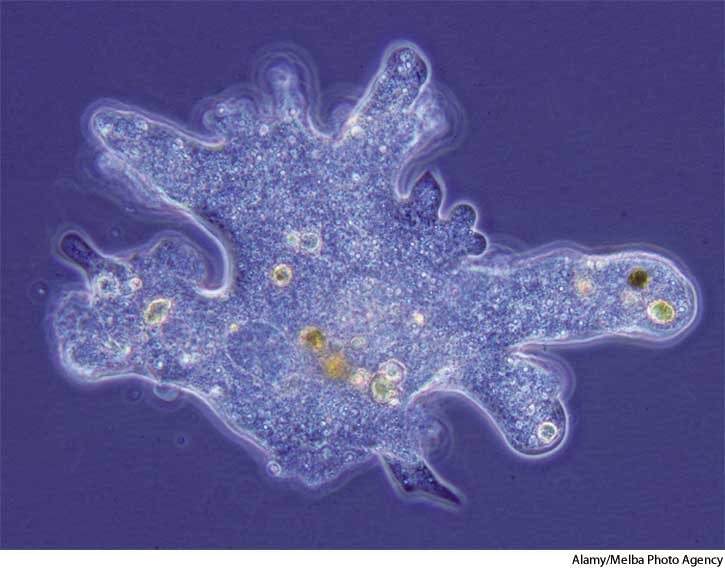
An Amoeba is a unicellular, animal-like protist that lives in ponds and streams. According to cell theory, where did this cell come from?
a)
another pre-existing amoeba cell.
b)
energy from sun that allowed the protist to reproduce.
c)
a multicellular organism.
d)
the nonliving environment.
30.

Which of the following is NOT a cell theory.
a)
All non-living things are made of cells
b)
All cells come from pre-existing cells
c)
Cells are the basic unit of structure and function of all living things
31.
All living things are made up of...
a)
cells
b)
cell tissues
c)
organ
d)
organ systems
32.
All cells come from___________ cells.
a)
pregnant
b)
pre-existing
c)
paternal
d)
pin size
33.
Rocks are not living because
a)
they never move
b)
they aren't needed for humans
c)
they are not made of cells
d)
they don't break down
34.
What is the basic structural and functional unit of all living things?
a)
atom
b)
cell
c)
molecule
d)
human
35.
An organism made of one cell is called
a)
unicellular organism
b)
multicellular organism
36.
what is a cell classified as?
a)
a basic unit of structure and function of all living organisms
b)
a unit based on only plants and animals that are living
37.

Pick the true statement about cellular organization:
a)
cells working together make tissues
b)
cells working together make organs
c)
tissues working together make organ systems
d)
organs working together make cells
38.

Which is the most complex of the choices below?
a)
cell
b)
tissue
c)
organ
d)
organ system
39.

What is the most basic unit of life?
a)
cell
b)
tissue
c)
organ
d)
organ system
40.

Which choice shows the levels of organization in order from LARGEST to smallest.
a)
organism, organ system, organ, tissue, cell
b)
cell, tissue, organ, organ system, organism
c)
organism, cell, organ system, tissue, organ
d)
cell, cell, cell, cell, cell
41.

When a baby kitten becomes an adult cat, this is an example of...
a)
energy metabolism
b)
growth and development
c)
response to stimuli
d)
having cells
42.

Which kind of living things have DNA in their cells?
a)
producers
b)
consumers
c)
decomposers
d)
Trick question! All living things have DNA in their cells
Reset

